AI is changing how software gets priced.
seat licenses assume a human uses the tool.
usage-based billing assumes the AI does.
when a company makes that switch it's not a pricing update but an admission that automation replaced the person who used to click the button.
i track those shifts for you and break down what they actually mean.
if $NVDA is paying $13bn for hugging face, the value is not just a website where people download models.
hugging face sits in the part of the ai stack where developers find models, test them, host them, share tools and decide which open source systems become normal inside companies.
nvidia already sells the compute.
owning the distribution layer would give it more influence over what gets built on that compute.
the business question is whether the deal turns nvidia from a supplier of ai infrastructure into a gatekeeper for the open-model workflow too.
that is a much bigger strategic move than buying another model company.
https://t.co/TudQxy9OWG
football analytics is useful before a player is signed, not after someone has already made the decision.
the best use of tracking and video data is to reduce a huge player pool into a shortlist that a scout can actually investigate.
it can compare work rate, position, progression, involvement and match context across hundreds of players far faster than one person can watch every full match.
but data cannot tell you whether a player can handle a new dressing room, a different league, or a manager who changes systems every month.
the right workflow is data first, scout second.
not because one replaces the other, but because the expensive part of recruitment is spending human attention on the wrong names.
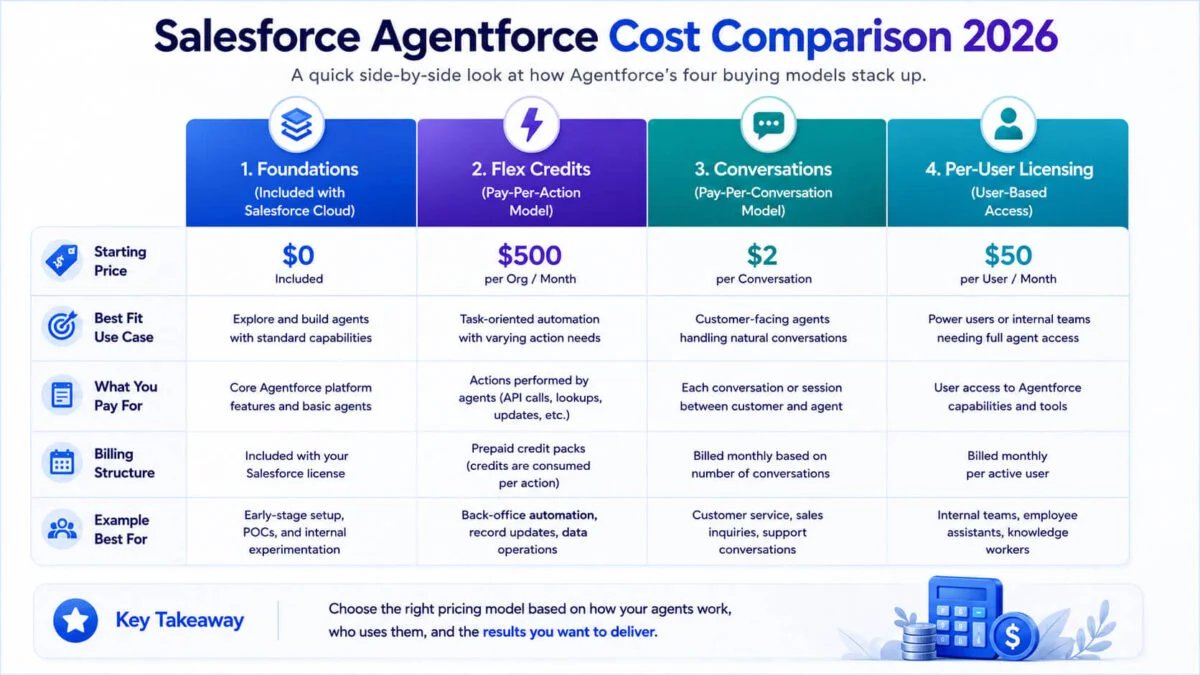
salesforce's agentforce pricing is a useful example of why ai buying is getting harder for enterprise teams.
there are now different ways to pay: per user, per conversation, or through flexible credits tied to agent tasks.
each model pushes behaviour in a different direction.
per user pricing makes adoption easy to forecast but may charge for people who barely use the tool. per-conversation pricing makes teams define what counts as a completed outcome. credits can scale with activity, but they can also make the monthly bill unpredictable.
the "best" ai price is not the cheapest one on the slide.
it is the one whose meter matches the work you actually need done.
Salesforce's Agentforce offerings use multiple commercial models, including user based access, flexible credits and conversation based pricing, illustrating the shift from fixed seats to variable AI consumption.
atlassian is making a pricing change that every company buying ai tools should pay attention to.
starting december 3, rovo credits and automation runs move from "unlimited feeling feature" territory into metered usage with monthly allowances and overage charges.
rovo overages are listed at $0.01 per credit. extra automation usage is $0.50 per 1,000 steps.
the important shift is not the exact rate.
seat based software is easy to budget: users × monthly price.
ai software is becoming: users + model usage + agent actions + automation volume.
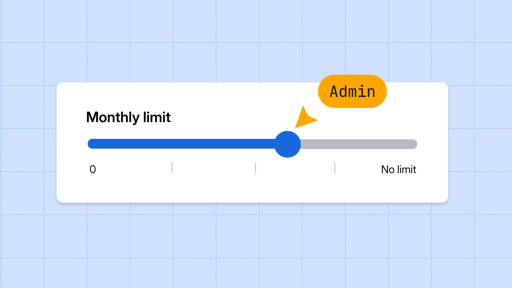
that means ai spend can grow even when headcount does not. the teams that handle this well will set usage limits, assign an owner, and track whether the automated work actually replaced a measurable manual task.
a football club doesn't need more data, it needs fewer bad recruitment decisions.
kitman labs' work with clubs like pacific fc and vancouver fc is built around ranking possible signings by quality and squad fit before scouts spend time travelling or watching them in person.
that is the useful business case for football intelligence platforms: not replacing scouting, but making expensive human attention go to better targets first.
the metric to watch is not "how much data the club has." it is about how many recruitment mistakes the system helps them avoid.
Antonio Rüdiger retiring from international football.
12 years for Germany. chaos, intensity, mentality and one of those defenders who made every big game feel personal.
proper international career.
OpenAI citing past contract violations by Musk's other companies as the reason for ending the Cursor partnership is a much more pointed explanation than a typical business disagreement
it also suggests that this decision was less about Cursor and more about OpenAI drawing a line against doing any business with SpaceX affiliated entities
Musk calling Altman untrustworthy in response confirms this is personal as much as it's commercial, adding another layer to their beef 😂
nvidia just posted $96.2 billion in quarterly revenue, up 106% from a year ago. data center alone did $89 billion, up 117%. that's more revenue in three months than a lot of entire industries make in a year.
they're calling for around $108 billion next quarter and still can't make blackwell chips fast enough to meet demand. at some point the ai spending story stops being about openai or anthropic and just becomes a story about how much of the global economy is quietly funneling into nvidia's balance sheet.
nvidia just posted $96.2 billion in quarterly revenue, up 106% from a year ago. data center alone did $89 billion, up 117%. that's more revenue in three months than a lot of entire industries make in a year.
they're calling for around $108 billion next quarter and still can't make blackwell chips fast enough to meet demand. at some point the ai spending story stops being about openai or anthropic and just becomes a story about how much of the global economy is quietly funneling into nvidia's balance sheet.
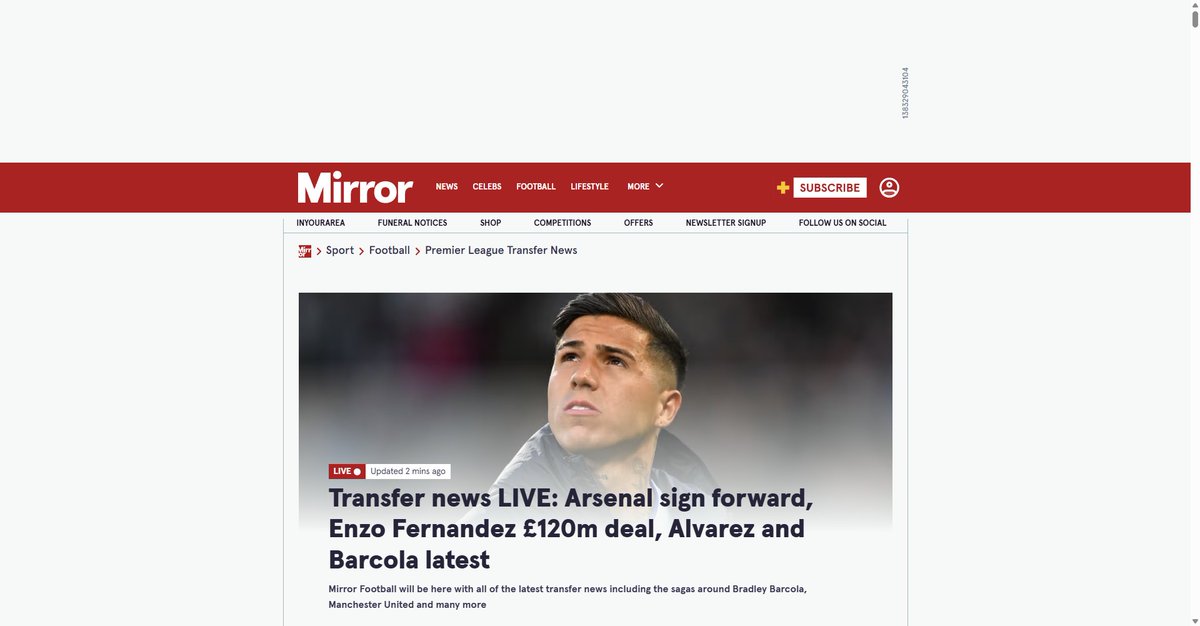
liverpool have reportedly agreed a deal with psg for bradley barcola, guaranteed fee just over £100m with add ons pushing it toward £120m. same week city are finalizing enzo fernandez for basically the same money.
deadline week always turns into this weird auction where every big move lands within days of each other. barcola's 23 and still has upside, but £120m for a winger who hasn't even been first choice at psg all season is a very 2026 kind of gamble.
broadcom is reportedly lining up as much as $70-80 billion in debt just to build the ai chips anthropic and others have ordered. that's not equity, that's borrowed money to build hardware for a company that isn't even public yet.
this is the part of the ai boom nobody screenshots. every flashy model release sits on top of financing deals this size happening quietly between chipmakers and wall street lenders. if compute demand ever slows even a little, this is the layer that gets stress tested first, not the ai labs themselves.
chelsea are letting enzo fernandez go to man city for £120m, three years after paying benfica around £106m to make him their record signing. left out of the squad for a carabao cup tie against luton, and alonso's whole explanation was "our decision from myself and the club."
a world cup winner getting moved on that quietly tells you chelsea's buy first figure it out later era from 2023 didn't actually work, and city picking him up for a fee that would've broken records two years ago barely makes headlines now. transfer inflation is completely unhinged at this point.