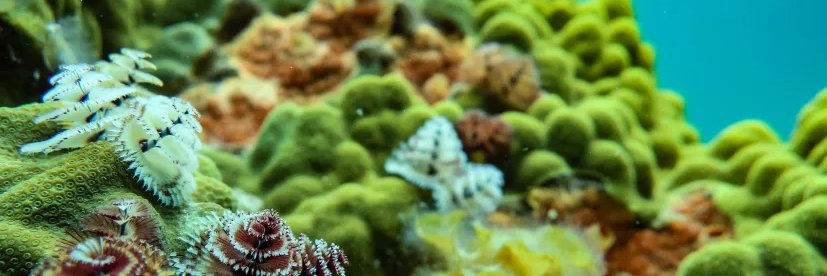
Solving global environmental problems through interdisciplinary collaborative science | Aquatic ecology and conservation from coral reefs to Canadian policy.
Applications are NOW OPEN for Smith Fellows conservation research fellowships beginning in 2025! View the Proposal Guidelines here: https://t.co/nADdq0nvoA
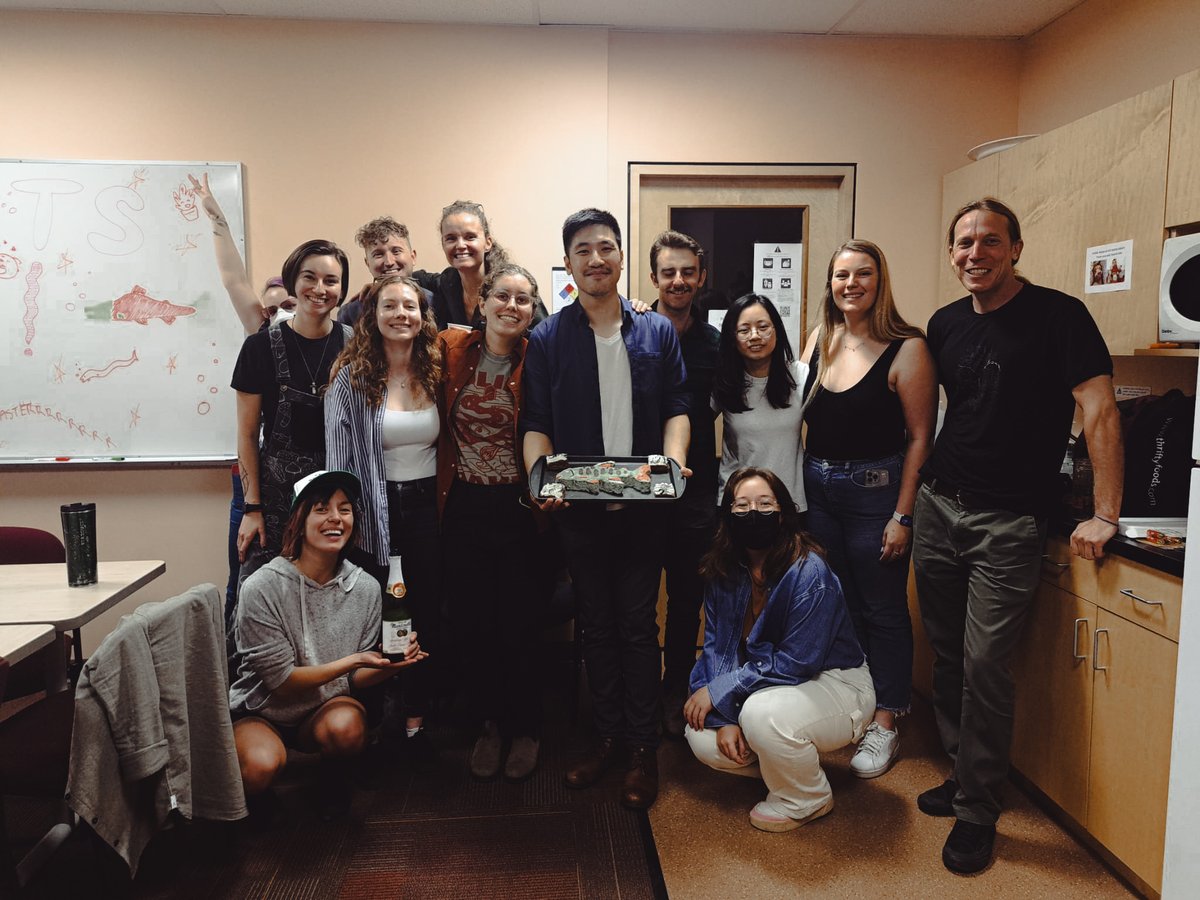
Congratulations to @ElizabethOishi for successfully defending her Masters yesterday! Beth has been an incredible member of the Côt�� lab (@redlipblenny) over the past few years and we cannot wait to see what she accomplishes in the future. @SFUBioSci
New op-ed from @wpalen and the Liber Ero fellows.
"The new amendments to the IAA point clearly toward a regional approach by directing federal agencies to consider 'the cumulative effects of physical activities'”.
Read more: https://t.co/Wa9giXozhP
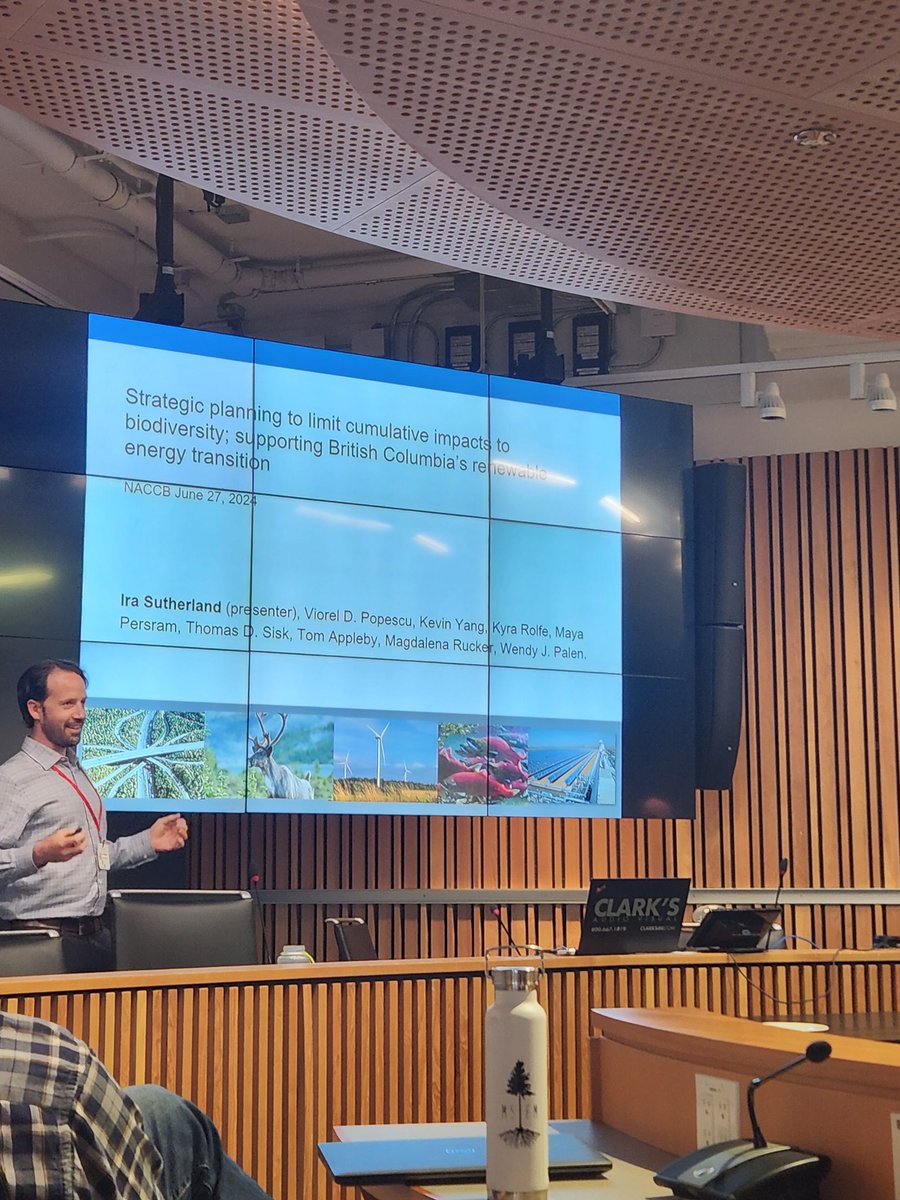
Yesterday at #NACCB2024 Ira Sutherland presented the Palen Lab's work on strategic planning of renewable energy to limit cumulative impacts on the BC landscape.
@SCBNorthAmerica#ConservationBiology
This week is the North American Congress for Conservation Biology! The Palen Lab is volunteering and will be giving a talk about their work on cumulative impacts of renewable energy. @SCBNorthAmerica
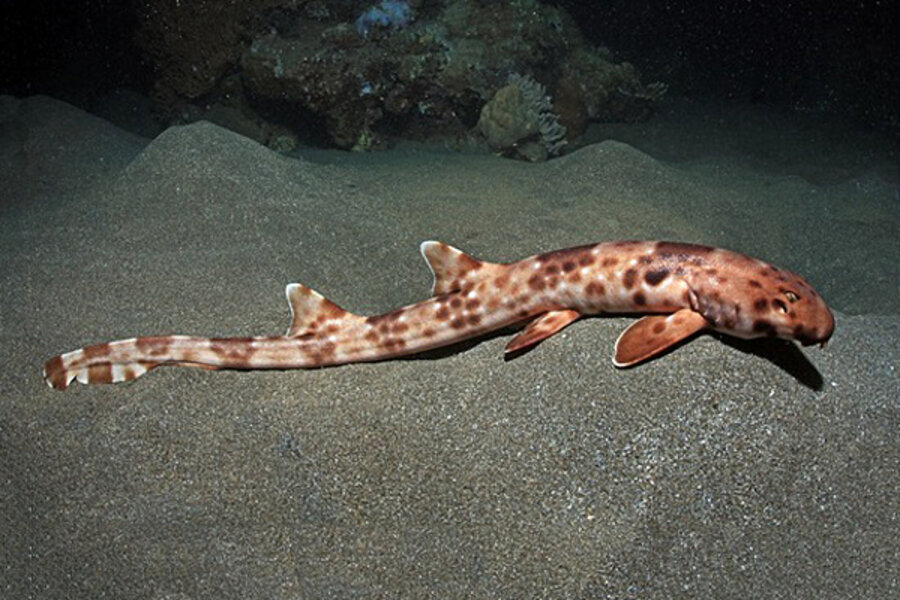
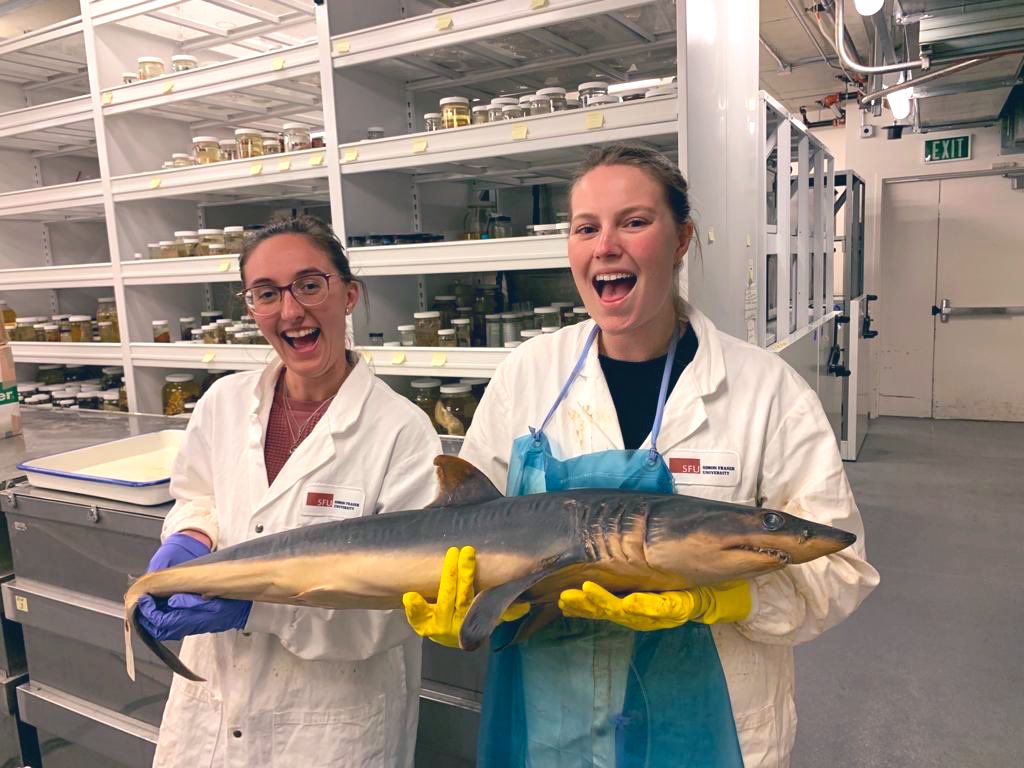
Sharks are widespread throughout the World's oceans occurring in all types of habitats from tropical coral reefs to the arctic deep. To occupy this array of habitats, sharks have adapted many of their traits to become best-suited to meet the demands of their environments.
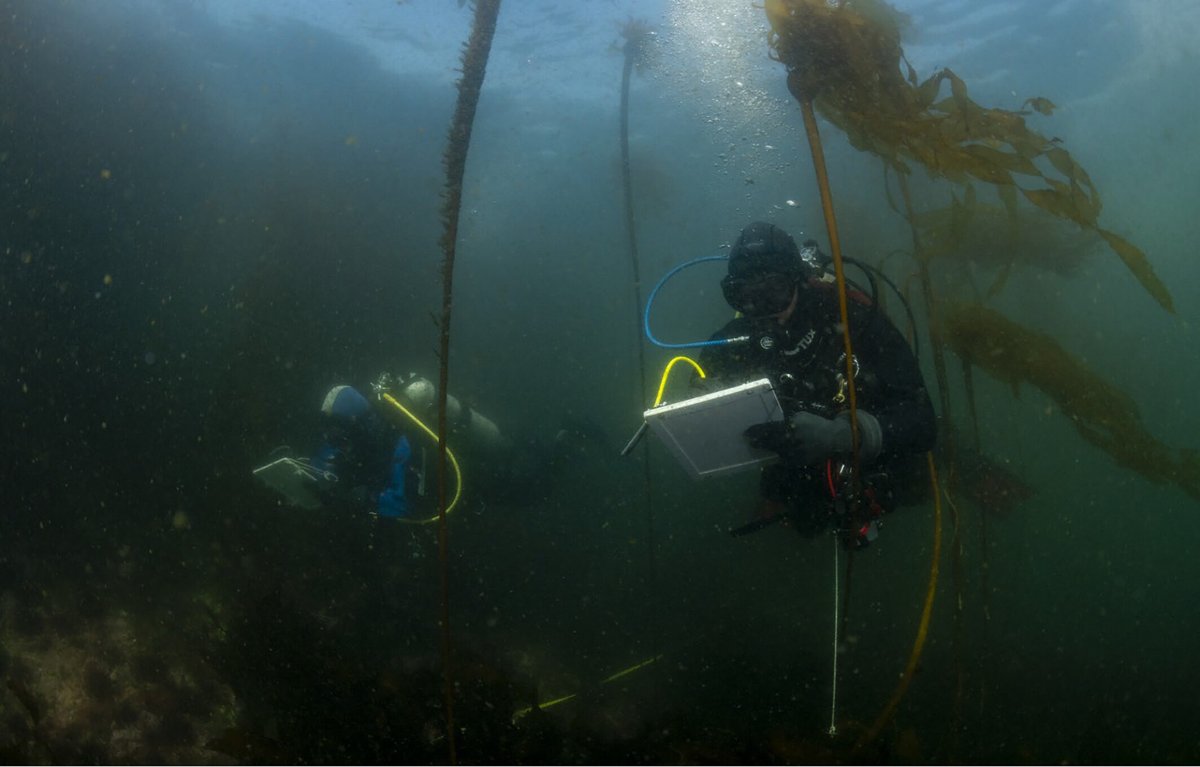
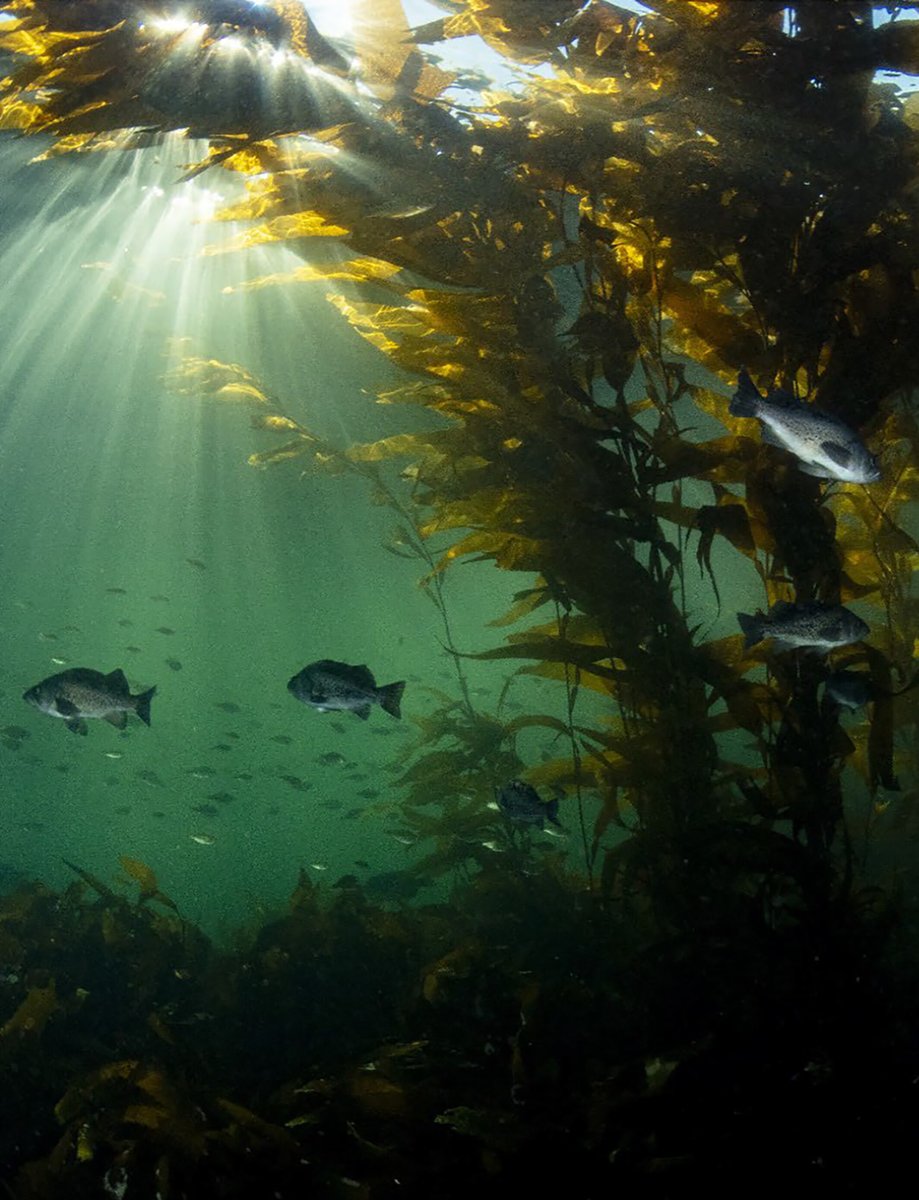
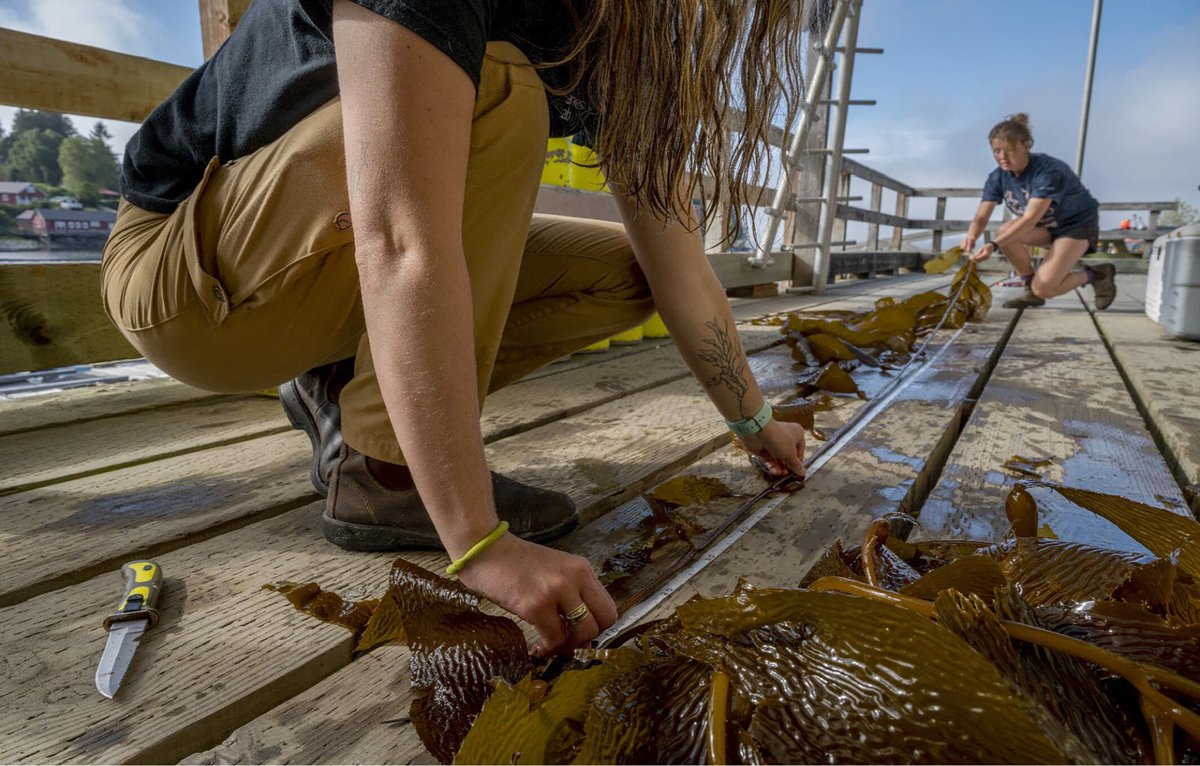
Studying Kelp Forests of Today to Forecast Ecosystems of the Future is now in Fisheries!
This photo essay summarizes our work on changing kelp forest communities, led by @ClaireAttridge
Made possible by @BamfieldMSC, @NSERC_CRSNG, @LiberEroFellows
https://t.co/vOosQVAQu3
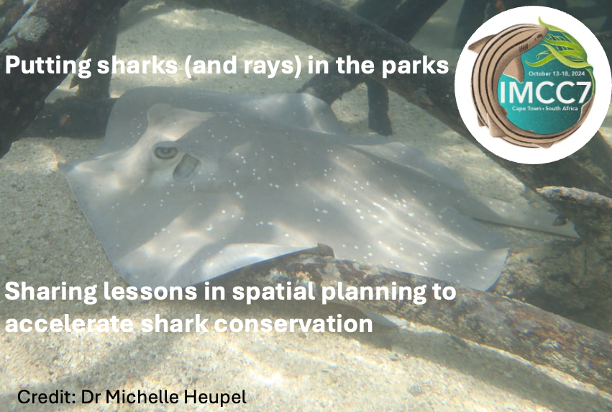
Are you interested in spatial planning to accelerate shark conservation?
Do you have a case study or lessons to share?
Are you going to @SCBMarine's 7th International Marine Conservation Congress #IMCC7
Join our open symposium led by Dr Amanda Lombard and I.
Abstract deadline 11th April.
https://t.co/uq7r6NNVNU
The estuarine growth and residency of juvenile Pacific salmon in North America: a compilation of empirical data https://t.co/moS0ivLwZy
#NewPaper by Michael Arbeider @E2ocean, @Jon_W_Moore & @DFO_Pacific colleagues
This was the culmination of 3 years of work and the help of dozens of people. It couldn't have been done without the advice, guidance, and support of my #salmonwatershedslab, @E2ocean, and @SFUBioSci colleagues! It's been an incredible and humbling journey. (4/5)
The Outreach & Engagement Committee is pleased to host our annual Biology Photo contest! Submit your photos to Peter Hollmann ([email protected]) by Friday October 27!
Enjoy photos from 2022, for Science in Action. Previous Photo Contests can be found in our BISC Kudos page.
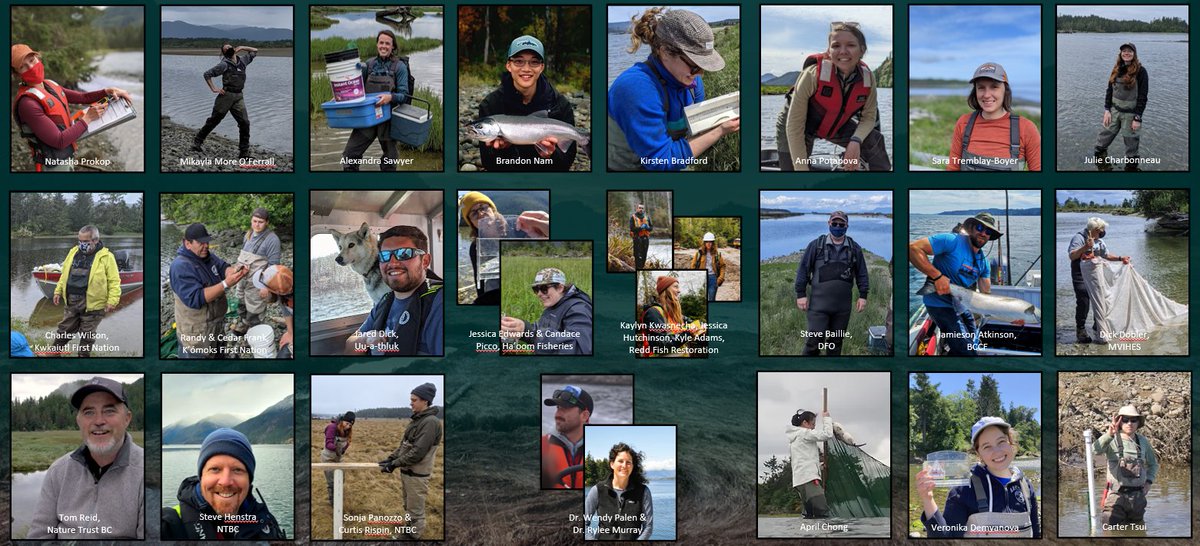
Check out the work my lab (@Jon_W_Moore), @NatureTrustofBC, First Nations, and other partners are doing to study salmon & estuary resilience to climate change on Vancouver Island! Featuring @phoebelee_g
https://t.co/a38Zc5Oqvw
@SFU_Science@SFUBioSci@SFUENV
Our @Raincoast letter in Science on #RBT2 identifies the contradiction between protecting economic growth & biodiversity in 🇨🇦 Fraser River estuary. Watch the video, read the letter & context #canpoli#bcpoli https://t.co/v0nRXgOm2X
Huge congratulations to the amazing @allisonmdennert! Her award-winning publication highlighted the role of salmon in wildflower meadow ecosystem connectivity on the Central Coast 🐟🌸
Read it here:
https://t.co/uBpGmBGJ8E
@Raincoast@SFUBioSci
Congratulations to Allison Dennert for winning the J. Stan Rowe Award for the best paper published by a student in the field of Ecology or Conservation.
https://t.co/WgOi5jMx7j
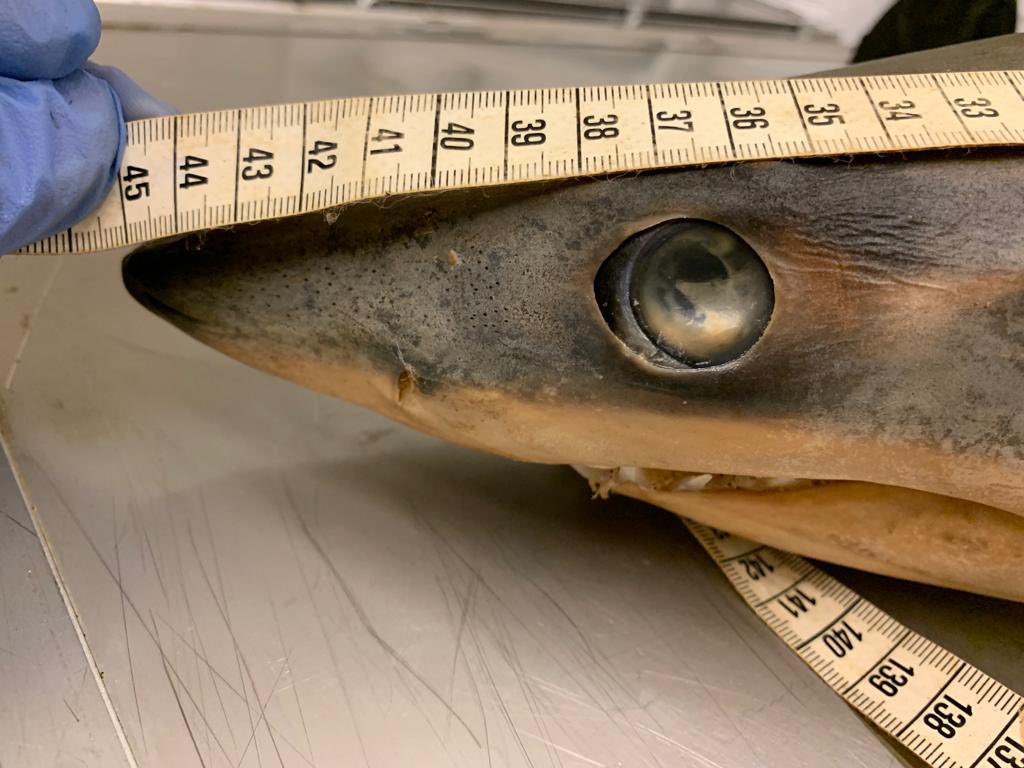
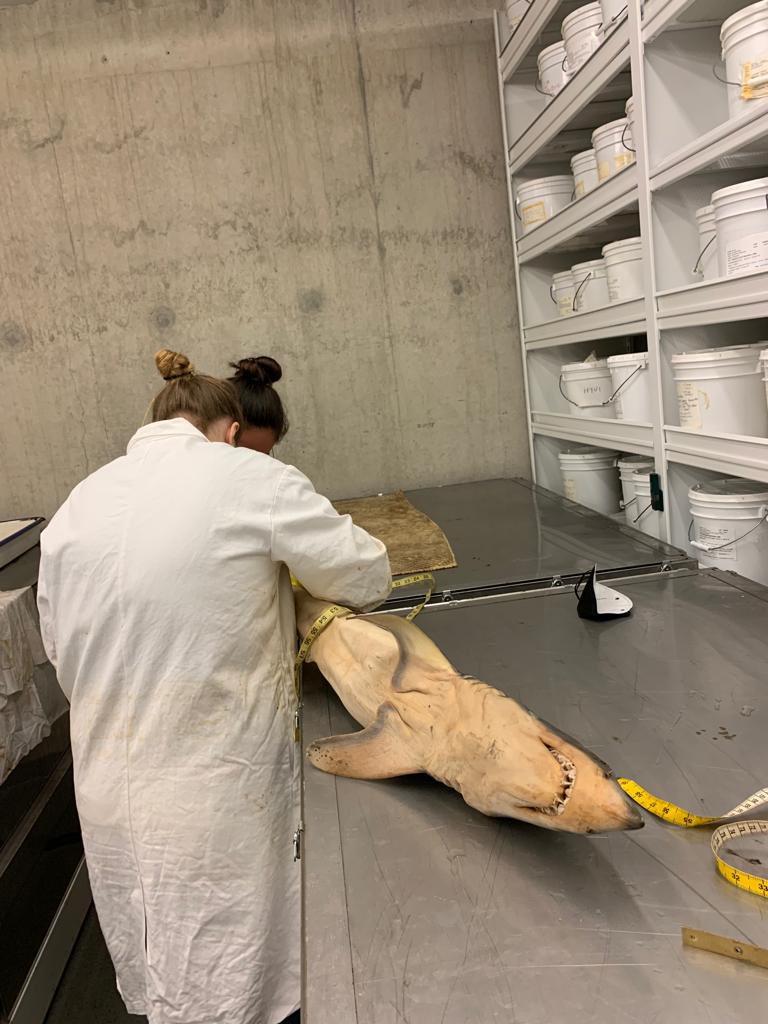
Just another #MakoMonday…
You might know that the Endangered Shortfin Mako is the fastest shark around, but did you know that they also have one of the largest brain-to-body ratios? #sharksnearme