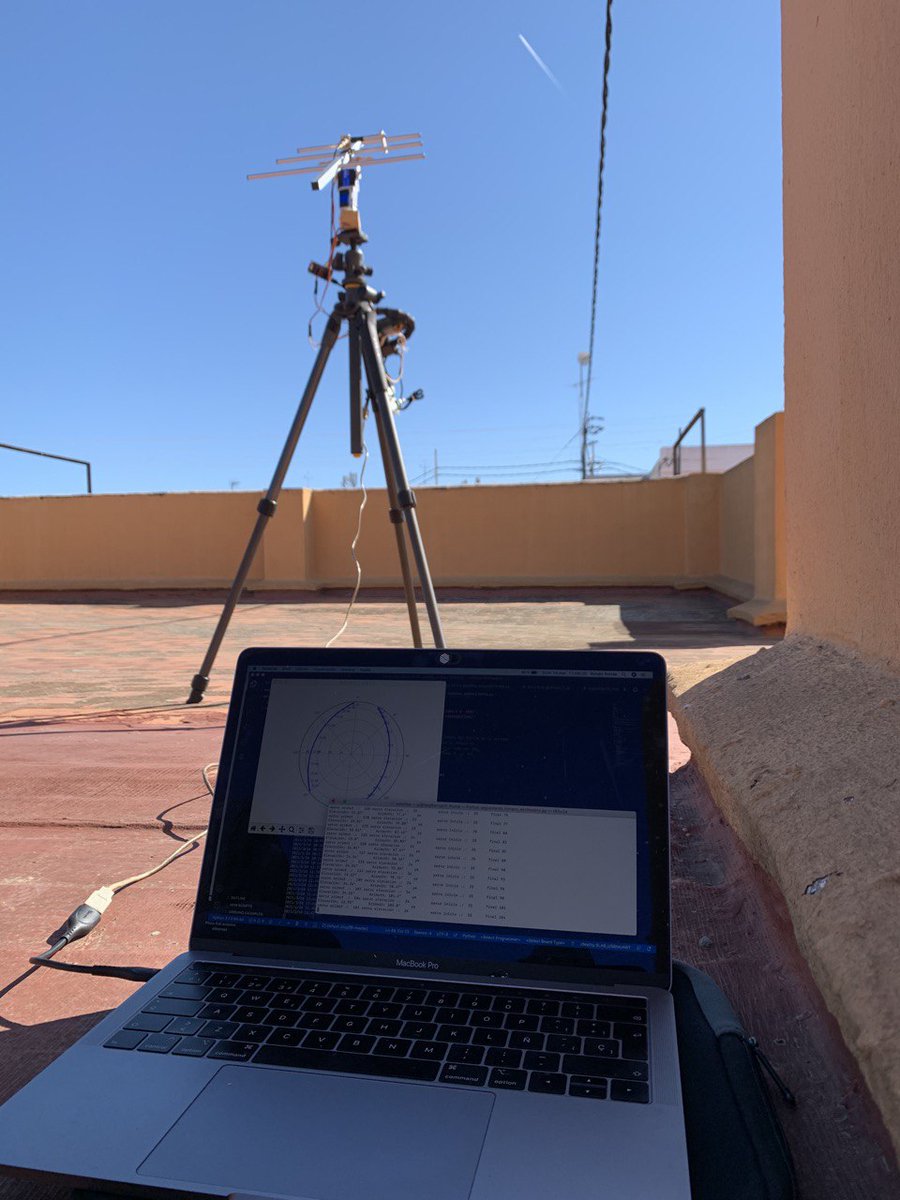
consta de tres programas ...
primero .: actualiza los elementos orbitales de una lista que tu predefines.
segundo .: ves mediante un grafico el pase del satelite seleccionado en un periodo de tiempo
tercero .: mueve los motores servos para el seguimiento
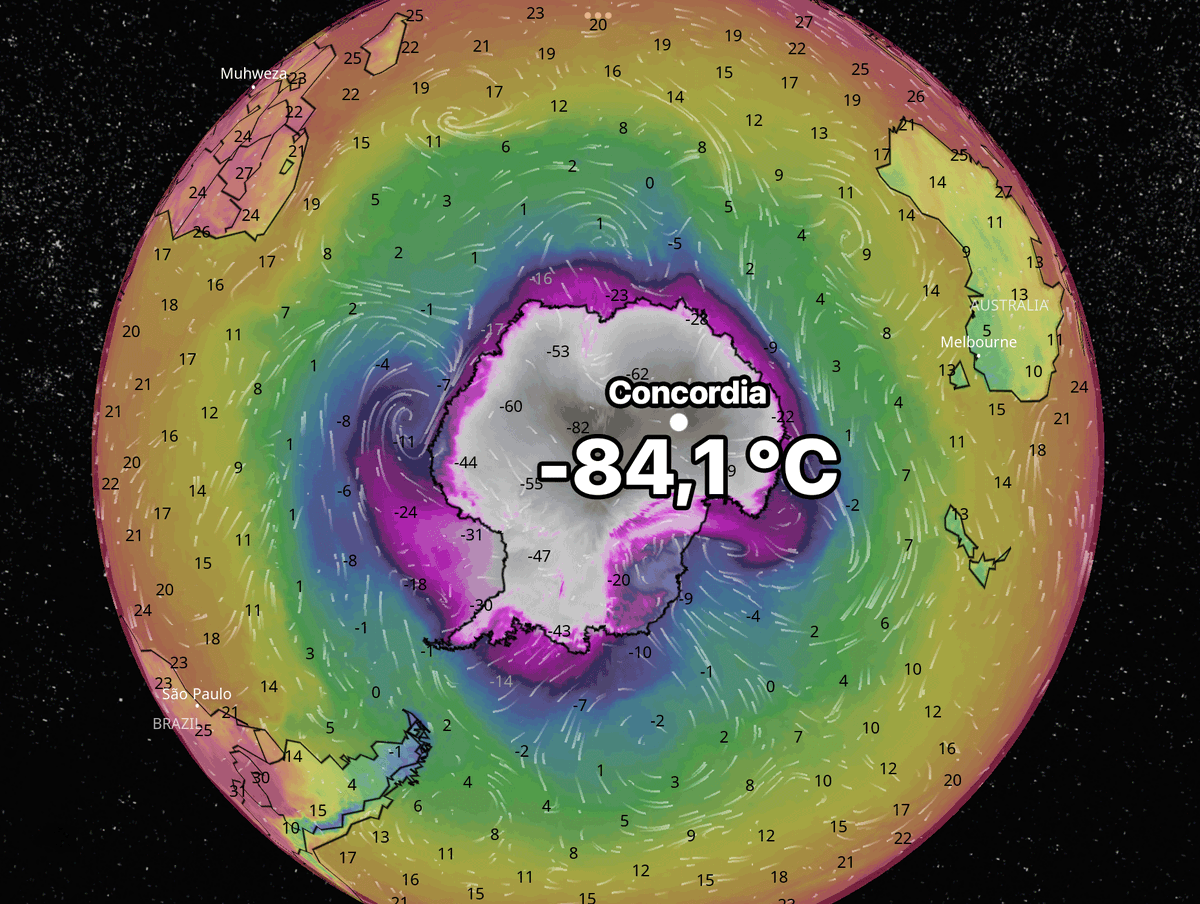
The temperature at Antarctica's Concordia Research Station dropped to −84.1 °C on Saturday, July 18. 🧐 It was the lowest temperature recorded anywhere on Earth since 2012. 🥶
Las fotografías antiguas de eclipses solares tienen una épica y un misticismo diferente.
Esta foto del astrónomo inglés James Tennant corresponde al eclipse de 1868, que a la postre pasaría a la historia por ser el eclipse en el que se descubrió el helio.
Seeing touch without pressing down!
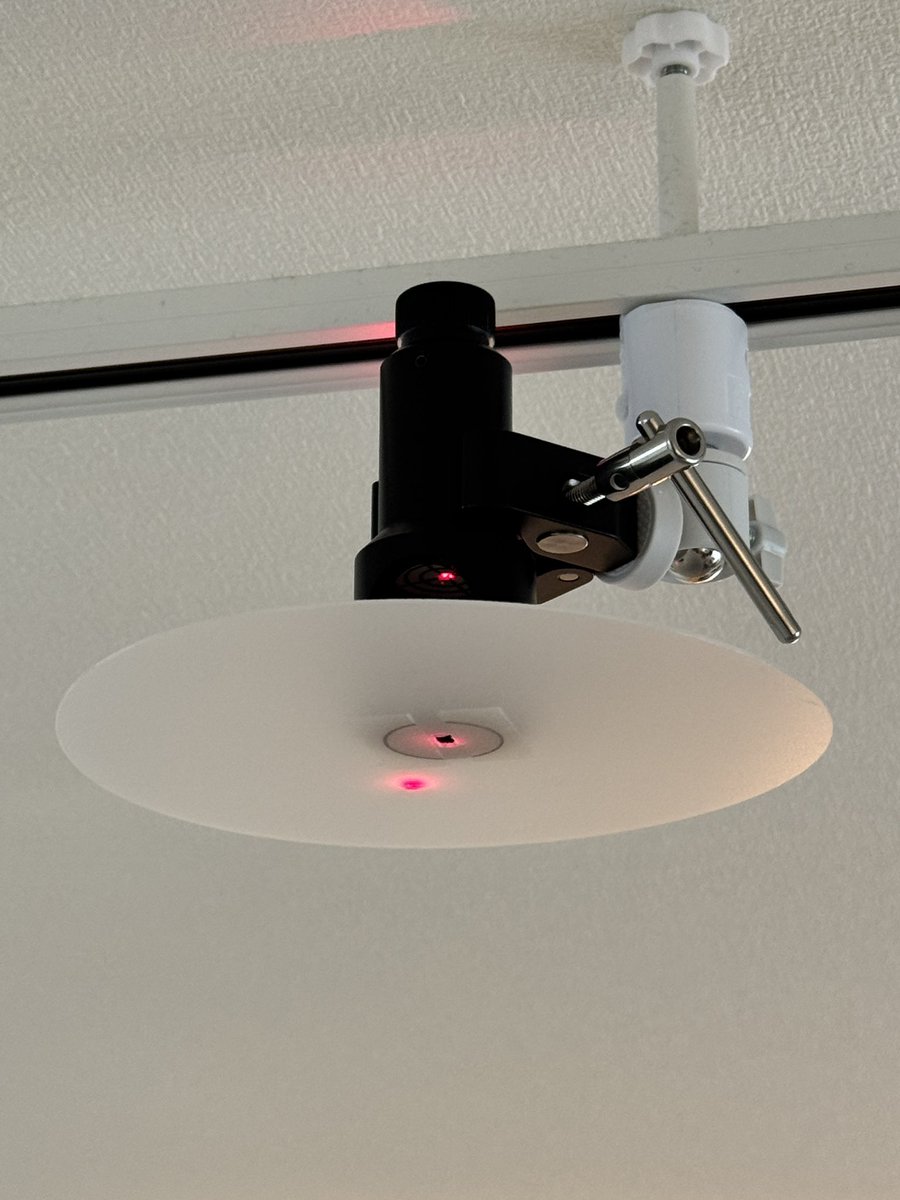
Most tactile sensors rely on deformation.
Press down, deform the sensor, measure the deformation. But light contact, touching water, cream, soft films, doesn't deform anything. The sensor sees nothing.
LightTact flips the approach. It uses optical detection instead. An ambient-blocking configuration suppresses external light and internal illumination everywhere except at actual contact points. Only scattered light from true contact gets through.
The results? High-contrast raw images. Non-contact pixels stay near-black. Contact pixels show the natural appearance of whatever's touching.
This works across material properties, contact forces, surface colors, and lighting conditions. Water, facial cream, thin films, liquids, all become visible the moment they touch.
The sensor outputs spatially aligned visual-tactile images. Vision-language models can read them directly.
Here's the paper: https://t.co/ZCxqFSr6BA
@changyi_lin1 and team - hats off ;)
~~
♻️ Join the weekly robotics newsletter, and never miss any news → https://t.co/GoA3ZuwoPB
El pueblo donde la gente vive bajo tierra para escapar del calor 🏜️🔥
Se llama Coober Pedy, Australia.
Las temperaturas superan fácilmente los 40°C (104°F) en verano, así que muchas personas viven en casas, hoteles e iglesias construidas dentro de antiguas minas de ópalo.
Dentro de las cuevas la temperatura se mantiene en 22°C (72°F) de forma natural.
¿Te imaginas vivir bajo tierra? 👇
🌦️ El visor HARMONIE-AROME incorpora nuevos datos IFS/CEPPM de AEMET:
🌡️ Temperatura a 850, 500 y 300 hPa
💨 Viento con WindGL
🗺️ Geopotencial coloreado e isolíneas
🔀 Compuestos de temperatura, geopotencial y viento
Entrar ya a https://t.co/vKkrk5NbXQ !! :)
China open-sourced a model that reconstructs any scene in 3D from a regular video, in real-time.
one camera. no LiDAR. 10,000+ frames without falling apart.
just walk around with your camera and watch the entire world get rebuilt in 3D at 20 fps.
→ runs at ~20 FPS on a single GPU
→ Stable over 10,000+ frames
→ Beats optimization-based methods on benchmarks
→ Works on drone footage, driving videos, indoor walkthroughs
100% open source.
Humanity’s Footprints, Seen Anew: Artemis II Gazes Upon Apollo 11’s Eternal Legacy
More than half a century after Neil Armstrong and Buzz Aldrin took “one giant leap,” a new generation of explorers has returned to the Moon’s vicinity — and captured a breathtaking modern view of the very spot where it all began.
In stunning high-resolution imagery released from the Artemis II mission, the Tranquility Base landing site comes alive like never before. You can clearly make out the descent stage of the Eagle lander still standing sentinel on the lunar dust, the glint of scientific instruments from the Early Apollo Scientific Experiments Package (EASEP), the historic flag (still casting its shadow), and even the faint trails of bootprints left by humans in 1969 — undisturbed in the airless, timeless vacuum.
These photos, taken during the crewed lunar flyby, don’t just document hardware — they bridge eras. They silence lingering doubts with crystal-clear evidence and remind us how fragile yet enduring those first steps truly were. From the crisp detail of the regolith disturbed by rocket exhaust to the lonely artifacts waiting patiently for future visitors, it feels like the Moon itself is whispering: “We were here.”
Artemis II didn’t just orbit our celestial neighbor — it connected past and future, turning a historic footprint into a living landmark visible to a new generation. The next chapter of lunar exploration is no longer a dream; it’s already looking back at where we started.
Japan's experimental reusable rocket took off and safely landed in a first test flight Saturday as the country seeks to achieve the technology key to cut launch costs and compete in the global space market dominated by SpaceX.
Autonomous tractor for precision spray application! 🍇
@bonsai_robotics acquired Farm-ng in July 2025, merging autonomy software with modular electric farm robots into one company.
But just couple months before the acquisition I had a chance to see Amiga in action in Watsonville, California (pictures in comments).
Amiga Max is an autonomy-first, diesel-hybrid electric platform working in vineyards.
It runs a full spray shift on a fraction of the fuel and labor compared to traditional tractors.
Electric rate controller applies product only where it's needed. Turns and skips? It shuts off automatically. You're not spraying empty space or rows you already covered.
Less chemical wasted. Better for the environment and the bottom line.
Every acre is logged automatically. Full traceability and reporting without manual paperwork. Farmers know exactly what got sprayed where and when.
One operator uses the Bonsai app to plan, watch, and adjust multiple robots.
Autonomous operation means the tractor works consistently without driver fatigue degrading efficiency.
~~
♻️ Join the weekly robotics newsletter, and never miss any news → https://t.co/GoA3ZuwoPB