#TEI#AttributeClassOfTheWeek: att.witnessed provides attributes used to identify the witnesses supporting a particular reading in a critical apparatus. - https://t.co/CVYHKKfnFO
#TEI#ModelClassoftheWeek: model.physDescPart groups specialized elements forming part of the physical description of a manuscript or similar written source. - https://t.co/zmQtaEzVzS
#TEI#ElementoftheWeek: <caption> (caption) contains the text of a caption or other text displayed as part of a film script or screenplay. - https://t.co/Y6bG9mL8as
#TEI#AttributeClassOfTheWeek: https://t.co/3zMAKwWWE8.change provides attributes allowing its member elements to specify one or more states or revision campaigns with which they are associated. - https://t.co/FpwxUiqgZd
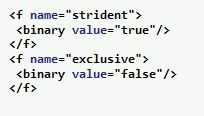
#TEI#ElementoftheWeek: <binary> (binary value) represents the value part of a feature-value specification which can contain either of exactly two possible values. - https://t.co/dYBPh4PAe6
#TEI#ModelClassoftheWeek: model.titlepagePart groups elements which can occur as direct constituents of a title page, such as docTitle, docAuthor, docImprint, or epigraph. - https://t.co/u3mCzivdvJ
#TEI#ElementoftheWeek: <extent> (extent) describes the approximate size of a text stored on some carrier medium or of some other object, digital or non-digital, specified in any convenient units. - https://t.co/8tUL7ZwOVI
#TEI#ElementoftheWeek: <fw> (forme work) contains a running head (e.g. a header, footer), catchword, or similar material appearing on the current page. - https://t.co/7NEEa3hOo3
#TEI#ElementoftheWeek: <domain> (domain of use) describes the most important social context in which the text was realized or for which it is intended, for example private vs. public, education, religion, etc. - https://t.co/CQSMkiJ98b
#TEI#AttributeClassOfTheWeek: att.datable.custom provides attributes for normalization of elements that contain datable events to a custom dating system (i.e. other than the Gregorian used by W3 and ISO). - https://t.co/WnFQ6KTkuN