EAZE Validator is a Japan based Validator Operator securing next generation Proof-of-Stake networks.Phase1 -validator deployment across Cosmos, Ethereum, Solana
Blockchain server configuration involves setting up a node—a specialized computer or virtual instance—to participate in a decentralized peer-to-peer network, validate transactions,and maintain a copy of the ledger.begins with provisioning high-performance hardware infrastructure
A blockchain network is a decentralized,peer-to-peer digital ledger system that records and verifies transactions across a distributed group of computers, known as nodes,without relying on a central authority like a bank or server.Every transaction is bundled together with others
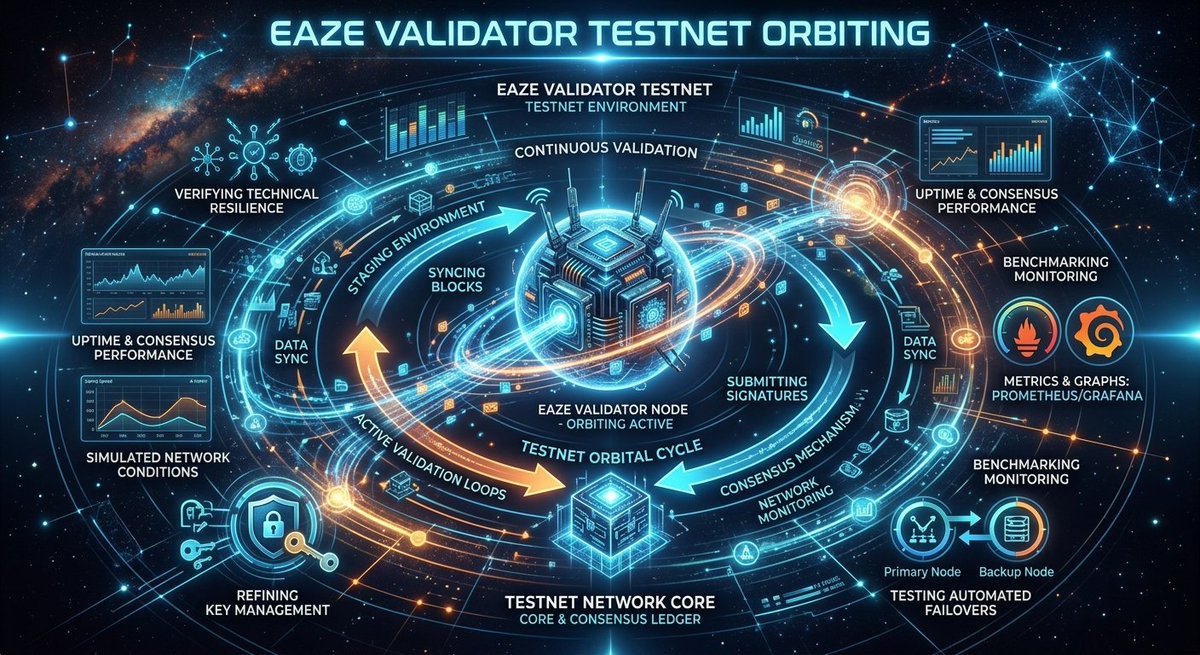
orbiting" refers to the continuous cycle of syncing with testnet blocks, submitting consensus signatures, and actively participating in validation loops across connected chains. Operating within this testnet ecosystem enables node operators to benchmark monitoring frameworks.
At its core, a blockchain operates as a decentralized digital ledger that securely records and tracks data across a network of interconnected computers rather than storing it on a central server. Information is chronologically grouped into distinct "blocks," with each block bound
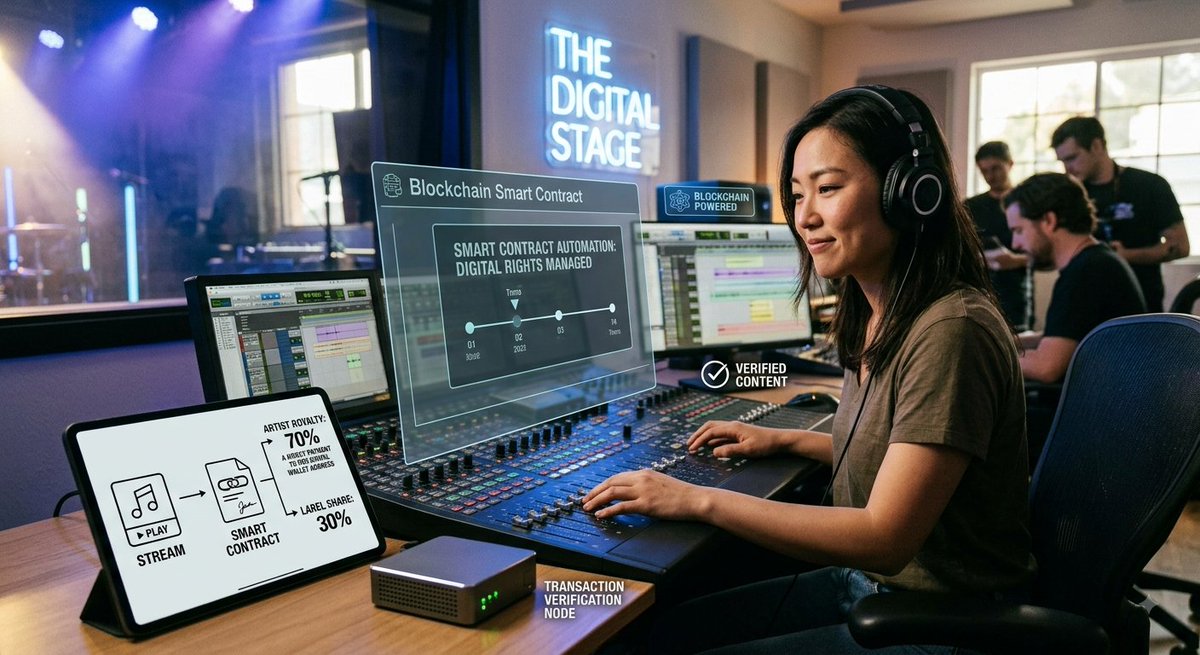
In the entertainment industry, blockchain technology acts as a transparent, decentralized ledger that directly connects content creators with their audiences by eliminating costly third-party intermediaries.
#eazevalidator#Web3#Cosmos#Ethereum#solana#depin#tokens#atom
A blockchain architect relies on a strategic blend of technical infrastructure, operational tools, and learning materials to design, deploy, and scale decentralized solutions. At the core of their technical network resources are the primary blockchain networks to public ecosystem
In the context of blockchain technology, a token is a digital asset built on top of an existing blockchain network rather than operating on its own independent ledger.the primary foundational assets for their respective networks, tokens leverage smart contracts and the security
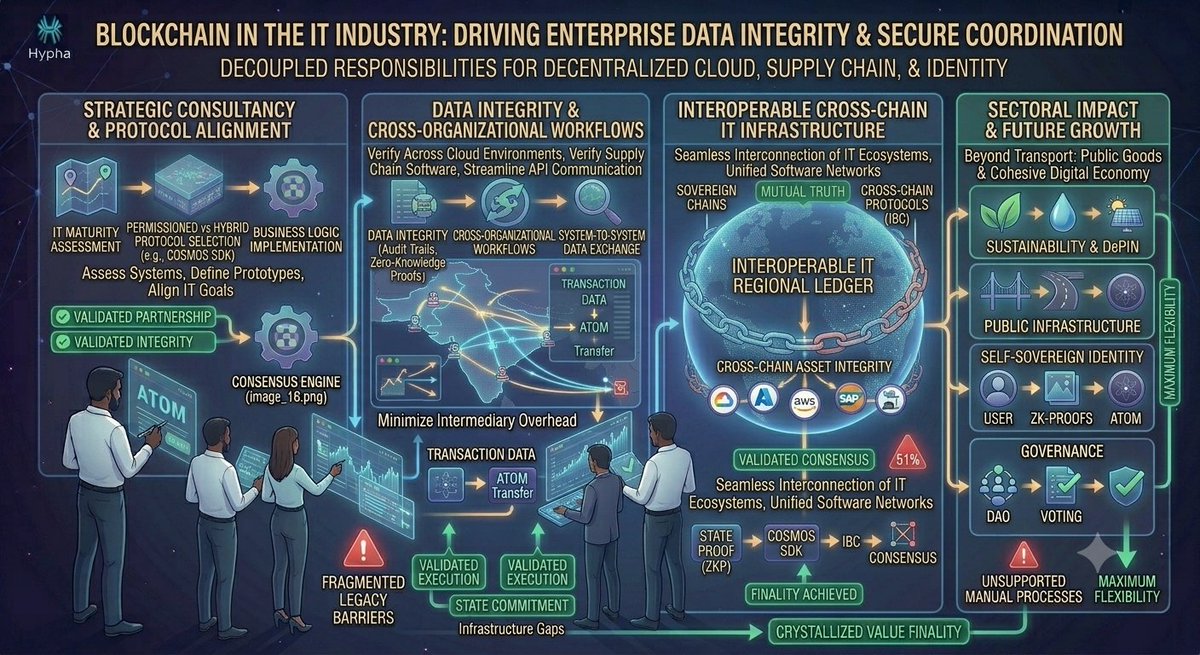
Blockchain technology serves as a foundational layer for enterprise data integrity,secure decentralized architecture,automated multi-party coordination within the IT industry.Moving far beyond its cryptocurrency roots, IT organizations integrate permissioned and hybrid blockchain
An SSH Graphical User Interface (GUI) is an accessible application that replaces traditional command-line terminal interactions with a visual workspace for remote server administration. Instead of manually entering terminal commands to open connections, transfer files.
the live status of the Eaze Validator Testnet node operating on a Cosmos Inter-Chain Security (ICS) provider testnet. The validator is currently running in an active status, safely operating with the specific operator address cosmosvaloper1tz7lr0dfg8849lduuwzt4valqfxw95v902ea2q
Blockchain EV refers to intersection of blockchain technology and Electric Vehicles, an emerging framework designed to decentralize energy management,secure vehicular identities, and automate green energy transactions,treats an electric vehicle as an autonomous economic agent.
Managing a blockchain server particularly a production grade validator node demands a highly disciplined approach to infrastructure, security,and continuous system monitoring, blockchain nodes operate in real-time, globally synchronized environments where even minute synchronised
the Cosmos and CometBFT ecosystem, infrastructure security relies on a distinct three-layer key architecture designed to isolate operational responsibilities, protect capital, and mitigate catastrophic network penalties. The first layer is the Consensus Key, or Tendermint key.
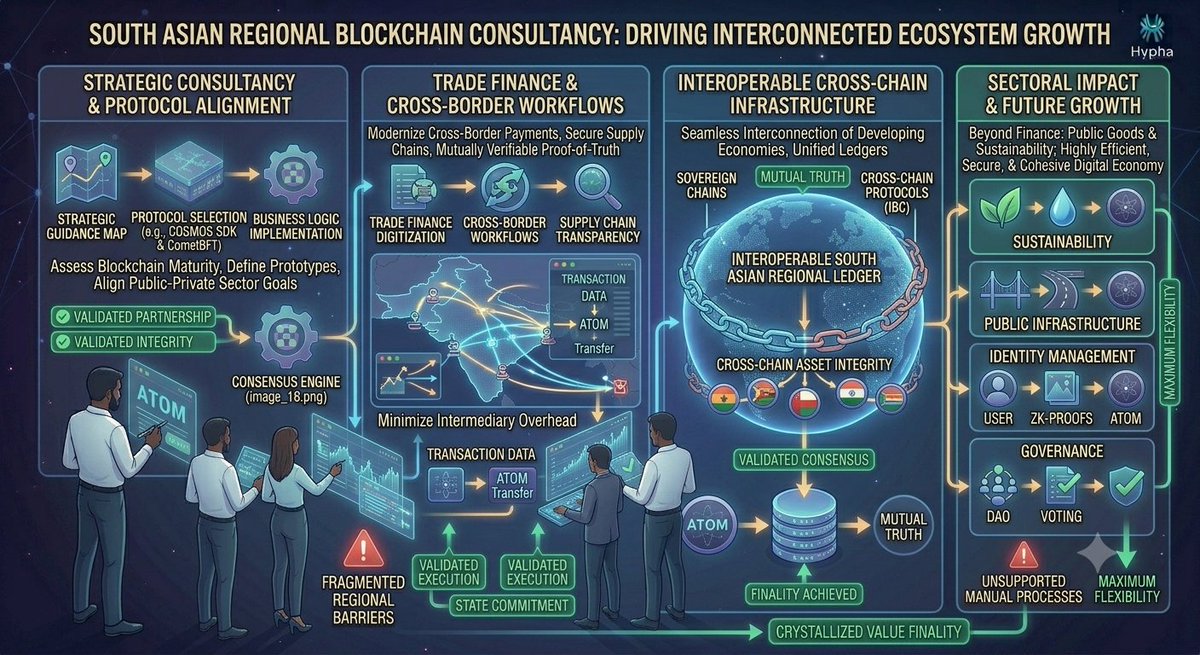
Deploying a smooth, expert blockchain consultancy framework within the South Asian regional context is highly strategic for driving interconnected ecosystem.Currently, the region faces cross-border economic fragmentation, differing national regulatory approaches to digital assets
Traditional staking requires a user to lock up their crypto assets, ATOM,within a protocol or with a validator node to participate in consensus and earn staking rewards. Liquid staking addresses this capital inefficiency by introducing tokenized wrapper around the locked assets
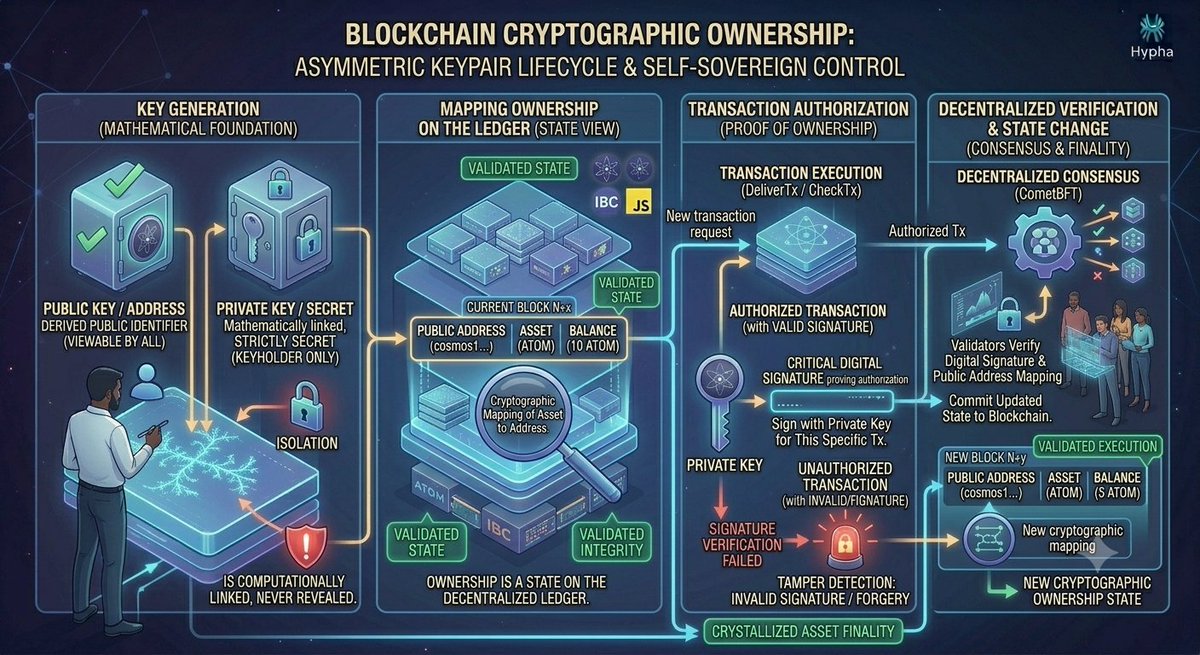
A digital signature in blockchain is a mathematical mechanism used to verify the authenticity,integrity, and non-repudiation of transactions on a decentralized ledger.When a user initiates transaction such as transferring cryptocurrency or executing a smart contract—their wallet.
Blockchain cryptographic ownership is the mathematical paradigm that enables true, self-sovereign control over digital assets on a decentralized ledger without the need for a trusted intermediary, relies entirely on asymmetric cryptography, where each participant holds a unique.
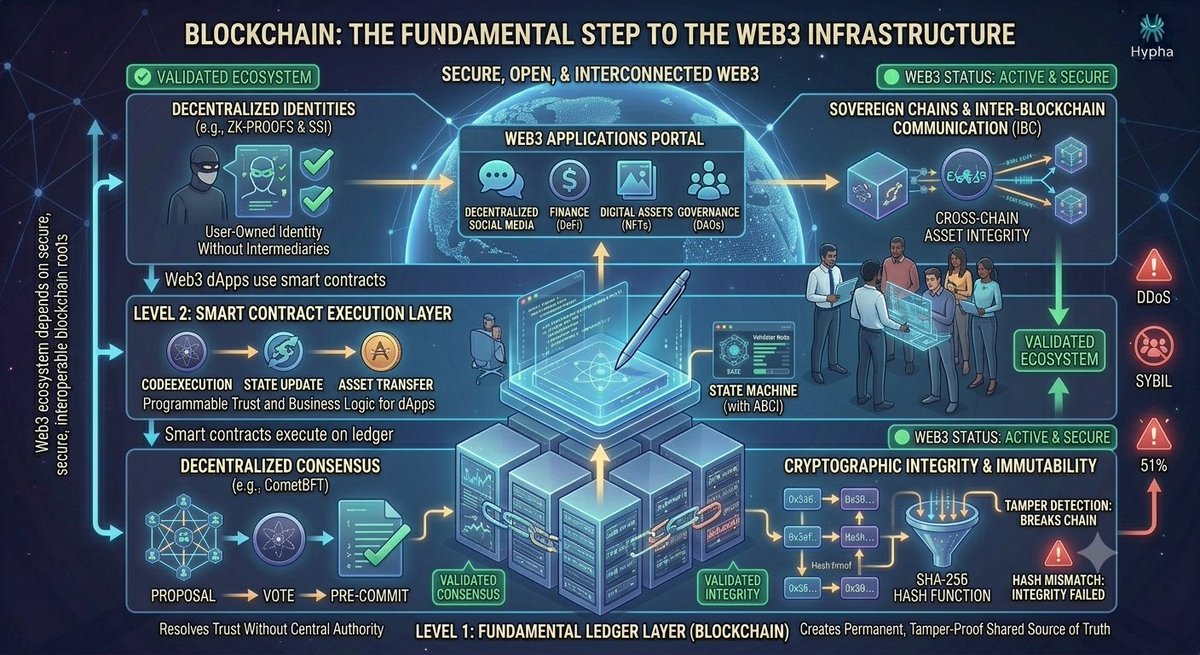
In the transition to Web3, blockchain serves as the fundamental execution layer that shifts the internet from a centralized infrastructure controlled by isolated tech conglomerates to an open, trustless web owned by its participants. Web3 integrates public ledger architecture.
Blockchain serves as a foundational paradigm shift for the future of distributed databases by resolving the historical challenge of maintaining data synchronization and trust among completely independent, decentralized nodes without relying on a central administrator.
#blockchain
Blockchain cryptography serves as the foundational security bedrock of decentralized networks,utilizing advanced mathematical algorithms to guarantee data integrity, privacy, and authentic ownership without relying on a central authority relies heavily on asymmetric cryptography.