Before a single brick is laid, the law requires every building to be assigned a class.
Under Schedule II of the Building Control Regulations, 2020, all buildings fall into one of three categories:
https://t.co/eaCoCnqlvO
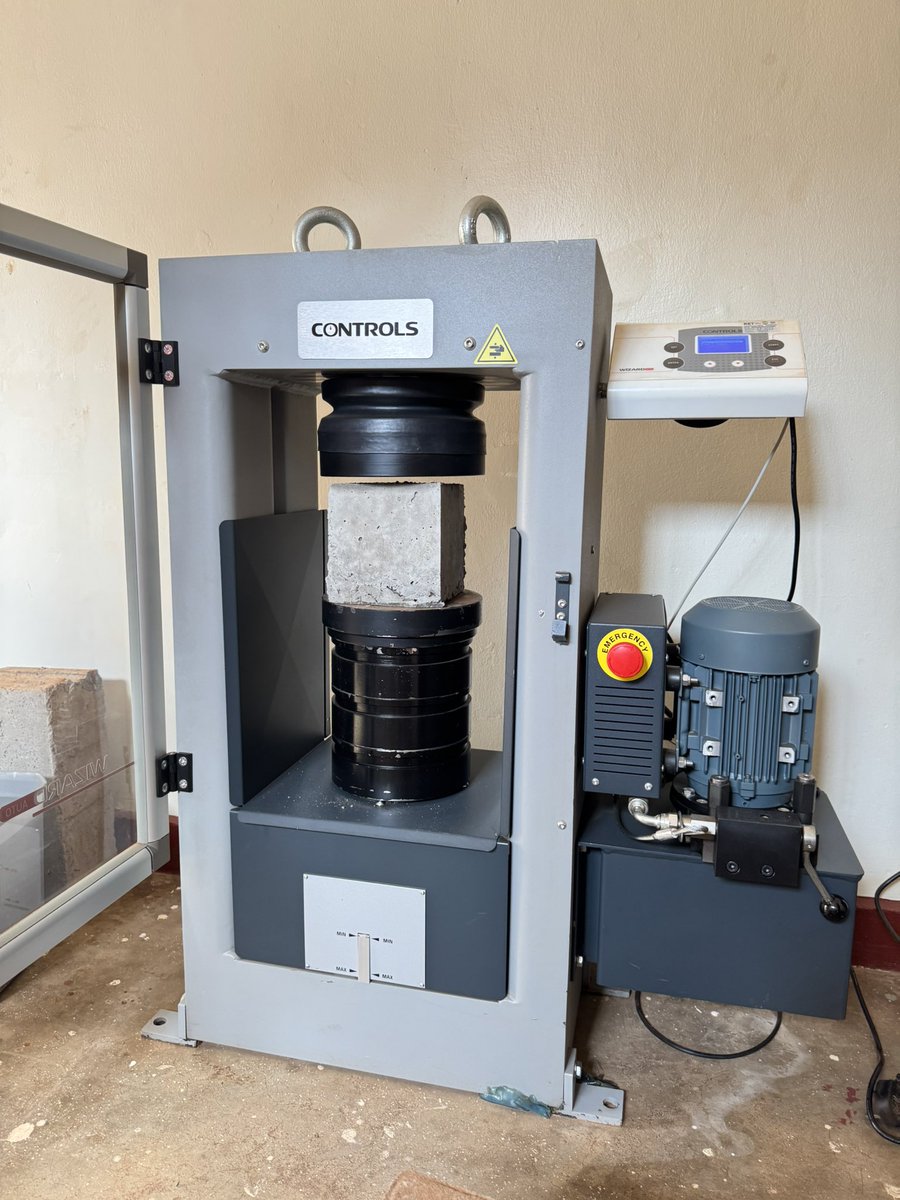
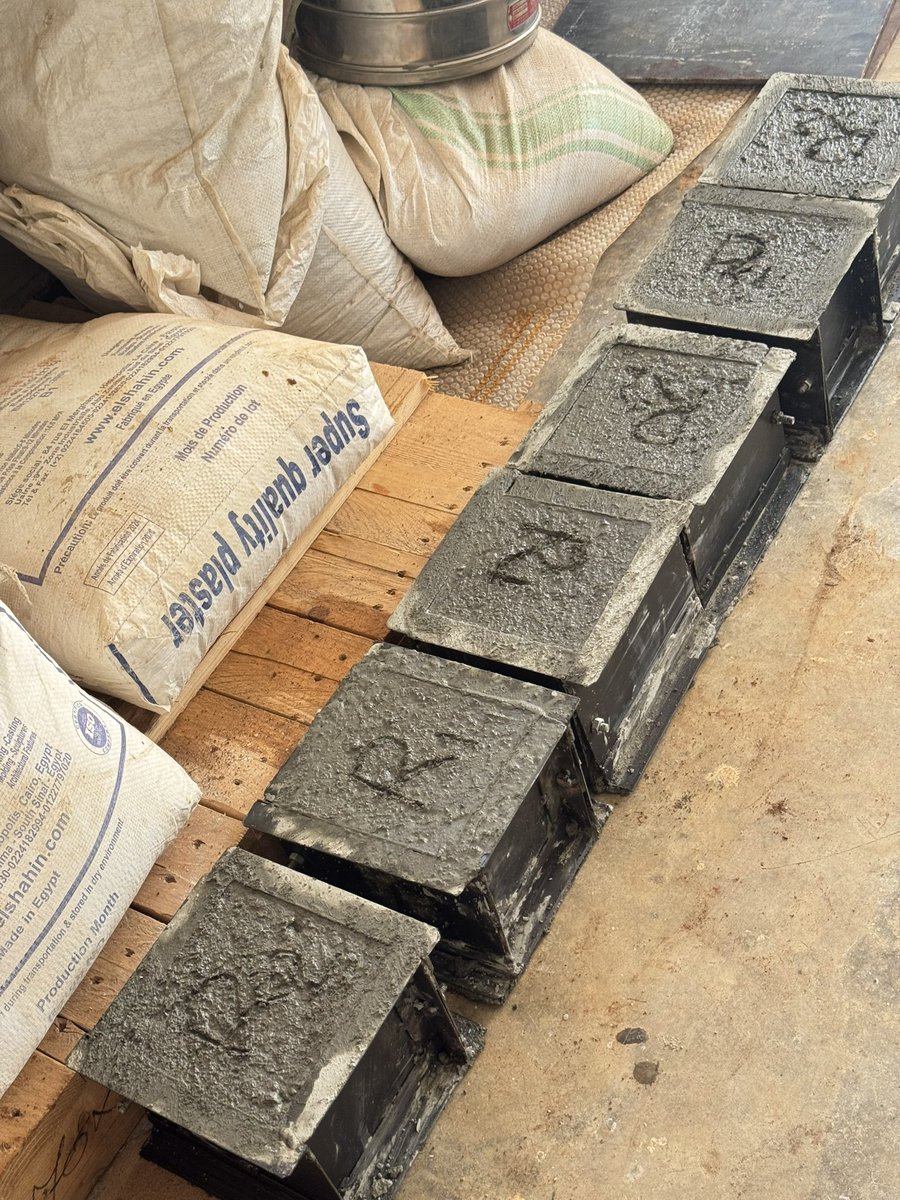
And we run an accredited construction laboratory.
Certified material & concrete testing to Ugandan, BS, EN & ASTM standards. With the Building Control (Amendment) Act 2025 making QA mandatory for occupation permits, we’re the industry’s compliance partner.
📞 +256 393 240 090
What if your contractor, supplier, and lab were the same company? 🏗️
At Eco Concrete Ltd, that’s exactly how we work. We deliver full-cycle construction under one technical roof.
Design. Structure. Finish. MEP.
1/3
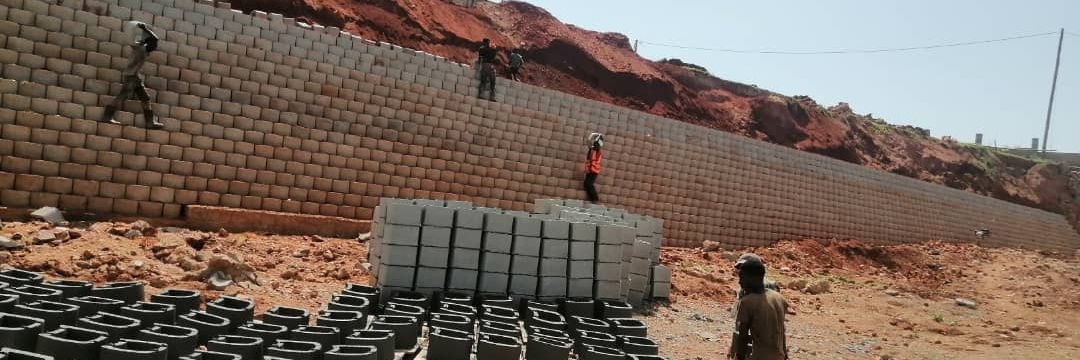
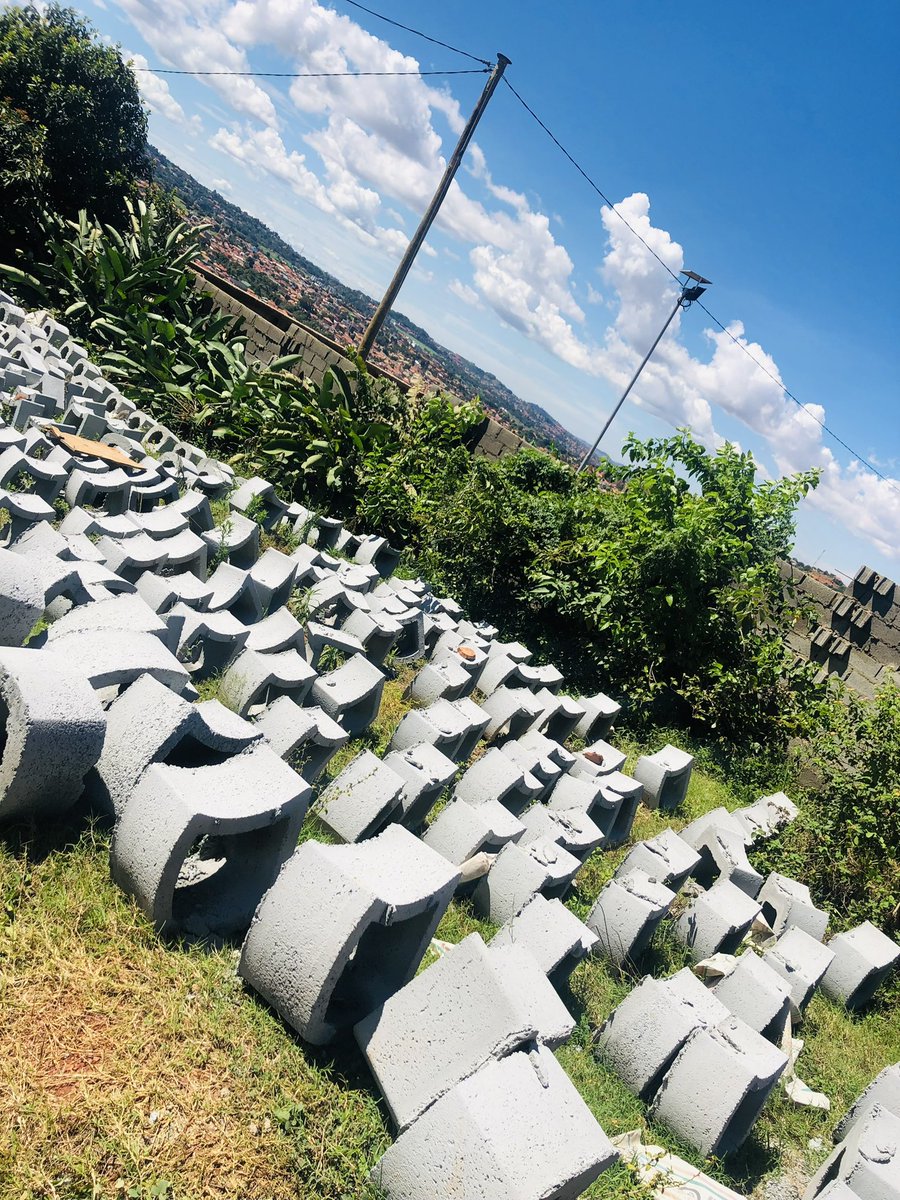
We also manufacture precast concrete - on your site.
Our mobile production fleet delivers 10,000+ blocks daily, plus pavers, kerbstones, pipes & fresh concrete.
No transport costs.Production goes where the project is.
https://t.co/FuTSNueI7F
2/3
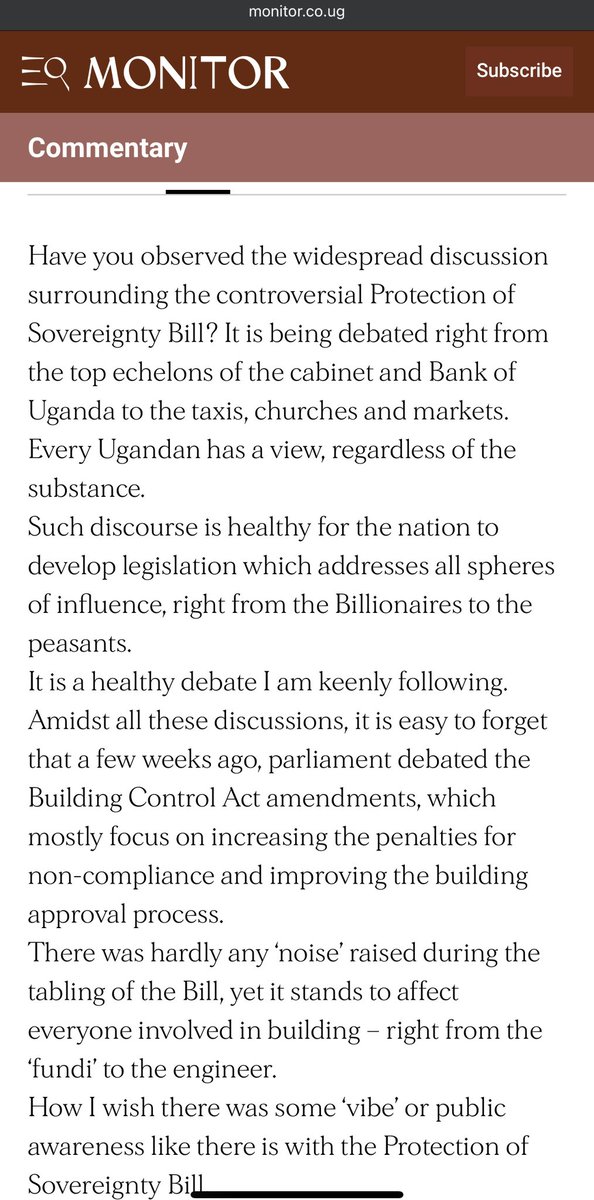
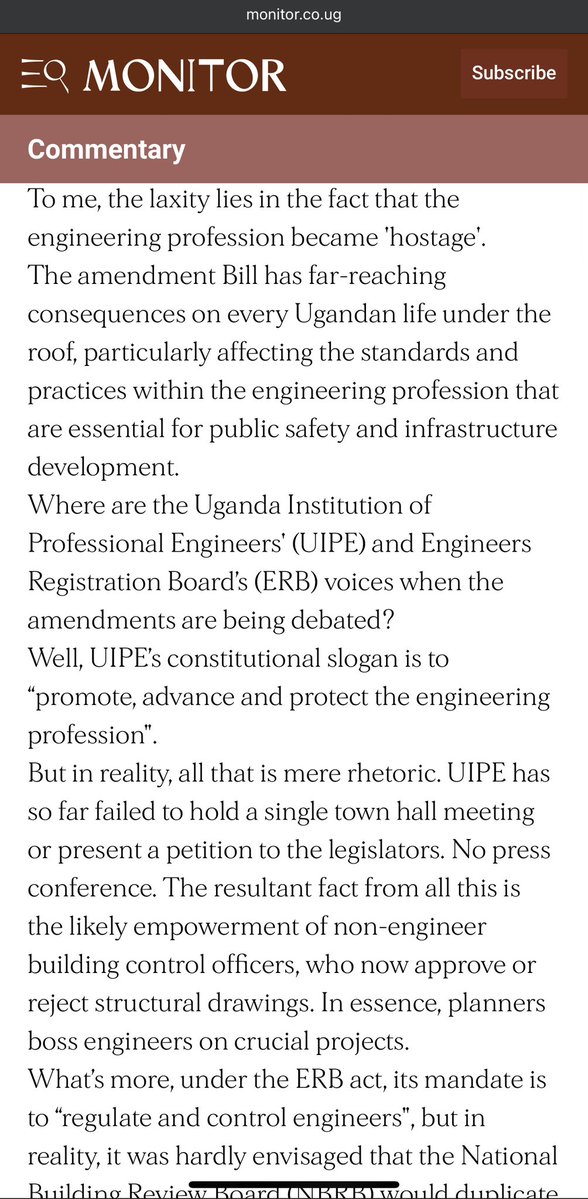
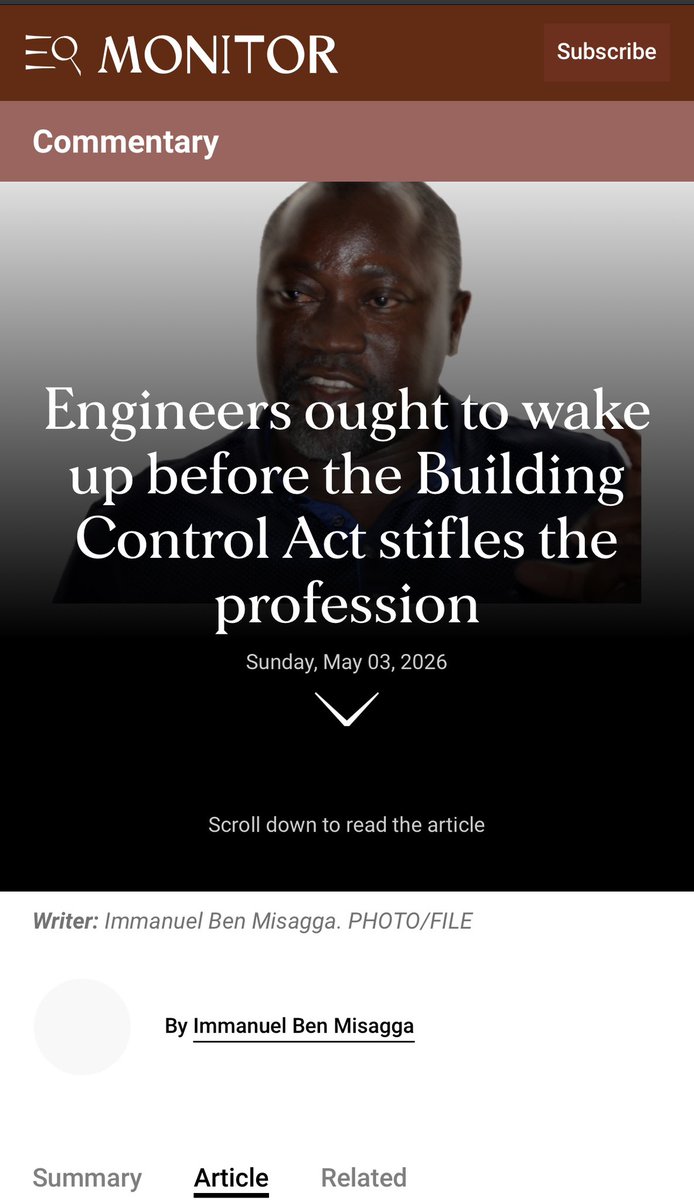
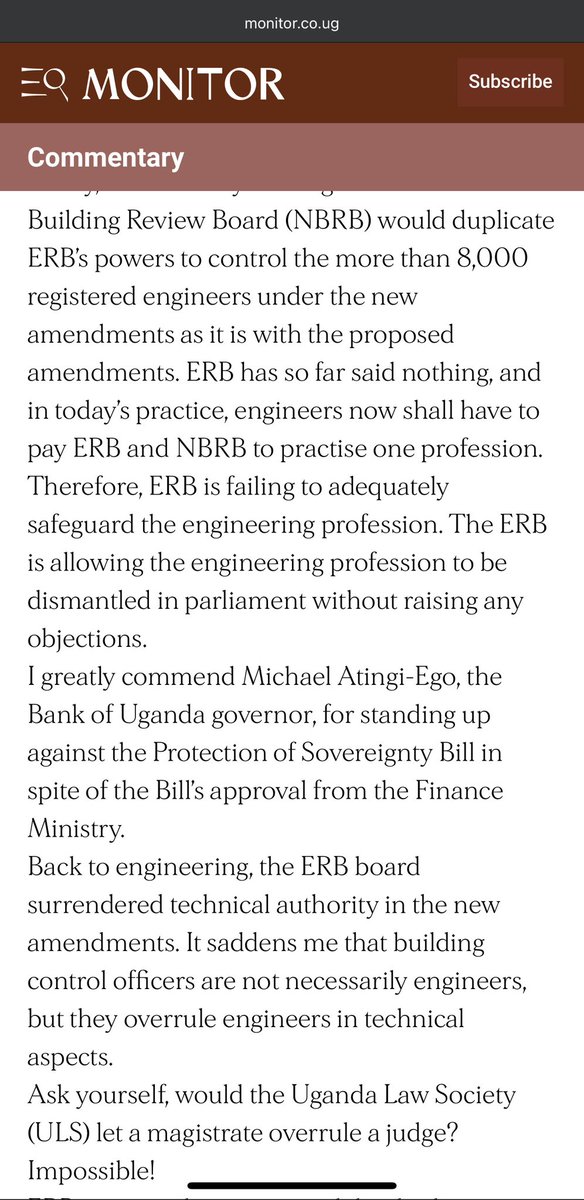
A recent Daily Monitor piece by @BenMisagga reflects on what these
amendments could mean for practice , clearing stating the role of proffesional bodies like UIPE, ERB , and NBRB.
Worth a read for anyone in the built environment and for anyone invested in how Uganda builds
Have we been loud enough about the amendments to the Building Control Act?
While the Protection of Sovereignty Bill has dominated conversation, changes that directly affect how we design, approve, and build have passed with far less attention.
1/2
https://t.co/vOpKV08ud6
The more complex and public-facing your building, the higher its class and the greater the regulatory responsibility that comes with it.
For a deeper breakdown, read Issue 004 of #TheConcreteCorner@ecoconcreteUG
https://t.co/Oi5mHwIid6
Before a single brick is laid, the law requires every building to be assigned a class.
Under Schedule II of the Building Control Regulations, 2020, all buildings fall into one of three categories:
https://t.co/eaCoCnqlvO
Class C - Minor and temporary structures below 30m². Kiosks, stalls, shacks.
Your building class also determines your permit fees - calculated by size, location, and class. A Class A building in a city attracts UGX 2,200 per square metre. Class C carries a flat rate of UGX 500K
In Kampala, a ready-mix truck can receive “LabCrete” at the batching plant and leave “YoloCrete” at the construction site. A little water added on the road, a little waiting time in traffic, a little washout dumped where it shouldn’t be, and the concrete system quietly breaks.
That is why the ready-mix sector is growing fast, yet a credibility gap is emerging in performance, durability, and trust.
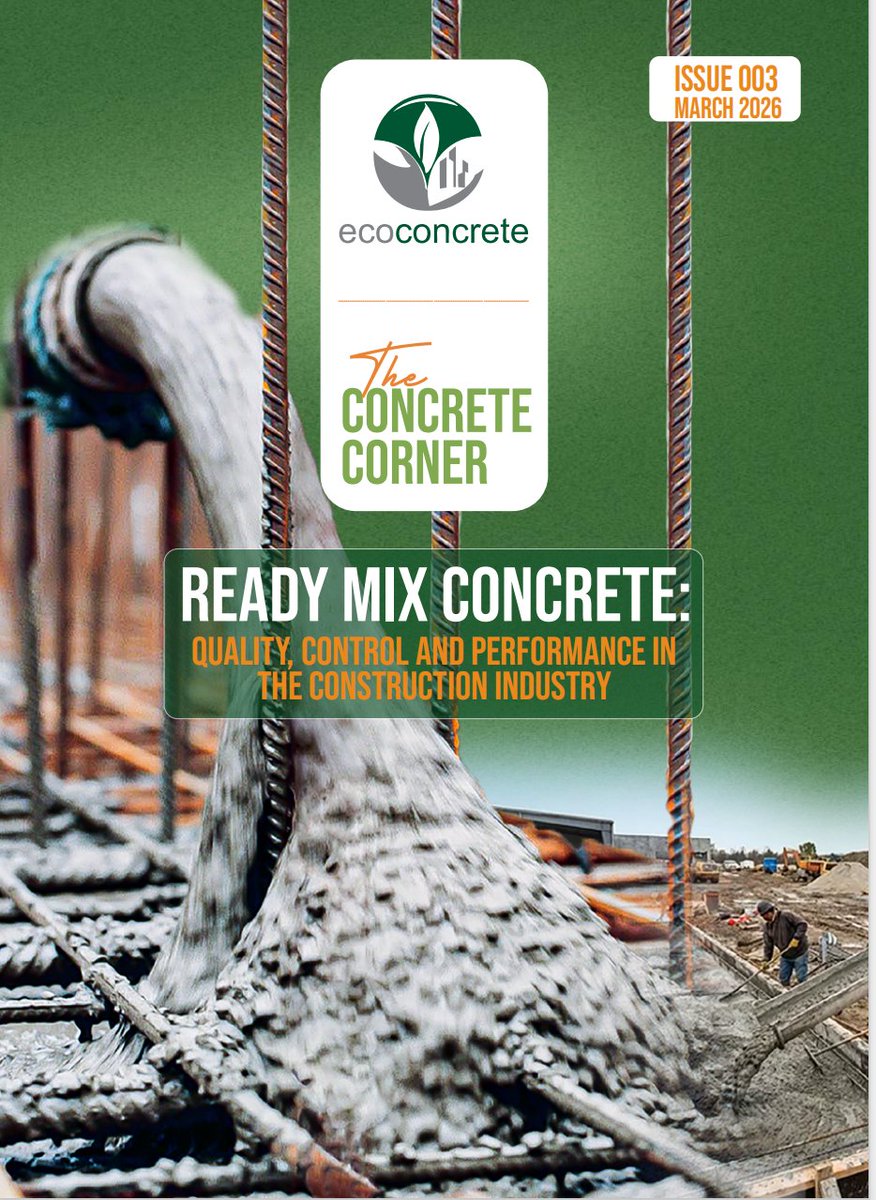
We have published The Concrete Corner - Issue 003 (March 2026) by Eco Concrete Ltd, focused on ready-mix concrete quality control and real site performance in Uganda’s cities.
Read the full issue here: https://t.co/y6dx2KFPFo
If you want every issue as it drops, click Subscribe on The Concrete Corner page.
And if you’ve seen good practice or bad practice in ready-mix (water addition, delayed pours, washout dumping), share a photo or a short field note. We’ll publish selected lessons in the next issue.
The Concrete Corner Issue 003 is out.
This edition focuses on ready-mix concrete- why it matters, where it goes wrong, and how to get consistent quality on site.
Explore the full issue here 👇
#ConcreteCorner#ReadyMixConcrete#ConstructionQuality
https://t.co/EgzZTZjCod
Guarantee your concrete strength with independent, standards-compliant QA. We provide on-site supervision, controlled sampling, cube casting, and lab testing, backed by clear documentation for approvals. QC services include monitoring, traceability, and reports for compliance.!
We now have a simple online calculator that estimates the true cost of producing blocks on site, covering materials, labour and mobilisation. It helps clients compare on-site production with purchasing blocks from a yard, using real cost drivers instead of guesswork.
Try it here: https://t.co/VrWnBiZZ2X
Transporting blocks is one of the most invisible costs on a construction project.
Most developers don't realise they can spend millions of shillings just moving blocks from a yard to site.
That's one of the reasons we started doing things differently.
Producing on site ...!!
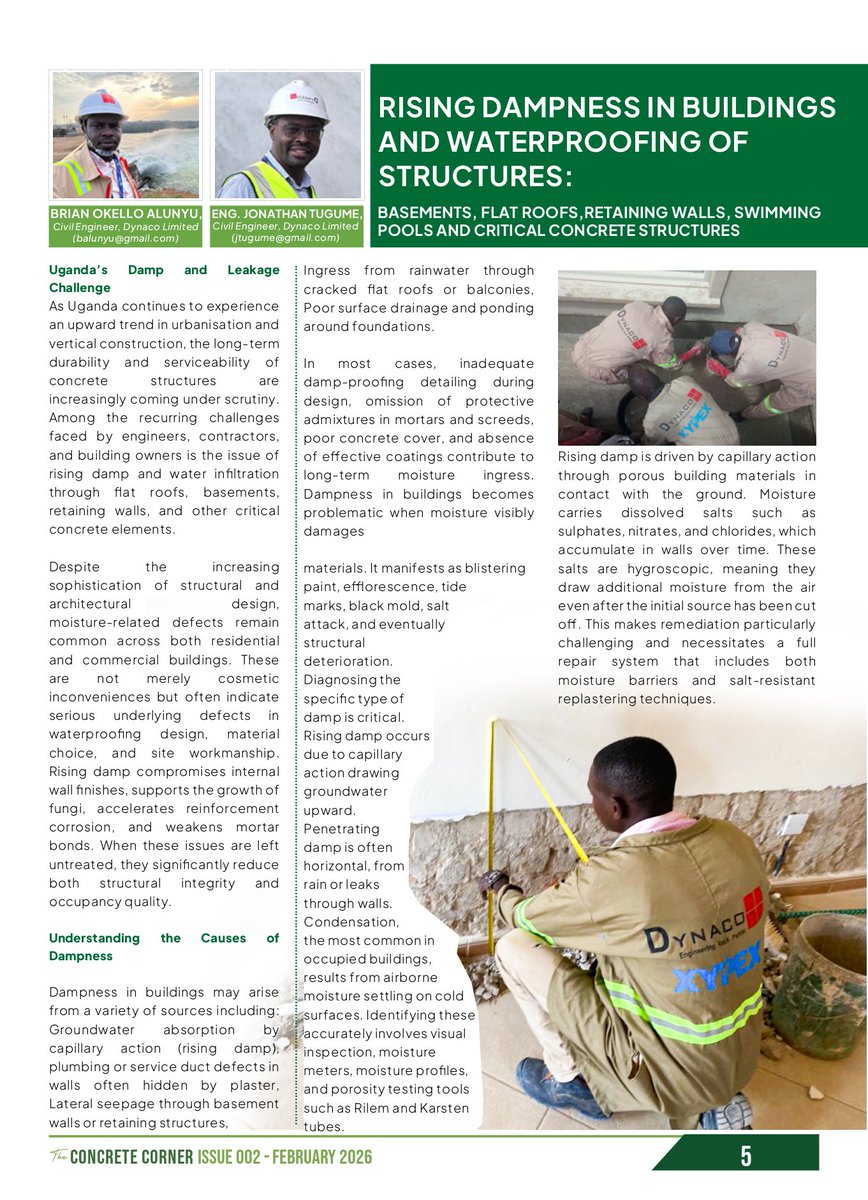
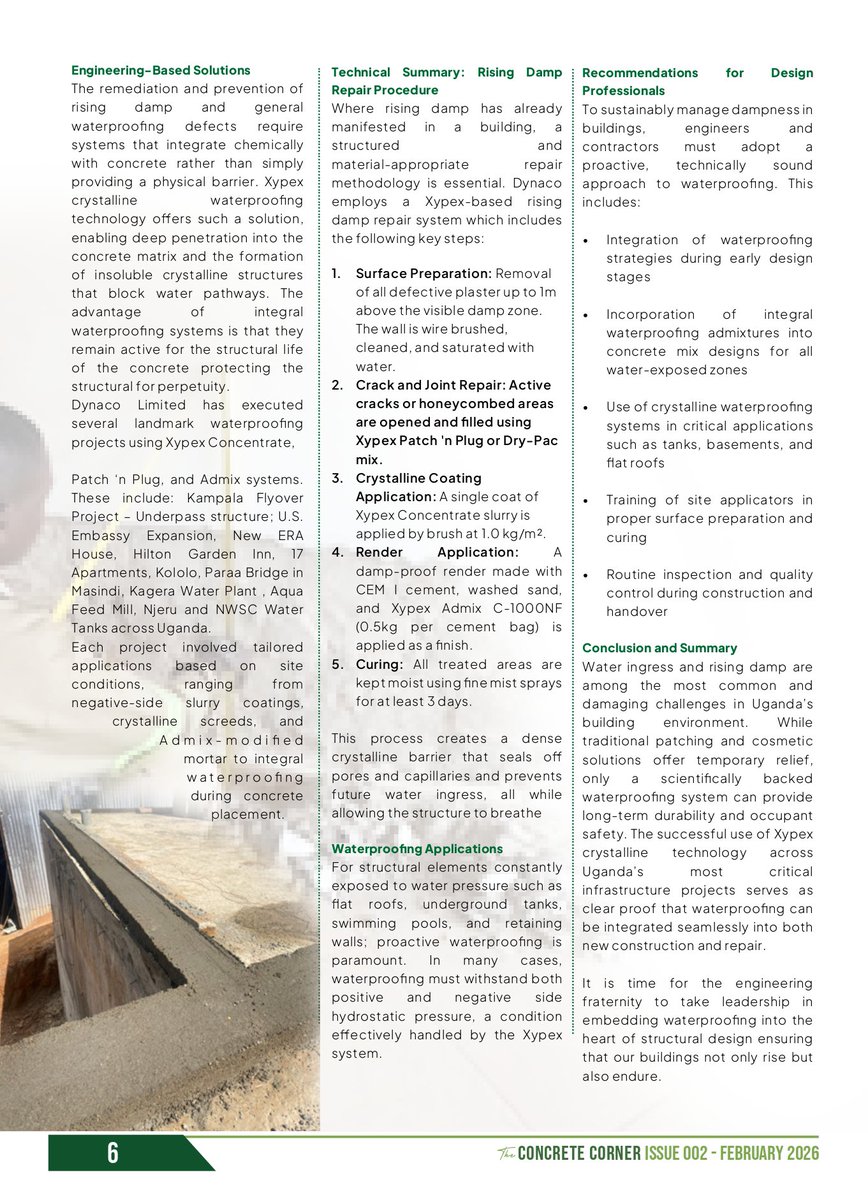
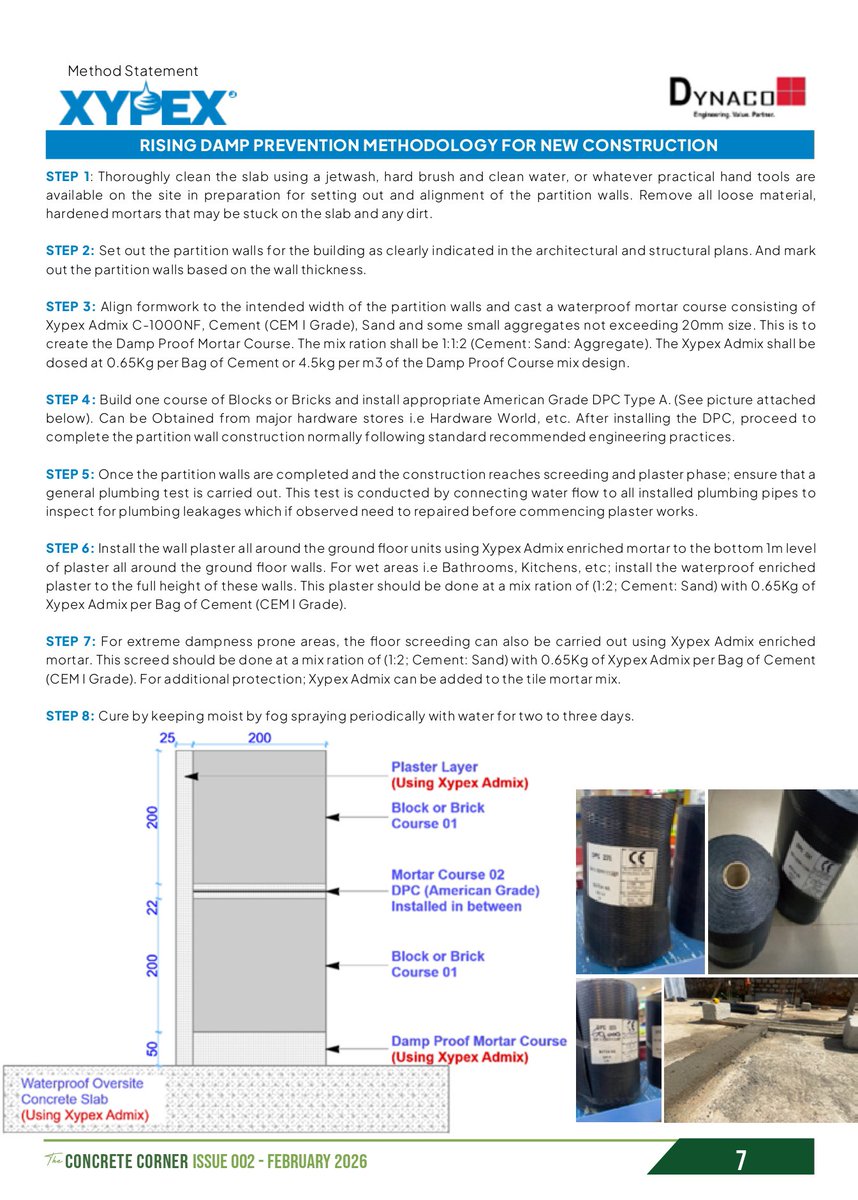
Crystalline systems keep working for the structural life of the concrete ; because they are the concrete.
The technology exists. The products are available in our local market.
More details about how it works in the article attached.
#TheConcreteCorner#Issue002
Most waterproofing systems try to stop water by putting something in its way.
Crystalline waterproofing does something smarter ; it turns the concrete itself into the barrier.
The team at @DynacoLimited has applied this system across some of Uganda's most demanding structures
If a crack develops later and water finds its way in again, the moisture reactivates the crystalline process. The concrete essentially heals itself. For #Risingdamp , this is particularly important. Physical membranes get punctured, bridged, and buried.