Economic events and analysis expertise. We offer print and digital solutions as well as weekly US and global economic commentaries, articles and podcasts.
The 2026 Econoday Economic Journal is almost sold out. We’ve lowered the price to $39.99 to move the last few copies. If you’ve been waiting to order, this is your last chance. https://t.co/qdKioi56pA
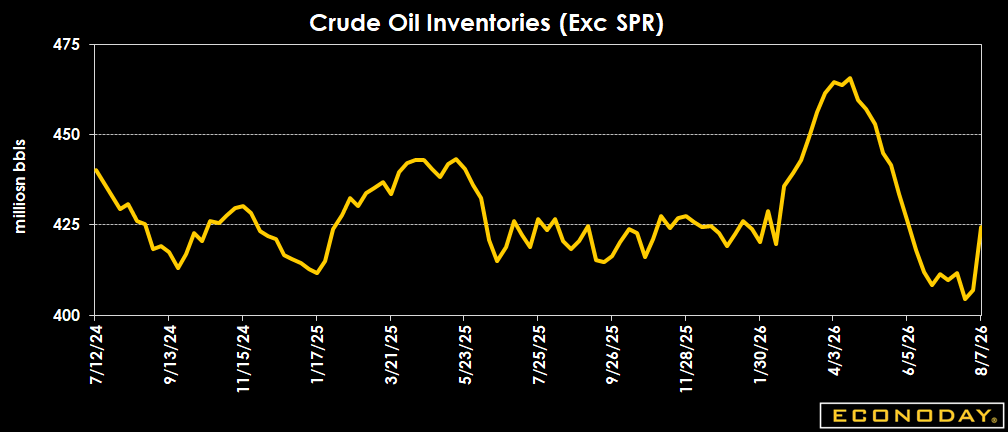
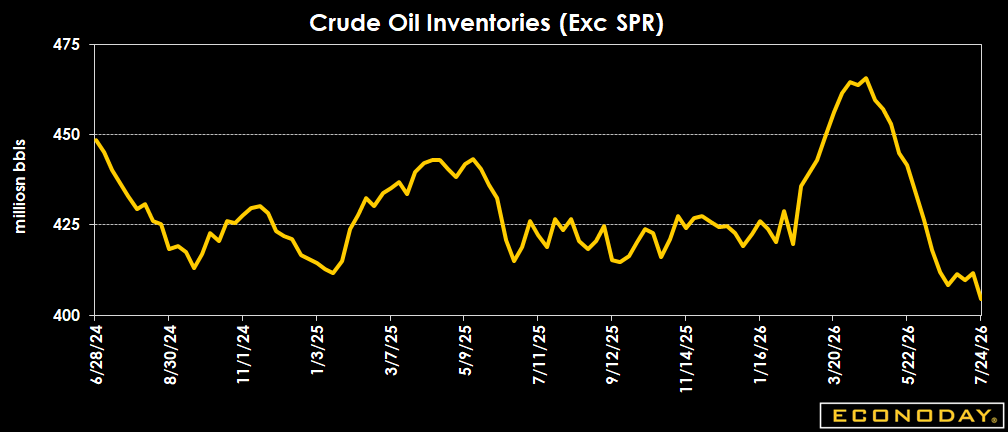
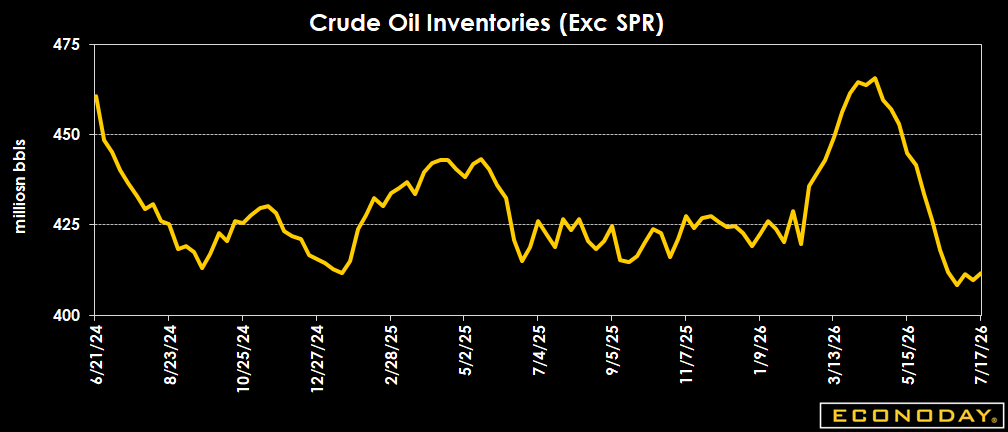
U.S. crude inventories surged 17.4M barrels as imports jumped 1.14M bpd, even with refinery utilization at 96.2%. Gasoline and distillate stocks remain 6% and 12% below seasonal norms, while total 4-week petroleum demand is down 2.1% YoY.
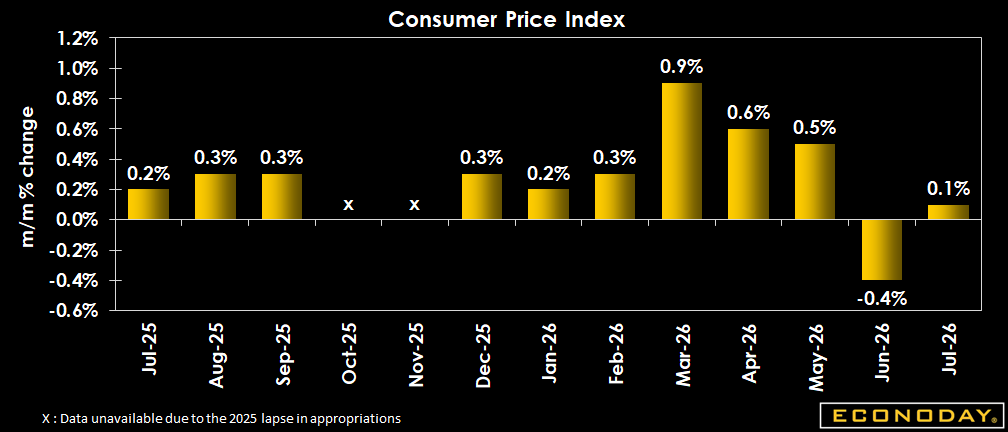
July CPI rose just 0.1%, while annual inflation eased to 3.4% and core inflation slowed to 2.5%. Shelter drove most of the monthly increase, while energy fell 1.5%. Inflation is moderating, though energy prices remain 14.7% above a year ago.
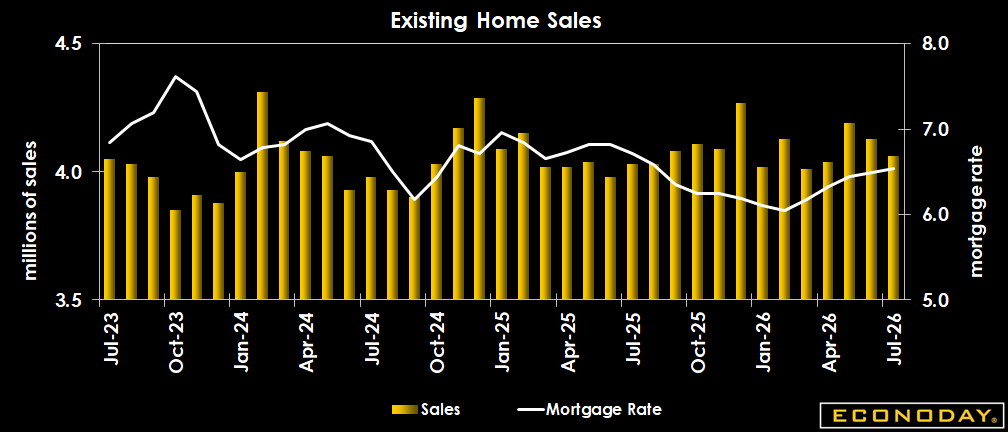
Existing-home sales fell 1.7% in July to a 4.06M annual rate, but remained 0.7% above last year. Inventory slipped, prices rose 2% to $434,100, and affordability improved despite a 6.54% average mortgage rate.
July jobs report was weak: payrolls fell 23K, while May and June were revised down by another 103K combined. Unemployment dipped to 4.1%, but labor-force participation fell to 61.4%. Wage growth slowed to 3.2% YoY.
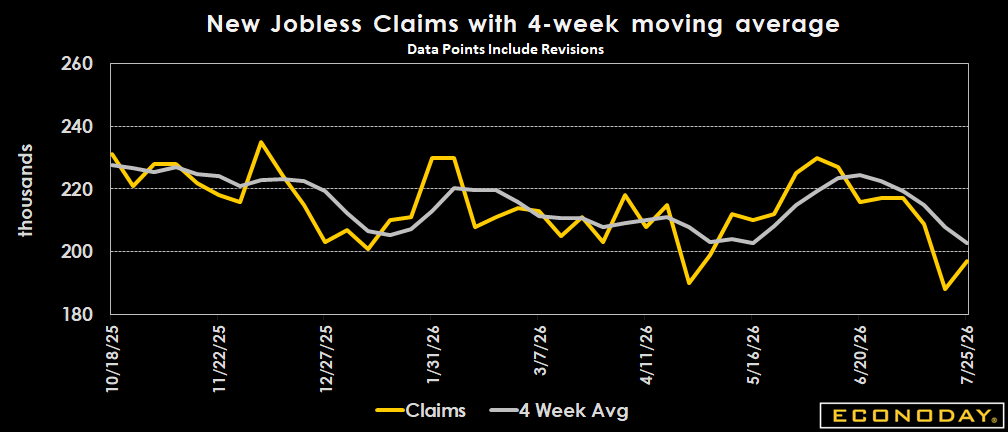
U.S. weekly jobless claims edged up to 199K from 198K, but the 4-week average fell to 198.8K and the insured unemployment rate held at 1.2%. Layoffs remain historically low, suggesting the labor market continues to show resilience despite modest week-to-week fluctuations.
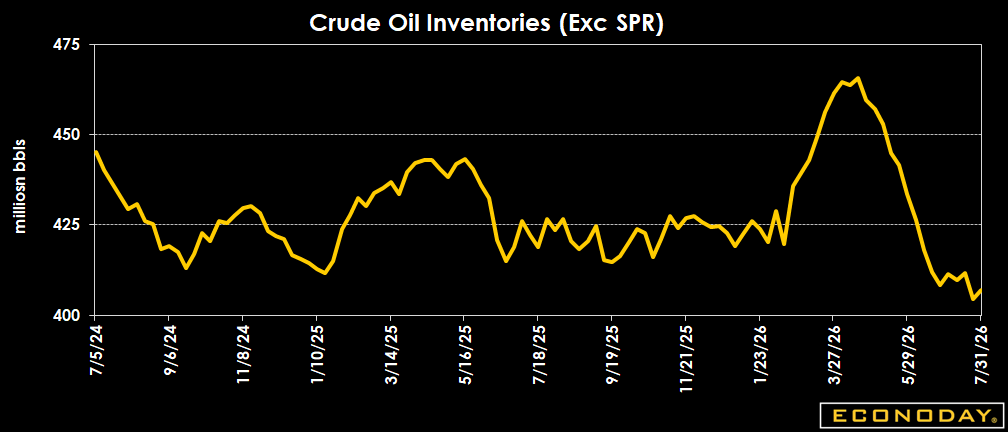
U.S. crude oil inventories rose by 2.5 million barrels last week, but gasoline and distillate stocks continued to decline and remain well below historical averages. Refineries operated at a strong 96.5% utilization, pointing to a still-tight refined fuels market despite a modest increase in crude supplies.
U.S. services growth remained solid in July as the ISM Services PMI® edged up to 54.1%. Business activity and new orders strengthened, but hiring slipped back into contraction and price pressures accelerated, showing demand remains resilient while inflation and labor challenges persist.
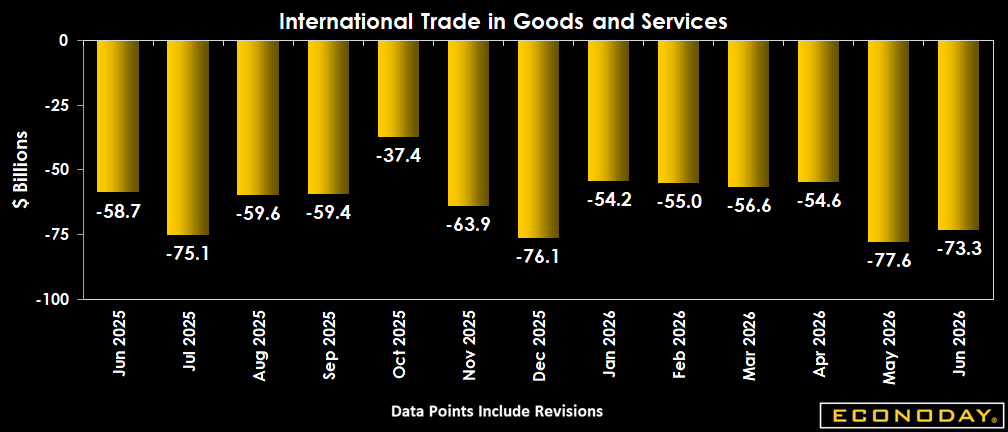
U.S. trade deficit narrowed to $73.3B in June from $77.6B in May as imports fell more than exports. Goods imports dropped sharply, the services surplus improved, and the year-to-date trade deficit is down nearly 34% versus the first half of 2025.
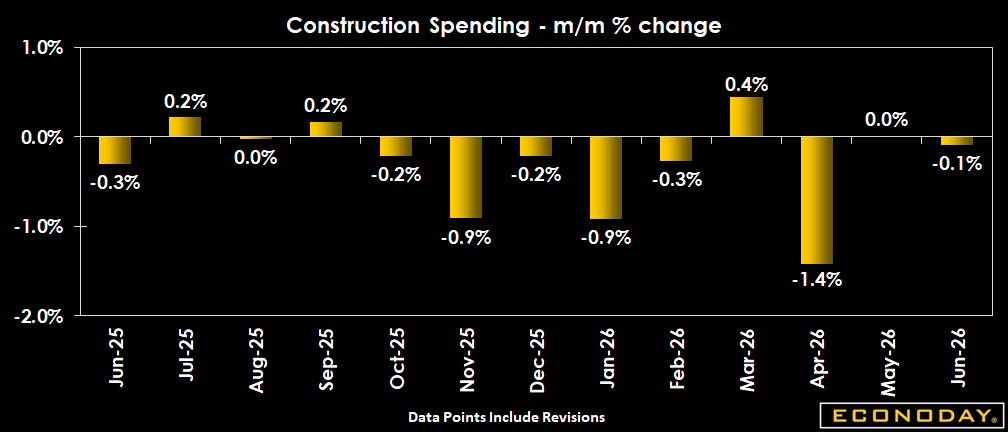
U.S. construction spending slipped 0.1% in June to a $2.17T annual rate and was down 3.2% from a year ago. Residential construction continued to weaken, manufacturing projects remained sharply lower, while public construction was steady and private nonresidential spending edged higher.
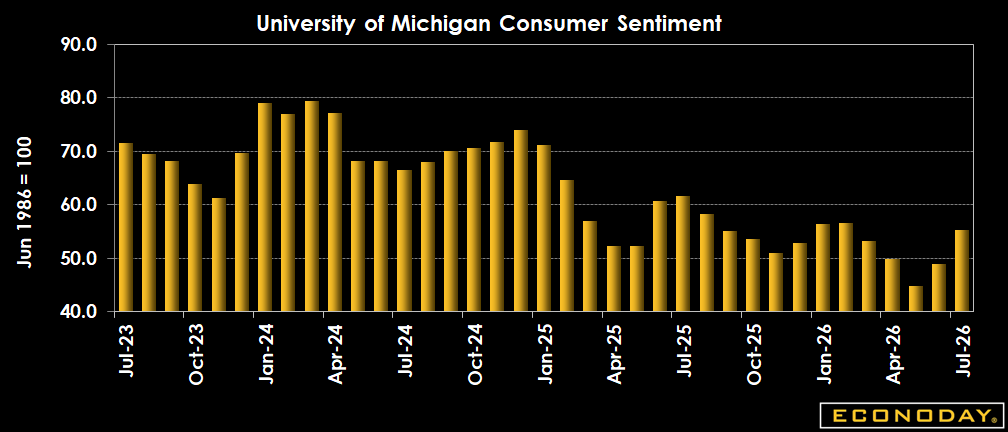
U.S. consumer sentiment improved in July, with the University of Michigan index rising to 55.2, up 11.5% from June. Inflation expectations eased slightly, but consumers remain concerned about high prices, leaving sentiment still 10.5% below year-ago levels.
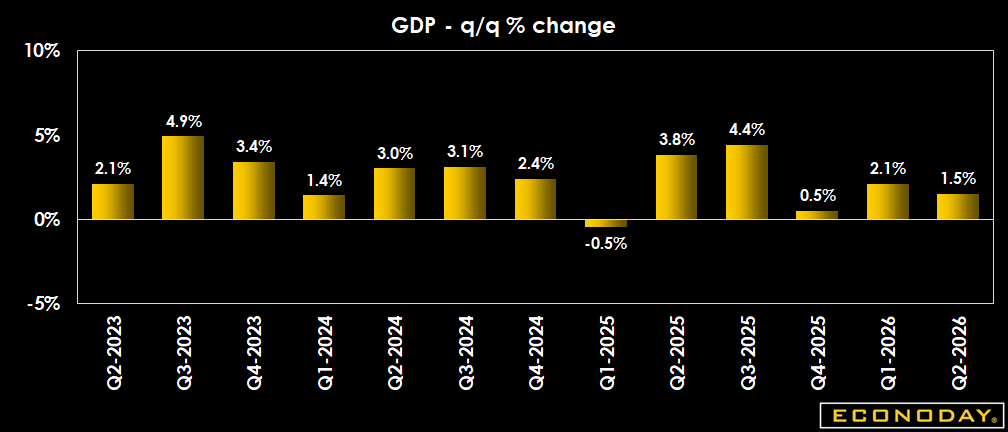
U.S. GDP grew at a 1.5% annualized pace in Q2, slowing from 2.1% in Q1. Consumer spending remained strong, but weaker government spending and higher imports weighed on growth. Private domestic demand strengthened, while inflation measures stayed elevated.
U.S. initial jobless claims rose to 197K last week (+9K), but the broader trend remains favorable as the 4-week average fell to 202.8K and continued claims declined to 1.782M. Overall, layoffs remain low and the labor market continues to show resilience.
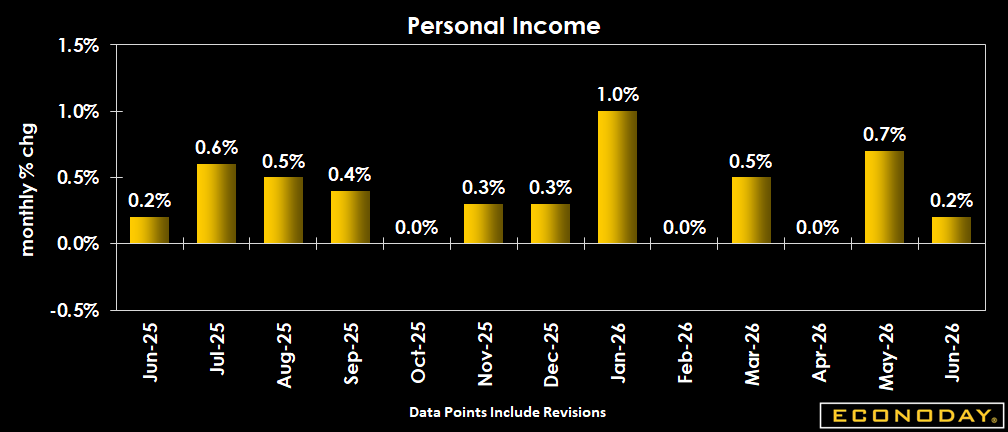
U.S. consumers kept spending in June as personal income rose 0.2% and real consumer spending increased 0.4%. Monthly inflation eased, with the headline PCE price index falling 0.1%, while the personal saving rate remained low at 2.7%.
U.S. crude oil inventories dropped by 7.2 million barrels as refineries operated at a strong 97.2% of capacity. Crude supplies remain below seasonal averages, while distillate and jet fuel demand continue to outpace last year despite slightly softer gasoline consumption.
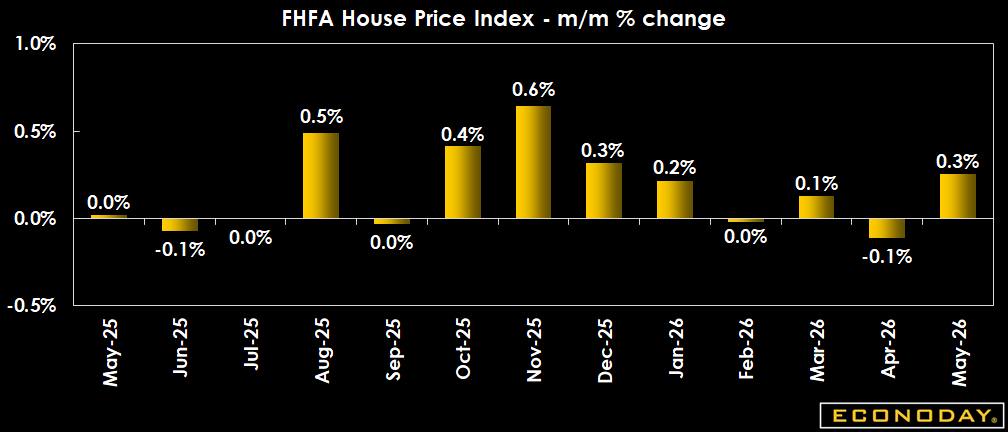
FHFA: U.S. house prices rose 0.3% in May and are 2.2% higher than a year ago. Home values continue to climb nationally, but annual appreciation has slowed, with significant regional differences as the Pacific continues to lag while the Middle Atlantic leads.
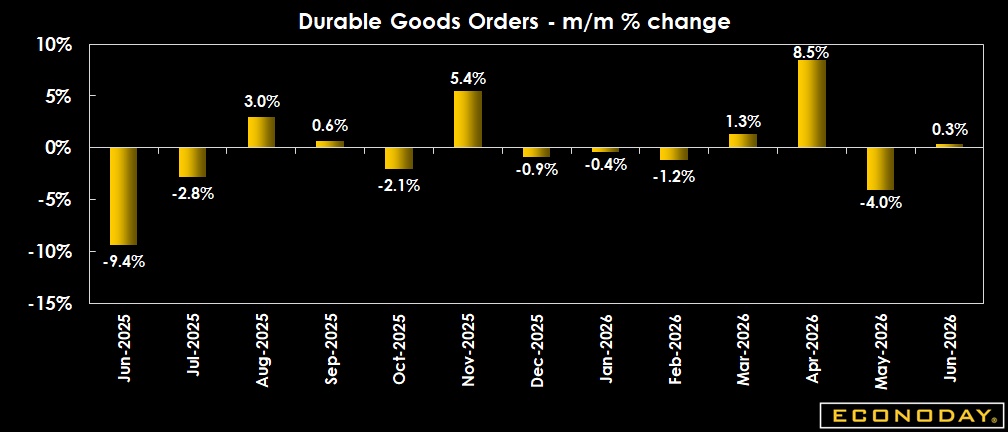
U.S. durable goods orders edged up 0.3% in June after May's sharp decline. Shipments rose 0.7%, core capital goods orders increased 0.9%, and manufacturing backlogs continued to grow—signs that manufacturing activity remains resilient despite uneven monthly demand.
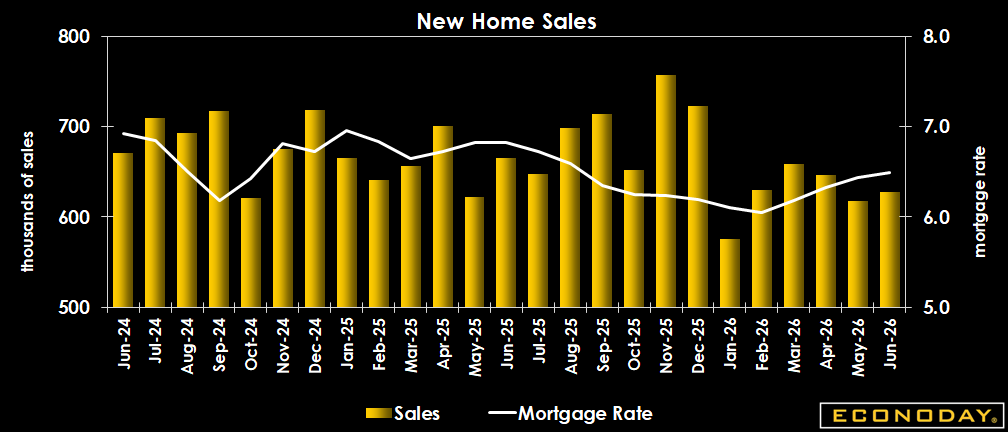
U.S. new home sales edged up to a 628K annual pace in June (+1.6% from May), but remained 5.6% below last year. Inventory stayed high at a 9.3-month supply while median and average home prices declined, pointing to a housing market that remains soft despite a modest pickup in sales.
U.S. jobless claims fell sharply to 187,000 last week, down 22,000 from the prior week. The four-week average also declined, while the insured unemployment rate held at 1.2%, pointing to continued strength and stability in the labor market.
U.S. refinery utilization remained strong at 96.1% as gasoline and distillate production increased. Crude oil inventories rose 2.0 million barrels but remain below historical averages, while gasoline, distillate, and jet fuel demand continue to outpace last year's levels.
Consumer sentiment rose for the second straight month in July, climbing to 54.4, the highest since February as lower gas prices boosted confidence. One-year inflation expectations eased to 4.2%, but consumers remain cautious with sentiment still nearly 12% below last year's level.