@charliebilello There's research on how thematic ETFs are great revenue machines for issuers (5x more fees) but bad deals for investors (about 30% in avg vs broad-based indices, see 2021 Morningstar’s Report).
I've been discussing the whys and solutions on my X / substack, happy to chat more!
There's research on how thematic ETFs are great revenue machines for issuers (5x more fees) but bad deals for investors (about 30% in avg vs broad-based indices, see 2021 Morningstar’s Report).
I've been discussing the whys and solutions on my X / substack, happy to chat more!
Tax credits are moving orders forward in time and production onshore.
$Energix advanced a 1 GW $FSLR order by a year to get more tax credits; $FSLR also ramped U.S. prod despite higher costs. Details + how I track these + how I build better thematic ETFs on my substack
This is a great illustration of why #thematicETFs justify more than 5 times the fees for indexed and broad-based #ETFs but often perform much less well than the latter
(about 30% in avg vs broad-based indices, see 2021 Morningstar’s Global Thematic Funds Landscape Report)
$ANT is already in 82 different ETFs.. many held pre- and some bought yest, either way that is also easily a record for ETF ownership on Day One of IPO. Back in the day no one owned a new IPO, if an ETF bought it after 10 days it was considered pretty crazy. Byproduct of the mega IPO trend as well as the massive proliferation of ACTIVE ETFs which can do what they want, not beholden to index rules. Here's largest ETF owners sorted by $ owned.
@ohheyyang $MU just announced this morning their reporting date to be December 17 this time!
And yes agreed on checking operating income, and on how much cash is left for buybacks after fab spending and dividends (once one backs out CHIPS grants).
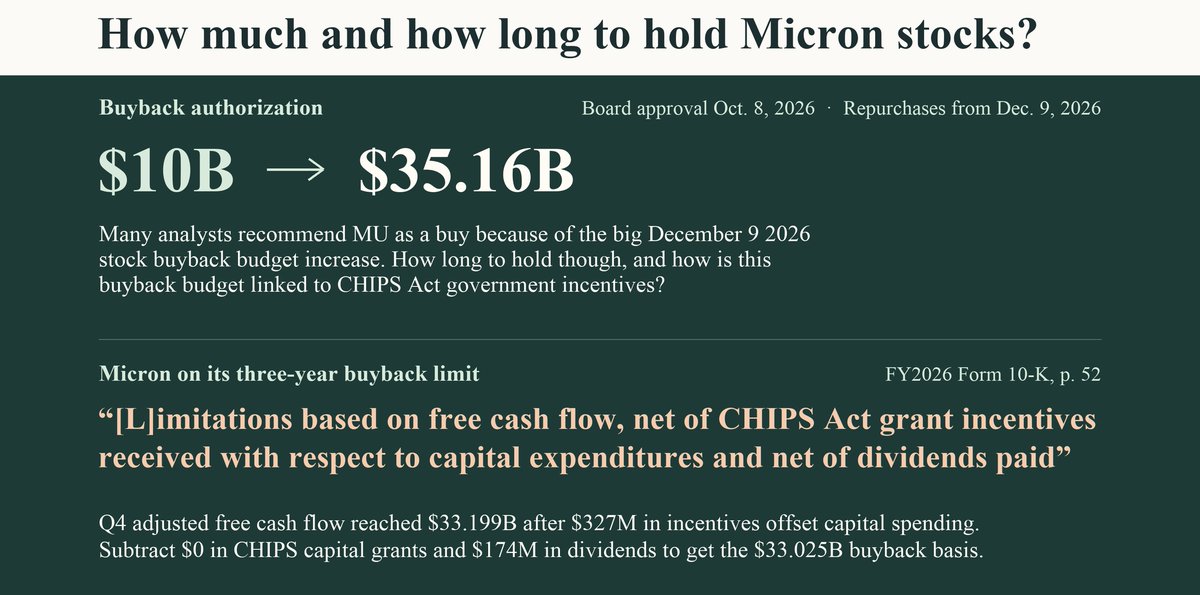
$MU's board authorized budget expansion for buybacks, from $10B to $35B starting December 9th. This has made Micron an analyst darling.
So how long should you hold it? CHIPS Act terms limit the size and timing of these buybacks, so are interesting to unpack [1/3].
[3/3] Interactive backtests and #factorinvesting discussions are on my substack.
Full code to build these #thematicETFs, operate them via live broker APIs, and automate updates with daily news and quarterly filings (including for other industries) are on my github.
[2/3] I’ve been testing a rules-based passive strategy that tracks the government subsidy “paper trail” and only keeps the top-quartile firms (fundamentals + price momentum).
Here’s how it treated Micron vs the 60% $SOXX / 40% $ICLN benchmark since mid-2019:
Less macro this time, here we unpack how platforms change issuance, distribution and settlement of IPs. https://t.co/cGSXMPCaLE
Platforms are too often defined only as matching markets. We show similarities with financial asset issuance, trading, reuse, clearing and settlement.
More on clearing, technologies and IMS designs https://t.co/4531d5OYeQ (DM me to pass paywall).
Clearing designs bridge Arrow Debreu markets with real world behaviors.
New technologies and new geopolitics are changing these behaviors, so it's never too early to start planning!
That was my attempt with the IMF and MIT's Rob Townsend at linking clearing technologies with International Monetary System (IMS) designs...
...Keynes himself draw inspiration for the International Clearing Union from medieval clearing (1914 review of Innes's "What is Money?")
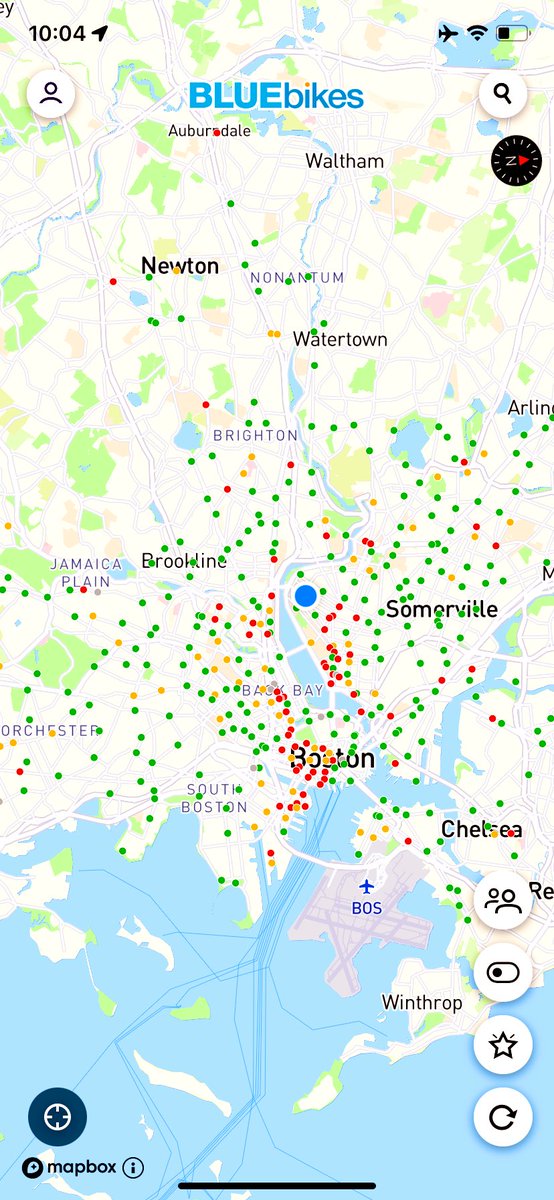
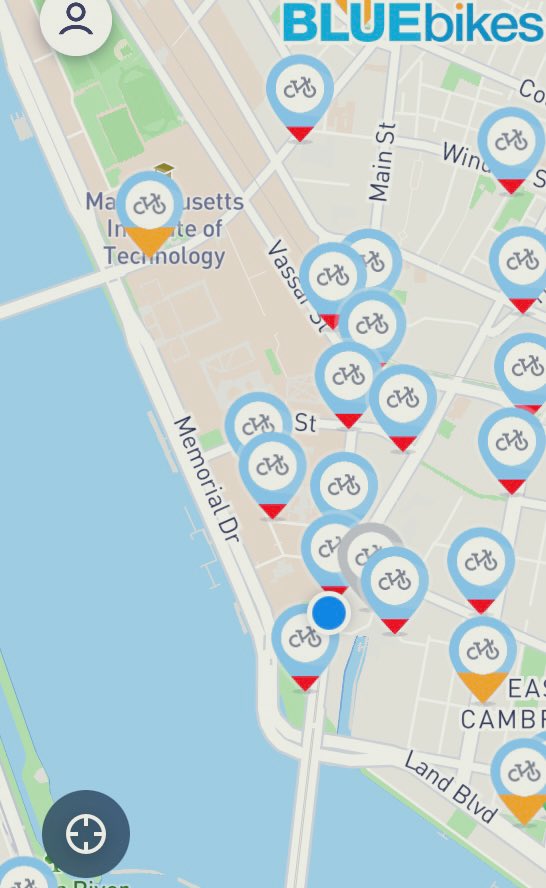
@ofsevit@realBurhanAzeem@its_the_amink@universalhub@jfh@wutrain@RideBluebikes@lyft @driversofnyc That is great data thank you! Where did you get it?(googling around bluebike system data but didn’t get these:/ Would be interesting to 1) compare vs 2018-2019, and 2) see evolution of empty stations throughout time! (If you tell me where to get data I can run these estimations:)