📢Visiting Guidance
😷Please wear a mask when visiting wards/clinical areas and continue to follow our 4 Steps to Stop the Spread:
1⃣Stay Home if you Feel Unwell
2⃣Clean your Hands
3⃣Wear a Face Mask
4⃣Get Vaccinated
For more info👉https://t.co/Lk5n25Zjj3
In years to come, students in university departments around the world will be studying the propaganda embedded in this headline.
As someone who regularly lectures in sociology, journalism and media studies, I could teach an entire lesson on the title alone.
For example:
1. Treating the 4 Israeli soldiers as more important than the 23 Palestinian children (by leading the story with their deaths and just chucking in the others at the end) implies their lives are of higher value.
2. Infantilizing active duty soldiers as "teenagers" while not emphasizing the age of the schoolkids, despite many of them being demonstrably younger.
3. The classic use of the passive voice: Israelis are "killed" while Palestinians merely "die".
4. Putting scare quotes around "23 die" subtly undermines the credibility of that claim. Maybe no one died, and the Palestinians are just lying?
5. Using the word "attack" for Hezbollah actions, but choosing a more neutral, clinical word like "strike" for Israeli aggression.
6. Allowing Israeli sources to dictate the framing of the story ("Israel names teenage soldiers") etc.
7. Actually naming the Israeli soldiers, but not doing the same for the far greater number of Palestinians, again sends the message to the reader that Palestinian lives don't matter nearly as much, if at all.
It's truly incredible how much propaganda has been packed into 16 words. We are swimming in an ocean of propaganda. That's why it is crucial to deconstruct it and critically assess everything you read, see and hear.
Community pharmacies can now treat patients for seven common conditions without a GP prescription 💊
Check the age eligibility for each condition 👇
More information: https://t.co/2s9HbHkXbD
Our Pharmacy Department plays an integral part in providing safe, effective, evidence based care to patients and nd today celebrated their contribution today on #WorldPharmacistDay#TeamSHSCT
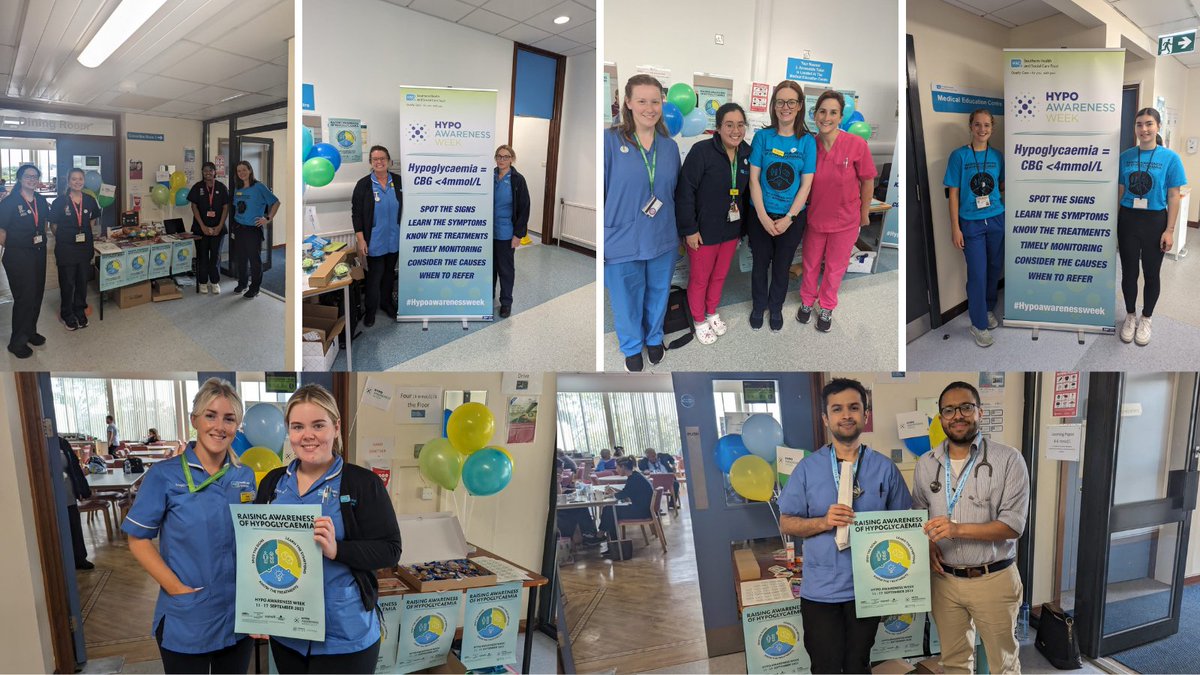
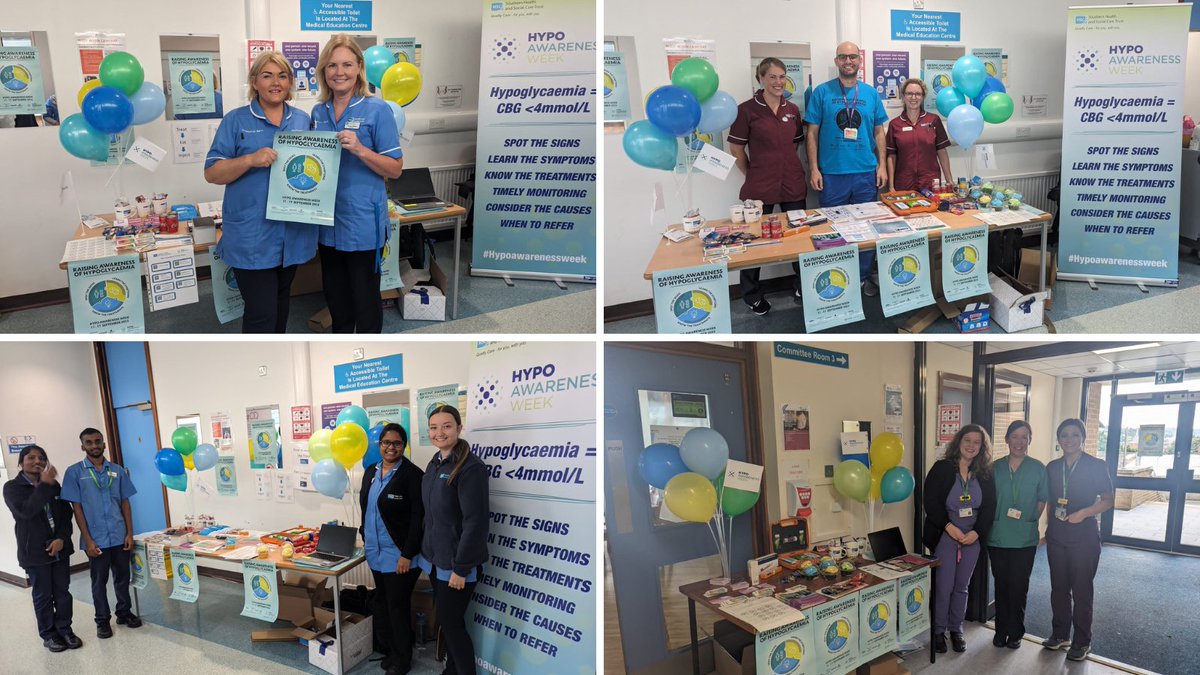
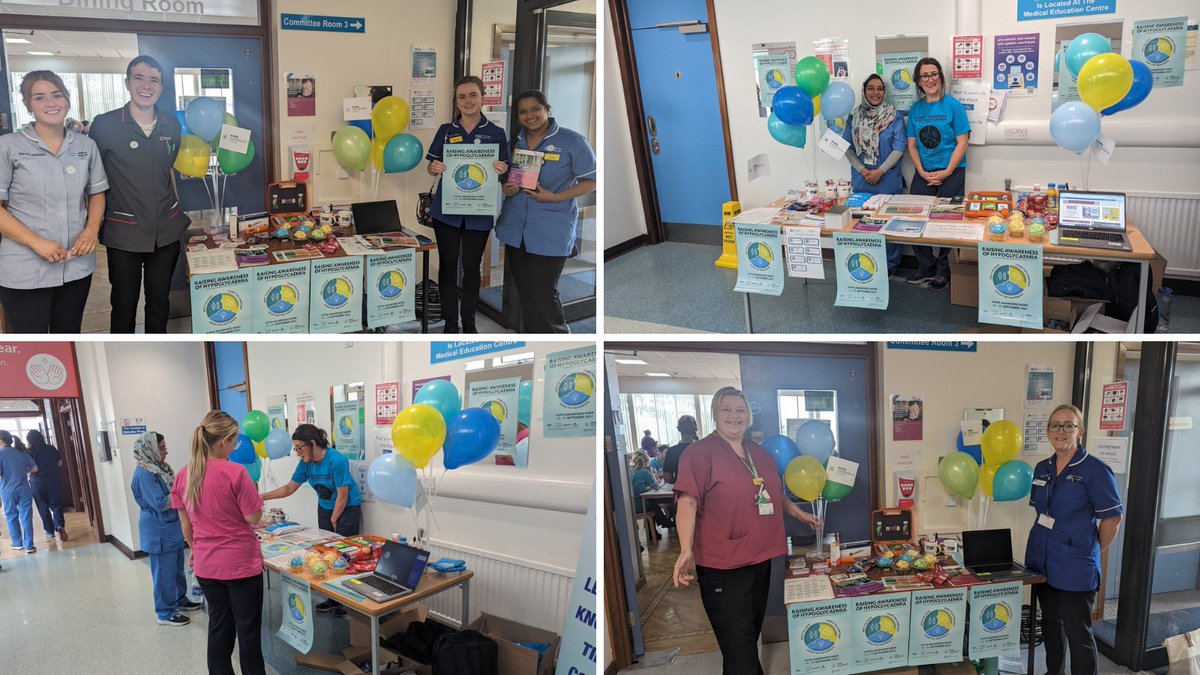
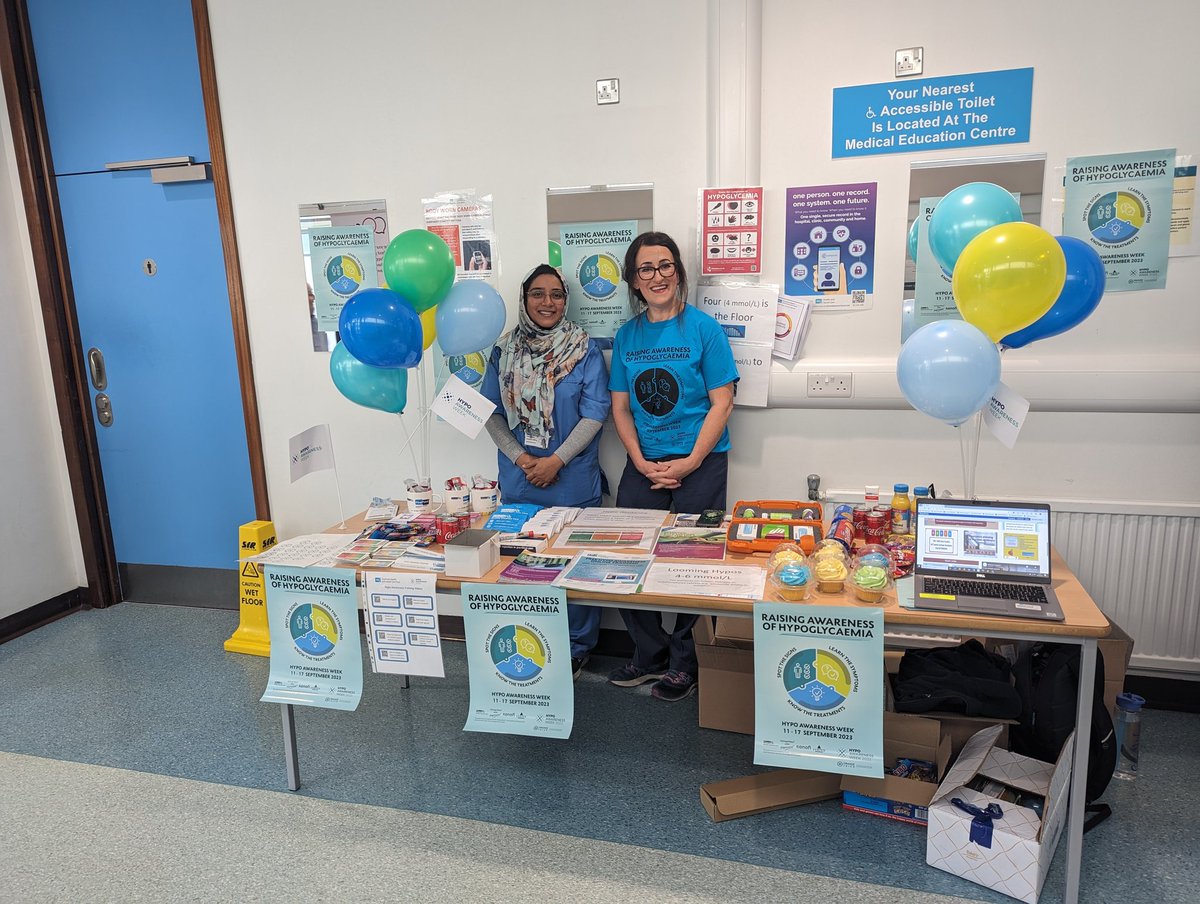
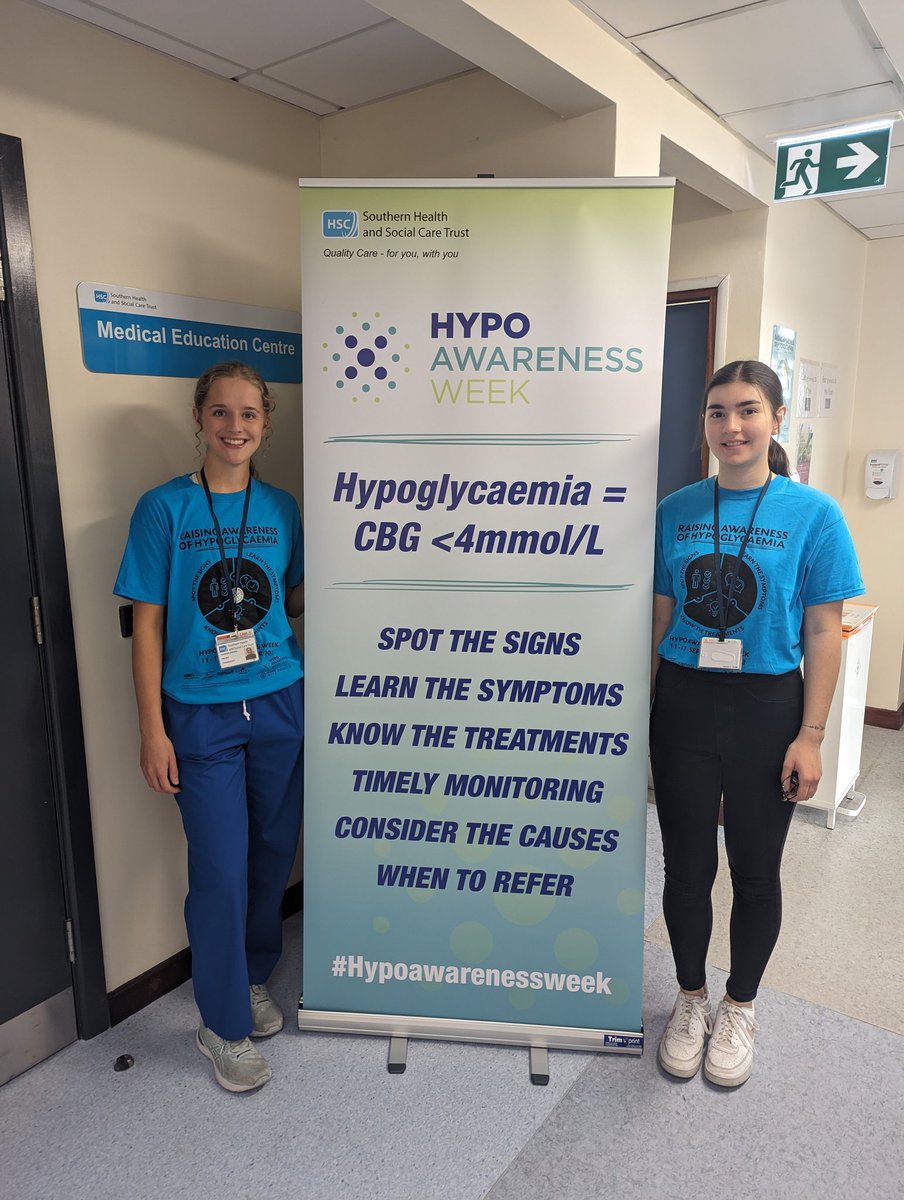
Big thank you to our inpatient diabetes team who have been out and about across Daisy Hill and Craigavon hospitals this week to chat to staff about raising awareness of hypoglycaemia during #HypoAwarenessWeek 🔎
#TeamSHSCT
Big thank you to our inpatient diabetes team who have been out and about across Daisy Hill and Craigavon hospitals this week to chat to staff about raising awareness of hypoglycaemia during #HypoAwarenessWeek 🔎
#TeamSHSCT
Great week @SouthernHSCT promoting #hypoawareness week across our acute sites. Plenty learning and staff engagement. Thank you to everyone who took part! 😊⭐
❓ Would your mates, loved ones or colleagues know how to spot a #Hypo if you were having one?
This #HypoAwarenessWeek, we want to help the public unsterstand what it's like to experience a hypo. Will you help us by sharing this video?
More info? 👉🏻 https://t.co/zWVgePkkDe
#HypoAwarenessWeek is around the corner and we are once again proud to be supporting the campaign.
Sign up for #HypoAwarenessWeek2023 here and get access to our award-winning 🥇 education for HCPs 👩🏽⚕️🧑🏿⚕️👨🏼⚕️⬇️
🔗 https://t.co/udDZfIrDMs
#HAW2023
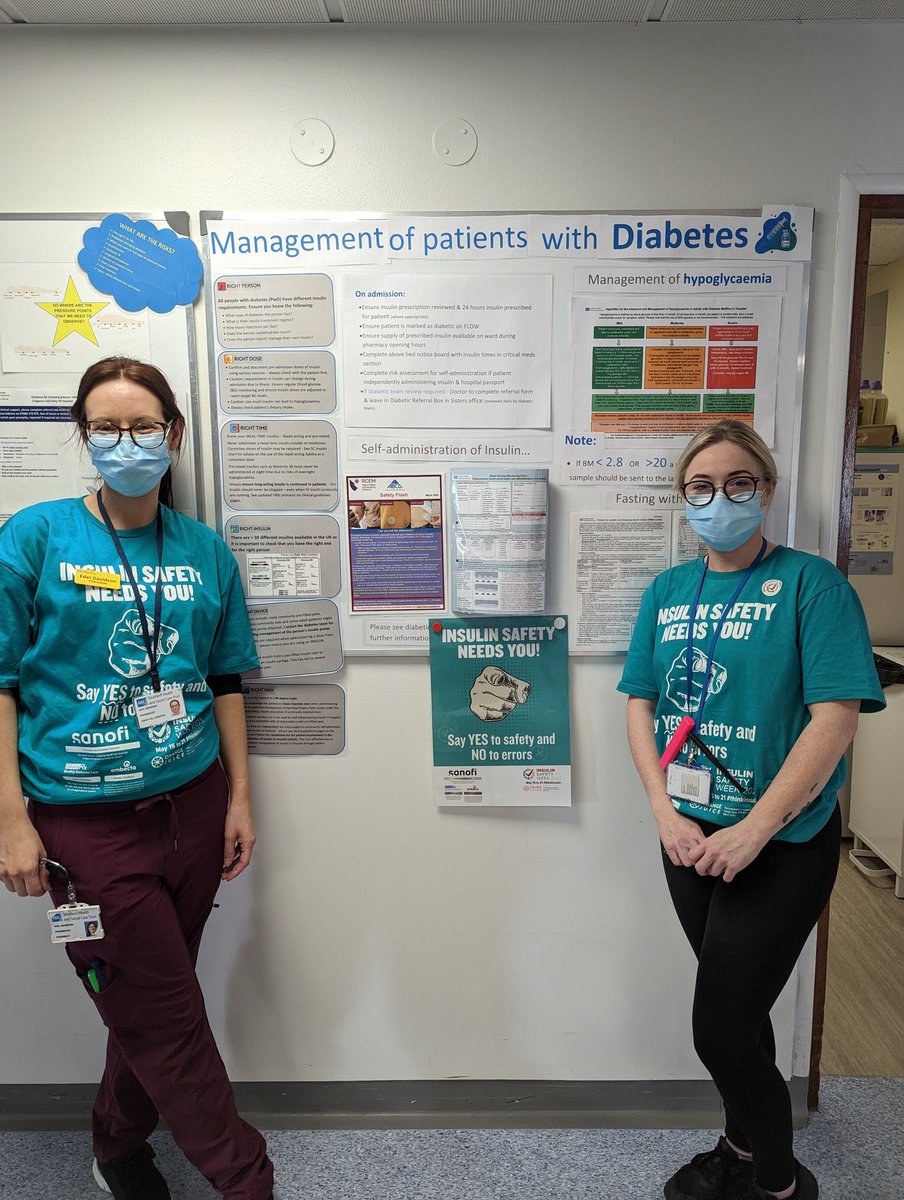
Today marks the last day of #InsulinSafetyWeek2023. A big thank you 😊 to all who got involved with the #thinkinsulin campaign @SouthernHSCT . Promoting safe insulin practice in the hospital setting. 💉🏥
I posted this "job ad" on LinkedIn last week for diabetes awareness month.
It's a tough job!
Thanks to everyone I know in #gbdoc#doc and #dedoc for the support, humour and encouragement😊
#WDD2022#WorldDiabetesDay2022
NEW MODULE: A practical guide to the safe use of variable rate intravenous insulin infusion (VRIII). For #HCPs with an interest in #diabetes: @medmum3 outlines when VRIII is required & key steps for ensuring safe use. @mimslearning https://t.co/LG5h6laP3S