August was a busy month.
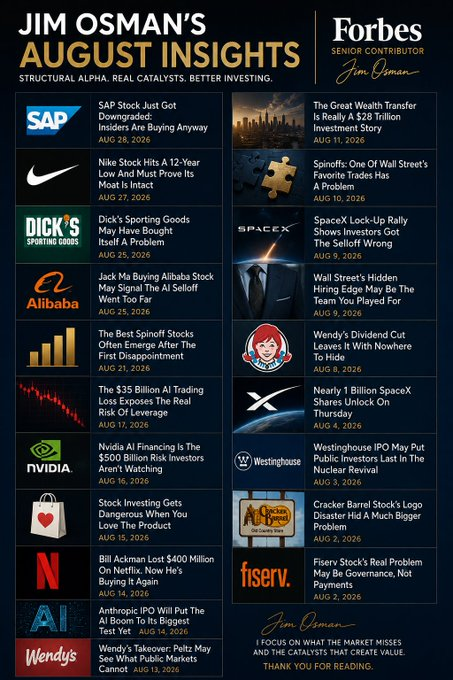
Nvidia. SpaceX. Nike. SAP. Spinoffs. AI. Insider buying.
Different stories, same question:
What is the market missing?
I wrote through the month on the structures, incentives, and catalysts underneath the headlines.
Free to follow my Forbes page here
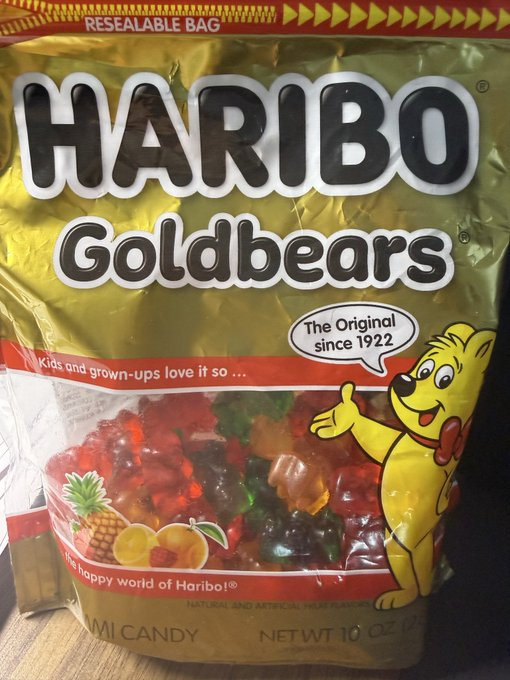
The older I get, the more I realize adulthood is mostly just being able to buy the big bag of Haribo without asking anyone’s permission.
Financial freedom.
5% changes everything—not because stocks suddenly became bad investments, but because investors no longer have to own them.
When Treasuries pay 5%, every stock has to justify the risk.
Great companies will still win. Stupid prices won’t.
My latest for Forbes:
Anthropic could go public at $2 trillion.
That doesn’t mean public investors are getting the best deal.
Amazon, Google and Nvidia can profit from its spending before IPO buyers see a dollar of cash flow.
The public may be arriving after the economics have already been divided.
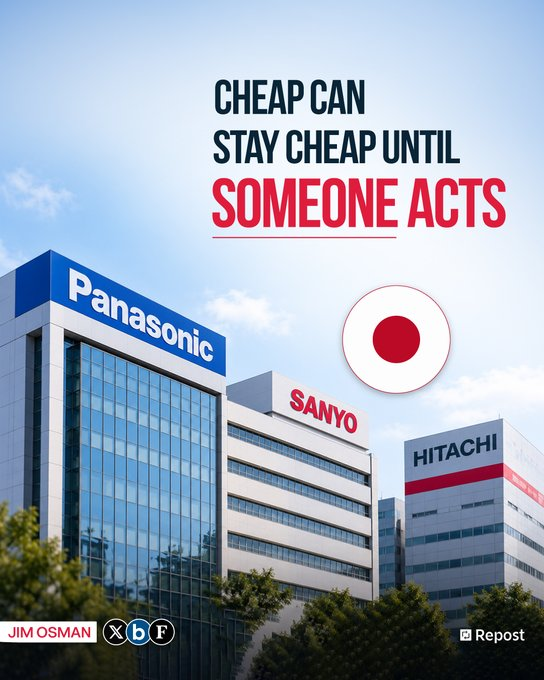
Japan's activist campaigns jumped 53% in a year. The stocks were cheap long before that.
Japanese stocks have looked statistically cheap for years. Cheap can stay cheap for a very long time.
What changes the investment is when someone finally has both the ability and the
Wall Street has a new qualification: WiFi.
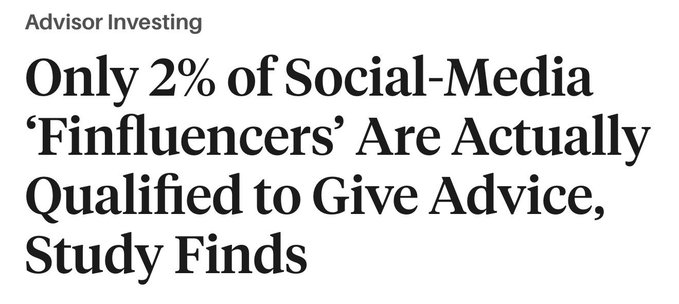
Only 2% of social-media finance influencers are actually qualified to give advice.
Yet millions of people take investment advice from someone because they have a ring light, a podcast and 400,000 followers.
Followers are not a track
The selling patterns too:
Panic when volatility rises and headlines darken
Buying hope, selling fear
Riding losers because ego turned a position into an identity
Nobody plans to be exit liquidity. Every cycle, someone is.
Investors used to reward bigger AI spending. That phase is ending.
Once capital commitments reach hundreds of billions, AI stops being a technology strategy. It becomes a capital allocation decision.
Investors stop asking how much a company spends and start asking what it earns
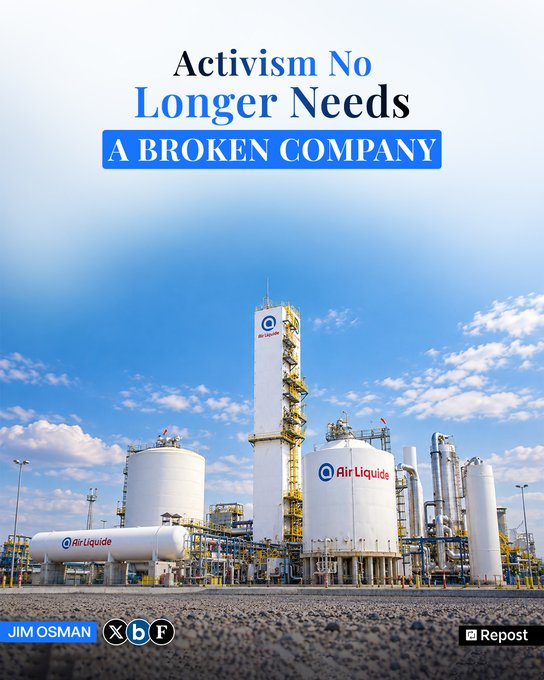
Air Liquide isn't struggling. Elliott is pushing it anyway.
Air Liquide's operating margin sits around 21%. Linde's sits around 30%.
The activist argument isn't that Air Liquide is a bad company. It's that a strong company may be capable of much better economics.
A collapsing
The Pentagon just committed $450M to Elmet.
In return: preferred equity, warrants for up to 19.9%, and access to the boardroom.
Washington is becoming a customer, financier, and shareholder.
The shares surged. Who captures the return? Chart
@Barchart
$ELMT
I've watched smart people lose money in markets for 35 years.
Almost never because they lacked intelligence.
The market is a machine that transfers wealth from the emotional to the disciplined and it runs on predictable behavior.
No takeover. No activist filing. Just customers quietly buying less.
A catalyst does not need to be a takeover, spinoff or activist filing.
Sometimes it's simply the moment the market realizes the old valuation no longer matches what customers are actually doing.
The market
The market isn’t ignoring the risks.
It’s making a bet.
That $100 oil won’t stay high long enough to hurt margins.
Those 5% rates won’t stay high long enough to crush refinancing.
And that earnings will keep carrying the load.
That’s the real setup investors should be
The next great AI stock may not look like an AI stock at all.
It may be an ordinary business quietly using AI to cut costs, lift margins and grow earnings faster than Wall Street expects.
The opportunity is not where AI gets mentioned most.
It is where AI changes the numbers
Insiders don’t always wait for the headlines to turn positive. Sometimes they’re buying when everyone else is focused on what went wrong.
That’s why I pay attention when a CEO starts loading up on shares after a rough quarter. It doesn’t guarantee what happens next, but it tells
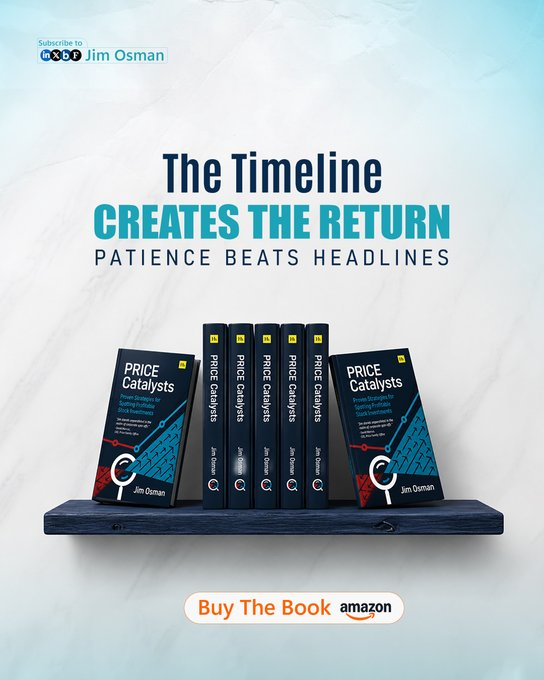
An activist showing up isn't the catalyst. The timeline is. And almost nobody reads it correctly.
Most investors buy the headline and sell during the quiet period, right when negotiations go silent for months. That's usually a mistake the real re-rating tends to come later, at
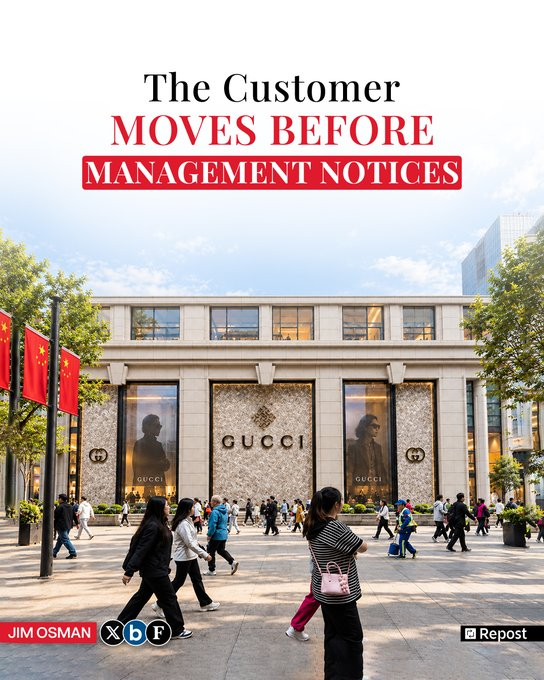
Gucci didn't lose China with a scandal. It just quietly became less compelling.
Kering admitted Gucci grew complacent in China: outdated stores, weaker locations, and too much discounting, while consumers got more sophisticated.
Nothing exploded. The customer just moved on
After 35 years investing on both sides of the Atlantic, the biggest cultural difference is this:
Europe asks, “How cheap is it?”
America asks, “How big can it become?”
American investors often overpay for the future.
European investors often refuse to pay for it.
A low