@5solas Have you heard about the fallacy called "hasty generalization". That's what you are committing here.
BTW the concept of predestination is understood quite differently in Catholicism and Calvinism.
This post, sadly, just shows your ignorance of Catholic beliefs.
@5solas God’s nature is inherently just, and He cannot act against His own nature. He desires the salvation of all people. Therefore, the idea that He actively saves some while condemning others does not align with His justice.
Were there any Jewish festivals in the first century that were not derived from the Hebrew Scriptures? In my knowledge there is none. So, why should we consider 1 Maccabees not part of Scripture as Hanukkah finds its origin in it?
@5solas The only thing that is being added to the Scripture is the man made traditions of Protestants. They can't even agree with each other on what the Bible teaches and funnily enough even 5Solas doesn't agree with the "reformers" who "discovered" the "truth of salvation" on basics.
To foster productive dialogue, we should understand others’ perspectives and engage with their strongest arguments, using the principle of charity. Sarcasm and belittling may get likes but don’t lead to constructive conversations.
@stevenpmillies There is a difference between "well-grounded reasons" (WGR) and "good reasons". We both know that the priest is not talking about those with WGRs.
Moreover I don't understand your take on this matter. Are you saying abortion is an acceptable method for "regulating birth"?
@IamAquaman_@JoshuaTCharles We do have inscription under St. Peter's Basilica in Rome, made in the 2nd century depicting Mary as Protectrix for the departed and their Advocate.
The inscription - “Mary, Protectress of the Departed” or “Mary, Advocate for the Souls.”
Catholics need to recover a sense of awe and adoration before the Eucharist, knowing that it is “the real and loving presence of the Lord,” Pope Francis.
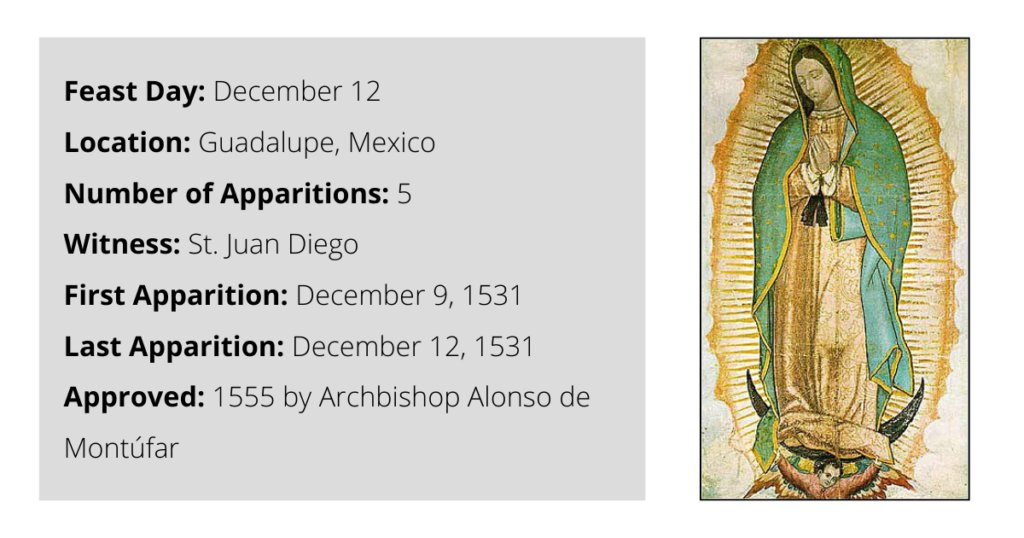
One of the most well-known apparitions among the faithful and the secular world, Our Lady of Guadalupe, occurred in the sixteenth century to a widower and now saint, St. Juan Diego.