I’m genuinely so happy to see this
after decades of conservation work, these endangered little shorebirds just reached a record 99 breeding pairs and 155 wild chicks
Costa Rica has outlawed recreational hunting, solidifying its role as a worldwide leader in animal protection and a safe haven for the remarkable 5% of global biodiversity it hosts.
Home to an astonishing proportion of Earth's plant and animal species, Costa Rica stands as one of the planet's most vital biodiversity hotspots. Yet this extraordinary natural heritage faces ongoing threats from human activities—including unsustainable wildlife tourism, illegal wildlife trade, domestic animal neglect, and organized animal fighting.
As encounters between people and wildlife grow more frequent, the country's fragile ecosystems require proactive safeguards to protect their most vulnerable residents.
Costa Rica has responded with groundbreaking animal welfare laws that reflect a deep national commitment to conservation. Building on its landmark 2012 nationwide ban on sport and trophy hunting, the country introduced stringent anti-trafficking measures in 2017 to combat poaching and biodiversity loss. By imposing mandatory prison sentences for animal cruelty and creating a national registry of offenders, Costa Rica demonstrates that effective conservation demands strong legal enforcement alongside widespread societal resolve to safeguard all living beings within its borders.
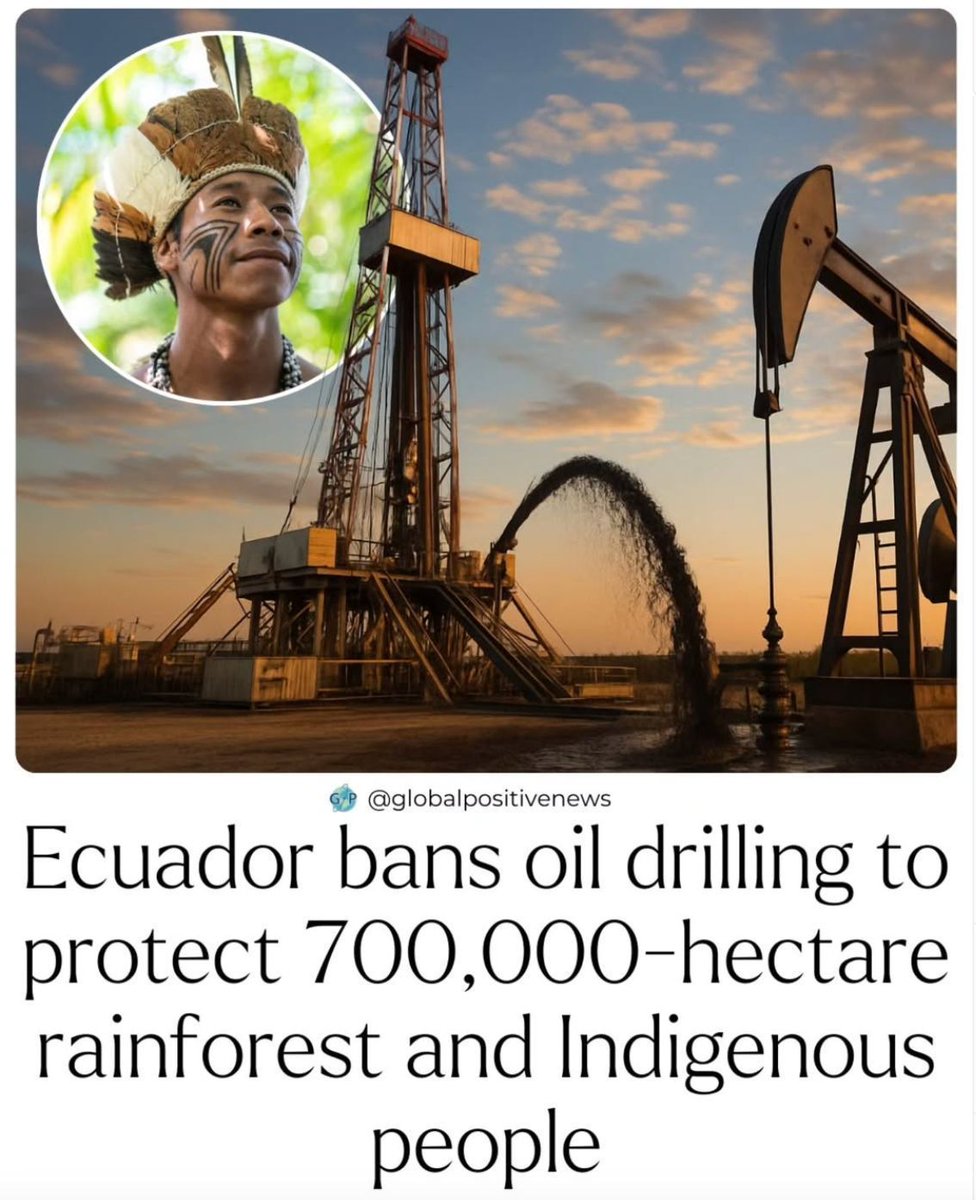
Colombia bans all future oil and mining projects in its Amazon rainforest
The protected Amazon region covers nearly 42% of Colombia, an area about the size of Sweden, with officials aiming to prevent further industrial expansion in the rainforest
The world just gained a marine protected area the size of France
French Polynesia made one of the biggest single contributions to ocean protection in history.
Now make sure that protection is enforced
https://t.co/p71RAUYheA
Colombia has drawn a hard line: Bullfighting will be banned nationwide by 2027. Cockfighting by 2028. These public arenas will be turned into spaces for music, sports, and culture. We can move past animal cruelty as a tradition.
BREAKING NEWS: New York Senate Passes Bill To Ban Industrial Octopus Farming In Major Victory For Marine Life
It’s a major step towards banning the intensive farming of this remarkable sea creature before it becomes established in the US
#GreatNews#WorldEnvironmentDay@CIWF_Global
https://t.co/CV3Pv7Zz4g
BAM! Colombia has announced a historic ban on all new oil and large-scale mining projects in its part of the Amazon Rainforest, protecting an area roughly the size of Sweden. 🌿
Experts say the move could help protect one of the planet’s most important ecosystems—often called the “lungs of the Earth.” 🌎🌳
Nature is amazing. Protect it.
#ActOnClimate #nature
Really good news. Over the last 15 years the world gained more mangroves than it has lost, thanks to stronger legal protections following the 2004 tsunami which proved their importance in protecting coasts. Also vital for fish and in absorbing carbon.
https://t.co/dugfykSvyw
France has introduced one of the world’s toughest environmental laws by criminalizing “ecocide” under its Climate and Resilience Act.
The new legislation allows courts to impose severe penalties on companies and executives responsible for severe and lasting damage to air, water, or soil. Convicted offenders can face fines of up to €4.5 million, or up to ten times the profits gained from the violation, along with prison sentences of up to 10 years.
This marks a significant cultural and legal shift, elevating environmental protection to the same level of seriousness as threats to public safety or human life.
The law is part of a growing international movement, driven by activists, scientists, and legal experts, to treat large-scale ecological destruction as a serious crime rather than a mere business cost.
While some critics worry the law may prove difficult to enforce, it reflects a broader recognition that the health of the planet’s ecosystems is essential to human survival.
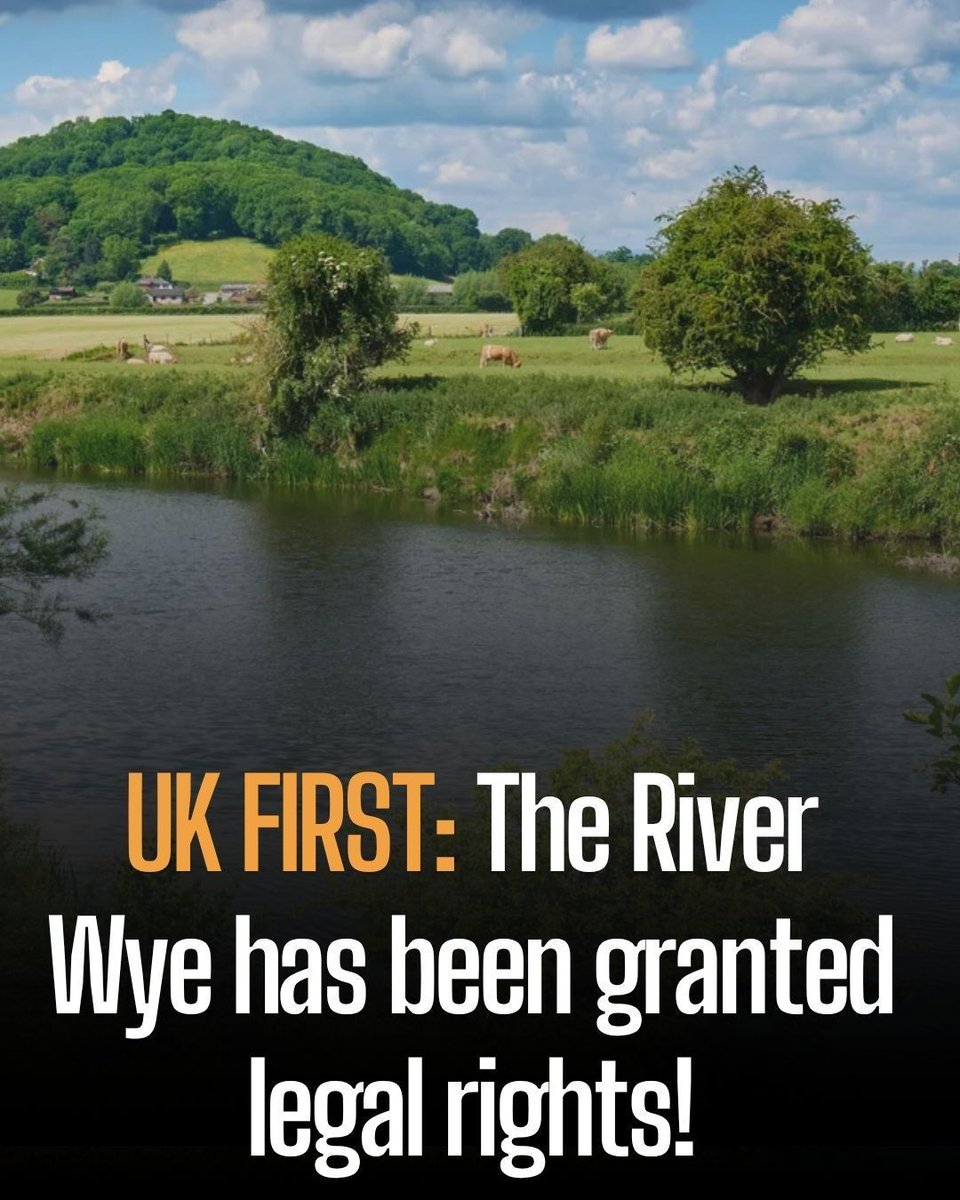
The River Wye has just made UK history.
For the first time, an entire river catchment has been formally recognised as a living ecosystem with rights - including the right to flow, thrive, regenerate, and be free from pollution.
It's a major victory for nature.
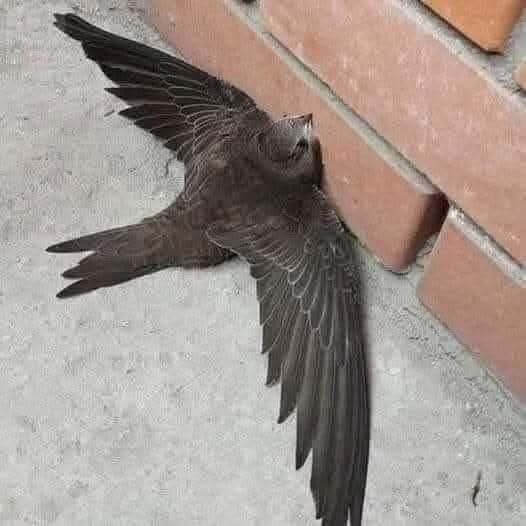
Se você vir andorinhas deitadas no chão com as asas abertas, não tenha medo, ajude-as! Elas não estão doentes... as andorinhas não conseguem levantar voo de superfícies planas. Você tem que pegá-las e deixá-las subir um pouco da altura das suas mãos... elas voarão imediatamente... sozinhas
If you're going to have a lawn, make it red creeping thyme.
It barely needs water after the first year. It tops out around 2 to 3 inches and never needs mowing. It produces a carpet of magenta flowers in summer that bees and butterflies cover like a feeding station.
It smells like thyme when you walk on it, because it is thyme. It's the same genus as the culinary kind, and edible.
Deer won't eat it. Rabbits won't eat it. Grass is crowded out by it.
It's hardy in most of the US (zones 4 through 9), tolerates poor soil, and handles moderate foot traffic.
Honest caveat: creeping thyme isn't native to North America. But neither is your lawn.
Kentucky bluegrass is European. Bermuda grass is African. Every square foot of creeping thyme replacing turfgrass is net positive for pollinators, soil, and water use.
If you want a fully native ground cover, look into Pennsylvania sedge for shade, pussytoes or wild strawberry for sun, and moss phlox for rocky spots.
But if you're going to have a lawn, make it one that does something.
Good news. Tropical forests recover quickly once they are protected. Ninety per cent of biodiversity returned in 30 years, in this case.
https://t.co/6fv7kdRpOk
Norway has shut down its last fur farm.
A country that once had over 1,000 fur farms, killing 700,000 mink and 110,000 foxes every year, decided it was no longer something they were willing to do.
But fur farming is still legal in most American states.
Mink, fox, and chinchillas kept in wire cages barely larger than their bodies, unable to run, swim, or live free for the duration of their short lives.
California banned fur sales in 2019. A handful of cities followed.
Should the whole country follow suit?