I've always used this account to tell WNC's story through the lens of weather and maps
A comprehensive Helene analysis will take years to complete, and I'm anxious to get started. I'll be releasing a new website in the days ahead to share all of my work and document our recovery
@jjrennie Very impressive - I had a feeling that screenshot was just an initial response.
As they work out those initial hallucinations, I imagine it’ll soon take considerably less wrangling to hone in on the final date.
@jjrennie Were you able to confirm a date from its list of suggestions? Some (most?) of the data in that screenshot is hallucinated. Especially on July 9-10, 1999.
I would love an AI tool like this to support our forensic cases at work, but I'm wary of being served fake data.
Join Monarch's Virtual Summit on June 10 (12:30p PT / 3:30p ET) as we break down the 2026 hurricane season outlook, evolving risks across the Atlantic and Pacific, and how MonarchView™ helps organizations stay ahead of emerging threats.
👉 Register free:
https://t.co/C1Grk3RjIa
@ChrisJacksonSC Might be a stupid question, but I wonder if you could triangulate the source using either pressure obs (need 1-min data…) or maybe even geolocated video time stamps of the boom.
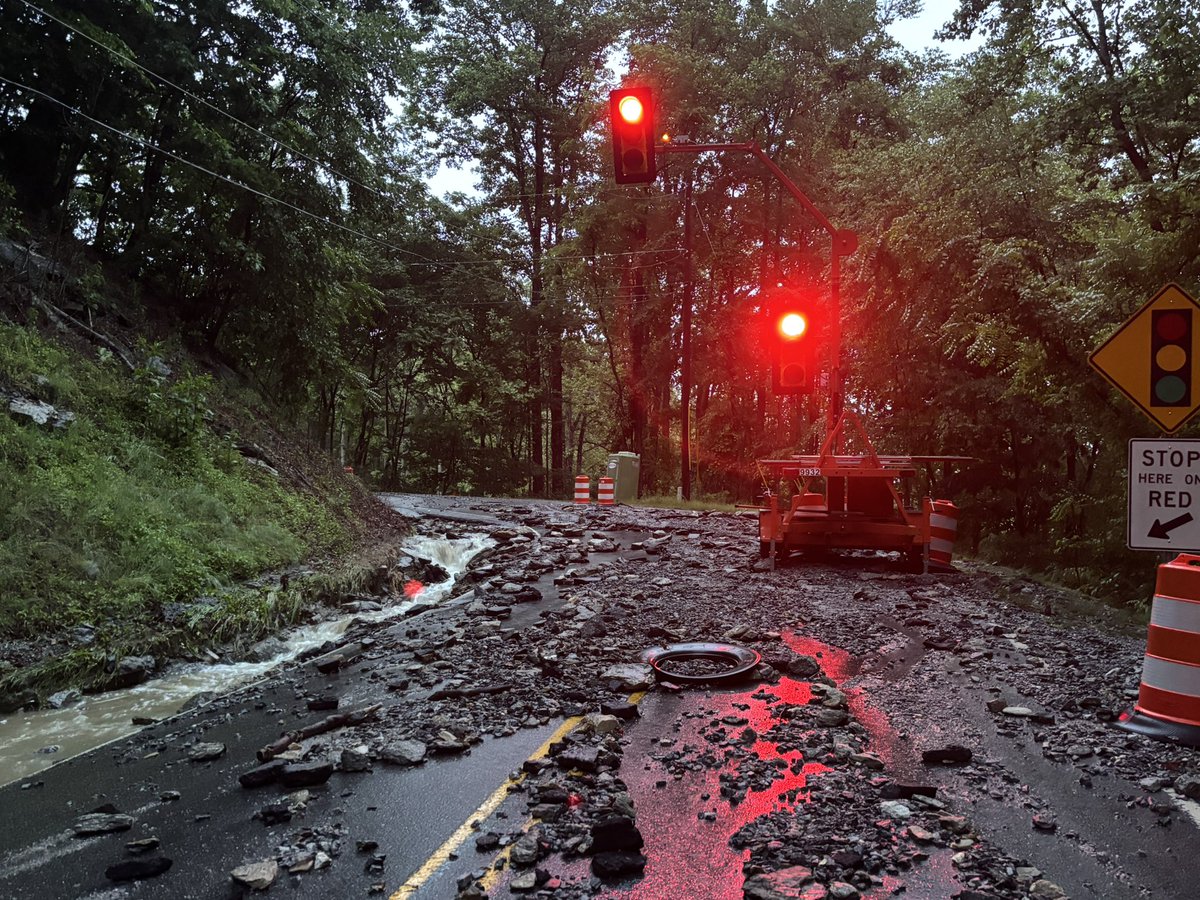
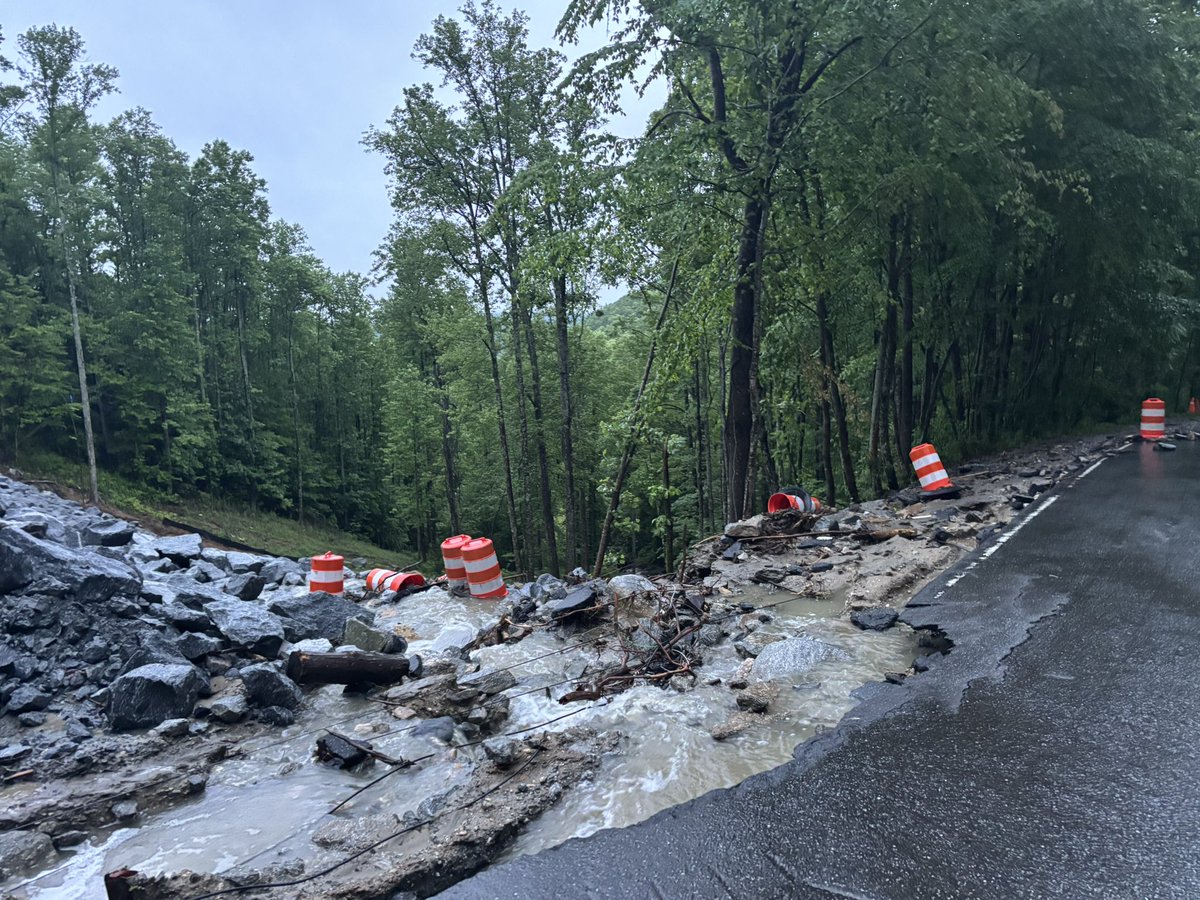
First light look at Edneyville flood damage from last night. The section of Bearwallow Rd being repaired post-Helene is a mess. Multiple homes are inaccessible with washed out driveways as well #ncwx@EthanClarkWX
Reflecting on this, the NAM clearly had the right idea.
Sunsetting the only model that consistently handles CAD correctly will hurt forecast accuracy across WNC.
I expect next winter will be bumpy as we settle into the new normal.
Doing a little model comparison for North Carolina at 16z (Noon) on Friday.
The NAM (top) hinting at some hybrid wedge action while the experimental RRFS is significantly warmer. NAM usually sniffs these out well, at least for our part of the world.
We shall see… #ncwx
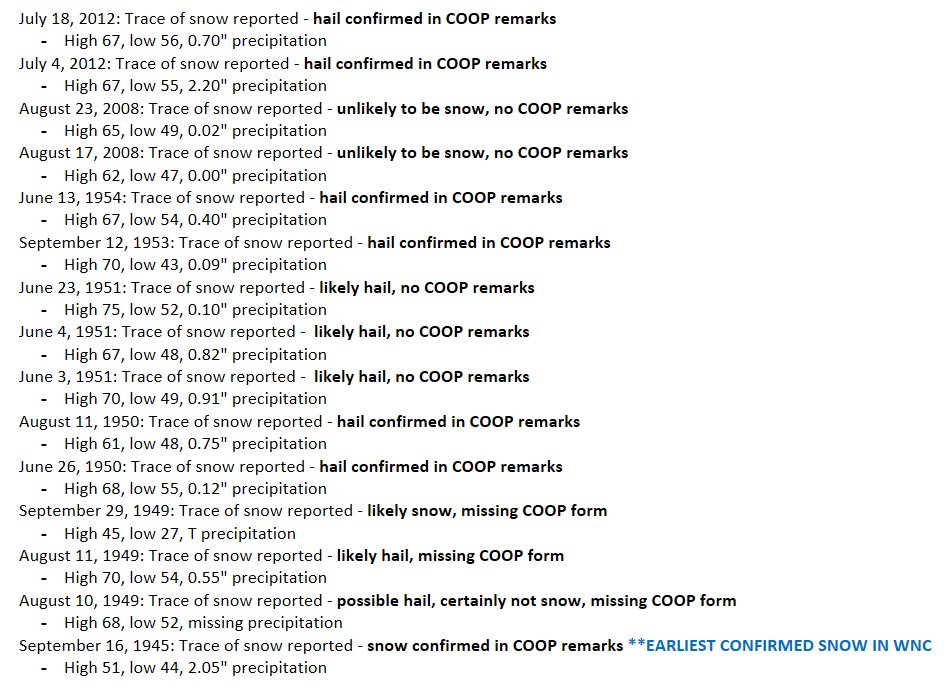
Perhaps I have failed to unearth these reports in old newspaper archives, but as far as I can tell, the claim is unsubstantiated.
June snow is certainly possible (surprising it hasn't been observed), but July is very nearly off the table temperature-wise. The record low is 36°F.
This fun fact has haunted me for years.
It's listed on information kiosks atop Mitchell, but never in the 86 years of official record keeping has snow been recorded in June, July, or August.
More than a dozen JJA snow reports are actually hail.
Been there, done that. Mount Mitchell (the highest peak in the eastern U.S. at 6,684 feet in North Carolina) has recorded snow in every month of the year