Bank of America has hired an army of external contractors to help it patch software vulnerabilities exposed by advanced artificial intelligence models including Anthropic’s Mythos, the bank’s CEO, Brian Moynihan, told CNBC on Wednesday.
Read more: https://t.co/qBkuAjo1f9
A CEO gets $147M through a share-linked deal, and somehow it becomes a story about panic in cybersecurity stocks.
He didn’t wake up one morning and decide to dump his shares.
This was a structured deal with settlement planned for 2029, while retaining ownership and voting rights in the meantime.
Not every financial transaction is a warning sign or a breaking news story.
Palo Alto CEO Nikesh Arora secures $147 million upfront through share-linked deal.
The agreement allows Arora to receive the sum against up to 500,000 shares, while retaining beneficial ownership and voting rights until settlement in 2029. https://t.co/RvmAf0HVH2
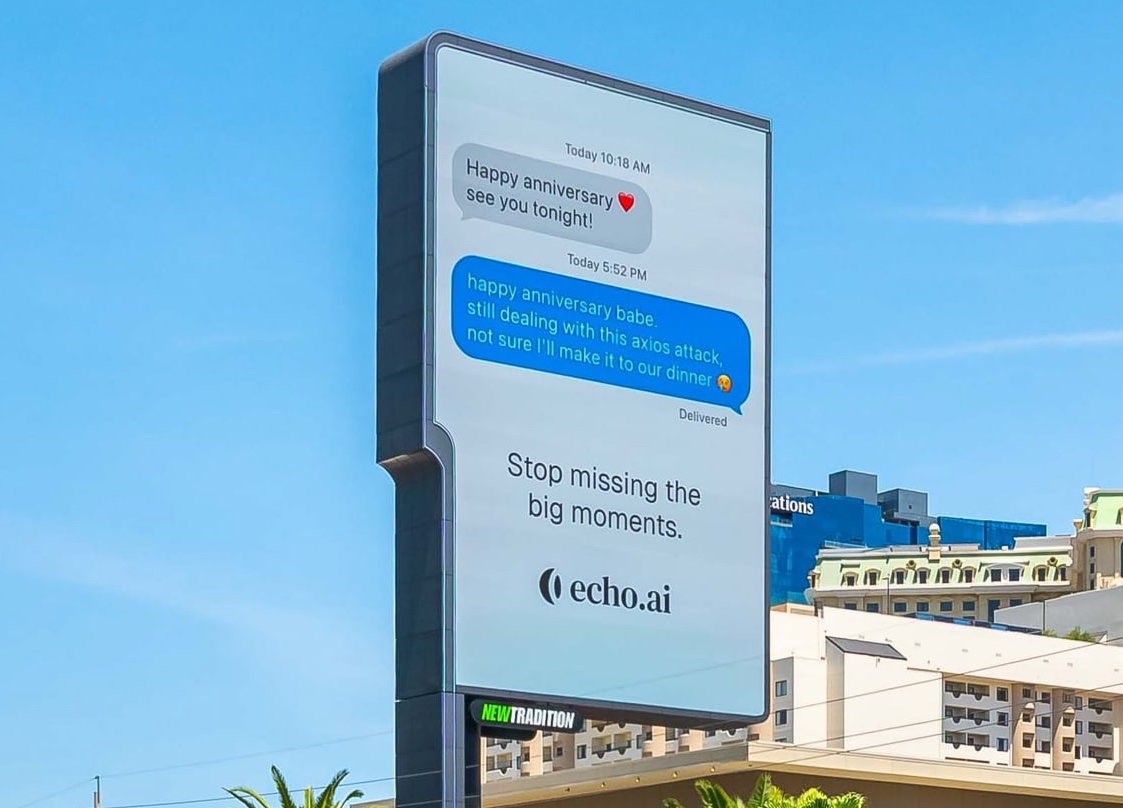
Echo just made LinkedIn’s Top 10 Startups in Israel for 2026.
I've always had a pretty clear idea of the kind of company I want to build.
And that's meant making some controversial decisions along the way. About who we hire, how we work, and the standards we refuse to compromise on.
Not everyone agrees with them, and that's okay.
But what makes this recognition actually special is that it’s based on actual data: growth, interest in the company, and our ability to attract great people.
And to me, that's another reminder that betting on the right people is the best decision a founder can make.
So proud of what we're building.
UPDATE: The cyberattack on French supermarket refrigeration systems has affected far more stores than initially reported.
The Les Mousquetaires group confirmed to BFMTV that 300 Intermarché and Netto stores were affected double the initial estimate of 150 outlets.
Meanwhile, fewer than 100 stores belonging to Coopérative U were also affected.
@zivchenking במיוחד בסטארטאפ בשלב מוקדם, כשהכול זז כל כך מהר, לא תמיד אפשר לחכות כמה ימים עד שתפגוש את הבן אדם שאתה צריך. אני רואה את זה אצלנו כל יום. זום והמציאות זה לא אותו הדבר.
@omerholz Fair point. If our R&D were in the US, I might think differently. but especially at an early stage startup, I believe the value of having everyone in the same room
⚠️ Let me break this down, because this matters.
npm and PyPI make it easy to install open source packages. But just because a package is available doesn't mean it's safe.
The problem: by the time a security scanner detects a malicious package, it may have already been installed.
That's why we built Echo's vetted repository.
Every package is vetted before it's made available, including provenance checks, malware analysis, suspicious maintainer and dependency changes, and continuous monitoring after approval.
Stop malicious packages before they reach your environment.
“Vetted” libraries - what’s actually being checked?
If you’re comparing hardened npm and Python libraries, that’s a question worth asking. A closer look at what vetting means for software supply chain security: https://t.co/N2oaSFn6rE
To secure open-source software, we’re launching OSS Scanner.
We’ll use our frontier models to periodically scan opted-in open-source projects for vulnerabilities, at no cost. Our reports will provide a proof-of-concept, explanation, and suggested fix.
https://t.co/UFFrLUd25U
Ironic.
Tensorlake builds sandboxes to safely run untrusted AI-generated code.
You can isolate every AI agent in the world.
But who's securing the code that runs the infrastructure?
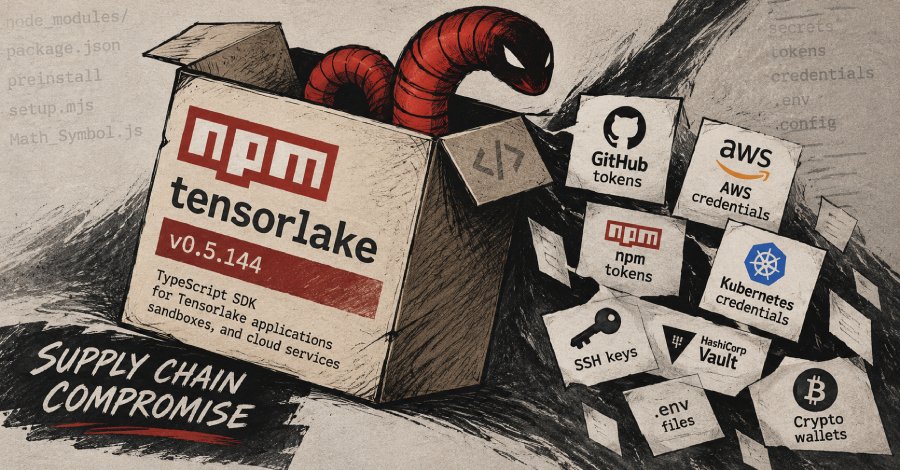
🛑 Removing the npm package may not remove the malware.
Compromised tensorlake v0.5.144 shipped a Shai-Hulud worm designed to steal GitHub/AWS credentials, persist on hosts, and republish infected packages.
It's off npm. Installed it? Remove it and rotate credentials.
Read - https://t.co/EmlxyJBg5u
This problem is only going to get worse. Not just because agents are writing more code and introducing more vulnerabilities, or because AI makes exploit development easier.
We’re entering a world of vulnerabilities before they even have a CVE, with models like Mythos and Daybreak finding them at scale.
I’m obviously biased, but the direction is clear: frontier-hardened software. We can’t expect every company to find and patch vulnerabilities themselves. They need to consume infrastructure that’s secure by default.
That’s what we’re building at https://t.co/R9NM28ulXR