Where Is Nigeria’s President?
The dynamic President of Ghana, John Dramani Mahama, delivered a remarkable address at the 81st United Nations General Assembly. The international community has commended his leadership and the substance of his address. It is a reminder of what leadership can produce when competence, capacity, compassion, commitment and character come together in the service of a nation.
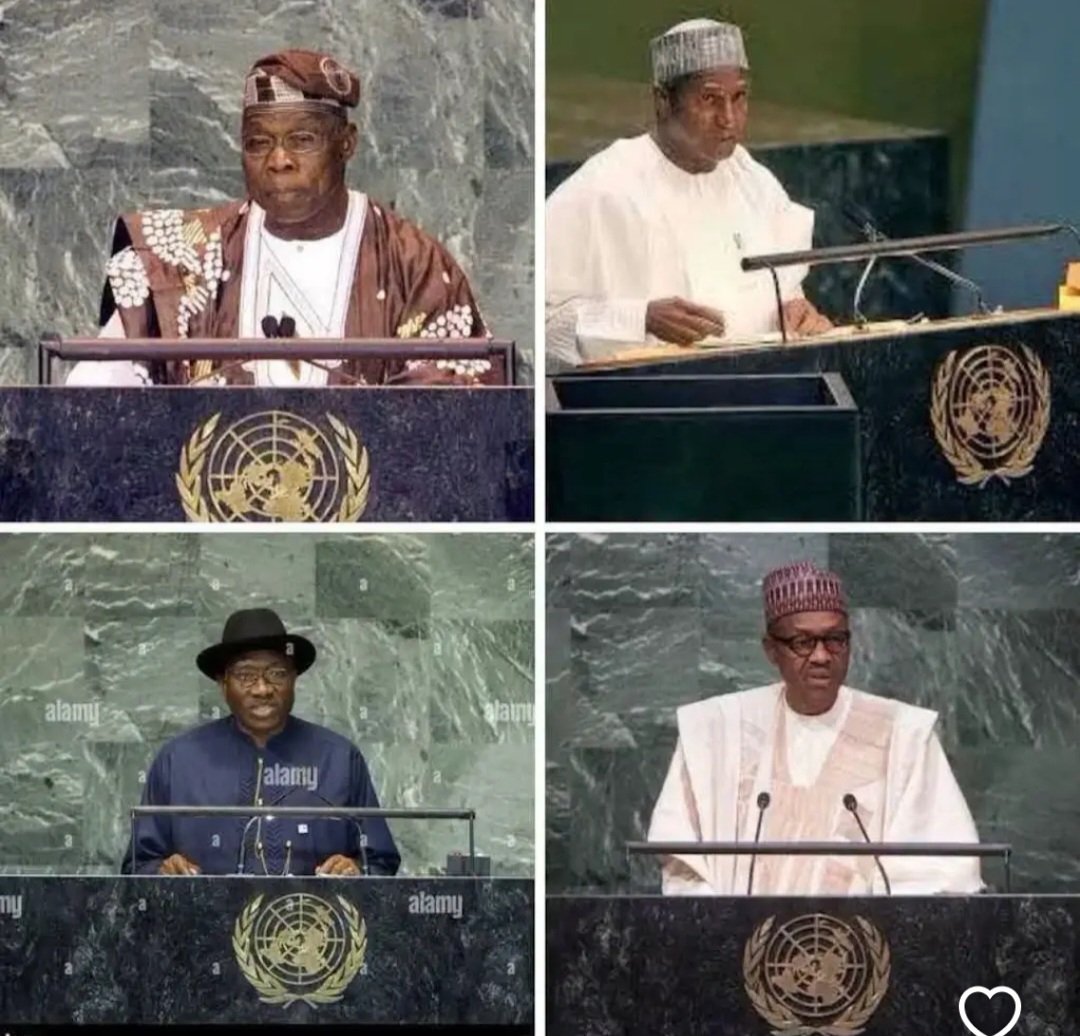
Against this background, many are asking: Where is the President of Africa’s most populous nation, a country of more than 200 million people - more than Ghana - whose leader has been absent from the global stage for three consecutive UNGAs?
Nigeria’s President, who ought to be representing the country and providing leadership for Africa at the international level, has not attended any of these three global gatherings. Where is he, particularly at a time when the country faces significant challenges, both domestically and internationally?
Although our Vice President, Kashim Shettima, was present, the question remains: Where is the President? Let us continue to pray for his return and for his leadership in addressing the many challenges confronting the nation.
A new Nigeria is POssible. -PO
Check out this video, "ghana president at un" https://t.co/p4LsxEPiOq
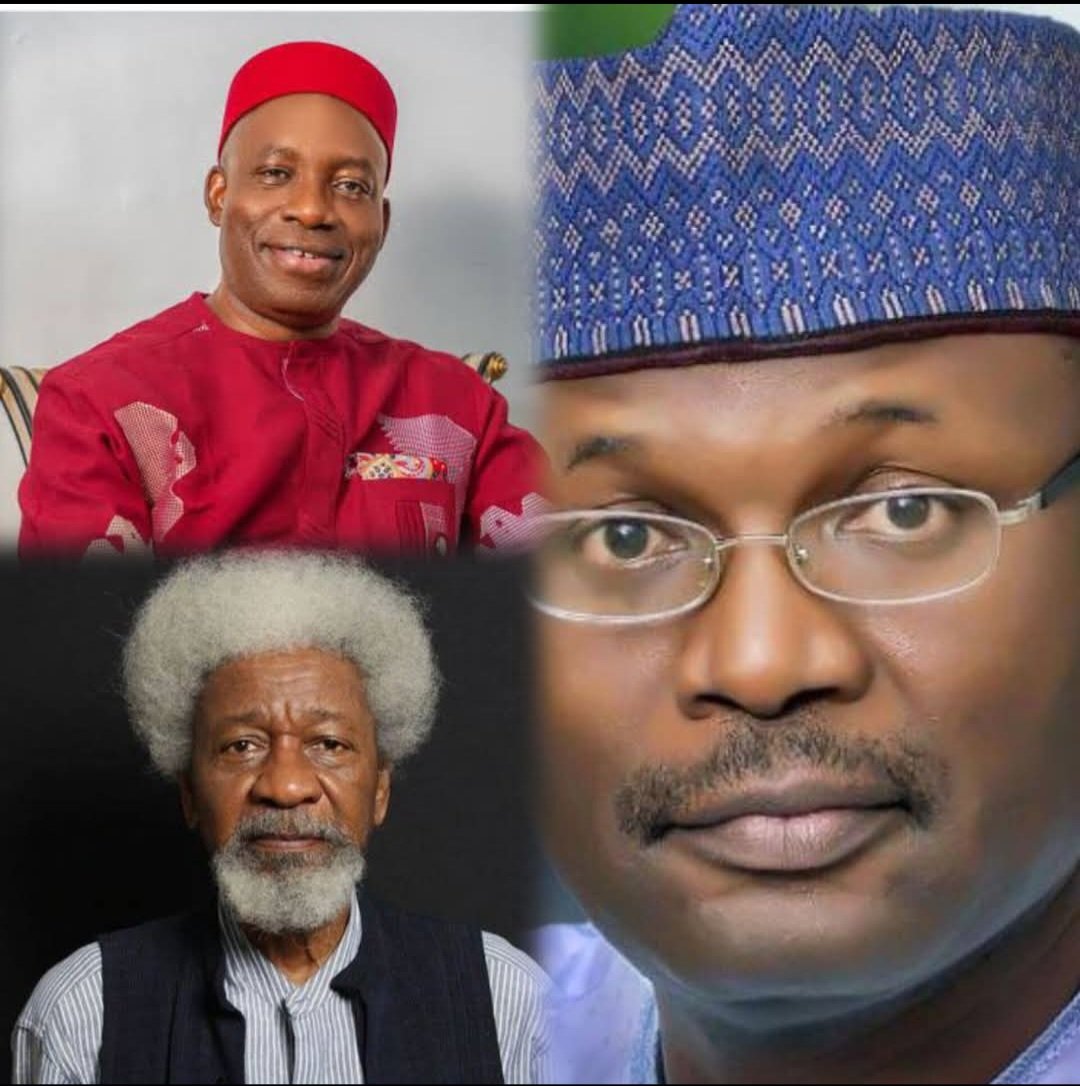
Some of them makes me to question the status of Nigerian professors. Professors are suppose to be oracle of innovation, ovulation for the rebirth of theories that provide solutions to human challenges and presiding over intellectual doctrines void of questionable characters. But here are some Nigerian professors more confused than illiterate and have sold the apex of intellectual stewardship to the highest bidder. Highly unfortunate!
Ahaaa, knowledge is taking place. My 2nd book publication...loading!
Texas has done it before. The question is: Can it do it again?
For more than a century, oil has been written into the DNA of Texas. It transformed small towns into cities, created fortunes, built industries, fueled America’s growth, and established Texas as one of the most powerful energy centers in the world.
But the next Texas oil boom will not look like the last one.
This book looks beyond the traditional oil boom to examine what could drive the next wave of energy development...
False statement or any form of deception with intent to manipulate the citizens is a crime under the law. Please show your data. President Tinubu and APC government failed the people, who never voted for them anyways, have been rejected by the people. All sycophants at the corridors of power be prepared to give a decent account of your stewardship or risk jail terms.
Democracy is not a loyalty test. It is not a lifelong contract between citizens and political parties. And it certainly should not require voters to defend failure simply because it carries the color, symbol, or name of the party they support.
An election should be a moment of accountability—a time when citizens examine what a government promised, what it delivered, what it failed to deliver, and how its decisions affected their lives.
If a government performs well, citizens should have every right to reward it, regardless of party affiliation. If it performs poorly, citizens should have the courage to reject it, regardless of party loyalty.
The ballot belongs to the individual, not the party. Political parties are vehicles for governance; they are not owners of the people's conscience. No party should be more important than the citizens it claims to represent. When party loyalty becomes stronger than accountability, voters stop judging performance and start defending personalities. At that point, elections cease to be genuine referendums on governance and become competitions in tribal loyalty, propaganda, and political allegiance.
A healthy democracy requires citizens who can say: “I support my party, but I will not support failure. I respect my leaders, but I will not surrender my judgment. I will vote for what I believe serves the public interest.”
That is not betrayal. That is democracy.
The true power of the ballot is not merely choosing who governs—it is reminding those who govern that their authority ultimately belongs to the people.
Party loyalty may influence a vote, but it must never silence the conscience of the voter.
APC Government is shameless! So they have reduced the destiny of Nigerians to bag of rice. Heaven is angry and will take its vengeance at the right time
@UtomiPat@UtomiPat I'm sure most of them haven't recovered from the shock. This awoken political tsunami will not spare them, including Senators and House of Representatives members
@Chude_ND1 They should have burnt her alive to serve as a deterrent to others. 2027 is not going to be business as usual. Everybody should warn their loved ones.
When Failure Is Rebranded as Wisdom
How can we invite politicians accused of looting public wealth and presiding over economic destruction to come and lecture us about wisdom? This is not merely a question about politics; it is a question about accountability, memory, and the values we choose to celebrate as a society. Experience does not automatically become wisdom. Holding political office for decades does not prove competence. Surviving scandals does not demonstrate integrity. And leaving behind economic hardship, weakened institutions, unemployment, insecurity, and diminished public trust should not be conveniently repackaged as a distinguished legacy. Before we give anyone a platform to teach us about leadership, we should have the courage to examine the record: What did they inherit? What did they do with it? What did they leave behind? Who benefited from their decisions, and who paid the price?
There is nothing wrong with learning from former leaders—even from their mistakes. But learning from failure is fundamentally different from celebrating failure as wisdom.
A society that rewards poor leadership with prestigious platforms risks sending a dangerous message to the next generation: that accountability is optional, consequences are temporary, and political power can eventually transform even a questionable record into an honored legacy.
Let those who governed explain their decisions. Let their records be scrutinized. Let credible allegations be investigated through due process. Let stolen public resources be pursued through lawful institutions. And let history judge leadership by measurable outcomes rather than political mythology.
Wisdom should produce better institutions, stronger economies, greater justice, responsible stewardship, and a better future for ordinary citizens
@IdrisZekeriJnr 🙏 may HE Peter Obi happen to Nigeria. And to anyone asking how many of this good deeds Peter Obi have done, you can equally do at least half of what H.E Peter Obi have done so far, they no curse you people not to prosper. Yeye people
When Governments Have Done a Good Job, Shut Up and Let the Results Speak for Themselves
In public service, there is a timeless principle that many leaders forget: when you have truly done a good job, you do not need endless self-praise. Your achievements will speak louder than your speeches.