Join our team! We're hiring a new Camp Director. Visit our website, https://t.co/H7Hn3tMKOx for more info. Applications will be accepted until January 10, 2022.
Want to help our native species? Install an insect hotel in your yard, as it provides an ideal hibernation place for them to spend the winter. Learn more about how to identify our native species at https://t.co/lYltFZUaAp
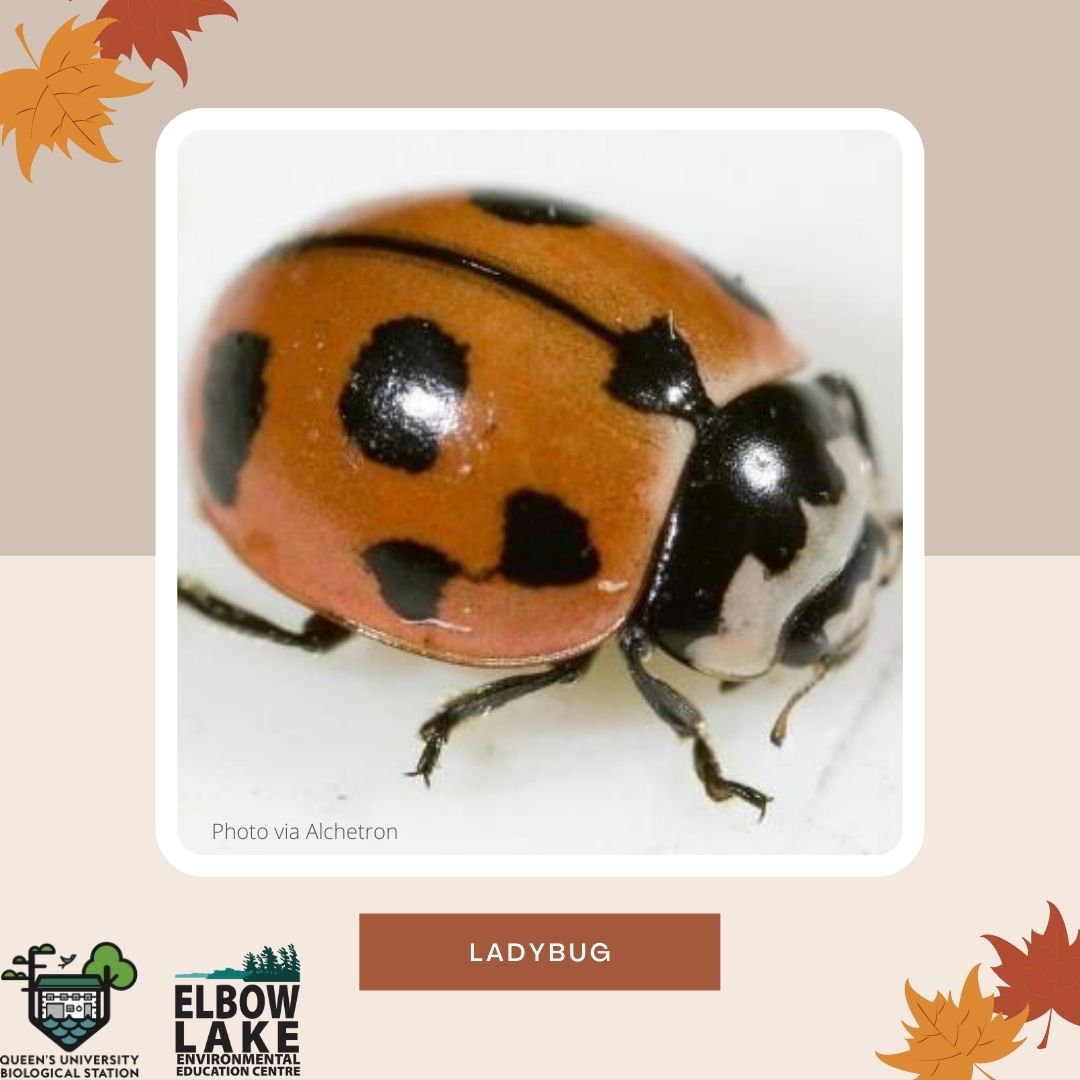
What happens to Ladybugs when winter comes? Like some other insects, Ladybugs or Ladybirds have evolved to survive winter conditions, unless a winter season is particularly harsh or lengthy. The onset of colder temperatures will signal that it is time to find a sheltered place.
Our native ladybug species are becoming extremely rare. In their place we are seeing ladybugs from other parts of the world. These species cannot survive below -5 degrees, so they seek warmer areas like inside our heated homes!
What birds have you spotted so far this season? Learn more about Project Feederwatch and how to include your birding observations in Citizen Science with our new @QUBioStation YouTube video! Check out https://t.co/Zh3XCArTey
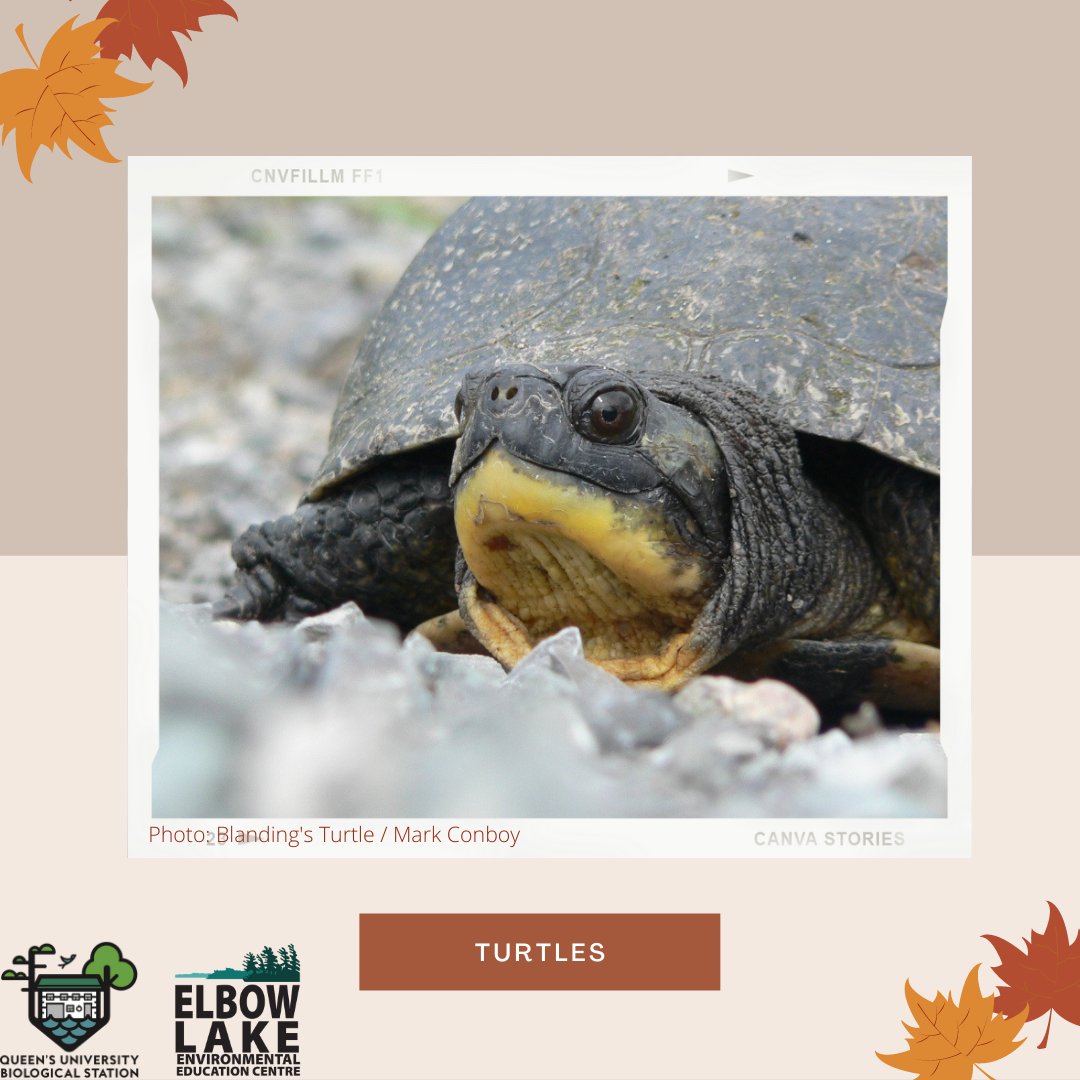
Ever wondered what these cold-blooded reptiles do when winter comes? All Ontario turtles remain safe and sound by hibernating at the bottom of ponds, lakes or deep in mud. #DidYouKnow they can slow their heart rate down to 1 beat every 10 minutes?
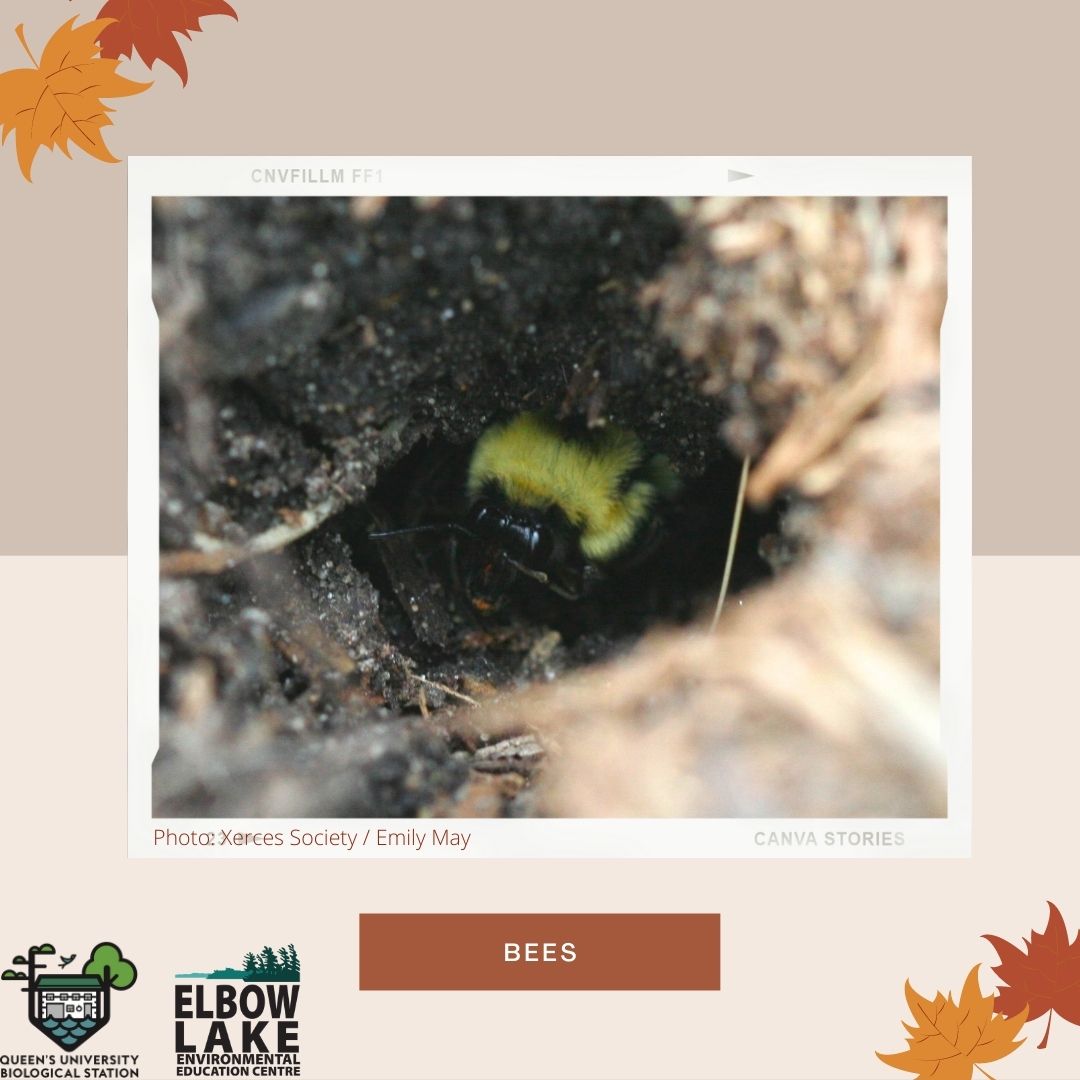
Honeybees overwinter as a reduced colony in their hives, forming a shivering cluster around the queen. Solitary bees, like mason bees, will overwinter in their nests as adults or larvae depending on timing. Wow! #WildlifeWednesday
While bees are a common sight in the summer, what happens to them when the colder weather arrives?
When the snow comes, different species of bees have their own ways of surviving the cold. Bumble bee queens (pictured) survive by hibernating underground.
Our new series will be focusing on animal adaptations as the weather gets colder! Do you think this grasshopper adapts or freezes? Trick question! Adults freeze but the young survive! Adult grasshoppers lay eggs that overwinter and hatch in the spring.
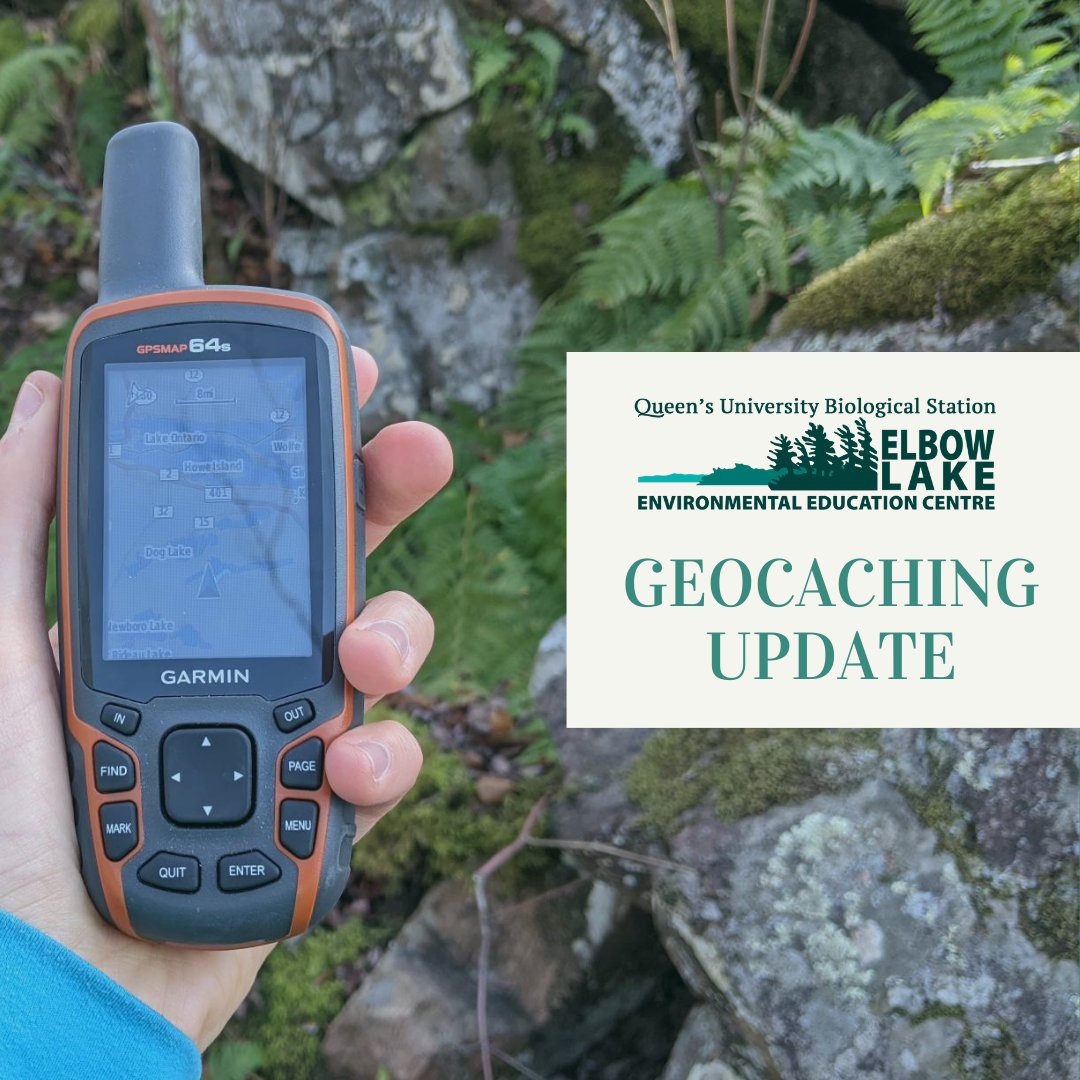
Stay tuned to Elbow Lake Environmental Education Centre’s website and social media for further geocaching updates! You can also check out our “Geocaching 101” event on the QUBS YouTube Channel! https://t.co/1eVpjrEWqk
We are excited to announce that we have deployed ten geocaches at Elbow Lake as part of the 2019 'Navigating our Landscape' grant from the @CFKingstonArea for the public to access! #thanksCFKA Check them out on the https://t.co/qwaOFmuwtq website or app.
These caches will range in difficulty and provide community members and school groups the opportunity to learn about the local landscape in an engaging way. We will also be creating a Geocaching Adventure to allow participants to embark on a scavenger hunt throughout Elbow Lake!
Today we acknowledge and remember what residential schools did to Indigenous children and families. In honour of this day, #QUBioStation invites you to learn more about its ongoing efforts to engage in truth and reconciliation work #Everychildmatters https://t.co/rdHi1HYmx8
Looking for something to do outdoors this weekend? Have a big tree in your neighbourhood and want to know how old it is? Counting rings on a stump can tell you how old the tree was, but what about living trees? Use our tree age activity to find out!
https://t.co/SDpuwJkY3p
Our #SpeciesOfTheWeek is the Twelve-Spotted Skimmer! This skimmer #dragonfly has 12 brown spots, with 3 on each of their 4 wings. Adult males have additional white spots between the brown ones. Thus, the species pictured here is a female!
Looking for something to do outdoors this weekend? Why not become a limnologist? Learn more about freshwater ecosystems near you by taking a water sample and filtering it using our "Make Your Own Water Filter" activity!
https://t.co/jjskqEDYbV
Our #SpeciesOfTheWeek is the Eastern Musk Turtle, aka the #Stinkpot! The Stinkpot is one of the world's smallest turtles, and its shell is less than 13cm long! You can help turtles by moving them off the road, helping protect critical habitats, and not taking wildlife as pets.
Join us for our next Virtual Family Night this Thursday August 12th at 7pm EST to learn about the Perseids Meteor Shower, planets, constellations, and how to identify them! 🪐🌕🌎💫 For more information and to register, visit https://t.co/zN6iZEmSuO