Finally, with @hw16, we managed to bypass the @Cloudflare mTLS protection after around 5 days of work. I'd like to share a few golden tips for bug bounty hunters who might face something similar in the future. But first, here's a quick summary:
The target was a banking app with multiple security layers:
• Heavy Frida detection mechanisms
• Strong root detection
• Google SafetyNet/Play Integrity checks
• Runtime hooking detection
• APK tampering protection (crashed immediately if repackaged/modified)
At first, @fridadotre was detected and crashed the app on my device but strangely worked on another device even though both had the same Android version, root method, Frida server version, and architecture. After investigation, we discovered the app had anti-hooking detection that triggered when using aggressive Frida hooks on sensitive KeyStore operations.
The Solution:
We wrote a minimal Frida script that:
1. Passively monitored certificate operations without modifying behavior
2. Intercepted KeyManagerFactory.init() - the exact moment when mTLS certificates are loaded
3. Extracted the X.509 client certificate and RSA private key (4096-bit)
4. Encoded them using Android's Base64 encoder
5. Formatted as PEM files ready for use
Found the mTLS certificate with a unique UUID-based alias in the Android KeyStore. The certificate was being dynamically loaded during the SSL handshake initialization
Extracted Files:
• client_cert.pem → Client certificate (valid for 2 years)
• client_key.pem → RSA private key (PKCS#8 format)
We then created a PKCS#12 bundle using OpenSSL to combine the certificate and key into a single file, which could be imported into various tools and browsers for testing or @Burp_Suite
Key Takeaway:
When facing anti-tampering mechanisms, be surgical hook only what you need, when you need it. Aggressive hooking triggers detection; passive monitoring flies under the radar.
This was an awesome challenge and my first time encountering such strong ssl Pinning defenses
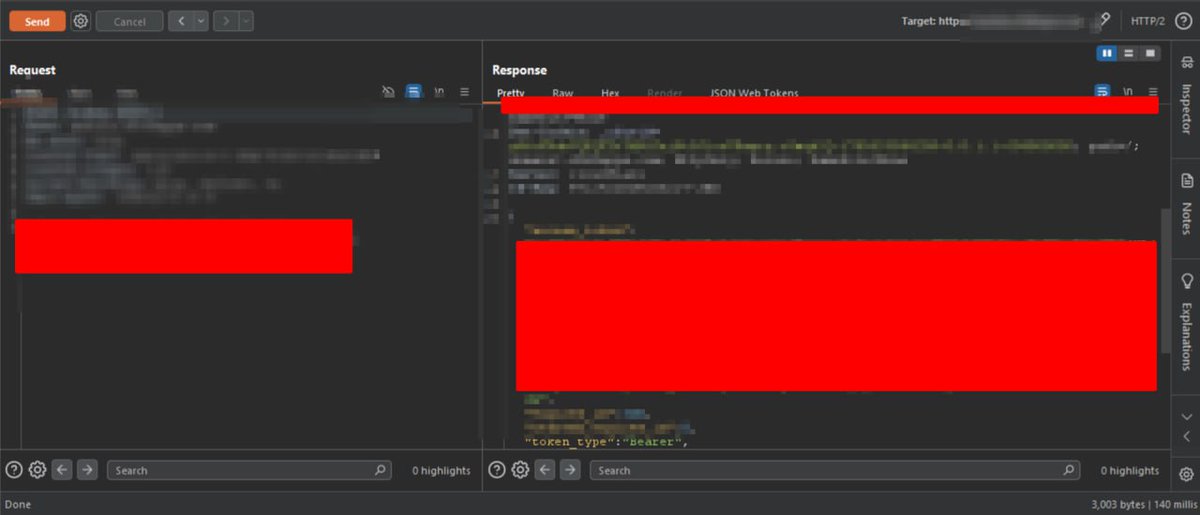
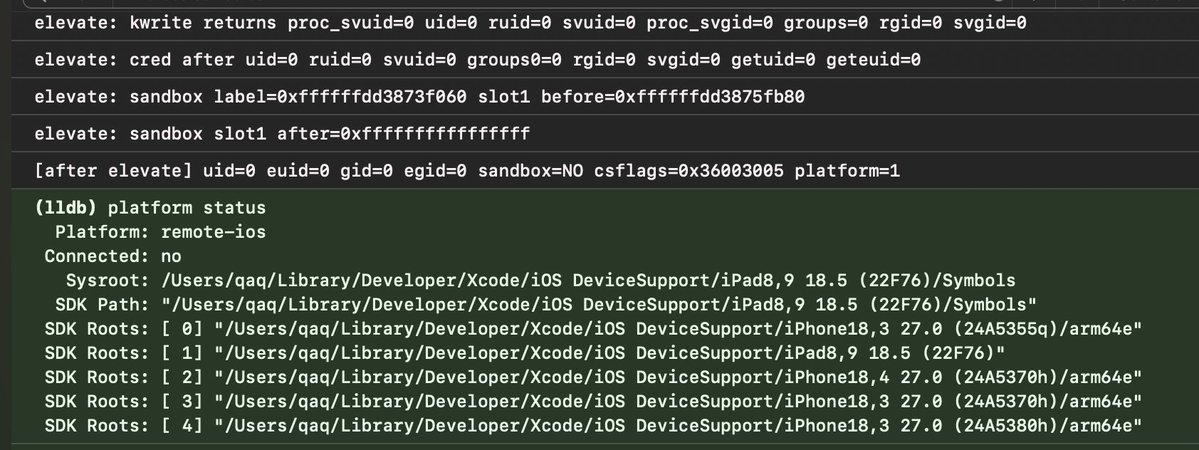
Attached some image from the mobile api and frida output the certificates
#bugbountytips #frida #Magisk #mtls
This is the clearest graphic I could make on Prompt Injection.
1. Yes it's a vulnerability
2. It is the superset
3. No this does not illustrate ALL risks, just some
Deep dive into Android Pentesting
Covered everything from static & dynamic analysis, Frida, Drozer, SSL pinning bypass, deep links, broadcast receivers, ADB, and more.
If you're into mobile security, this one's packed with real-world scenarios & tools
https://t.co/FGoBd8kuSd
New Web-to-App Tracking
A novel tracking method by Meta and Yandex affecting Android users
How: Apps can quietly open local connections on your phone. Browsers can talk to them—without asking you—letting companies like Meta and Yandex link your web activity to your app identity
Testing for file upload vulnerabilities? 🧐
Check out Malicious PDF Generator, an open-source toolkit to help you generate tens of malicious PDF files designed to exploit various vulnerabilities and insecure features found in PDF readers! 🤠
🔗 https://t.co/2rGxRmfyAx
Hi beautiful people🌹🖤
Here's the recording of my talk "You can be an iOS hacker: Stack Pivots and JOP/ROPs" I did at @BSidesCbr if you missed it 👉👈
hope you enjoy it as it was really fun talking about a topic I love :D
https://t.co/ZJ97I22NF1
Wow! I have just got my new certificate in Android Application Security - Free Course. See it for yourself! https://t.co/VHi8yaLI3x https://t.co/hBgSN84Xob
🔥 ESET fixed CVE-2024-7400 found by our researcher Dmitriy Zuzlov!
This is an LPE that affects 13 ESET solutions and allows a low-privileged attacker to delete arbitrary files, which can be used to obtain NT AUTHORITY\SYSTEM privileges!
The advisory 👉 https://t.co/V3bcaOmPW7
If you are an aspiring mobile hacker, or even a seasoned one, manipulating URL schemes in mobile apps is often something that gets overlooked.
Check out -
https://t.co/GhLavCjG5K
It's got a few good labs for practice!
$ Session Theft
$ Overwriting Files
$ Memory Corruption (ADoS)
$ HTML Injection