Professor in socio-digital inequality, interested in inequalities and vulnerability in participation in increasingly digital societies (incl social media).
Are you working to build a fairer world?
Applications are now open for the 2025-26 Atlantic Fellows for Social & Economic Equity (@AFSEE_LSE) programme, a funded fellowship for social change leaders at the LSE with the @Interactional
Learn more: https://t.co/R5ehvfQvZT
Next week Tuesday, the #UKIGF24 opening panel will discuss fostering #digital#inclusion with serious high caliber panellists @helenmilner, Prof. Lizzie Coles-Kemp, and @TimClementJone1 (and myself).
Can we eradicate digital exclusion?
More info: https://t.co/6qw7LgaNFO
Jornada «Inteligencia Artificial y Derechos de la Infancia en el Contexto Digital» #XXAniversarioPantallasAmigas
🗣️ Conferencia de @EllenHel, Catedrática de Desigualdades Socio-Digitales @MediaLSE
📅 Lunes 7 oct
📍 @GoogleStartupES #Madrid
👍@GoogleES @FMAPFRE @PantallasAmigaJornada «Inteligencia Artificial y Derechos de la Infancia en el Contexto Digital» #XXAniversarioPantallasAmigas
🗣️ Conferencia de @EllenHel, Catedrática de Desigualdades Socio-Digitales @MediaLSE
📅 Lunes 7 oct
📍 @GoogleStartupES#Madrid
👍@GoogleES@FMAPFRE@PantallasAmigas
@POST_UK Great to be part of this - an underexplored aspect of #digital#exclusion vital for understanding and policy making in the area of digital #inequalities. Note: ppl not being motivated to engage with the digital is not 'their fault', bad design and external circumstances can be.
Digital disengagement refers to motivational reasons for not being online or using digital devices. This may be an active choice or linked to reasons beyond someone's control.
Our new POSTnote has more on digital disengagement and impacts on exclusion: https://t.co/I6d3pL2Jr1
At the kick-off meeting for the #Digcapabilities project @NORCEresearch: A very important and timely project on Fostering digital capabilities among youth - NEET and migrant youth in particular. More needed across the world - maybe @DiS2O can take this on
https://t.co/DLQnqu2hS9
A new blog - interview with the @LSEInequalities discussing the implications of the @DiS2O and @REMEDIS_eu work we have done @MediaLSE around the interlinking of social and digital inequalities and effective interventions
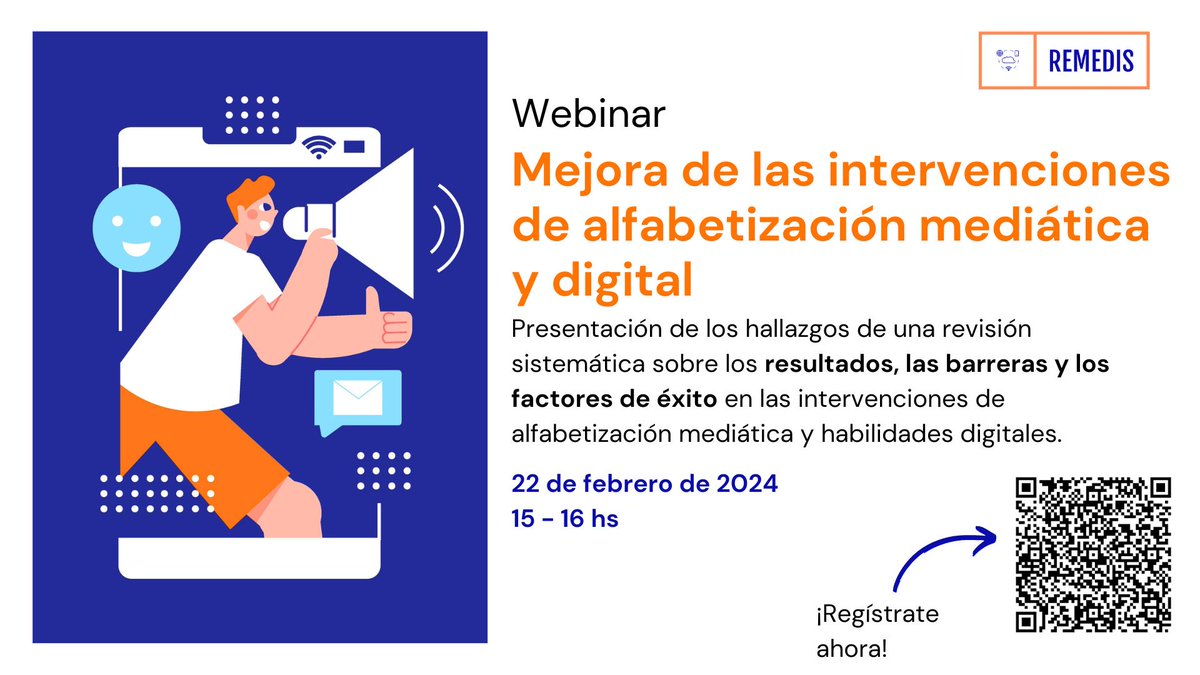
Este jueves a las 15:00-16:00 CET, les invitamos a participar en el primer webinar en Castellano del proyecto Rethinking Media Literacy and Digital Skills @REMEDIS_eu . En este webinar presentamos una revision sistematica de la evidencia existente. Registrese abajo!!!
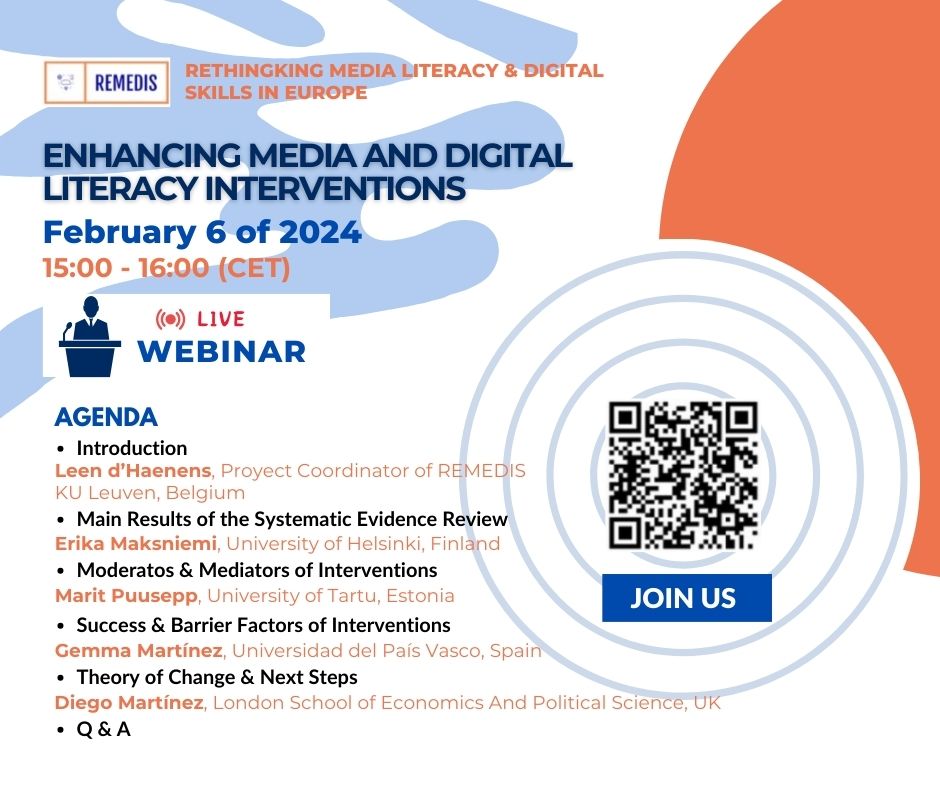
in 20 minutes the @REMEDIS_eu webinar is on!!! With Diego Martinez from @MediaLSE and @DiS2O presenting the theory of change underpinning this project examining the impact of Media Literacy and Digital Skills interventions on general well-being for different groups in Europe.
#MC425 discussed what influences who we relate to and how. This piece has parralels with the @MarianneDainton reading! The self, system, network and culture as influencing our dating choices. Bonus Q: Do (identity) threats play a role in habit formation? https://t.co/XBmtsYpg2w?
Listened to this on my way to @MediaLSE, perfect sync with #MC425 lecture on history of ICTs. Extended mind, body & interaction from writing to AI! Central Q What do we hope/fear tech supplements or substitutes (aka moral panics)? https://t.co/EJ96HlbknI
#MC425 has started again. Yesterday we discussed the Turing test and now I see that @jeffhancock has said that we are past the era of the Turing Test - What do the @MediaLSE students think? Did the bots pass the test? https://t.co/lgmOKcDFDx