Postdoctoral researcher. Social and cultural historian of crime, punishment, control and coercion in early modern Denmark. Focus on imprisonment and witchcraft.
Have you ever wondered how to be(come) the perfect inmate in an eighteenth-century prison workhouse? Maybe not - but perhaps you can find the answer in my newly published article? @tandfonline#twitterstorians#earlymodern https://t.co/cBLrAN74yZ
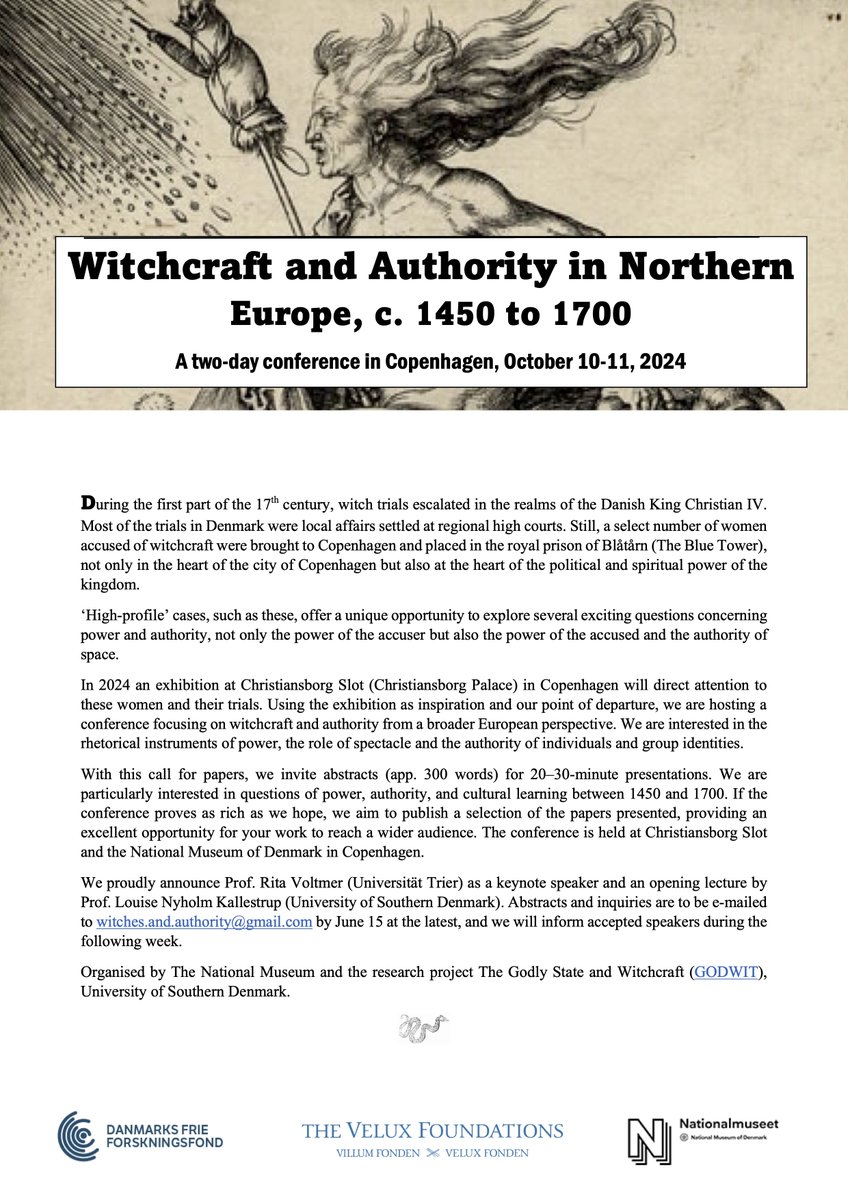
Call for paper is out for what I'm sure will be a very exciting conference on witchcraft and authority in Northern Europe which will take place in October in Copenhagen! #twitterstorians#earlymodern#hextag
Waiting for Louise Nyholm Kallestrup - first female professor at SDUs history departement - to start her inaugural lecture 🧙♀️
Congratulations, @Witchykallestrp !
#hextag
The statements are a fascinating source material that I had a lot of fun reading through. If you want to look through them (and feel comfortable reading 18C Danish) they are available to peruse on this platform (look under Erklæringer...): https://t.co/W6FgJQdhlm
When Anne Kirstine Eriksdatter petitioned for release in the 1770s, he implored the authorities: ‘[I] ask that she remain here until her sentence has expired, such punishment will, for the future, too, be the better for her recollection and be a warning against bad undertakings’.
Some inmates figured out how to work the system (so to speak) in order to receive a positive statement from the warden. Others never quite seemed to get the hang of it. Some even went as far as attempting to marry their way out of the prison - although not always successfully.
He therefore argued: "This gives one little reason to doubt that she could make her living in an honest way if she were granted the most humbly petitioned for freedom." Sometimes, however, he was not at all convinced that an inmate deserved release:
Have you ever wondered how to be(come) the perfect inmate in an eighteenth-century prison workhouse? Maybe not - but perhaps you can find the answer in my newly published article? @tandfonline#twitterstorians#earlymodern https://t.co/cBLrAN74yZ
For instance, when life prisoner Maren Jensdatter petitioned for her release in 1783, the warden noted that her irreproachably behaviour and her good work morale, made her a strong worker
The article examines c. 300 character statements made by the warden to accompany petitions made for inmates’ release between 1769-1789. The statements generally remarked on the inmate’s crime, behaviour, and the likelihood of their earning an honest living if released
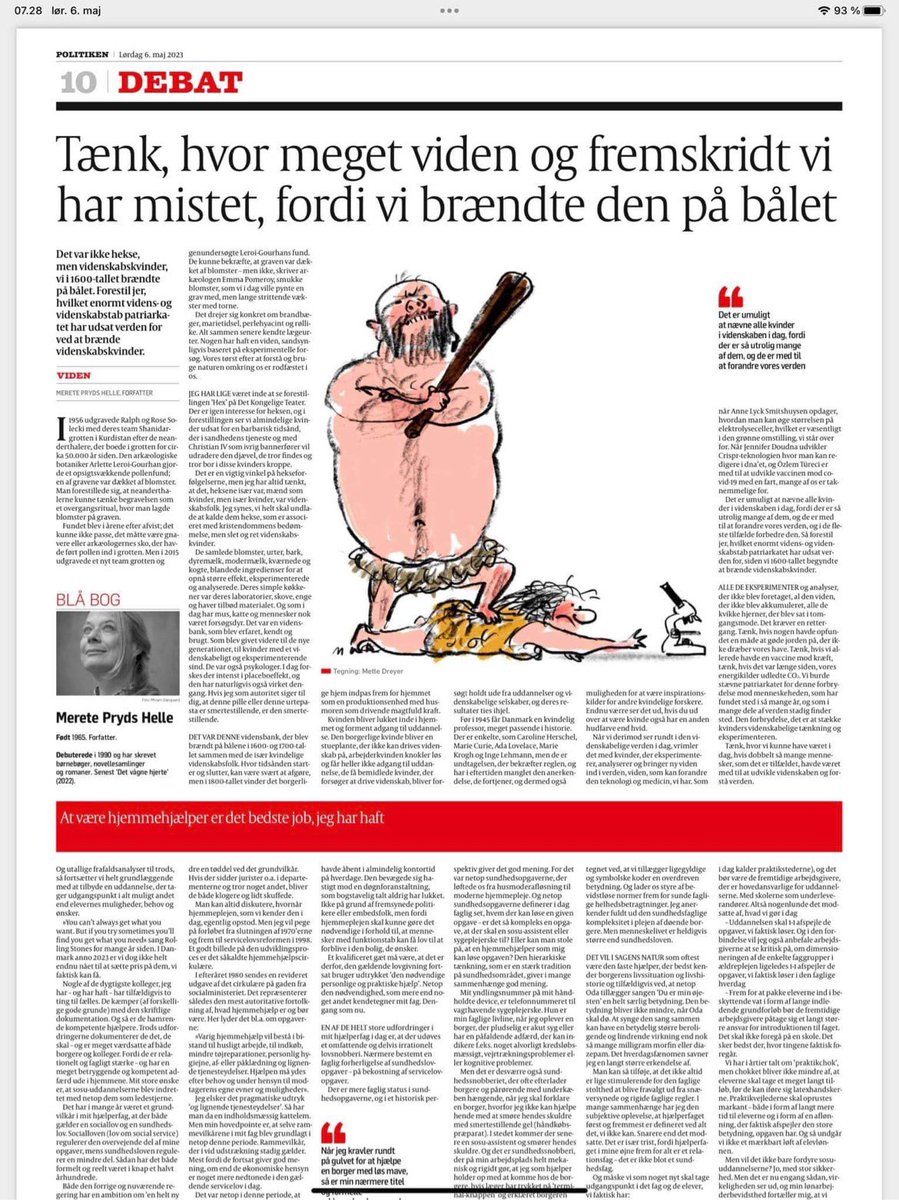
Selvfølgelig skal vi have kvinder i forskning! 🙋🏻♀️ De kvinder der på ulykkeligvis blev brændt på bålet blev dog ikke forfulgt pga deres klogskab. Trolddomssager omhandlede frygten for det onde og var en del af tidens religiøse forestillingsverden @politiken#vagthavendehistoriker
Når vi går kilderne igennem, er det kun et fåtal af de trolddomsanklagede der kan karakteriseres som “kloge folk” - langt hen af vejen var det helt almindelige mennesker #dkforsk#sdu
Platformen er guldgruppe af kilder i forhold til straffe- og kriminalitetshistorie - kig igennem alt lige fra retsforhør, supplikerklæringer og forbryderviser!
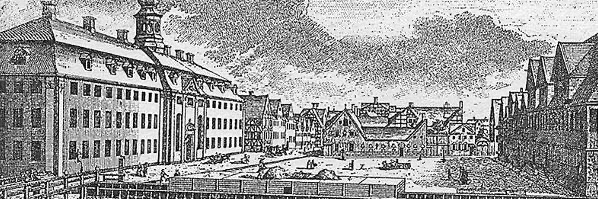
We're building a platform with sources on the history of labour coercion and punishment in Denmark. It is called Carceral Copenhagen (at least for now). It is unfinished (and mostly in Danish): but why not share it anyway: https://t.co/0uK1vYT3bl
And finally, @ELutherValentin tells us about: "Trusting a Clergyman: The Parish Priest as a Figure of Authority in Witchcraft Trials in 17th Century Denmark".
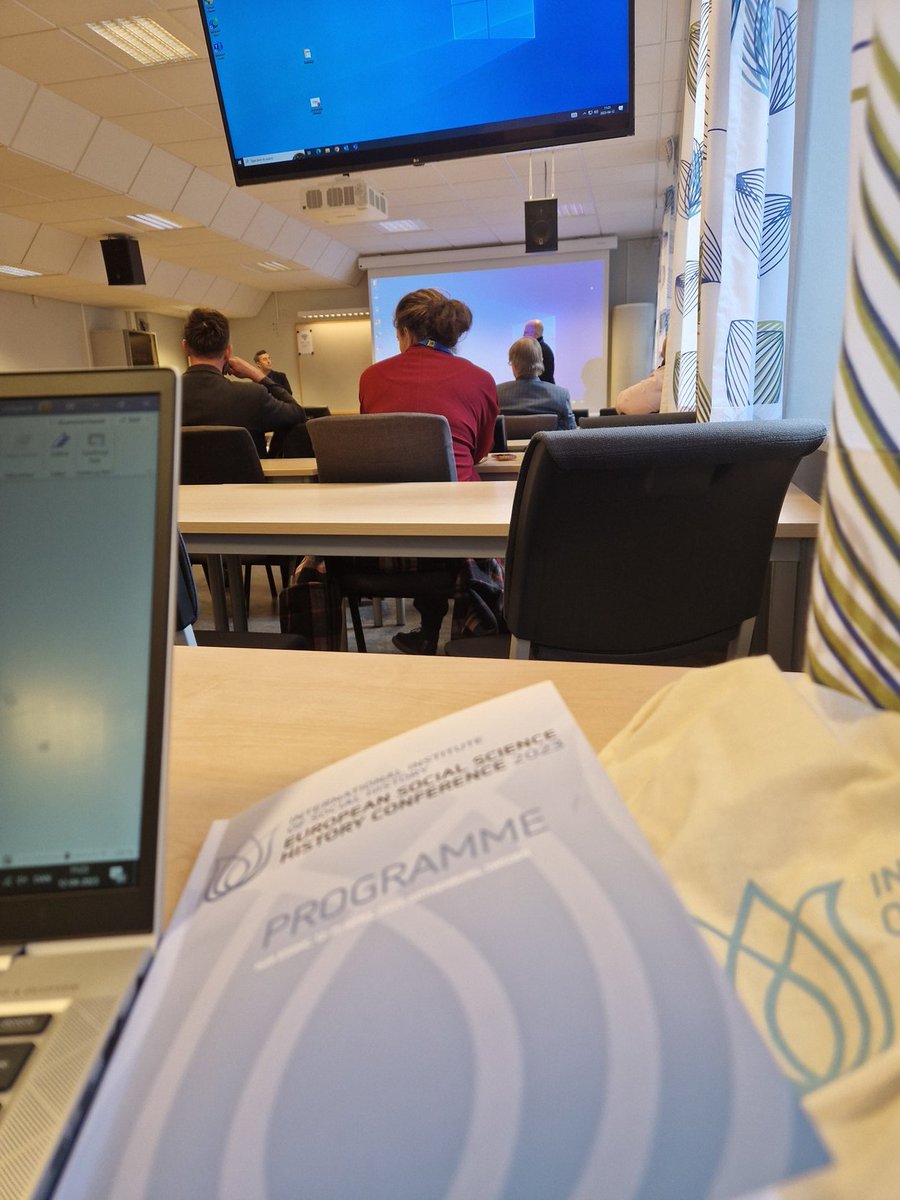
A very fascinating session at #ESSHC23, indeed!
At the #ESSHC2023 with @ELutherValentin, @Witchykallestrp and many other lovely people!
The first session on my programme is "Lordship and Serfdom from the 16th to 20th Century".
And in a few hours: the witches! 🧙♀️