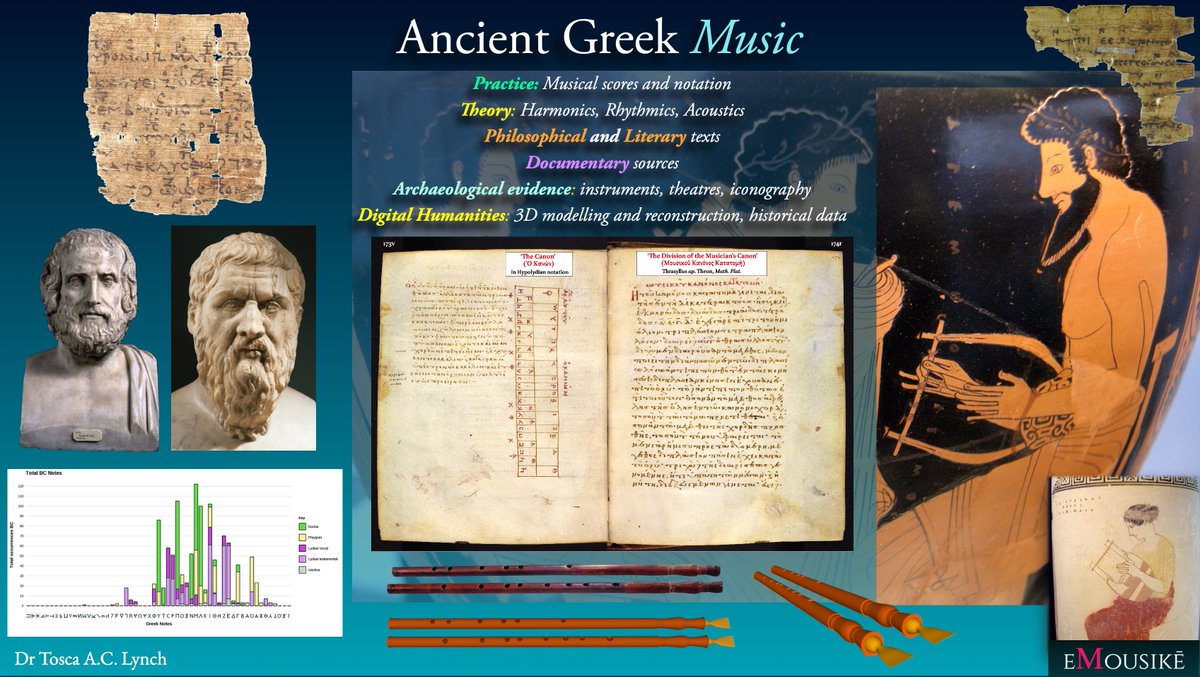
Delighted to share that five new entries on music, wind instruments, stringed instruments, rhythmics, and harmonics are now available in the Oxford Classical Dictionary!
Many thanks to all those who shared images of instrument finds & reconstructions, as well as recordings 🎶
iAulos is designed to help you visualise and play ancient Greek double-pipes (auloi), and explore the intervals and scales they produced.
https://t.co/NqS8PYVvcx
@eMousike
Enjoy! 🎶
Delighted to share an update that has been a long time in the making – the iAulos app! 🙂
A playable virtual model of Ancient Greek pipes such as the Louvre aulos
https://t.co/NqS8PYVvcx
@eMousike
Mind the gap, please!
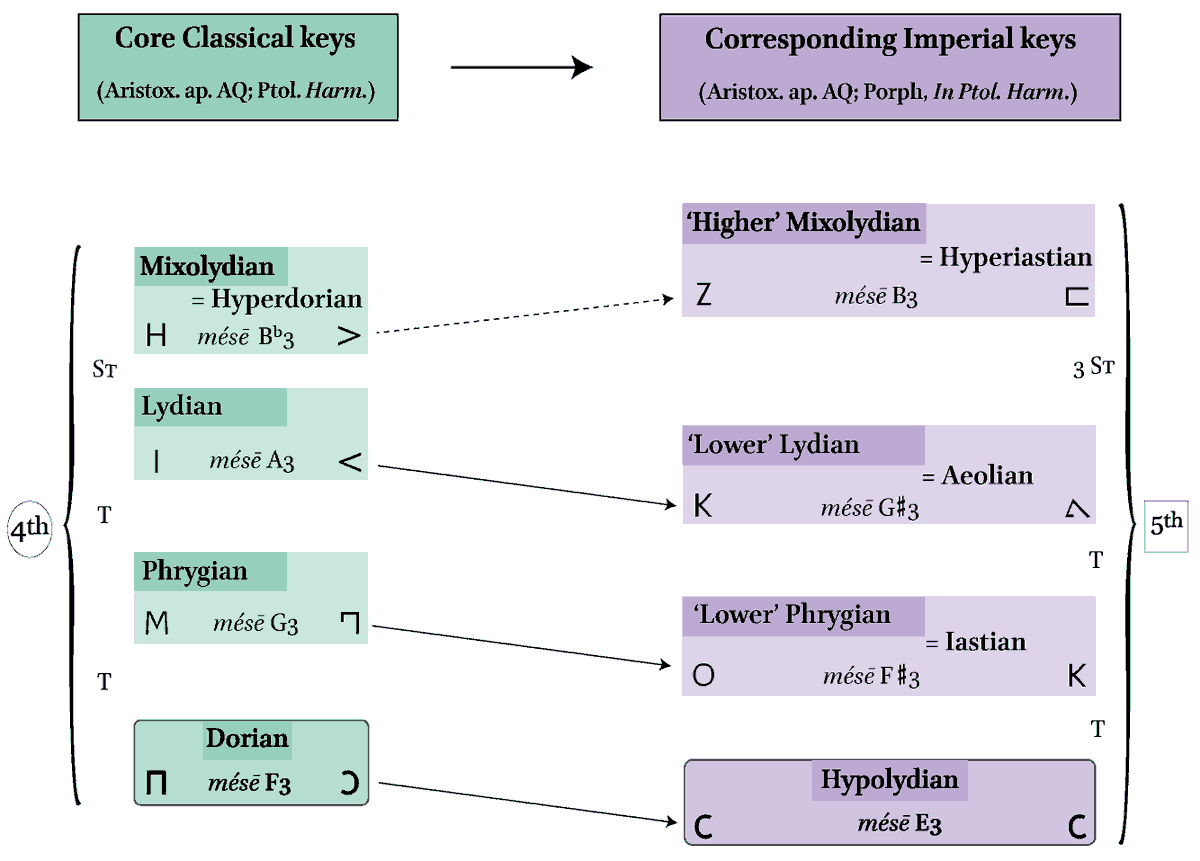
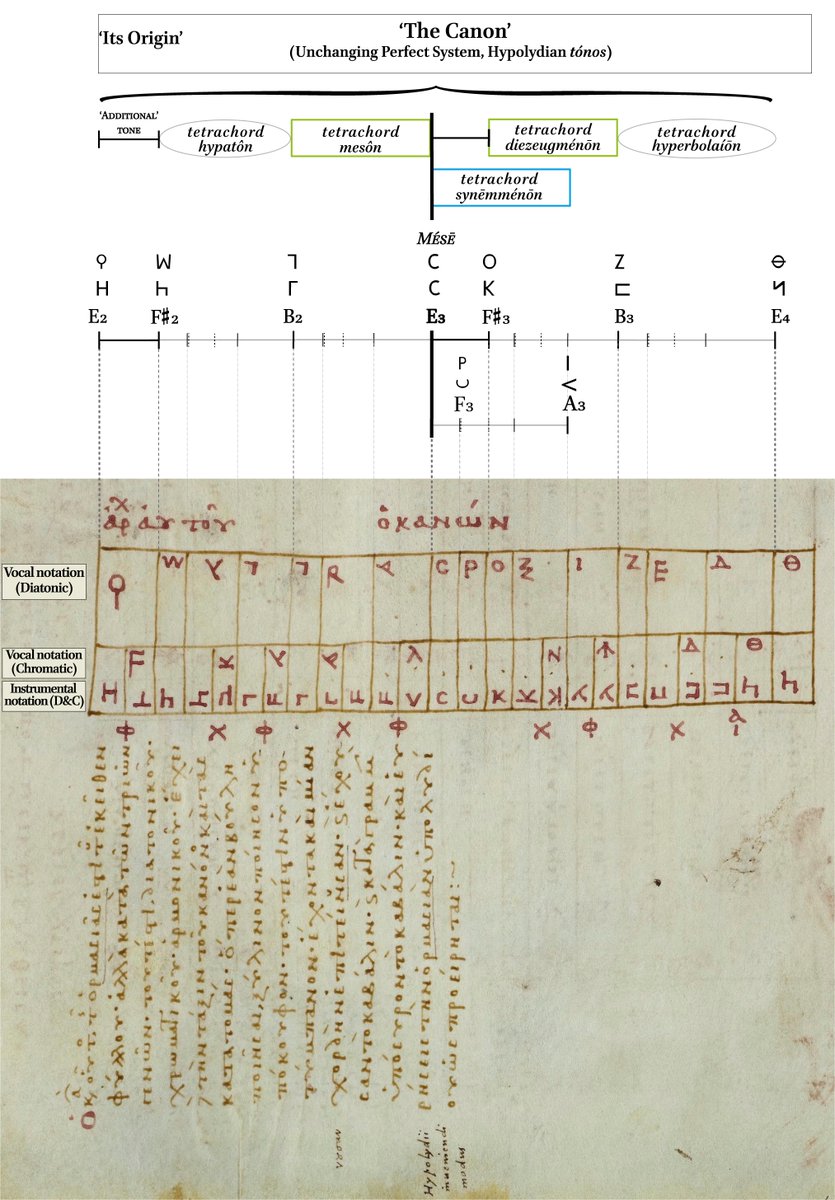
Why did Imperial musicians forego the keys that shaped Classical masterpieces such as Euripides’ tragedies or Timotheus’ Persians? And why did they rename the traditional Dorian mode, and called it Lýdia instead?
@eMousike
https://t.co/9rozvLGlWF
The Louvre aulos and the Lower Phrygian mode – an amazingly clear & engaging demonstration by Callum Armstrong!
Very grateful to Callum and Max Brumberg for all the work they put into making this video – more to come in the near future 🎶🏛️ @eMousike
https://t.co/5qsfkOxt7U
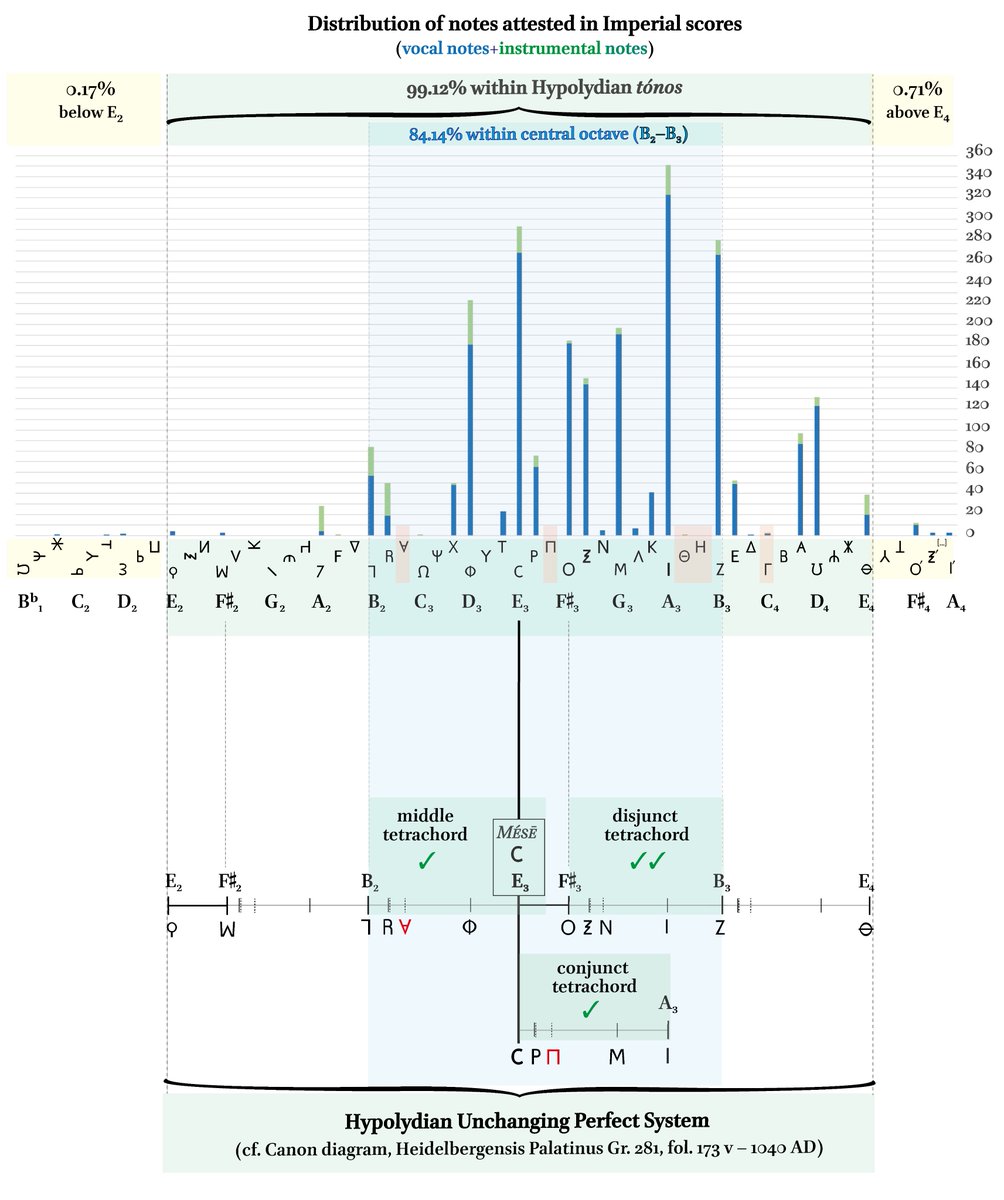
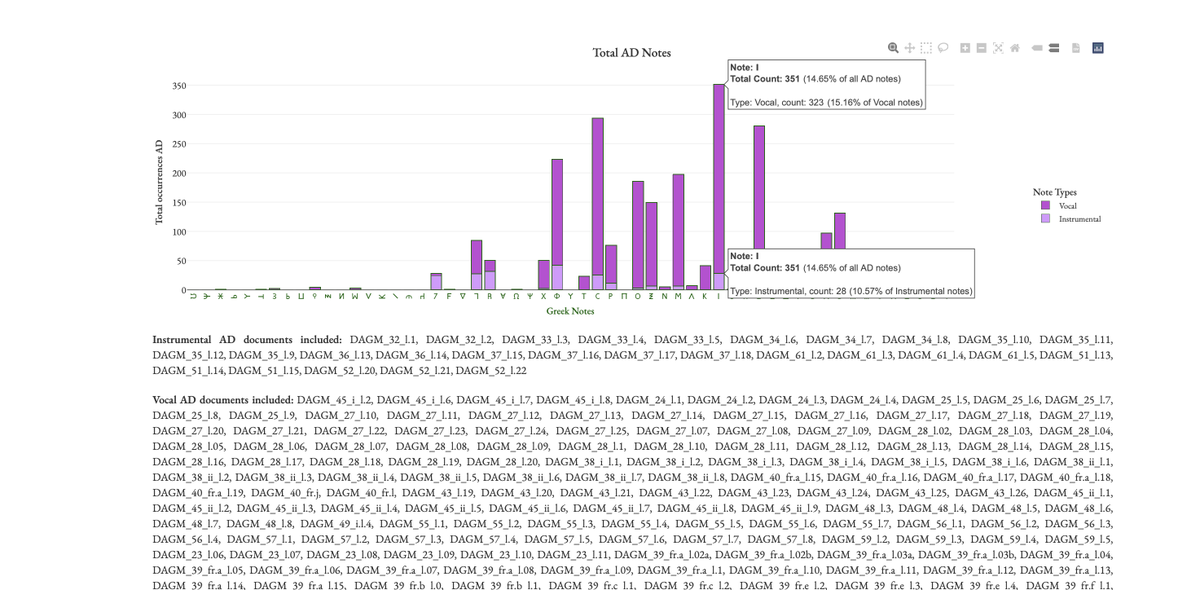
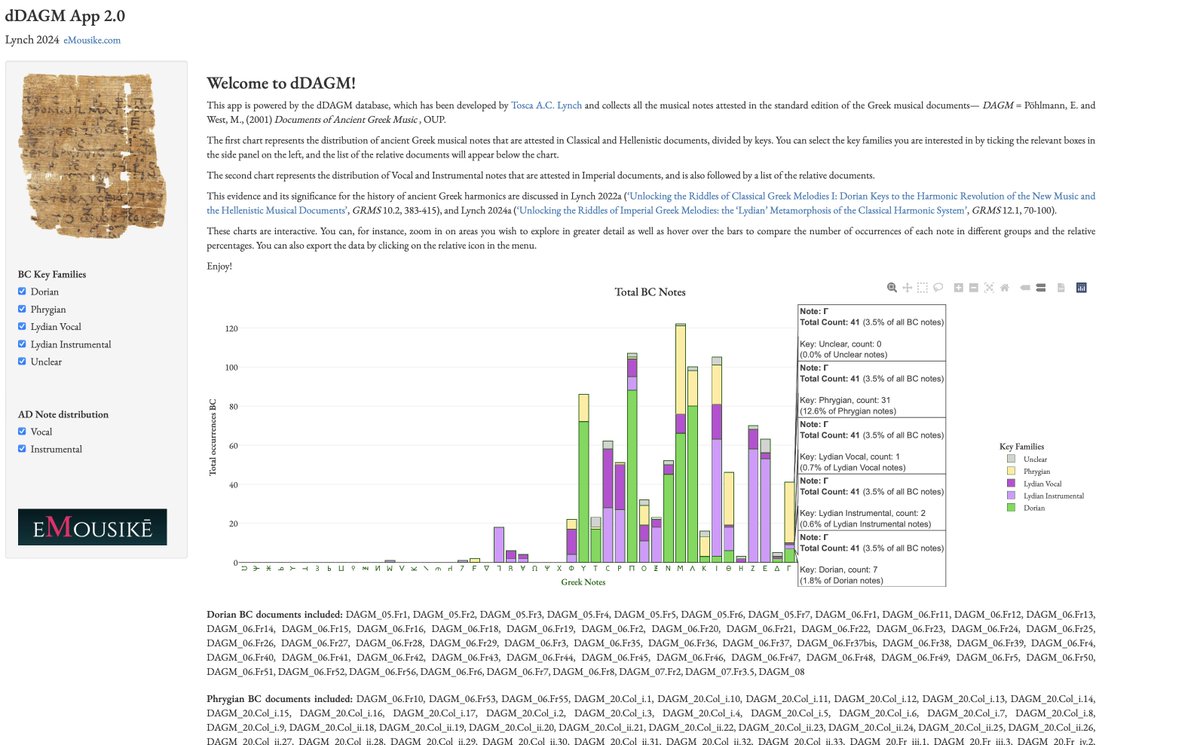
You can also explore the number of vocal and instrumental notes attested in the Imperial musical documents, and the relative percentages. Enjoy! 🙂
https://t.co/AsBmfTERxA
... and enables you to explore the data in different ways – you can now zoom in on areas of particular interest and compare the number of occurrences of each note in different keys in the Classical and Hellenistic musical documents.
https://t.co/AsBmfTERxA
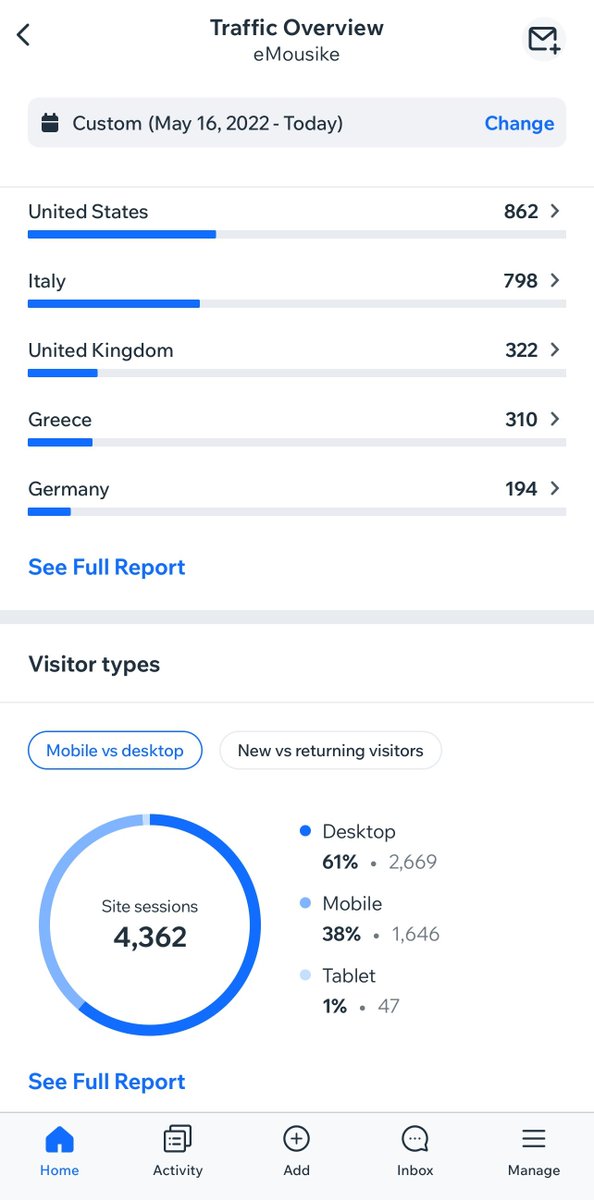
This is also a good occasion to thank all those who have visited @eMousike since its launch two years ago—an astonishing 4300+ sessions and 2800+ unique visitors from all over the world!
Happy Birthday, dDAGM! 🙂 📜🎶
To mark the occasion, a new version of the app is now available on @eMousike – dDAGM 2.0!
https://t.co/AsBmfTFpn8
As you will see, the app is much more interactive...
... knowing that so many people find these publications helpful has been a much-needed source of encouragement and motivation.
Thank you all again, I look forward to sharing new updates @eMousike in due course :-)
3/3
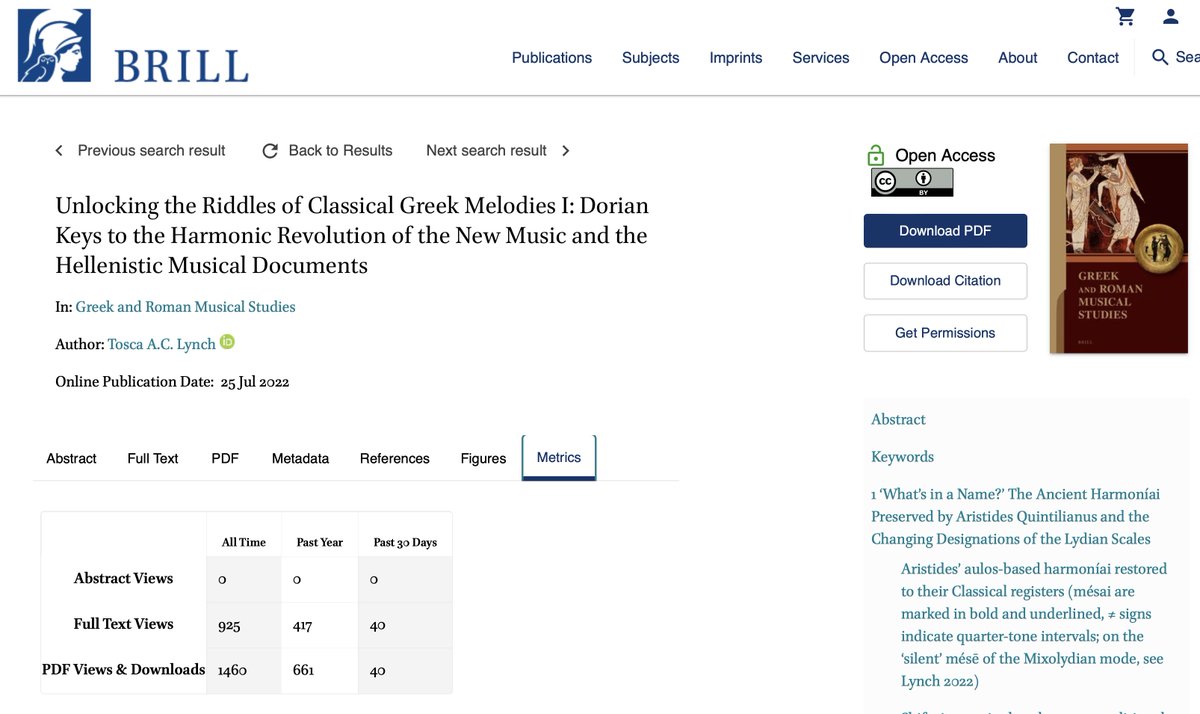
I'm grateful to all who have contributed to, and supported, my work in many different ways over the years—not least, by reading & downloading my latest articles over 6000 times since 2020!
This has come as a huge surprise to me, but...
2/3
Dear Friends,
I'm delighted to share some good news with you all – I've recently been elected a Fellow of the Royal Historical Society @RoyalHistSoc :-)
1/3
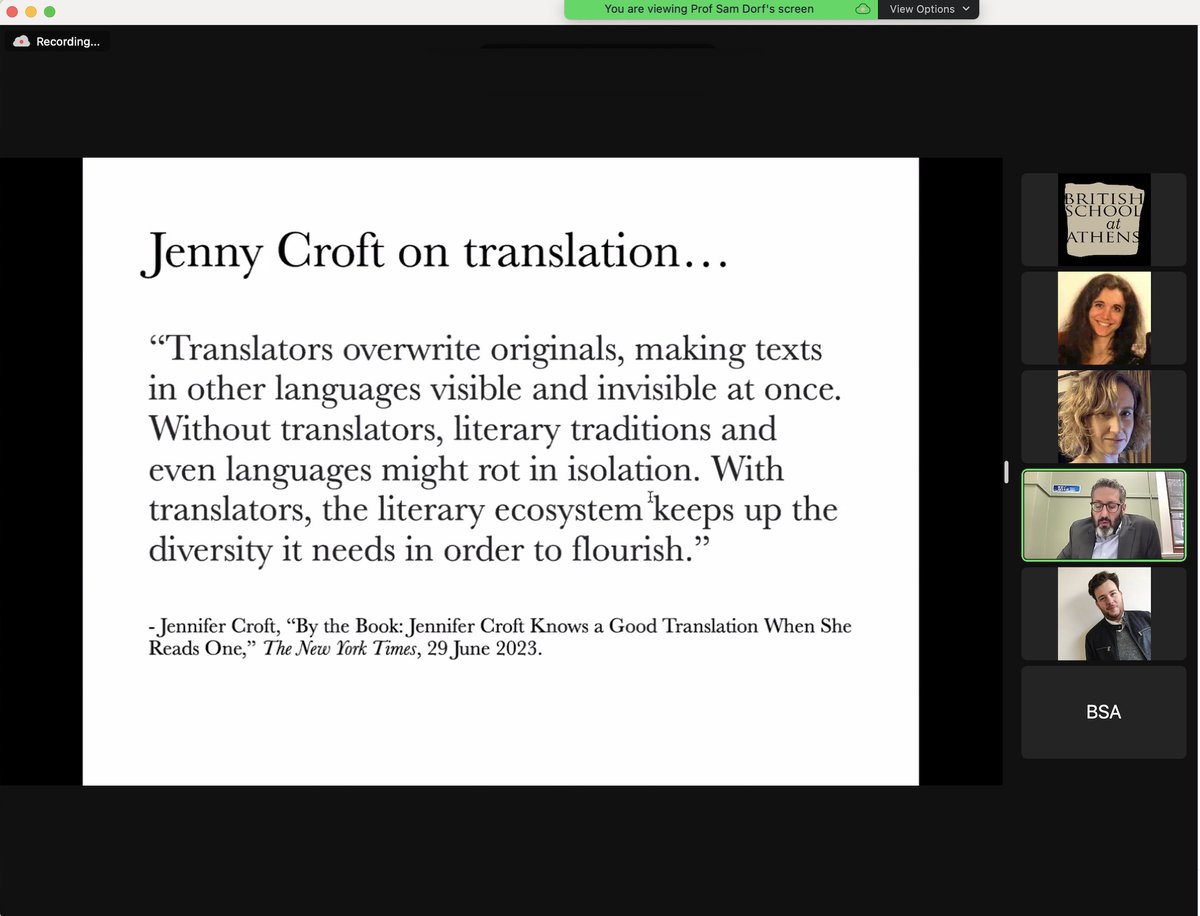
It was lovely to join @sndorf and @theothertoby in a thought-provoking conversation hosted by @BSAthens that focused on ancient Greek music and its modern 'translations'. Thanks again for the kind invitation and for chairing the event so well, @emilypillinger!
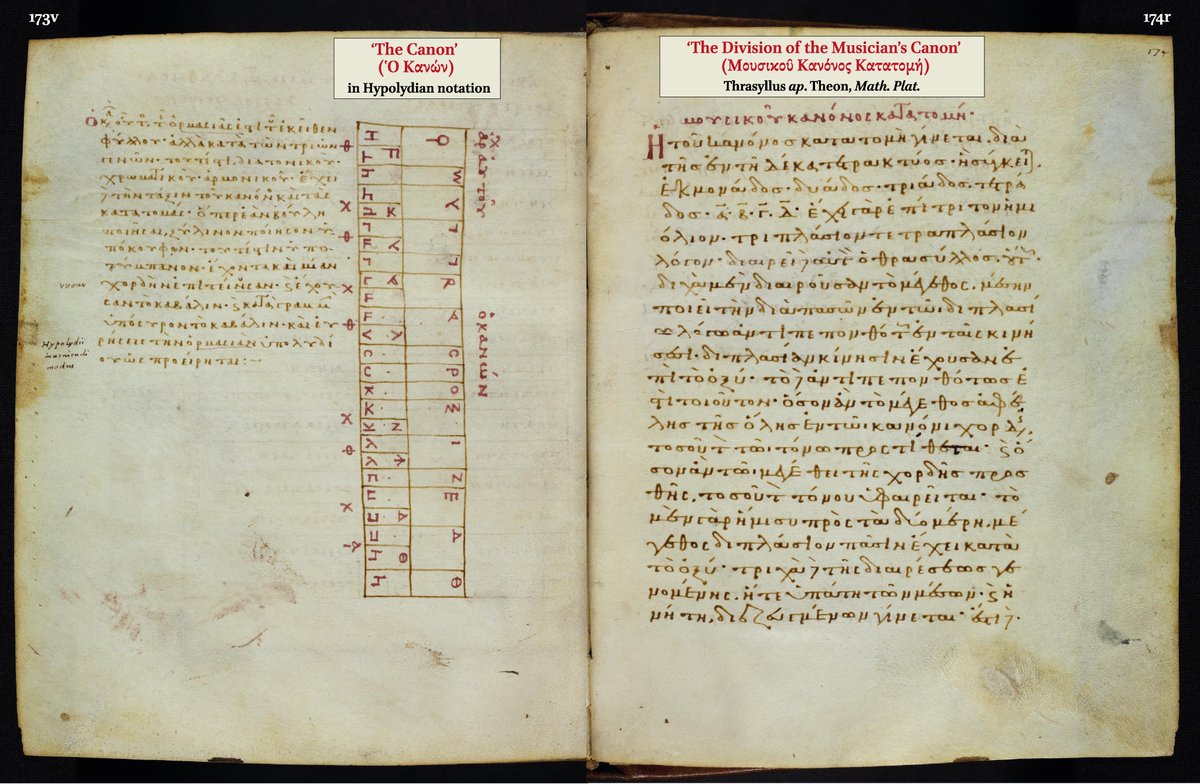
A summary of the main findings of the article, and high-res versions of the diagrams, are provided on @eMousike. Enjoy!
https://t.co/9rozvLGTMd
https://t.co/M0nFtaiEnM
https://t.co/KNC2nXepzj
‘There are serious puzzles here’, as Andrew Barker put it many years ago.
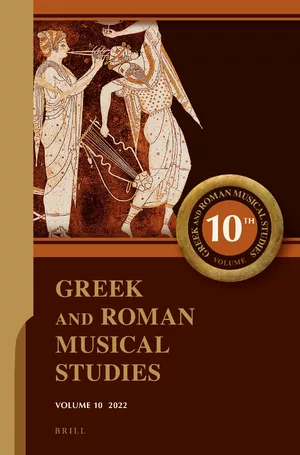
A new solution to these, and other, riddles raised by the ‘Lydian’ metamorphosis of Imperial Greek music is offered in my new article, which has been published recently in GRMS!
https://t.co/NclsN5XCmK