hello I'm Engineer Ed the legendary racer of Mario kart coming back soon and toy train and rc collector and an American patriot and debut Livestream soon
Ever have a moment when too many trains are going into the same station?
In the early 20th century, over four hundred U.S. railroads faced challenges after constructing numerous cars, tracks, and custom locomotives for their specific requirements. After World War One began in 1914, railroads faced increasing demands to transport war materials, even though the United States was not directly involved. When the United States entered the World War in April of 1917, the U.S. government saw many railroads wanting to do their bit for the nation, but the government sought a more efficient way.
Thus, in December of 1917, President Woodrow Wilson established the United States Railroad Administration (USRA), putting much of the nation's railroad network directly under the control of the federal government to move war materials and manpower. Congress later passed the Federal Control Act in March of 1918.
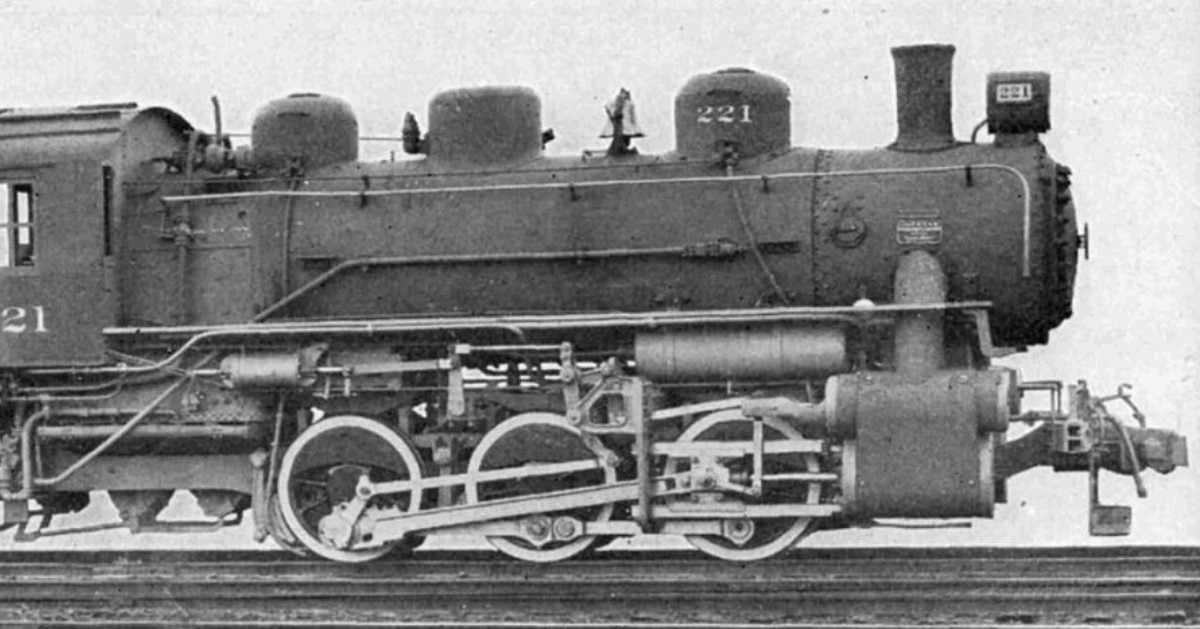
In doing so, the railroads coordinated ticketing, maximized freight shipments, shared trackage rights and facilities in major cities, and ordered new steam locomotives (including the Light Mikado and 0-6-0 switcher) and standardized freight cars. Federal control of the railroads would last until March of 1920 and set new standards for railroad operations and labor in the upcoming decade.
Image Credits: World War I Propaganda Poster: Library of Congress, Prints and Photographs Division; USRA 0-6-0 Switcher: Locomotive Cyclopedia of American Practice (1922), via Wikimedia Commons; USRA Light Mikado: National Archives and Records Administration, Record 111-SC-13537.