Antibiotic pollution reshapes aquatic life.
A new study in EEH found duckweeds stored sugars under stress, while fish converted sugars into lipids. Low-dose antibiotics increased probiotics, but high doses caused gut dysbiosis in snails.
#Antibiotics#WaterPollution#Microbiome
What makes ecology reviews highly cited? A new study in Eco-Environment & Health finds that writing style, authenticity, clout, and narrative structure all influence citation success.
Read more:
https://t.co/iBaEUphTT9
#ScientificWriting#Ecology#AcademicWriting#EEH
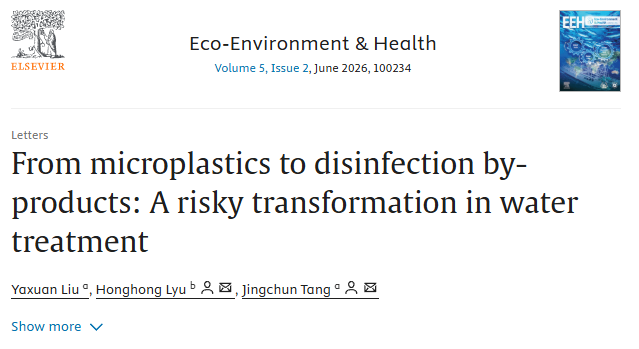
Microplastics & nanoplastics can survive water treatment and react during chlorination/ozonation to form potentially toxic disinfection by-products (DBPs), posing emerging risks to drinking water and aquatic ecosystems.https://t.co/U6ClDn3GD8
#Microplastics#EnvironmentalHealth
Antibiotic resistance isn’t local—it travels.
New genomic evidence shows long-distance spread of “superbug” genes between animals & humans across China, driving >20% of human infections.
A wake-up call for #OneHealth strategies.
#AntibioticResistance#PublicHealth#EEH
Nighttime ozone isn’t harmless.
A multi-city study finds nocturnal ozone enhancement (NOE) is linked to higher cardiovascular mortality—independent of daytime exposure.
Air pollution control must consider both day & night.
#AirPollution#PublicHealth#Ozone#EEH
New in EEH:
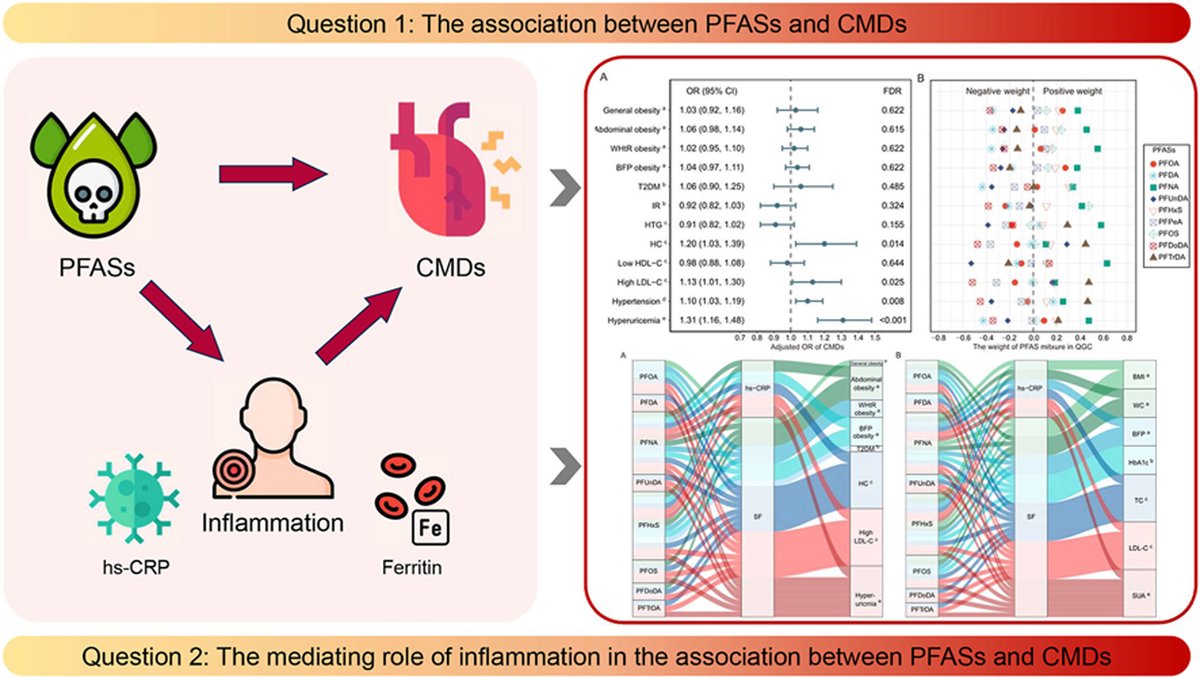
Serum PFASs were associated with increased risks of multiple cardiometabolic diseases, with PFHxS affecting all 5 CMD categories. Inflammatory markers, especially serum ferritin, may play an important mediating role.
https://t.co/tFKLw79aC5
#PFAS#PublicHealth#EEH
New article in EEH:
A global assessment of E. coli emissions from 58,502 WWTPs shows 78.3% exceed 3 log MPN/100 mL, revealing widespread microbial pollution and insufficient disinfection.
https://t.co/qIbalGsjvB
#WaterQuality#Wastewater#EEH
🌍Using ML, this study maps global E. coli emissions from 58,502 WWTPs worldwide. 78.3% exceed 3 log MPN/100 mL. HDI-stratified discharge standards and disinfection upgrades could reduce non-compliance by up to 58%.
https://t.co/qIbalGsjvB
#EEH#WaterQuality#Wastewater#Ecoli
🧬 New in EEH (Open Access): Genomic evidence links last-resort AR genes in E. coli between food animals & humans across China—>90% transmissions are cross-regional.
https://t.co/PLfGVDEuid
#OneHealth#AMR
Can reducing coastal eutrophication increase neurotoxic mercury risks?
A new EEH Letter shows eutrophication mitigation may elevate methylmercury (MeHg) exposure in coastal food webs.
🔗 https://t.co/wz8qvrh1Ck
#EcoEnvironmentHealth#Mercury
Pregnant women metabolize rice vs fish methylmercury differently! 🚰🐟New Hg isotope research finds rice MeHg breaks down faster—but cord blood still exceeds EPA limits in mining areas.Must-read for public health: https://t.co/JdHUvNHcsR #FetalHealth#EnvironmentalToxicology
A breakthrough in methylmercury detoxification by primary producers could bridge gaps in mercury emission reduction and exposure.
Full article (Open Access):
https://t.co/h2u0ISwD4F
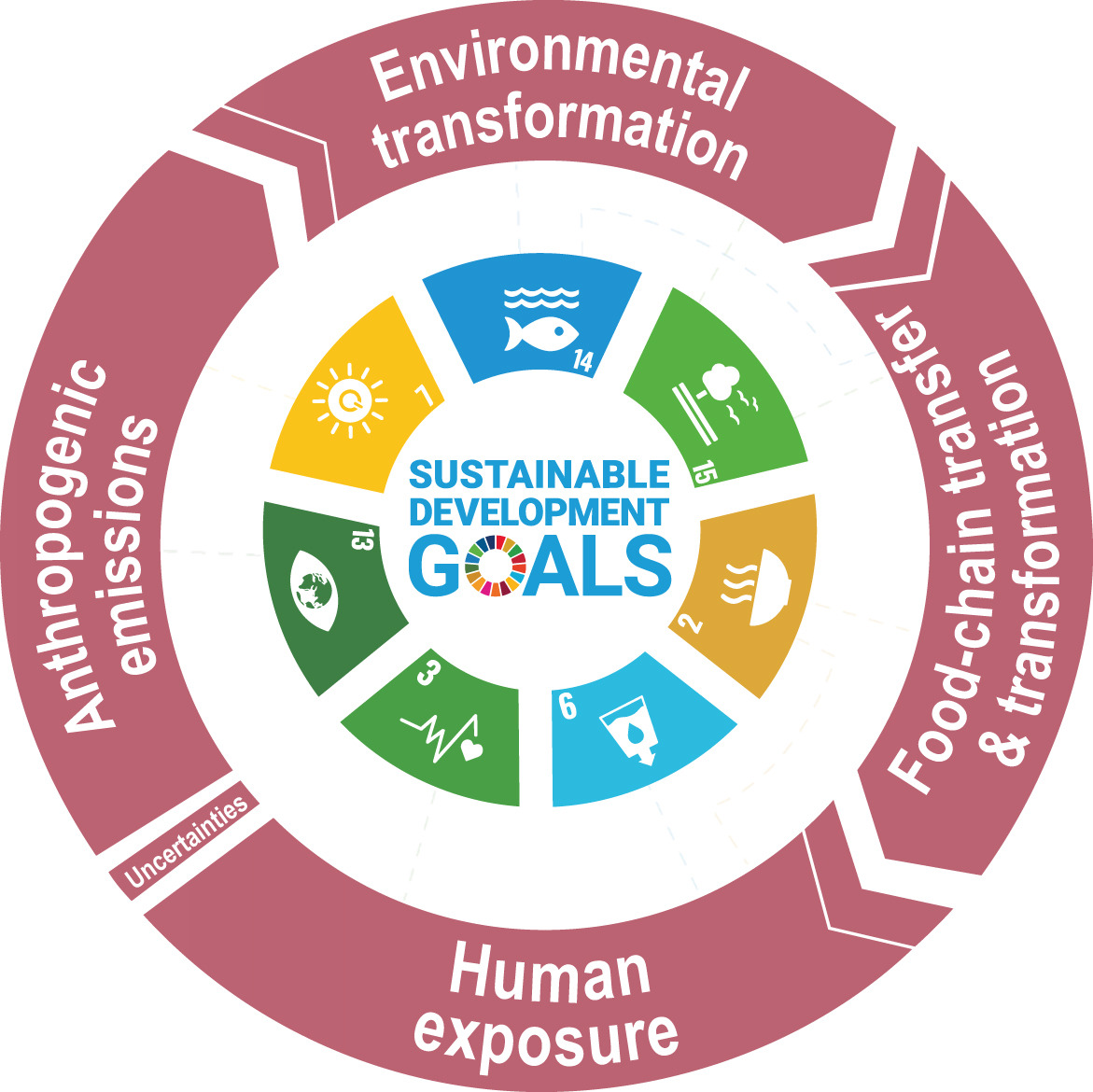
#Mercury#SustainableDevelopment#SDGs
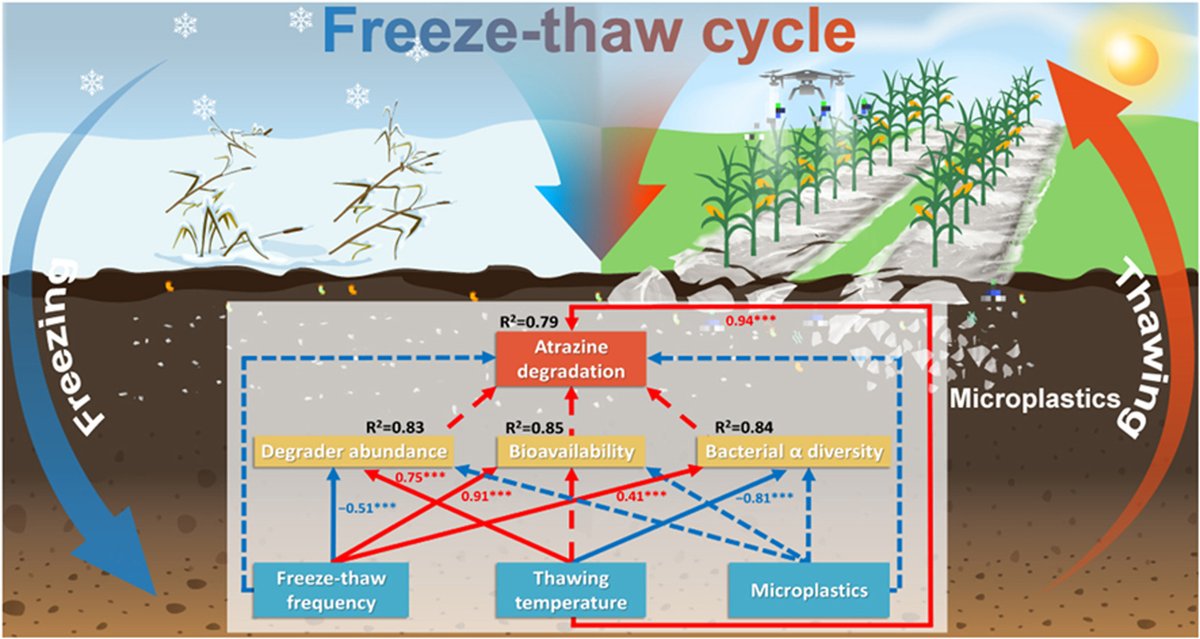
New in EEH: Freeze–thaw cycles strongly inhibit atrazine degradation in Mollisols, while biodegradable microplastics mainly reshape soil microbial networks. Thawing temperature is the key driver of herbicide fate. OA: https://t.co/zODx0x5YO6 #soil#microplastics#FreezeThaw
The 10th National Skeletal Muscle Biology Symposium was co-hosted by the Medical School of Nanjing University, gathering over 200 scholars. The forum focused on core topics including muscle regeneration, metabolism and sports medicine. #NJU
On November 5, the Sculpting Thoughts international sculpture exchange and exhibition was successfully held in Athens, Greece. The event aims to foster in-depth cultural exchanges and intellectual dialogue between China and Greece — two ancient civilizations —building a platform for young artists from both countries and around the world to connect and collaborate. (Source: JiangsuNow)
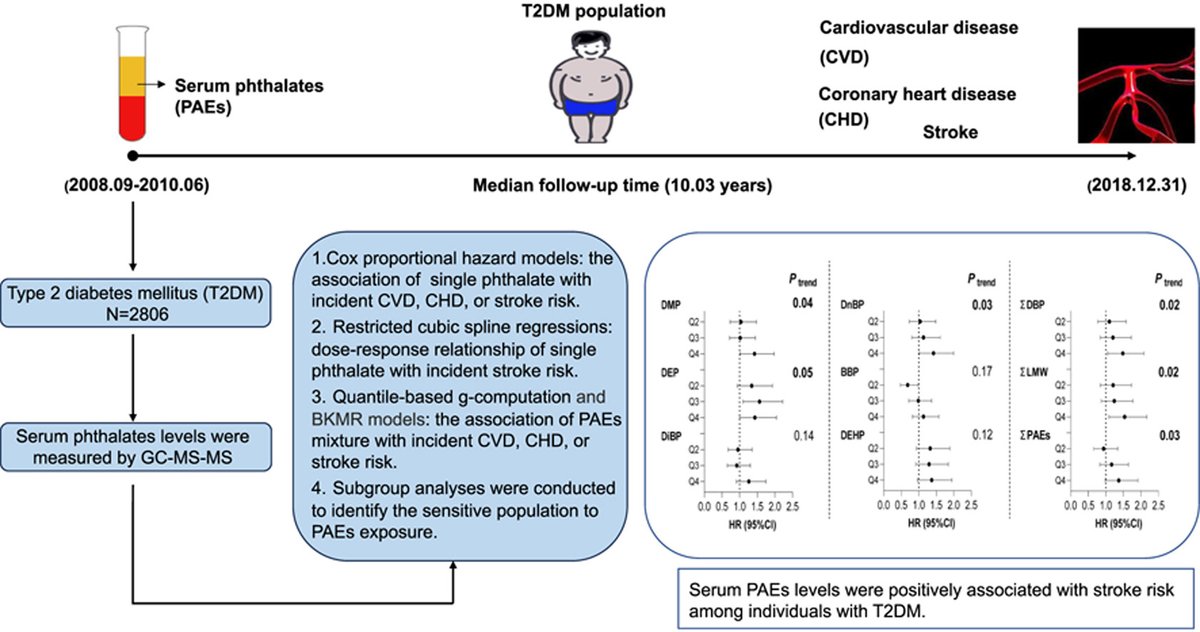
🔬 New #EcoEnvironmentHealth study: PAEs raise stroke risk in T2DM patients!
Shiyang Zhang’s team found higher PAEs (DnBP, ΣLMW) linked to 19%–53% more stroke risk—no tie to CVD/CHD.
Free read: https://t.co/YRUF4AjDQP #DiabetesResearch 💉