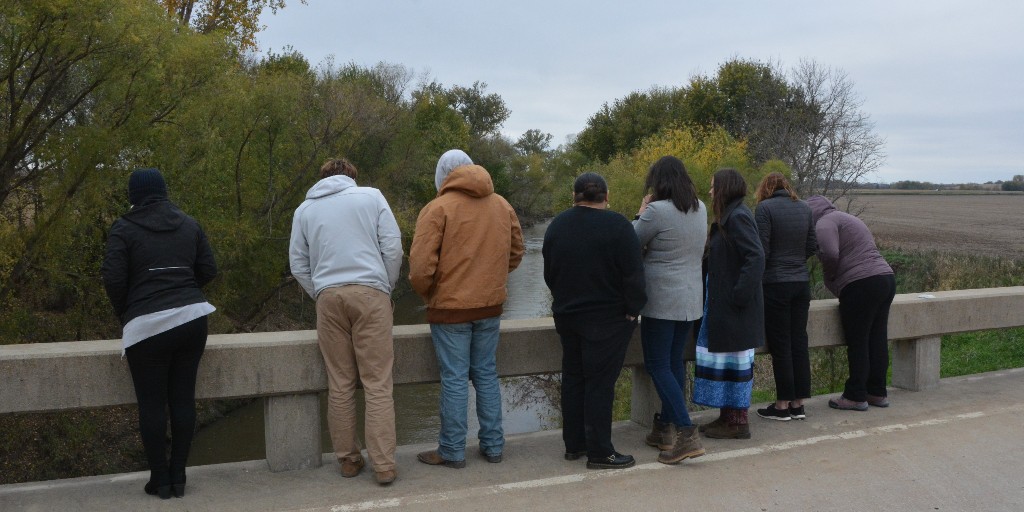
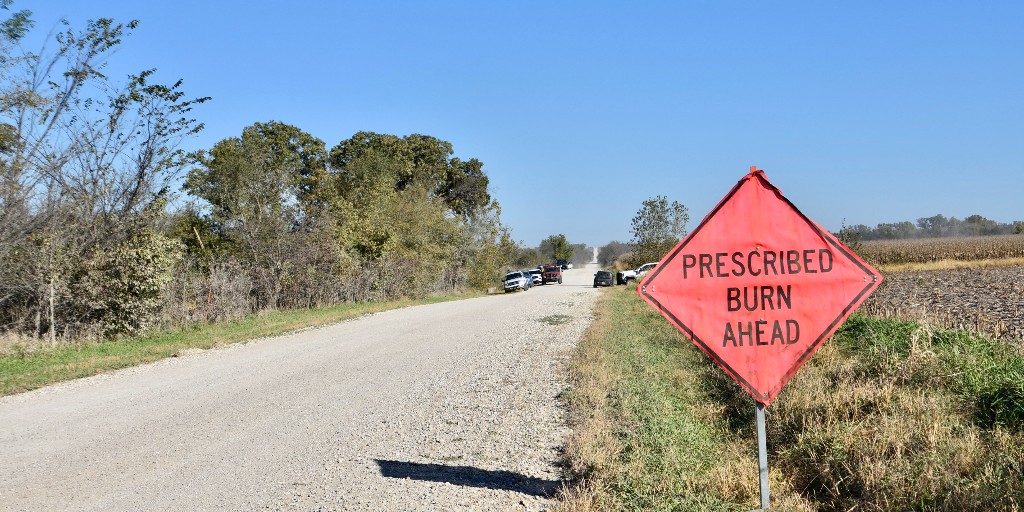
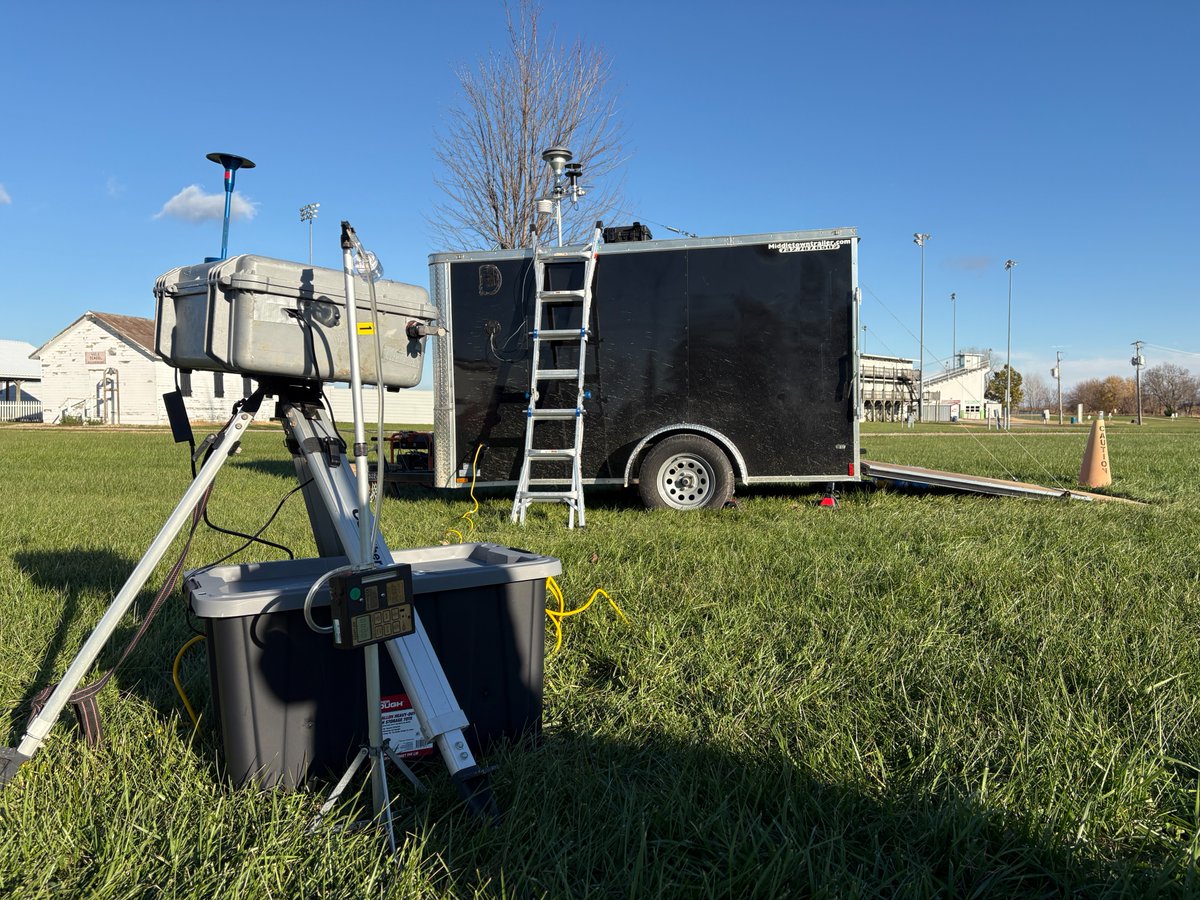
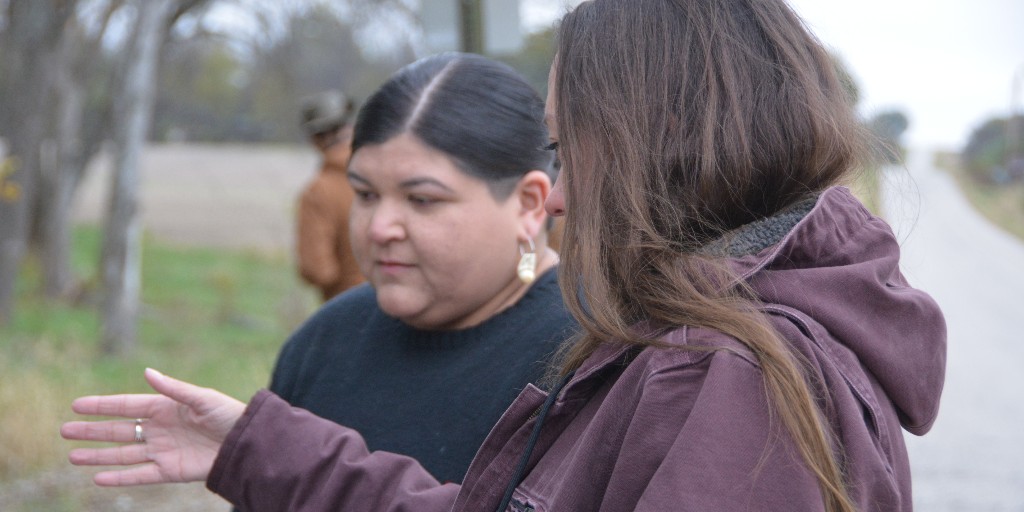
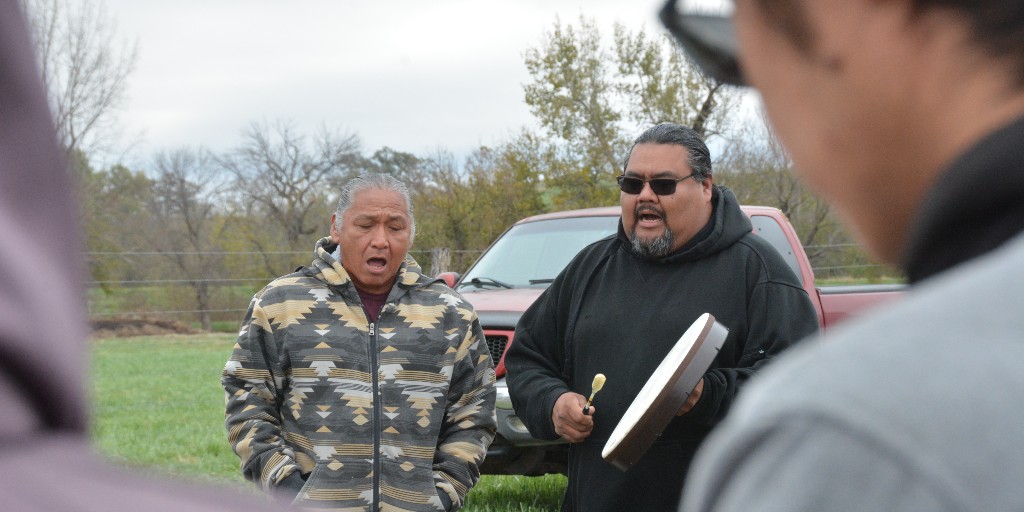
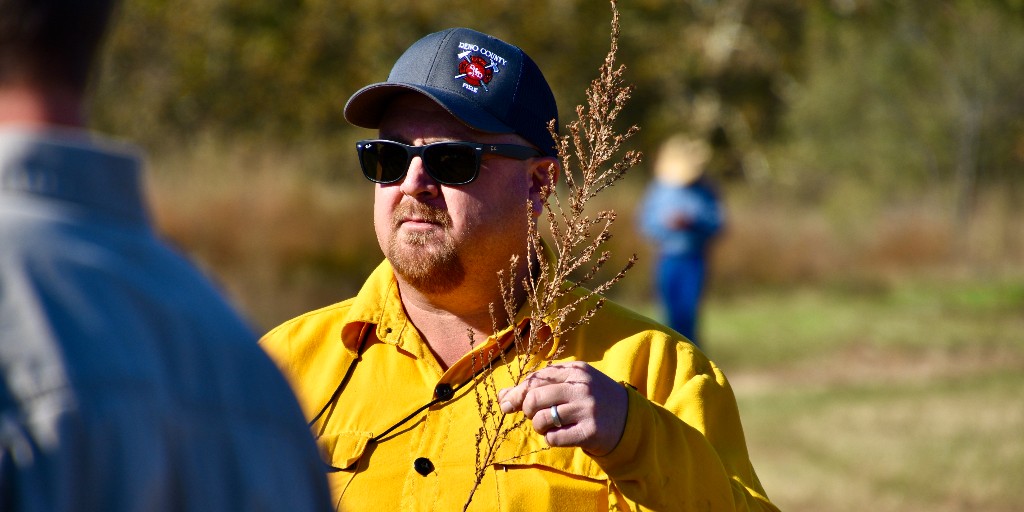
EPA is deployed to Middletown, Iowa, testing the air, water, and soil in the area before, during and after the Army’s controlled detonation of lead azide at its Iowa Army Ammunition Plant. We will be posting results on our website at https://t.co/Vve6xI42B5.
President Donald J. Trump on Iowa: "As everyone knows, there is a Military 'clean up' operation, without which, a very dangerous situation exists. In 2009, the Obama Admin improperly stored a vast number of explosives, and the Experts, who know it well, and have been studying it for many years, feel there is a substantial chance that this material will explode of its own volition, perhaps sometime in the near future..."
EPA Region 7 is currently receiving a high volume of phone calls and emails asking questions and expressing concern for communities that are potentially affected by the U.S. Army’s planned detonation of 68 drums of degraded lead azide at the Iowa Army Ammunition Plant.
We have a new inbox for public inquiries related to this planned detonation. Please send any questions related to this planned detonation to [email protected].
Questions and concerns related to the planned detonation should not be directed to this EPA Region 7 spill line or National Response Center. These phone lines are used by our emergency responders for potential pollutant releases across our four-state region.
Thank you for helping us keep our response lines open and available.
EPA’s highest priority is the health and safety of all Americans. That’s why EPA Region 7 Administrator Jim Macy sent a letter to Iowa Governor Kim Reynolds regarding the U.S. Army’s planned detonation of degraded lead azide at the Iowa Army Ammunition Plant scheduled for Monday, November 23, 2026. EPA, HHS, and DOW are working together to ensure that the controlled detonation is conducted in the safest manner possible, and we are prepared to take the most extreme mitigation measures available to ensure there is no risk to the public and any disruptions are minimized.
It’s been so important as EPA Administrator to get out of DC as much as possible to engage directly with Americans everywhere. During my first 9 months in this position last year, I participated in community events in all 50 states, and these past couple of months took me back to 15 of them. It’s impossible to outwork us, and there’s no way we are going to just sit behind a desk in HQs.
November is #LungCancerAwarenessMonth.
Did you know that one of the leading causes of lung cancer is an environmental risk that disproportionately impacts the Heartland?
Radon, a naturally occurring gas, is responsible for about 21,000 lung cancer deaths every year. About 2,900 of these deaths occur among people who have never smoked; in fact, radon is the leading cause of lung cancer among non-smokers.
Although radon is a serious health risk, there are simple steps you can take to protect you and your family. Take action today by testing your home.
Visit https://t.co/dEnO14ZZdF for more information.
EPA Region 7 recently hosted a special event celebrating the history of our regional office.
A panel of long-serving employees shared firsthand accounts of the office’s evolution over the past four decades, including memories of former leaders, previous office locations and the tools used to support EPA’s mission through the years.
Following the ribbon cutting, EPA staff accompanied the Sac and Fox Nation’s Natural Resources Department on a tour of several of their water quality monitoring locations, including one on the Big Nemaha.
These site visits gave EPA staff a fuller understanding of the monitoring activities outlined in the Nation’s environmental work plan, strengthening our government-to-government relationship with the Tribe.
Last week, EPA Region 7 staff had the privilege of joining the Sac and Fox Nation’s Natural Resources Department for the dedication and ribbon-cutting of their new air quality monitoring and weather station.
The opening of the air monitoring station represents a major achievement for the Natural Resources Office, whose staff undertook a tremendous effort to get it up and running — even installing the building’s insulation themselves.
The data collected from this station will help the office provide necessary, localized air quality information to the entire Tribal community!
The application period for 2027 EPA Brownfields Assessment, Revolving Loan Fund, and Cleanup Grants is now open!
These Brownfields Grants allow more vacant and abandoned properties to be turned into community assets that can attract jobs and promote economic revitalization in communities. Eligible entities can apply now through January 21, 2027.
For more information and additional resources, visit: https://t.co/ngBp7ET5KX.
Region 7 was on-ground at the grand opening of the brand-new water plant in Macy, Nebraska.
This $8.5 million dollar project, including $2 million dollars in direct EPA funding, is the culmination of a ten-year effort with the tribe and will deliver cleaner, safer water to the Omaha Tribe and the Macy, Nebraska, community.
The Regional Tribal Operations Committee, or RTOC, plays an important role in the government-to-government relationship with our nine Tribal nations. Serving as the connection between Tribal partners and EPA staff, the RTOC advises the agency on national policy, as well as the environmental needs and concerns of our Tribes.
The committee meets each quarter with the goal of helping improve Tribal health and environmental conditions throughout Indian country.
Prescribed burns were the focus of the latest RTOC meeting. Participants observed a demonstration showing how a controlled burn may be used as a land-management method and a tool for controlling invasive species.
Welcome to the cave!
The EPA Region 7 Training and Logistics Center is conveniently located 150 ft below Kansas City, Missouri – watch this tour to see what it’s all about!
Region 7 staff recently joined colleagues from @EPARegion8, @EPAregion9, @EPARegion10, and EPA Headquarters at the Rocky Mountain Wildfire Smoke Symposium, held at the Colorado Department of Public Health and Environment in Denver.
The event allowed our fire and smoke specialists from across the country to get together to share knowledge and strengthen collaboration with their cross-regional colleagues and other partners!
Cleanup progress in the Tri-State Mining District!
Oronogo-Duenweg Mining Belt Remedial Project Manager Caitlyn Sanders recently joined state partners to review work at the Webb City Wastewater Treatment Facility and at a nearly completed cleanup project at former mine waste area MW-37, where EPA contractors removed approximately 800,000 cubic yards of contaminated soil across 150 acres.
To put that in perspective, 800,000 cubic yards of contaminated soil spread evenly over a football field would stand 375 feet tall, or about the height of a 35-story building.
Removing contaminated soil is just one way EPA is protecting communities in the Heartland!
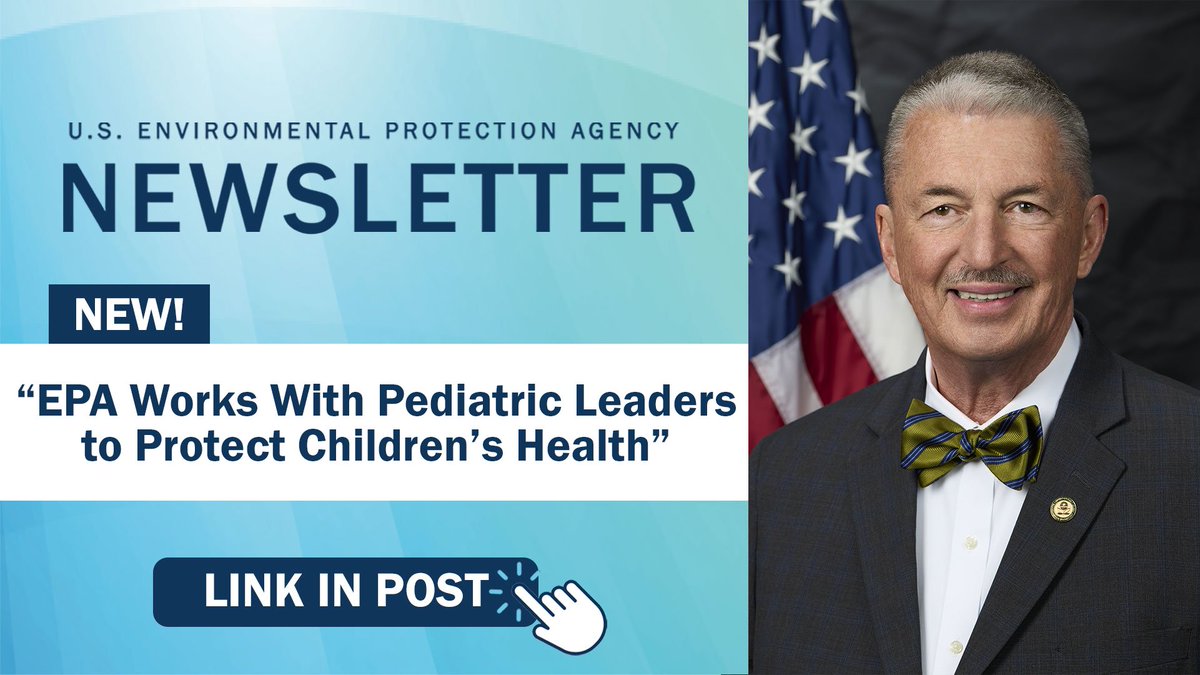
The latest edition of EPA Region 7 Administrator Jim Macy’s newsletter is here!
October is National Children’s Health Month. Children are often among the most vulnerable to environmental health risks, facing significant, long-term, and unique threats from environmental toxins compared with adults.
Read how Region 7 partners with Children's Mercy’s Pediatric Environmental Health Specialty Unit to help communities prevent and reduce environmental health threats to children: https://t.co/1KMRu7AbWG.
Before samples arrive at the lab, preparation for testing begins right in the field.
See Remedial Project Manager Amanda Branson expand on an earlier video by explaining the steps involved in processing and preparing fish samples once they have been gathered.