"Profound zoning reform is needed for Greater Boston to be a beacon of equal opportunity, to strengthen society’s resilience in the face of rapid changes, to address political polarization, and make civic life just."
@amydain@BosIndicators
Full Report: https://t.co/G0oNIBnbPV
Very proud of Arlington Town Meeting for overwhelmingly adopting a zoning plan to conform with the MBTA Communities Act. Last night, I shared my belief that we need to use as many tools as we can to help build adequate, accessible, and affordable housing for all of our residents.
🎉Just in from Arlington Special Town Meeting🎉!! Article 12, the MBTA Communities Zoning Amendment, PASSES with 189 yes votes and 35 no votes. Congratulations to our partners at @EquitableArl for their hard work to pass their MBTACA zoning over a year in advance.
Massachusetts permitted 5.9 new units per 1,000 existing homes, ranking us 41st in the nation and far below the national average of 11.7 / 1,000.
We need to produce between 125,000 & 200,000 units in the next 6-years, just to catch up to current demand.
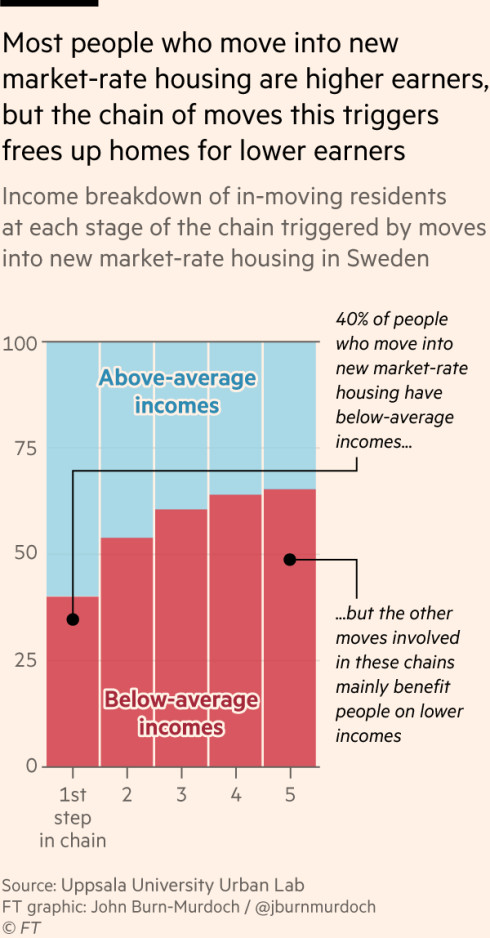
You often hear, "If we build housing it will just be unaffordable." What actually happens when you build housing, even luxury? A now-robust literature finds: it kicks off a chain of moves that relieves pressure on prices all up and down the market. https://t.co/nnfgwwOkhw
Housing policy is climate policy.
New multi-family homes are more energy efficient than older single family homes.
Urban density lets people live their lives without driving everywhere, reducing emissions.
Pro-housing is pro-environment.
https://t.co/hPwVZiwAM5
Being strongly in support of MBTA Communities is great. @maura_healey
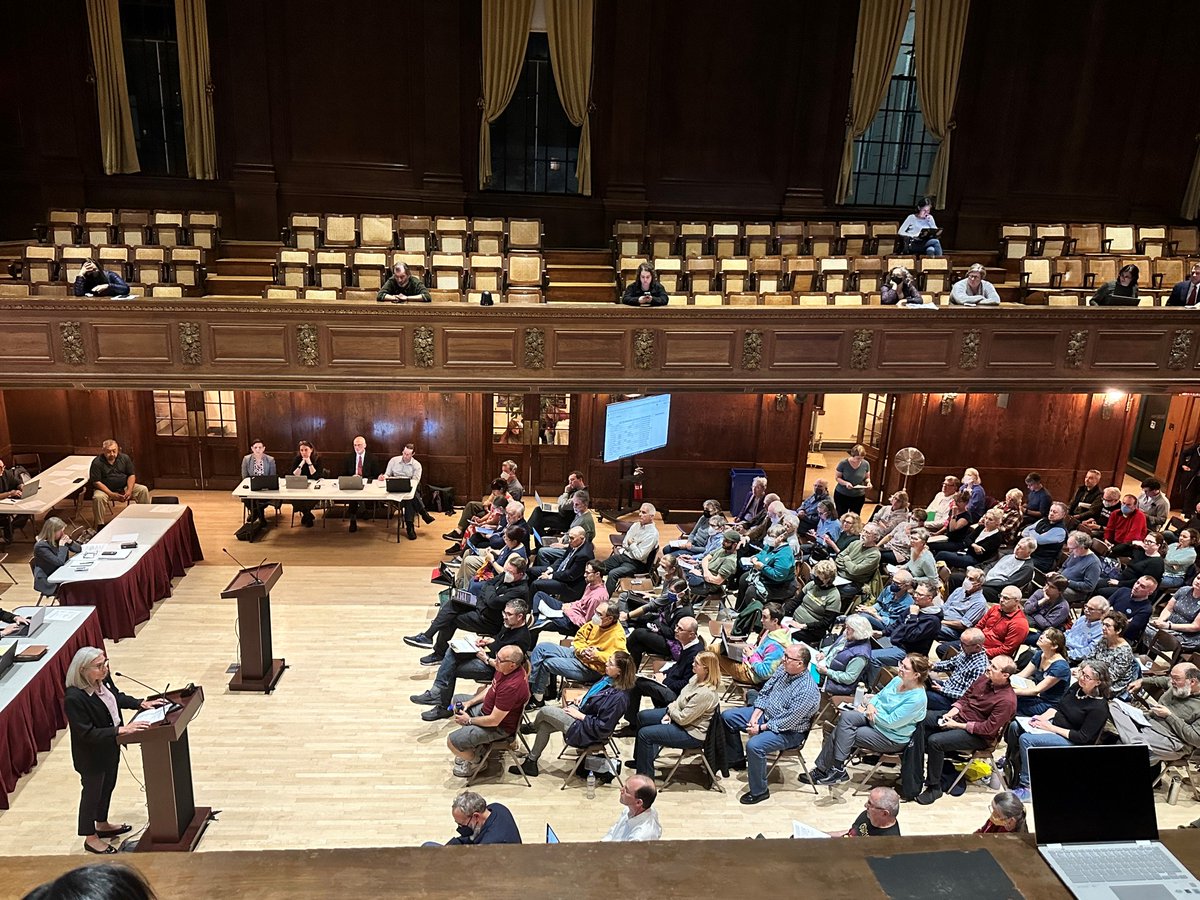
What would be awesome would be to come as a citizen to the Arlington Redevelopment Board (ARB) meeting in your hometown as we debate MBTACA articles for this Fall's special town meeting in Oct.
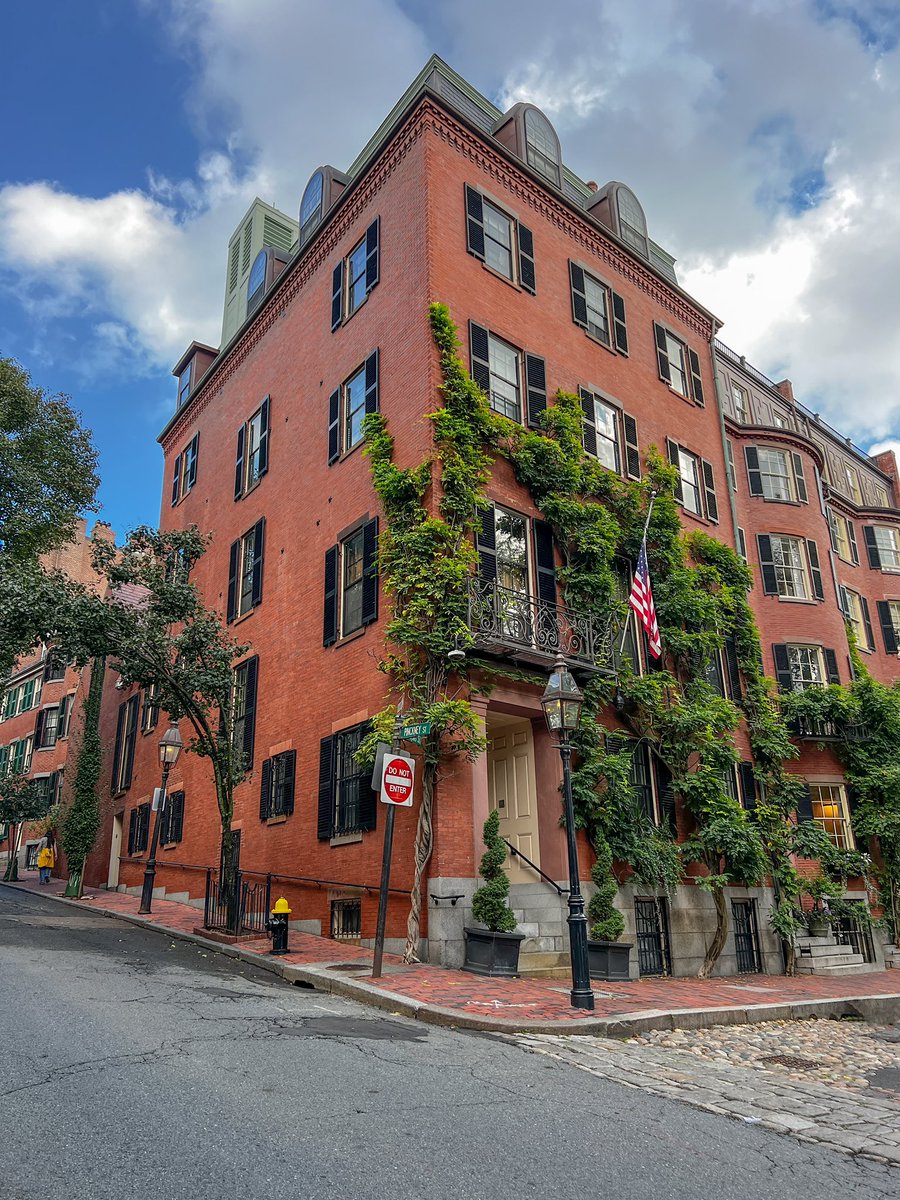
Nearly 200 years after it’s Greek Revival style homes were originally designed around a central park, Louisburg Square on Boston’s Beacon Hill remains one of the most sought after neighborhoods in the country.
Zoning is a giant silver bullet. End single-family zoning. Allow for zoning w/ density bonuses for aff housing, open space, & transpo funding. I know the MBTA Communities Act isn't finished, but if you want results, bold action on zoning is essential.
https://t.co/MYrb7J8OXr
Thanks to @abdallah_fayyad for inviting me to join @GreaterBoston tonight to talk MBTA Communities Act zoning reform in #Brookline. As @miriam4bkline says, "It's the right plan. It's the right time. It's the right thing to do."
https://t.co/pFf70NzCml
#mapoli
#ArlingtonMA is chockful of progressive folks who care about the climate. And we’re finding that not all of them know that “infill housing is probably the single most impactful measure that cities could take to reduce their emissions.”
https://t.co/wZ915b5Ymh
Climate researchers at Cal created a local gov't climate policy tool to measure policies based upon how well they reduce carbon footprints. In their analysis of 700 cities, these researchers determined that infill housing has the biggest impact.
“ Let’s not go for weak half-measures and a get-me-over, ineffectual MBTA Communities map. Let’s think about the kind of community we want to have –equitable, green, inclusive, thriving – and let’s map for that.”
https://t.co/BtCAnNCUmj via @YourArlington
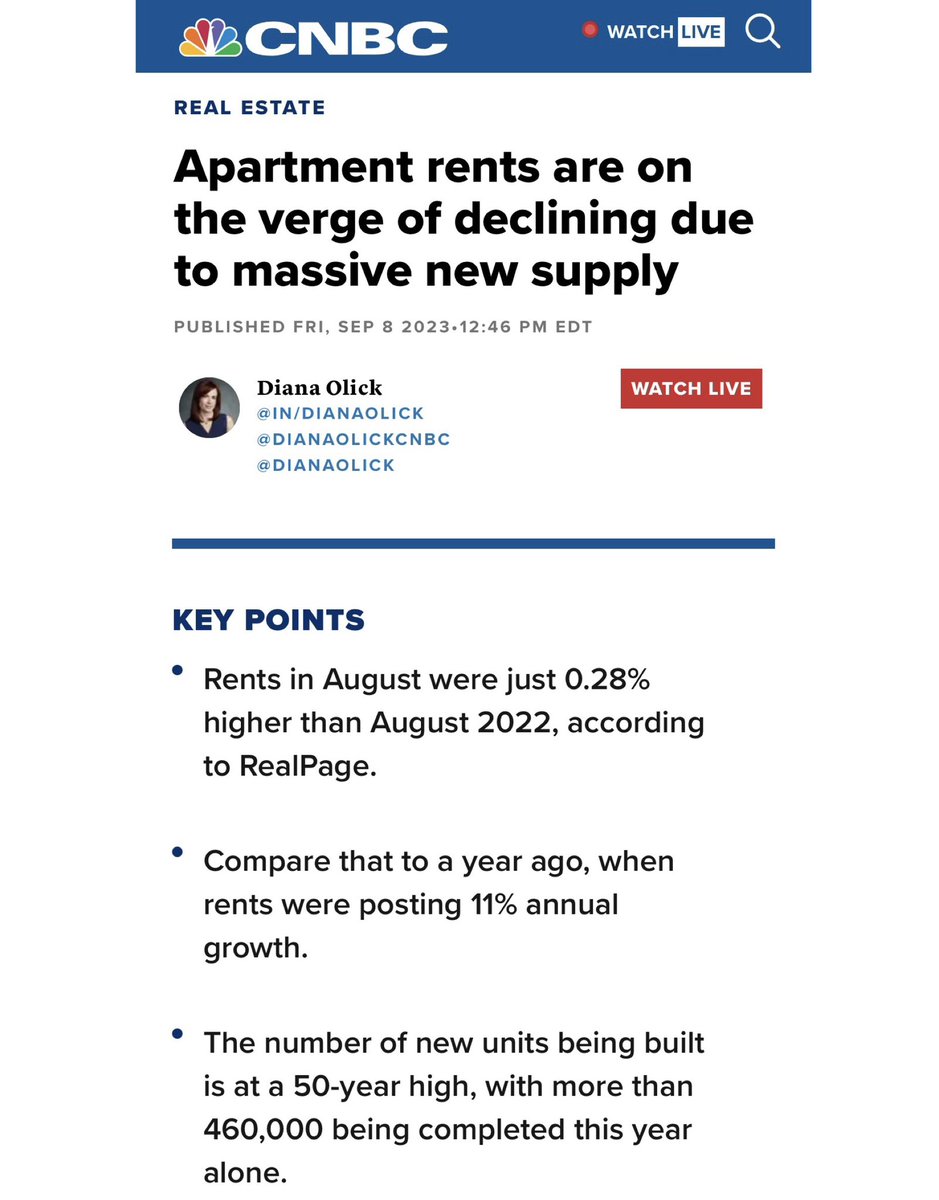
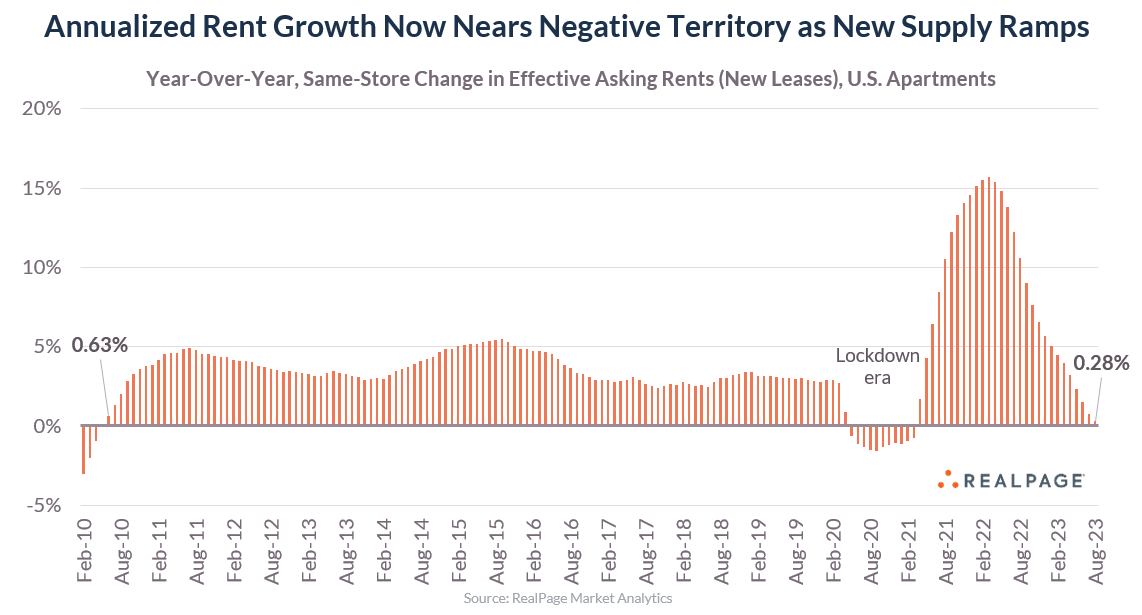
Supply continues to do its thing: For the first time in many decades, apartment rents are rapidly flattening (and could soon go negative) at the same time demand remains healthy.
Why? Apartment construction is at 40+ year highs-- shifting the balance of power to renters.
YoY, effective asking rents for new leases (same-store) inched up just 0.28% and could turn negative by September.
Compare 2023 to the last two times (excluding 2020 pandemic year): early 2000s and 2009. In those prior two periods, rents fell as recessions hit, jobs were lost, demand evaporated and vacancy hit 7-8%. By comparison, in 2023, vacancy has been fairly stable since January in the mid 5% range.
Demand is solid, but operators are giving on price in order to compete and to protect occupancy / cashflow.
That'll likely continue through 2024 as supply peaks, before 2025-26 as supply by then will be significantly less.
The rent slowdown won't show up in CPI until early-ish 2024. But it'll happen. CPI rents won't go negative by then, but they'll look pedestrian at that point.
#ArlingtonMA on Sept. 11 the Redevelopment Board will hold a public hearing to hear public comment on the proposed amendment to the Zoning Bylaw for the upcoming Special Town Meeting. #MBTACommunities https://t.co/42n2ppVRpZ