It's #WomensEqualityDay, a day that commemorates the anniversary of the 19th Amendment’s ratification. The history of women’s fight for voting rights is often whitewashed and oversimplified. We must teach it through an intersectional lens.
https://t.co/x2475adt1m
Before wondering if your curriculum is antiracist, ask yourself if YOU are. Even the greatest lesson will fall flat if the person teaching it hasn’t done the internal work first. Antiracism isn’t just a lesson, it’s a lifestyle.
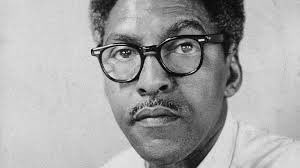
Do your students know who #BayardRustin is and the integral role he played in fighting for equal rights? (Do you know who he is?) If not, first ask yourself why. We encourage you to go learn and teach about his life and impact. (And not just during Black History Month…)
Young students often first encounter slavery and enslaved people through children's books. How can we ensure those encounters do not sugarcoat oppression or erase stories of resilience and resistance? @EbonyTeach provides critical guidance in this episode.
https://t.co/c45omGeiv8
In 1861, Approximately 14,000 enslaved African Americans, over half the county population, live in Albemarle County when the Civil War starts. A half million enslaved people reside in Virginia.
As the new school year begins or nears, are you looking for fun ways to introduce concepts of identity, diversity and justice with young learners? This free webinar provides educational activities you can use as soon as tomorrow.
https://t.co/KTxbowqqpu
”In order to move forward ... we should acknowledge the truth.” This short film from Indigenous creators can help you introduce students to an often forgotten chapter of U.S. history. Check it out.
https://t.co/piwJqHSxiU
Have you read Liz Kleinrock’s book yet? We’d love to hear how it impacted your view on antibias and antiracist work in your school community! @teachntransform
“We mention slavery in the early grades. ... And we mention and introduce enslaved folk. [But] we don’t talk about it—or them—in a way that would help our students understand the seriousness of the institution.”
https://t.co/OS0oXYuXRd
“A watershed moment.” We applaud the students, educators and groups who pushed for this more truthful, inclusive history education that includes Asian American people, cultures and contributions. The work continues.
https://t.co/9A5nW7r5Cv
The statues of Stonewall Jackson and Robert E. Lee were removed this weekend. Read this perspective article from Elizabeth Varon, a professor of history at UVA.
https://t.co/up6qSy1HQh
Maybe you've finished the summer read #1 on your list and are in need of 2, 3, and 4. Or, maybe you've been waiting for our annual #summerreading list.
This week's episode highlights book recs from #AAPI authors.
Listen now:
https://t.co/Xbr4O6Zvjw
”The reality is that kids are talking about race, systems of oppression and our country’s ugly past anyway... students are absorbing these conversations and want to know more. ... I believe that my students are smart and mature enough to handle the truth.”
https://t.co/favsT1qh9w