ERC is an Abyssinian monarchist org. dedicated to the preservation and promotion of historic Ethiopia's dynastic heritage, philosophy, and transcendent values.
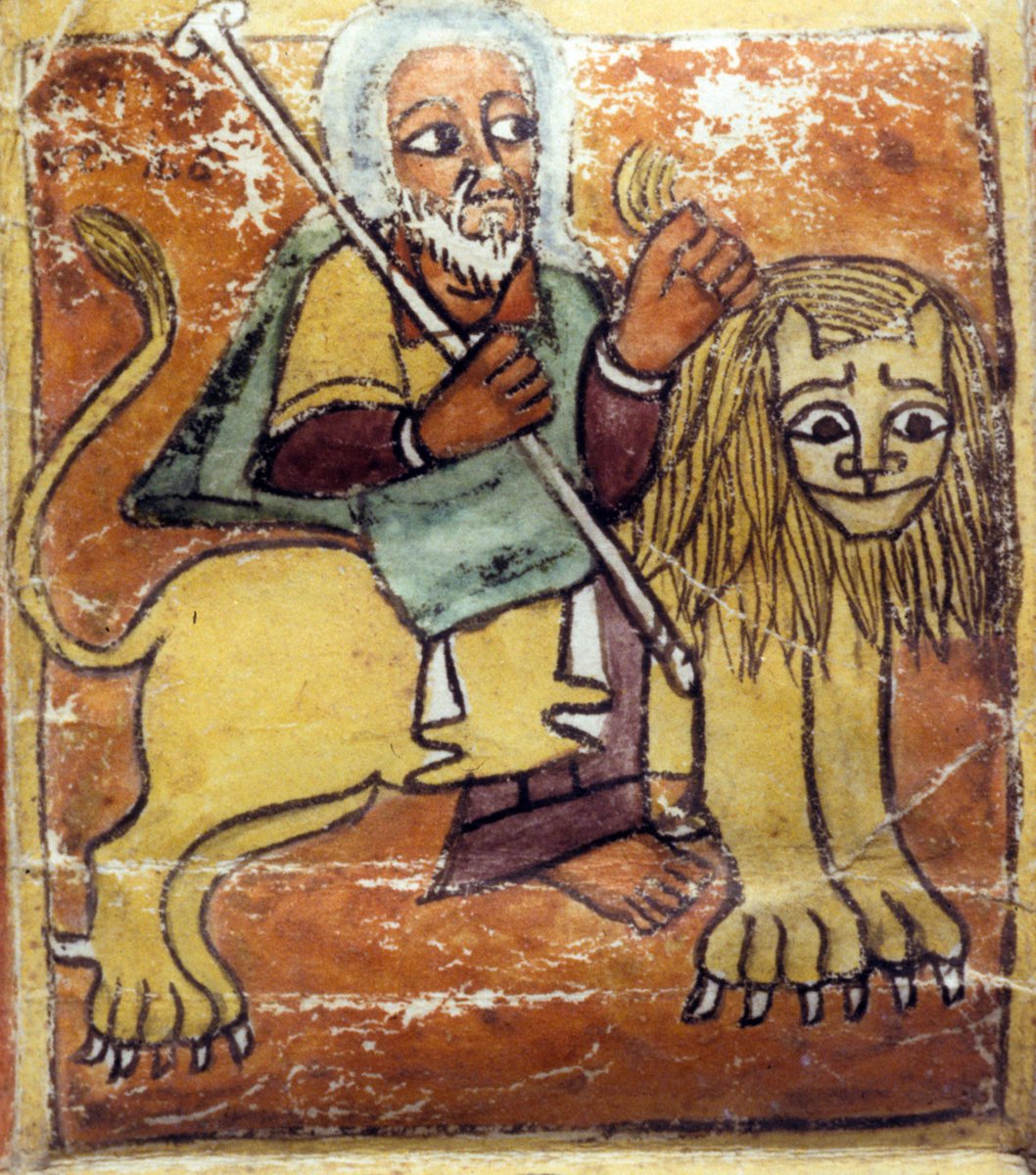
Ethiopia's struggle for justice is first and foremost psychological. It is our responsibility, as Ethiopians, to live up to the highest values and the caliber of the greatest historical leaders [the anointed Kings] and true representatives of our nation to triumph over evil.
Debunking the "Natufian" misinterpretation: Genetic evidence supports Ethiopian Solomonic tradition
The genetic legacy of the ancient Levant in Ethiopian (Habesha) populations—particularly the timing of Eurasian, Levantine admixture around 3,000 years ago—offers striking alignment with Ethiopia's enduring Solomonic tradition, as chronicled in the Kebra Nagast.
Far from mere legend or myth, modern genomic studies reveal a precise historical convergence: the major non-African component (40-60%) in Semitic-speaking Ethiopians dates to this (Davidic-Solomonic) exact Iron Age period, with closest affinities to ancient and modern Levantine groups from the regions of Israel, Syria, and Egypt. Claims emphasizing "Natufian" origins conflate these ancient shared substrates with the specific admixture event 3,000 years ago to detach the signal from its historical Iron Age context and the Solomonic timeframe.
Genetic evidence from multiple peer-reviewed studies strongly aligns with the timeframe of the Solomonic tradition in Ethiopian (Habesha) history, which centers on connections to the ancient United Kingdom of Israel under King Solomon—circa 10th century BC—when the legendary, biblical Queen of Sheba ruled Ethiopia and Yemen.
This supports a plausible Levantine-Israelite origin for key ancestry components in Habesha populations, rather than prehistoric or unrelated sources. Autosomal DNA analyses consistently date the major Eurasian—specifically Levantine—gene flow into Ethiopia to approximately 3,000 years ago (around 1000 BC) in Semitic- and Cushitic-speaking groups. The timing coincides precisely with the era of the United Kingdom of Israel, circa 1000 BC, as well as the emergence and spread of Ethio-Semitic languages.
Studies identify the source as more similar to Levantine populations—ancient groups from the region of modern Israel, Syria, and nearby areas—than to Arabian Peninsula groups, with genetic distances closest to ancient and modern Levantines, Egyptians, Israelis, and Syrians.
This admixture is linked to the arrival of Semitic-speaking groups from West Asia, consistent with the historical and legendary narrative in the Kebra Nagast—Ethiopia's centuries-old national epic—which describes the Queen of Sheba, known as Makeda, visiting King Solomon, bearing a son referred to in Classical Ethiopic as Ebna Hakim (Menelik I), and establishing ties that brought Levantine, First Temple-period Israelites, their practices, and influences to Ethiopia.
The genetic signal predates later events like Islamic expansions and aligns with Early Iron Age movements in the Levant and Red Sea region. Claims attributing Habesha Levantine ancestry primarily to "Natufian" sources are either intentionally misleading or stem from misinterpretations: Natufians represent a prehistoric Epipaleolithic culture, circa 12,500-9,500 BC, in the Levant, with ancestry including basal Eurasian, local hunter-gatherer, and some African-related elements.
However, the recent Eurasian component in modern Ethiopians—post-Mota individual around 4,500 years ago, who lacked it—derives from later Bronze Age or Neolithic-related Levantine populations, not direct Natufian descent. When the non-African component is isolated, it shows stronger affinity to Anatolian Neolithic or broadly Levantine Bronze Age proxies, not prehistoric Natufians.
Suggesting "Natufian" as the source conflates deep shared West Eurasian roots, common across many populations, with the specific, dated admixture event around 3,000 years ago. This appears as an attempt to push the ancestry back to prehistoric times, detaching it from historical Israelite-Levantine roots during the Iron Age.
In addition, linguistic evidence further reinforces this: Ge'ez (Classical Ethiopic), the ancient liturgical language of Ethiopia, belongs to the South Semitic branch, with origins tied to ancient migrations from the Levant and Arabia around the late 2nd millennium BC. Semitic languages like Hebrew—Northwest Semitic, Canaanite branch—share a common Proto-Semitic ancestor, but Ethio-Semitic's emergence aligns with the same timeframe as the genetic admixture and Solomonic era, which supports cultural and demographic links via the Levant.
Furthermore, cultural and religious parallels reinforce ancient Israelite connections, particularly among Ethiopian Jews, who preserved ancient practices predating rabbinic Judaism—pre-Talmudic Torah observance, specific purity laws, and sacrificial customs resembling Second Temple or even Dead Sea Scrolls-era Judaism.
Moreover, Habesha Orthodox Christian traditions also consist of ancient Israelite practices, such as reverence for the Ark of the Covenant (believed to be hidden in Ethiopia per tradition) and biblical, Old Testament-based observances and festivals. These persist despite centuries of isolation, pointing to deep historical roots rather than later introductions.
In conclusion, the convergence of genetic timing (1000 BC Levantine admixture), linguistic origins (Ethio-Semitic's ties to West Asian Semitic spread), and preserved ancient Israelite practices provides strong evidential support for Ethiopia's Solomonic tradition as reflecting real historical gene flow and cultural exchange with the ancient Israelite world. Baselessly framing this ancestry as "Natufian" (prehistoric) distorts the evidence by ignoring the dated, specific Early Iron Age signal that matches the biblical and traditional timeframe.
Ḥabäsha people are descendants of three biblical nations (ethne), according to history, tradition, and DNA:
- the Kushites (biblical Ethiopians)
- the Sabaeans (biblical Shebans)
- the ancient Israelites (biblical tribes of Israel)
On @RealCandaceO's show, @NickJFuentes told Candace that Sub-Saharan Africans never developed a writing system or civilization until they encountered whites, and both of them failed to mention Ethiopia (covering lands of modern Sudan, Ethiopia, Eritrea, etc); one of, if not, the oldest civilizations (Punt and Kerma are dated to 3,000 BC), with its own writing systems (ex: Meroitic and Ethiopic) and elaborate ancient monuments (temples, obelisks, pyramids, rockhewn medieval churches, castles, etc). Candace mentioned Egypt, to which Fuentes responded they weren't Sub-Saharan, whereas ancient Greek and Byzantine historians such as Diodorus Siculus, Lucian, and Stephanus, highlighted that ancient Ethiopians influenced the founding of Egypt and that the "science of stars" (astronomy) was inherited from them, etc. Ethiopia is always the exception to the rule, yet deliberately hidden, which is why I repeatedly point it out.
Why the Book of Enoch is Scripture
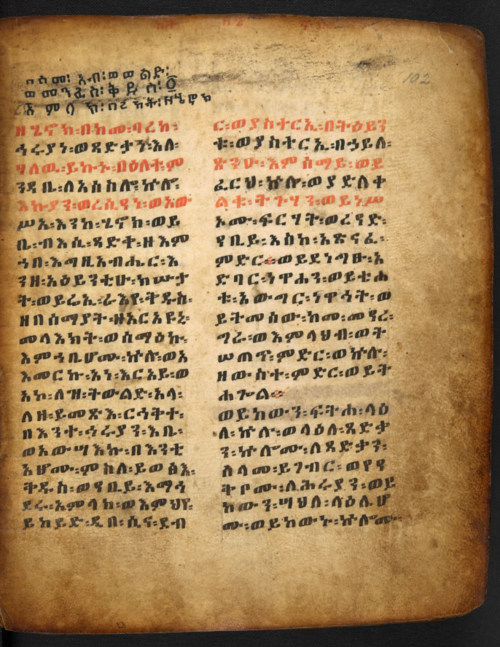
The Book of Enoch (Sēfer Ḥănōḵ in Hebrew and Mäṣḥafä Hēnōk in Ethiopic) is an ancient Jewish apocalyptic sacred text, traditionally ascribed to the Prophet Enoch, great-grandfather of Noah. According to scholarly consensus, it is believed to have been written in the Second Temple period (300-100 BC). Although it isn't part of the Hebrew Bible, it is part of the 81-book Ethiopian Bible, and the complete text was only preserved in Gə'əz, the ancient Ethiopian Semitic language. Even though it isn't considered scripture in Christianity and Judaism in our time, except in the Ethiopian and Eritrean Churches, and among Ethiopian Jews, there is evidence that Enoch was considered scripture in the days of Jesus. First, it had tremendous influence on Second Temple Jewish Literature: Enoch’s angelic hierarchies, the fall of the Watchers, and eschatological judgment appear in Jewish texts from the period, such as the Book of Jubilees and Testaments of the Twelve Patriarchs. Its widespread influence indicates it was a revered text among Jewish groups that viewed it as authoritative or inspired. In addition, fragments of the Book of Enoch, particularly the Aramaic versions, were found among the Dead Sea Scrolls. The Essenes, a Jewish sect associated with Qumran, preserved multiple copies of Enoch, which proves that they held it in high regard, and likely as scripture. The Scrolls date to the 2nd century BC to 1st century AD, the timeframe of Jesus’ time. Furthermore, the Epistle of Jude, a canonical New Testament text, directly quotes the Book of Enoch (1 Enoch 1:9): "Enoch, the seventh from Adam, prophesied about them: 'See, the Lord is coming with thousands upon thousands of his holy ones to judge everyone…'" This explicit citation proves that Jude viewed 1st Enoch as a prophetic authority, indicating its scriptural status among early Christians. Some argue that Enoch being quoted in scripture does not make it scripture, and they give examples of Paul quoting Epimenides and Menander to prove it, because those are not scripture. However, Paul did not endorse Epimenides and Menander when quoting them, as he sought to relate to and build bridges with his non-Jewish audience; on the contrary, Jude is directly endorsing Enoch—not only is Jude endorsing Enoch's content, but he is overtly restating inspired prophecy from Enoch to reaffirm its legitimacy. Since the contexts of use are different, Paul's quoting Epimenides or Menander, and Jude's quoting Enoch are incomparable—the former doesn't at all endorse them, nor does he view their content as sacred; whereas, the latter, Jude, boldly reaffirms 1st Enoch as scripture by restating its prophecy, which necessarily makes it inspired, because all prophecy quoted in scripture is inspired. Moreover, several early Church Fathers, such as Tertullian (2nd century AD), explicitly regarded the Book of Enoch as scripture, citing its prophetic content. Although this is post-Christ, it shows a continuity of reverence from earlier Jewish-Christian traditions, proving that at least some Jewish groups in Jesus' era likely held similar views. Certain concepts in the Book of Enoch, like the "Son of Man" as a messianic figure (see 1 Enoch 46 and 48) and the coming judgment, are in full agreement with Jesus' teachings in the Gospels (Matthew 25:31-46). The Book of Enoch was preserved as canonical scripture in the Ethiopic (Gə'əz) Bible, used by the Ethiopian Jews (Beta Israel) and the Ethiopian Orthodox Church. This shows that some ancient Jewish communities with roots in the Second Temple period treated it as scripture. For better context, there is biblical evidence that the Ethiopians had Old Testament scriptures in the Second Temple period, because the Ethiopian Eunuch, who hailed from that general region of Northeast Africa by the Red Sea, and traveled to Jerusalem to worship, was reading the Book of Isaiah (Acts 8). Also, the Queen of the South mentioned in 1 Kings and 2 Chronicles is none other than the Queen of Sheba, who visited Solomon from the Sabaean Kingdom that encompassed modern-day Yemen, Eritrea, and Northern Ethiopia (3,000-year-old Sabaean temples and artifacts are found in all three countries). Also, genetic evidence currently proves the occurrence of migration from the Levant to Ethiopia during the First Temple period, overlapping with the era of the early Israelite Kingdom in the times of King Solomon and the Queen of Sheba (see Sarah Tishkoff, Luca Pagani). This proves that the Ethiopian tradition was directly connected to the ancient Israelite biblical tradition since BC times, and that the reason Enoch made it into the Ethiopian canon is much more complex than assumed. The Book of Enoch was excluded from the Jewish canon at the Rabbinic Council of Jamnia in 90 AD. Whatever the reason for its exclusion in 90 AD, early Christians like Jude and notable early Church Fathers, and Jewish groups like the Essenes recognized its authoritative status.
As recorded in the "Futuh Al Habäsha," which was an account of the 16th century war between the Ethio-Israelite Orthodox Christian Empire of Ethiopia (Solomonic Dynasty) and forces (the Ottomans) backing the Bar Sa'adin Adalite Sultanate, Emperor Na’od had built a temple-like Orthodox church known as Mäkanä Səllasē (lit. "Realm of the Trinity") entirely plated in gold leaf, a church made of gold, that was looted and burned down by the invading Jihadist forces. The source relates that it had taken Na'od thirteen years to build the church, and that upon dying, his son Ləbnä Dəngəl (David II, whose 16th century portrait is displayed) continued its construction. The passage in the "Futuh Al Habäsha," pages 220-221 and 245-247 reads:
"There was a church in Amhara that had no peer in Abyssinia. King Na'od, the father of King Wänag Sägäd [lit. 'to whom lions bow,' Emperor Lebna Dengel's crown name] had built it. He exhausted himself in its construction, in its planning and in every detail of the work. He adorned it with gold and spent thirteen years in its construction . . . . His son took over its construction after him . . . . It was entirely plated in gold leaf; it blazed like a fire . . . . The king named it . . . Makana Sellase . . . . The sepulchre of King Na'od bin Admas bin Zar'a Ya'əqob is inside the Church. Amhara has other Churches in it that belonged to earlier Kings, but a construction like this Church was not to be found . . . ."
". . . the recollection of their journey to Amhara which is a region of flat arable land, standing crops, rivers and copious rain, of wheat and barley . . . . In it are their scribes, their priests and monks. It is also the residence of their kings, but the king does not reside there permanently. No king who reigns over Abyssinia can exercise his rule unless he has been enthroned in Amhara. They call the people there who serve the churches, Däbtära, which means in their language 'eloquent theologians.' These are Christian people whom the king regards with beneficence and diffidence. Some of them become advisers to the king, while others are related to him by marriage . . . . The Imam asked all the Arabs who were with him, 'is there the like of this church, with its images and its gold, in Byzantium or in India, or in any other place ?' They replied, 'We never saw or heard of its like in Byzantium or India or anywhere in the world . . . ."
As cited in Jean Doresse’s "Ethiopia," on page 145, the plunderers also looted a book made of gold, and the royal insignia and treasure concealed at Gänätä Mariam (lit. "Paradise of Mary"), as well as crowns, diadems of ancient kings, ceremonial mantles, and daggers. They also found several Tabots, [consecrated] altar tables representing the Ark of the Covenant, made of gold and that were so heavy that five men together were unable to carry them. Lebna Dengel was never to see the help which the Portuguese had helped to carry out. He who twenty years before rode forth on horseback, crowned, and with an escort of chained lions, died a year before their arrival with hardly an attendant.
The Al Ibrahimi Yemeni chronicler of the Futuh Al Habasha, during the 16th century war between the Orthodox Christian Ethiopian Empire and the forces backing Grañ Ahmed, records that the invading forces needed twenty days to loot and recuperate all the gold from one single church in Amhara—which reveals the massive degree of the empire's wealth at the time, before the irredeemable and severe damage brought upon it, and the endless war between the invaders and the emperors, who were keepers of an ancient biblical, mystical tradition and sacred objects, striving to save the realm from destruction and to prevent its conquest. The concealment of these truths has led to the dishonest portrayal of the Ethiopian emperors and particularly the Amhara as an oppressive people, because these [Solomonic] emperors and their people fought against, and destroyed, their invading enemies.
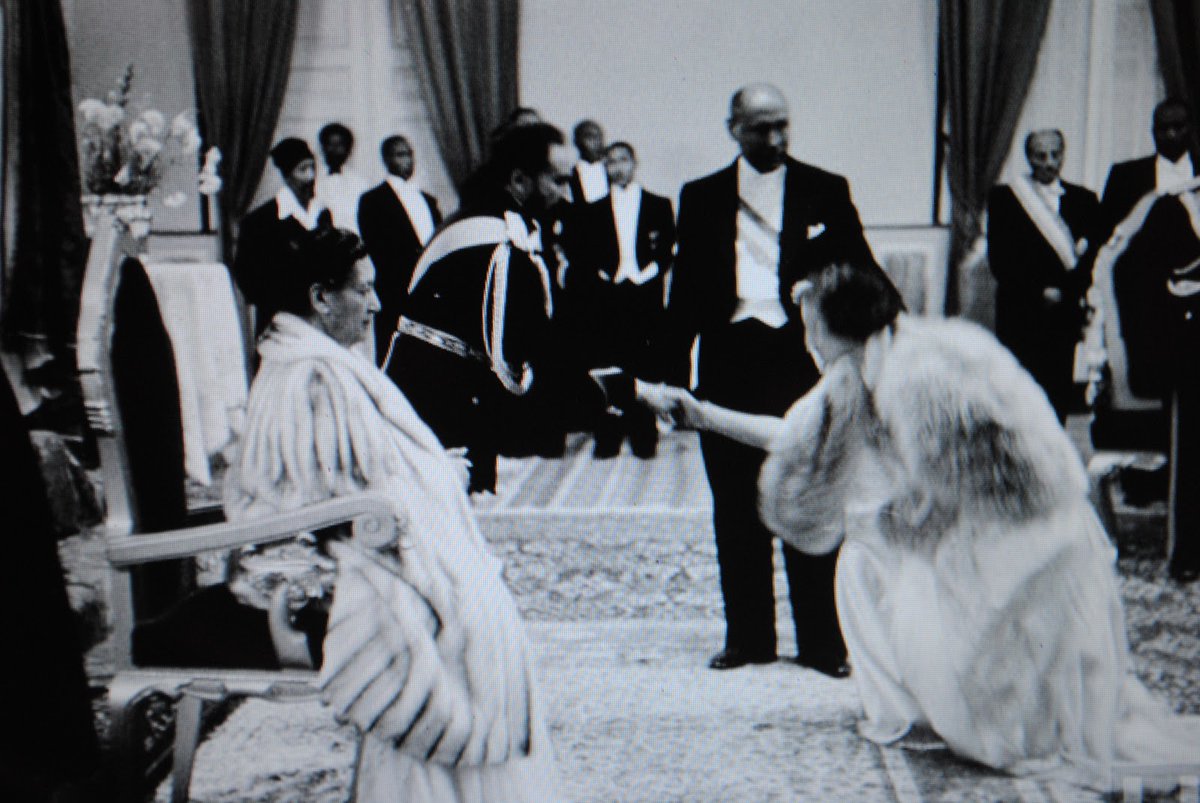
European nobility greet the 225th Emperor of Ethiopia, Haile Selassie I (Solomonic Dynasty) and his Empress Consort, Menen Asfaw, in a formal curtsy (mid 20th-century).
The former Oriental Orthodox Christian Ethiopian Empire maintained an alliance with European powers since the Middle Ages and Renaissance over shared religio-political values
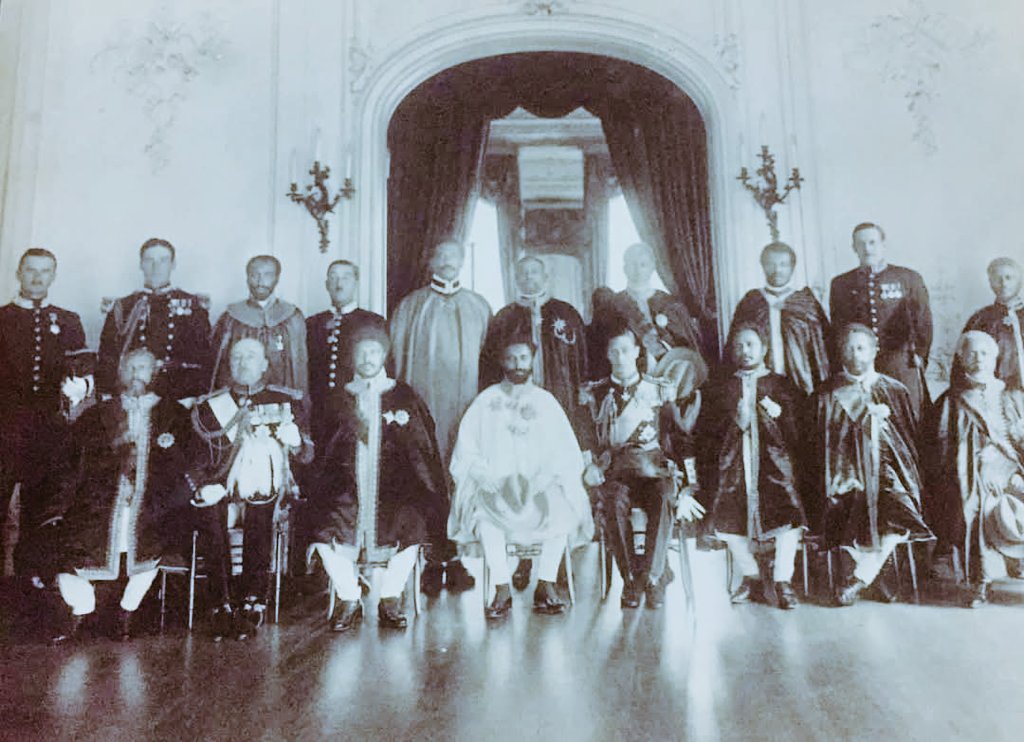
Rare photo of Haile Selassie I, Emperor of Ethiopia (Solomonic Dynasty) at Buckingham Palace in 1924 with King George VI of the UK (then Duke of York), with Ethiopian and British nobility. PS: There is a 19th-century Solomonic Ethiopian prince buried inside of Windsor Castle.
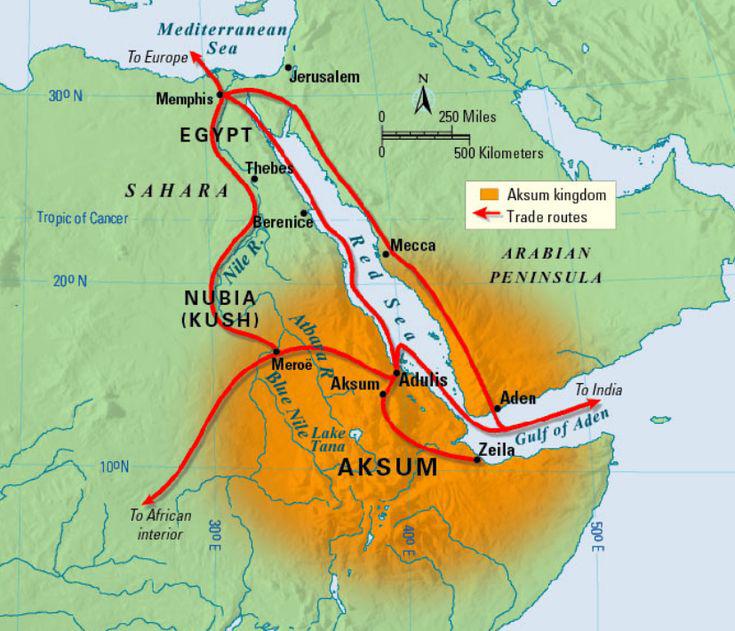
Ancient Sabaean monuments in Ethiopia and Yemen dating up to c. 1,000 BC—the dominions of the Queen of Sheba. Ethiopia (&Eritrea) and Yemen, who shared a kingdom in antiquity, are founders of pre-Islamic Arabian civilization. Ethiopia is also home to more than 7 indigenous Semitic languages and technically one of the founders of Middle Eastern culture.
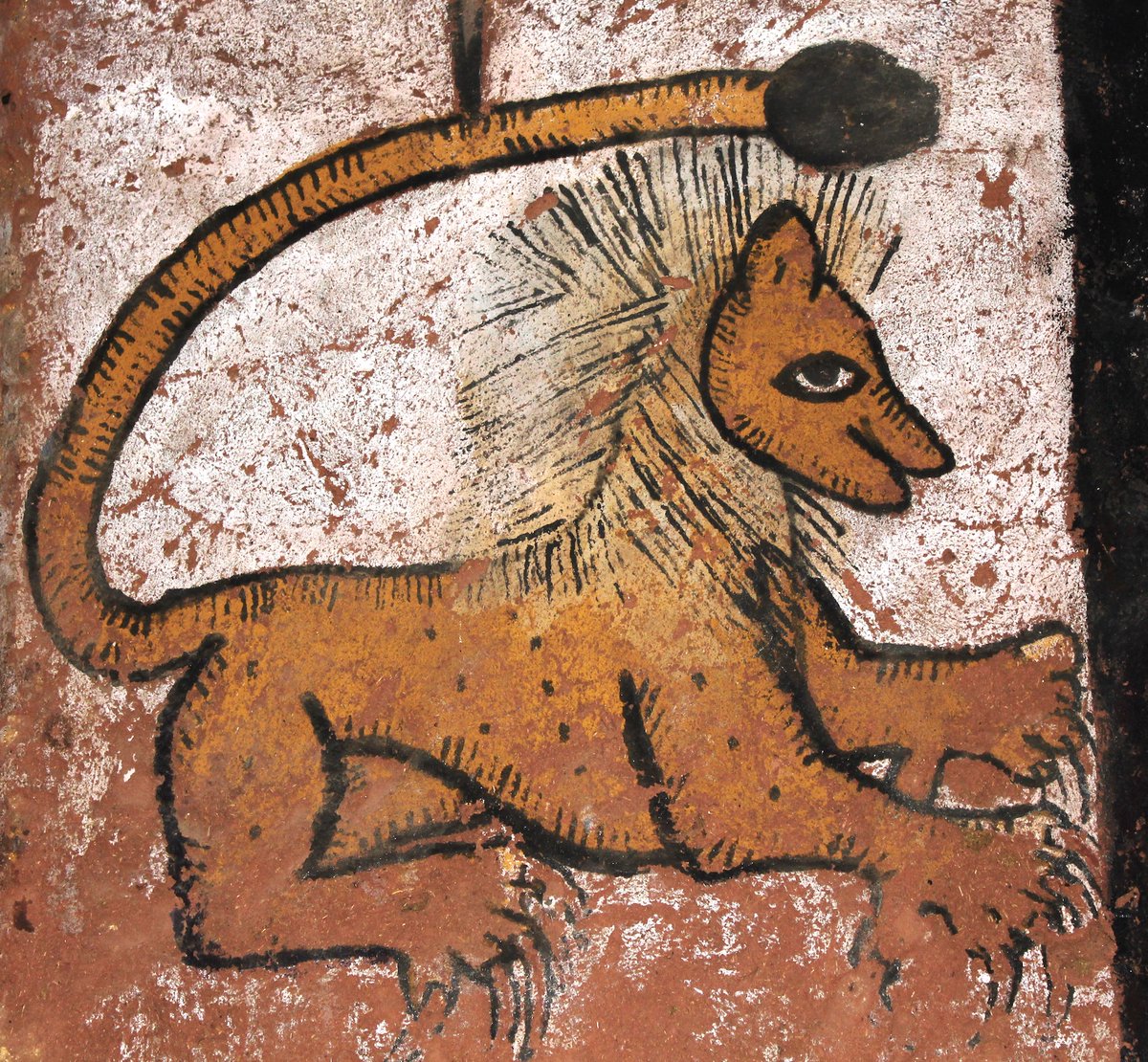
The hidden potential in Abyssinian (Ethiopian) genes is to be the common base of, and mediator between, all the races; a true Noahic phenomenon. Understood to be the origin of the human gene pool, and the synthesized mix of every race: black, white, and brown—and the people's name itself, "Habesha" or Abyssinian, means "those of mixed blood." It is therefore unbecoming for the Ethiopian to identify as only one race, whereas the initial calling would've been to regather all the races. The flag itself represented the three sons of Noah, and the Solomonic Dynasty's emblem, the Lion of Judah, symbolized the Christ.
@YakobBirhanu @NegedeYehuda @orthodoxluigi Ethiopia had a Jewish-Christian kingdom, the Solomonic Dynasty, whose motto was "Triumphing Lion of Judah," preserved ancient Jewish practices in the Church, such as the procession of the Ark of the Covenant. Abyssinians have genetic ties to the Levant and are culturally Jewish.
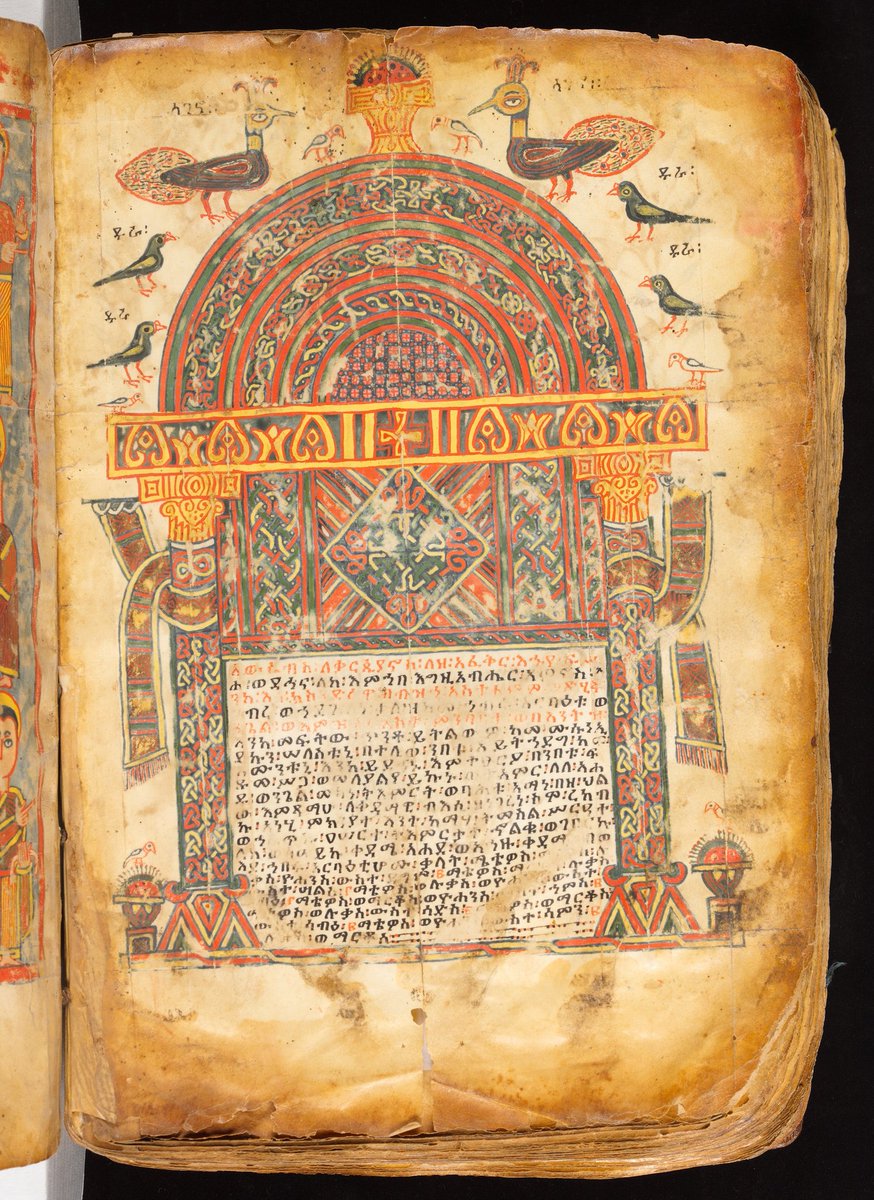
The oldest surviving complete illuminated Christian manuscript in the world: the Garima Gospels, housed in Ethiopia's Abba Garima Monastery. Radiocarbon analysis of samples suggests a date of around 390–570 AD.
The Solomonic Dynasty, Ethiopia's Jewish-Orthodox Christian kingdom in Northeast Africa, lasted 3,000 years. 225 successive emperors were anointed and reigned according to the ancient Davidic tradition since the days of Solomon and Makeda, the Queen of Sheba. The Ark of the Covenant was transported there and hidden on an island in Lake Tana—the source of the Nile River—for 600 years before the Babylonian invasion of Israel and the destruction of Solomon's Temple, as related in the old book of Kəbrä Nägäst.
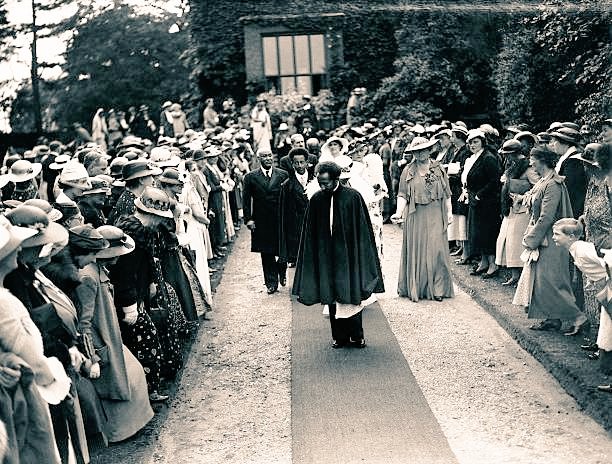
In Great Britain, 1930s, the reception at a garden party for the exilee Emperor of Ethiopia, Haile Selassie I (Solomonic Dynasty), held at Lincoln House, Wimbledon, shortly after his arrival.
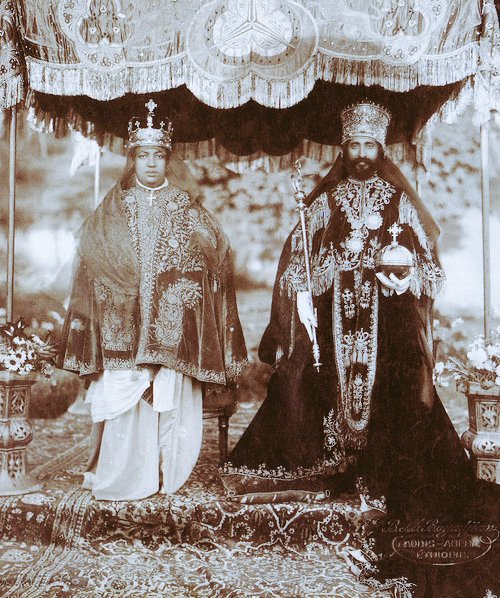
The last Orthodox Christian emperor, Haile Selassie I of Ethiopia, heir of the Solomonic Dynasty, and his Empress Consort, Menen Asfaw, Crowned in a Hebraic-Christian ceremony on November 2nd, 1930 🇪🇹
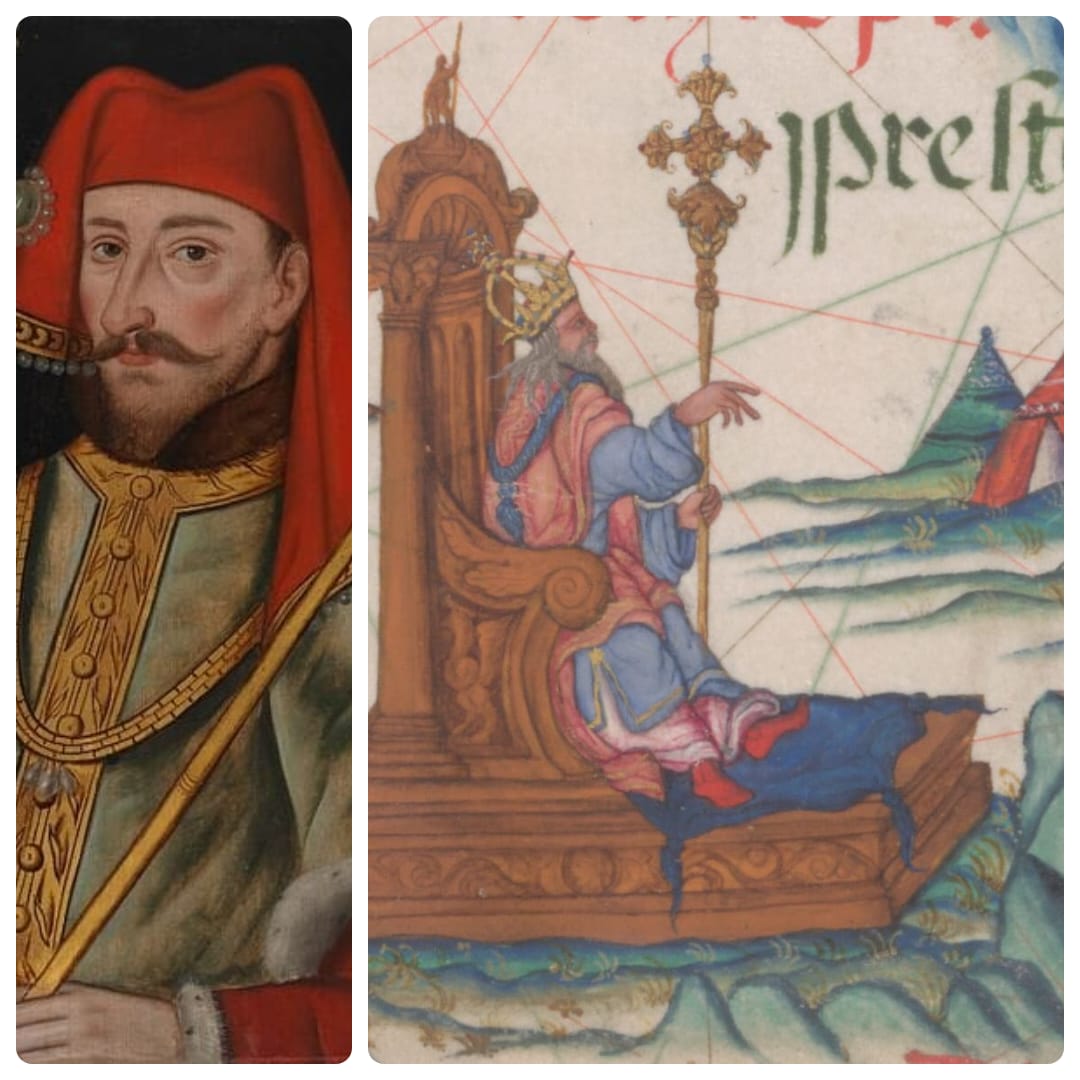
Letter of King Henry IV of England, earliest surviving letter to an Ethiopian emperor from a European monarch, dated October 1400. The Christian emperor of Ethiopia (Abyssinia) who reigned in 1400 was Dawit (David), grandson of Amda Siyon (Pillar of Zion), of the Amhara Solomonic Dynasty. In the letter, written in Latin, Henry IV seeks an alliance with the Ethiopian emperor against the Mamluks.
Source: "Royal and Historical Letters during the reign of Henry the Fourth" (London, RS, 1860), vol. 1, no.147, p. 421-2.
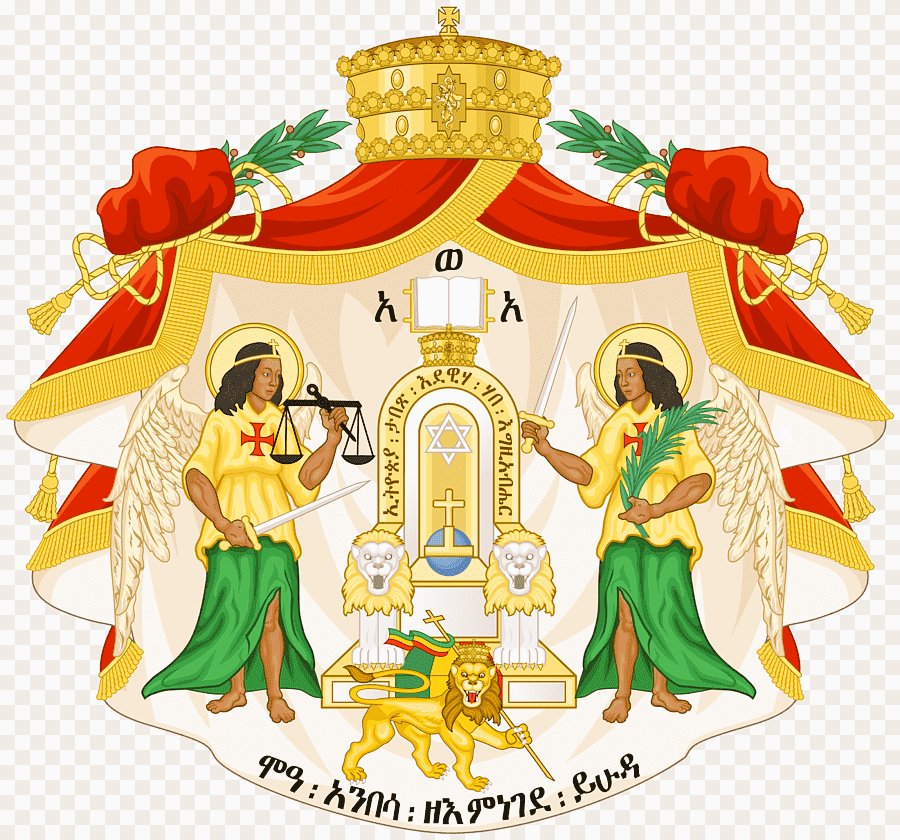
The beautiful Coat of Arms of Ethiopia's 3,000-year monarchical heritage—the Solomonic Dynasty. The suppressed power of our people rests hidden in the glorious Ethiopian Israelite-Sabaean legacy and its universal purpose.
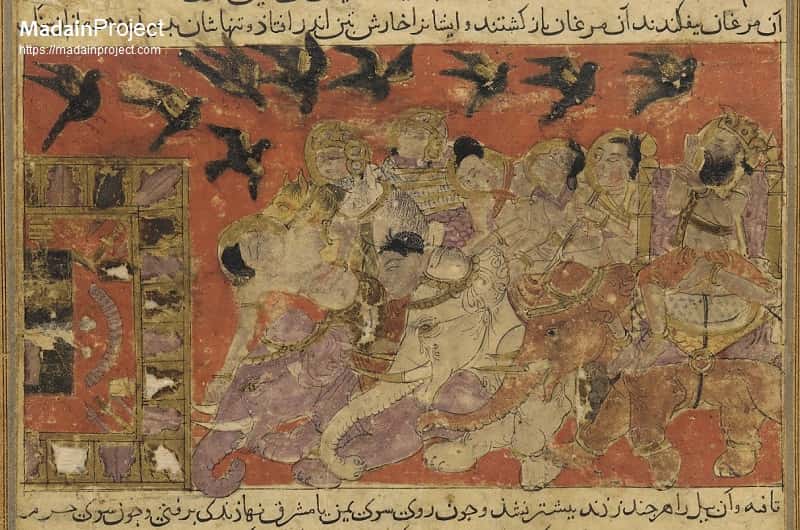
14th-century Persian illustration of Abraha, the Ethiopian viceroy for the Christian empire of Axum who ruled the Himyarite Kingdom of Yemen and much of the Arabian Peninsula in the 6th century, on his attempted destruction of the Kaaba, taken from a "Tarikhnama" (history book)




![NegedeYehuda's tweet photo. As recorded in the "Futuh Al Habäsha," which was an account of the 16th century war between the Ethio-Israelite Orthodox Christian Empire of Ethiopia (Solomonic Dynasty) and forces (the Ottomans) backing the Bar Sa'adin Adalite Sultanate, Emperor Na’od had built a temple-like Orthodox church known as Mäkanä Səllasē (lit. "Realm of the Trinity") entirely plated in gold leaf, a church made of gold, that was looted and burned down by the invading Jihadist forces. The source relates that it had taken Na'od thirteen years to build the church, and that upon dying, his son Ləbnä Dəngəl (David II, whose 16th century portrait is displayed) continued its construction. The passage in the "Futuh Al Habäsha," pages 220-221 and 245-247 reads:
"There was a church in Amhara that had no peer in Abyssinia. King Na'od, the father of King Wänag Sägäd [lit. 'to whom lions bow,' Emperor Lebna Dengel's crown name] had built it. He exhausted himself in its construction, in its planning and in every detail of the work. He adorned it with gold and spent thirteen years in its construction . . . . His son took over its construction after him . . . . It was entirely plated in gold leaf; it blazed like a fire . . . . The king named it . . . Makana Sellase . . . . The sepulchre of King Na'od bin Admas bin Zar'a Ya'əqob is inside the Church. Amhara has other Churches in it that belonged to earlier Kings, but a construction like this Church was not to be found . . . ."
". . . the recollection of their journey to Amhara which is a region of flat arable land, standing crops, rivers and copious rain, of wheat and barley . . . . In it are their scribes, their priests and monks. It is also the residence of their kings, but the king does not reside there permanently. No king who reigns over Abyssinia can exercise his rule unless he has been enthroned in Amhara. They call the people there who serve the churches, Däbtära, which means in their language 'eloquent theologians.' These are Christian people whom the king regards with beneficence and diffidence. Some of them become advisers to the king, while others are related to him by marriage . . . . The Imam asked all the Arabs who were with him, 'is there the like of this church, with its images and its gold, in Byzantium or in India, or in any other place ?' They replied, 'We never saw or heard of its like in Byzantium or India or anywhere in the world . . . ."
As cited in Jean Doresse’s "Ethiopia," on page 145, the plunderers also looted a book made of gold, and the royal insignia and treasure concealed at Gänätä Mariam (lit. "Paradise of Mary"), as well as crowns, diadems of ancient kings, ceremonial mantles, and daggers. They also found several Tabots, [consecrated] altar tables representing the Ark of the Covenant, made of gold and that were so heavy that five men together were unable to carry them. Lebna Dengel was never to see the help which the Portuguese had helped to carry out. He who twenty years before rode forth on horseback, crowned, and with an escort of chained lions, died a year before their arrival with hardly an attendant.
The Al Ibrahimi Yemeni chronicler of the Futuh Al Habasha, during the 16th century war between the Orthodox Christian Ethiopian Empire and the forces backing Grañ Ahmed, records that the invading forces needed twenty days to loot and recuperate all the gold from one single church in Amhara—which reveals the massive degree of the empire's wealth at the time, before the irredeemable and severe damage brought upon it, and the endless war between the invaders and the emperors, who were keepers of an ancient biblical, mystical tradition and sacred objects, striving to save the realm from destruction and to prevent its conquest. The concealment of these truths has led to the dishonest portrayal of the Ethiopian emperors and particularly the Amhara as an oppressive people, because these [Solomonic] emperors and their people fought against, and destroyed, their invading enemies.](https://pbs.twimg.com/media/GpmEEhCXkAAeFJo.jpg)
![NegedeYehuda's tweet photo. As recorded in the "Futuh Al Habäsha," which was an account of the 16th century war between the Ethio-Israelite Orthodox Christian Empire of Ethiopia (Solomonic Dynasty) and forces (the Ottomans) backing the Bar Sa'adin Adalite Sultanate, Emperor Na’od had built a temple-like Orthodox church known as Mäkanä Səllasē (lit. "Realm of the Trinity") entirely plated in gold leaf, a church made of gold, that was looted and burned down by the invading Jihadist forces. The source relates that it had taken Na'od thirteen years to build the church, and that upon dying, his son Ləbnä Dəngəl (David II, whose 16th century portrait is displayed) continued its construction. The passage in the "Futuh Al Habäsha," pages 220-221 and 245-247 reads:
"There was a church in Amhara that had no peer in Abyssinia. King Na'od, the father of King Wänag Sägäd [lit. 'to whom lions bow,' Emperor Lebna Dengel's crown name] had built it. He exhausted himself in its construction, in its planning and in every detail of the work. He adorned it with gold and spent thirteen years in its construction . . . . His son took over its construction after him . . . . It was entirely plated in gold leaf; it blazed like a fire . . . . The king named it . . . Makana Sellase . . . . The sepulchre of King Na'od bin Admas bin Zar'a Ya'əqob is inside the Church. Amhara has other Churches in it that belonged to earlier Kings, but a construction like this Church was not to be found . . . ."
". . . the recollection of their journey to Amhara which is a region of flat arable land, standing crops, rivers and copious rain, of wheat and barley . . . . In it are their scribes, their priests and monks. It is also the residence of their kings, but the king does not reside there permanently. No king who reigns over Abyssinia can exercise his rule unless he has been enthroned in Amhara. They call the people there who serve the churches, Däbtära, which means in their language 'eloquent theologians.' These are Christian people whom the king regards with beneficence and diffidence. Some of them become advisers to the king, while others are related to him by marriage . . . . The Imam asked all the Arabs who were with him, 'is there the like of this church, with its images and its gold, in Byzantium or in India, or in any other place ?' They replied, 'We never saw or heard of its like in Byzantium or India or anywhere in the world . . . ."
As cited in Jean Doresse’s "Ethiopia," on page 145, the plunderers also looted a book made of gold, and the royal insignia and treasure concealed at Gänätä Mariam (lit. "Paradise of Mary"), as well as crowns, diadems of ancient kings, ceremonial mantles, and daggers. They also found several Tabots, [consecrated] altar tables representing the Ark of the Covenant, made of gold and that were so heavy that five men together were unable to carry them. Lebna Dengel was never to see the help which the Portuguese had helped to carry out. He who twenty years before rode forth on horseback, crowned, and with an escort of chained lions, died a year before their arrival with hardly an attendant.
The Al Ibrahimi Yemeni chronicler of the Futuh Al Habasha, during the 16th century war between the Orthodox Christian Ethiopian Empire and the forces backing Grañ Ahmed, records that the invading forces needed twenty days to loot and recuperate all the gold from one single church in Amhara—which reveals the massive degree of the empire's wealth at the time, before the irredeemable and severe damage brought upon it, and the endless war between the invaders and the emperors, who were keepers of an ancient biblical, mystical tradition and sacred objects, striving to save the realm from destruction and to prevent its conquest. The concealment of these truths has led to the dishonest portrayal of the Ethiopian emperors and particularly the Amhara as an oppressive people, because these [Solomonic] emperors and their people fought against, and destroyed, their invading enemies.](https://pbs.twimg.com/media/Gpl-TLEW0AA2GBJ.jpg)
![NegedeYehuda's tweet photo. As recorded in the "Futuh Al Habäsha," which was an account of the 16th century war between the Ethio-Israelite Orthodox Christian Empire of Ethiopia (Solomonic Dynasty) and forces (the Ottomans) backing the Bar Sa'adin Adalite Sultanate, Emperor Na’od had built a temple-like Orthodox church known as Mäkanä Səllasē (lit. "Realm of the Trinity") entirely plated in gold leaf, a church made of gold, that was looted and burned down by the invading Jihadist forces. The source relates that it had taken Na'od thirteen years to build the church, and that upon dying, his son Ləbnä Dəngəl (David II, whose 16th century portrait is displayed) continued its construction. The passage in the "Futuh Al Habäsha," pages 220-221 and 245-247 reads:
"There was a church in Amhara that had no peer in Abyssinia. King Na'od, the father of King Wänag Sägäd [lit. 'to whom lions bow,' Emperor Lebna Dengel's crown name] had built it. He exhausted himself in its construction, in its planning and in every detail of the work. He adorned it with gold and spent thirteen years in its construction . . . . His son took over its construction after him . . . . It was entirely plated in gold leaf; it blazed like a fire . . . . The king named it . . . Makana Sellase . . . . The sepulchre of King Na'od bin Admas bin Zar'a Ya'əqob is inside the Church. Amhara has other Churches in it that belonged to earlier Kings, but a construction like this Church was not to be found . . . ."
". . . the recollection of their journey to Amhara which is a region of flat arable land, standing crops, rivers and copious rain, of wheat and barley . . . . In it are their scribes, their priests and monks. It is also the residence of their kings, but the king does not reside there permanently. No king who reigns over Abyssinia can exercise his rule unless he has been enthroned in Amhara. They call the people there who serve the churches, Däbtära, which means in their language 'eloquent theologians.' These are Christian people whom the king regards with beneficence and diffidence. Some of them become advisers to the king, while others are related to him by marriage . . . . The Imam asked all the Arabs who were with him, 'is there the like of this church, with its images and its gold, in Byzantium or in India, or in any other place ?' They replied, 'We never saw or heard of its like in Byzantium or India or anywhere in the world . . . ."
As cited in Jean Doresse’s "Ethiopia," on page 145, the plunderers also looted a book made of gold, and the royal insignia and treasure concealed at Gänätä Mariam (lit. "Paradise of Mary"), as well as crowns, diadems of ancient kings, ceremonial mantles, and daggers. They also found several Tabots, [consecrated] altar tables representing the Ark of the Covenant, made of gold and that were so heavy that five men together were unable to carry them. Lebna Dengel was never to see the help which the Portuguese had helped to carry out. He who twenty years before rode forth on horseback, crowned, and with an escort of chained lions, died a year before their arrival with hardly an attendant.
The Al Ibrahimi Yemeni chronicler of the Futuh Al Habasha, during the 16th century war between the Orthodox Christian Ethiopian Empire and the forces backing Grañ Ahmed, records that the invading forces needed twenty days to loot and recuperate all the gold from one single church in Amhara—which reveals the massive degree of the empire's wealth at the time, before the irredeemable and severe damage brought upon it, and the endless war between the invaders and the emperors, who were keepers of an ancient biblical, mystical tradition and sacred objects, striving to save the realm from destruction and to prevent its conquest. The concealment of these truths has led to the dishonest portrayal of the Ethiopian emperors and particularly the Amhara as an oppressive people, because these [Solomonic] emperors and their people fought against, and destroyed, their invading enemies.](https://pbs.twimg.com/media/Gpl-TKyX0AAetrX.jpg)




![ErcRoyal's tweet photo. Ethiopia's struggle for justice is first and foremost psychological. It is our responsibility, as Ethiopians, to live up to the highest values and the caliber of the greatest historical leaders [the anointed Kings] and true representatives of our nation to triumph over evil. https://t.co/eYXZr8AAAT](https://pbs.twimg.com/media/FuCCC0uagAUDXdg.jpg)


![NegedeYehuda's tweet photo. As recorded in the "Futuh Al Habäsha," which was an account of the 16th century war between the Ethio-Israelite Orthodox Christian Empire of Ethiopia (Solomonic Dynasty) and forces (the Ottomans) backing the Bar Sa'adin Adalite Sultanate, Emperor Na’od had built a temple-like Orthodox church known as Mäkanä Səllasē (lit. "Realm of the Trinity") entirely plated in gold leaf, a church made of gold, that was looted and burned down by the invading Jihadist forces. The source relates that it had taken Na'od thirteen years to build the church, and that upon dying, his son Ləbnä Dəngəl (David II, whose 16th century portrait is displayed) continued its construction. The passage in the "Futuh Al Habäsha," pages 220-221 and 245-247 reads:
"There was a church in Amhara that had no peer in Abyssinia. King Na'od, the father of King Wänag Sägäd [lit. 'to whom lions bow,' Emperor Lebna Dengel's crown name] had built it. He exhausted himself in its construction, in its planning and in every detail of the work. He adorned it with gold and spent thirteen years in its construction . . . . His son took over its construction after him . . . . It was entirely plated in gold leaf; it blazed like a fire . . . . The king named it . . . Makana Sellase . . . . The sepulchre of King Na'od bin Admas bin Zar'a Ya'əqob is inside the Church. Amhara has other Churches in it that belonged to earlier Kings, but a construction like this Church was not to be found . . . ."
". . . the recollection of their journey to Amhara which is a region of flat arable land, standing crops, rivers and copious rain, of wheat and barley . . . . In it are their scribes, their priests and monks. It is also the residence of their kings, but the king does not reside there permanently. No king who reigns over Abyssinia can exercise his rule unless he has been enthroned in Amhara. They call the people there who serve the churches, Däbtära, which means in their language 'eloquent theologians.' These are Christian people whom the king regards with beneficence and diffidence. Some of them become advisers to the king, while others are related to him by marriage . . . . The Imam asked all the Arabs who were with him, 'is there the like of this church, with its images and its gold, in Byzantium or in India, or in any other place ?' They replied, 'We never saw or heard of its like in Byzantium or India or anywhere in the world . . . ."
As cited in Jean Doresse’s "Ethiopia," on page 145, the plunderers also looted a book made of gold, and the royal insignia and treasure concealed at Gänätä Mariam (lit. "Paradise of Mary"), as well as crowns, diadems of ancient kings, ceremonial mantles, and daggers. They also found several Tabots, [consecrated] altar tables representing the Ark of the Covenant, made of gold and that were so heavy that five men together were unable to carry them. Lebna Dengel was never to see the help which the Portuguese had helped to carry out. He who twenty years before rode forth on horseback, crowned, and with an escort of chained lions, died a year before their arrival with hardly an attendant.
The Al Ibrahimi Yemeni chronicler of the Futuh Al Habasha, during the 16th century war between the Orthodox Christian Ethiopian Empire and the forces backing Grañ Ahmed, records that the invading forces needed twenty days to loot and recuperate all the gold from one single church in Amhara—which reveals the massive degree of the empire's wealth at the time, before the irredeemable and severe damage brought upon it, and the endless war between the invaders and the emperors, who were keepers of an ancient biblical, mystical tradition and sacred objects, striving to save the realm from destruction and to prevent its conquest. The concealment of these truths has led to the dishonest portrayal of the Ethiopian emperors and particularly the Amhara as an oppressive people, because these [Solomonic] emperors and their people fought against, and destroyed, their invading enemies.](https://pbs.twimg.com/media/GpmEEhoWkAAlfga.jpg)