Neanderthals had significantly thicker enamel layers than we do. Not only did this help their teeth resist breakage, it might've also made them whiter!
#teaford#UofGFoodProf#Food2150
Including fibrous proteins in meat analogues is highly desirable, as it helps in mimicking the properties and textures of meat. If we increase fibrous proteins in plants by stimulating the genes which code for it, would they taste meatier?
#UofGFoodProf#jones#food2150
Iron is a renown preventative antioxidant. If so, does this mean that using cast iron pots could reduce the number of carcinogenic oxidated lipids formed when frying food in oil?
#Food2150#UofGFoodProf#Laguerre
Oxidizing starch creates a number of properties which increase the efficiency and applications of drug delivery systems. Could this oxidized starch also be seasoned onto food to increase nutrition absorbance?
#masina#UofGFoodProf#Masina#Food2150
Taste inputs influences the way food enters our bodies and the foods nutrients are handled. If so, could the taste of pills be designed so they could be more efficiently absorbed?
#breslin#Food2150#UofGFoodProf
In dry aging meat, Proteoglycans needs to be degraded so enzymes can denature the collagen it’s protecting. As freezer burning food degrades its internal structure, could freezing meat help bypass this step?
#Listrat#UofGFoodProf#Food2150
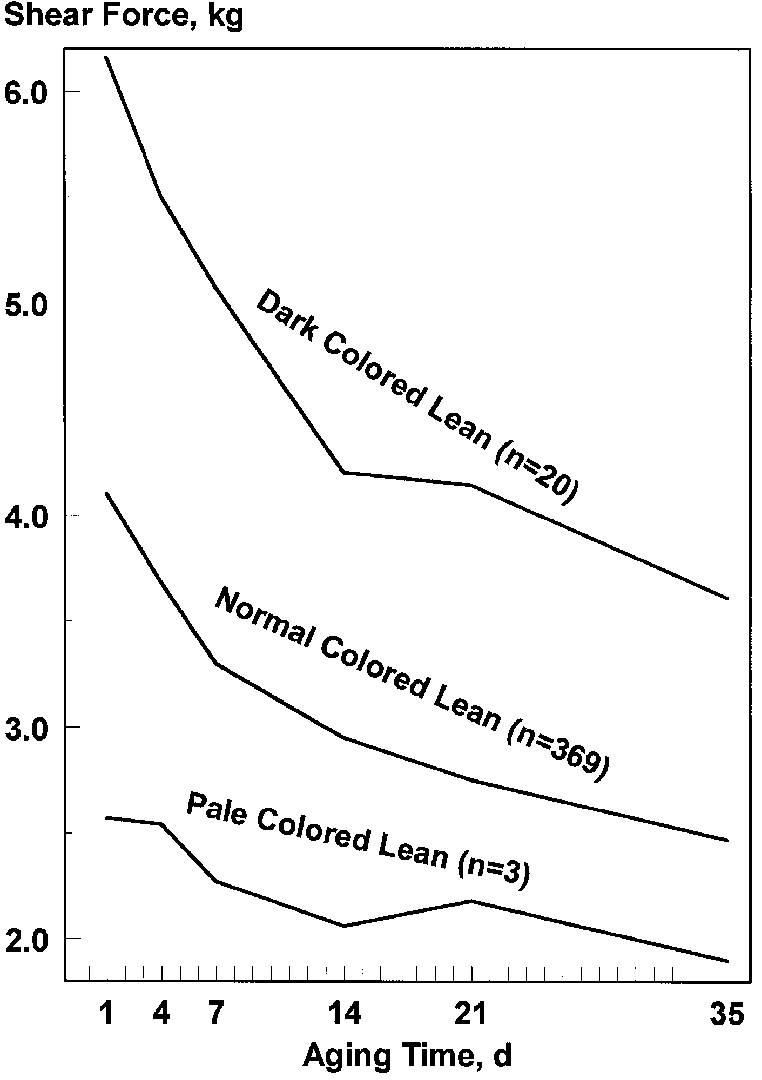
@JesseVandenBer1 @UofGFoodProf The fibre characteristics and tenderness of beef varies drastically depending on the breed, age, sex, muscle component, etc. The red colour does not necessarily imply that the beef is fresh or tender, it actually depends on the species you choose. @UofGFoodProf #listrat#food2150
@JesseVandenBer1 @UofGFoodProf Why is Wagyu beef so pricey? The marbling is why! High intramuscular fat (IMF) content in meat not only enhances its flavour, but juiciness as well! In general, low IMF content in meat leads to dry and poor tasting meat. Remember, fat is flavour! @UofGFoodProf #Listrat#FOOD2150
@JesseVandenBer1 @UofGFoodProf Meat quality is reduced when slaughtered animals experience high muscle stress directly before death. This stress increases muscle temperature, which denatures muscle proteins. Meat water-holding capacity also decreases due to the lowered surrounding pH #Listrat @UofGFoodProf
@JesseVandenBer1 @UofGFoodProf Caspases trigger an enzymatic degradation process in animals immediately post mortem. Beef can be stored anywhere between two weeks to a month after slaughter to increase tenderness resulting from this mechanism, and other aging processes. @UofGFoodProf #Listrat#Food2150
@BenOuellette4@maddisfoodfacts @UofGFoodProf Ever wonder what causes the growth of ice crystals in your ice cream? Stabilizers affect the rate at which water diffuses to the surface of a growing crystal. This results from freeze-concentration of polysaccharides during temperature fluctuation! @UofGFoodProf #Regand#FOOD2150
If there had been a safety survey and spotted the cause of the 2008 Maple Leaf outbreak beforehand, it wouldn't have happened. Simply learning from mistakes isn't enough. Instead, investments must be made into preventing such catastrophes in the future.
#thomas#food2150
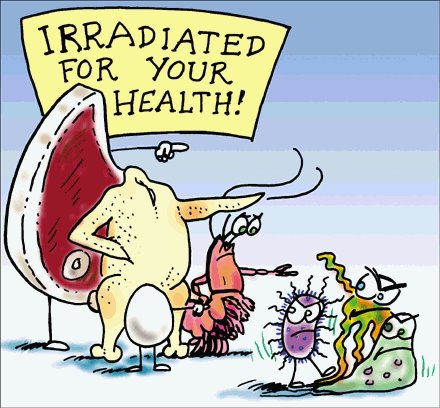
@helen_xu25 @amazingkuskus @UofGFoodProf Detection methods are in place to identify whether the chemical changes of food that had undergone irradiation treatments are stable for further processing. Light emissions from heated herbs and spices can be detected with thermo-luminescence. @UofGFoodProf #FOOD2150#Kilcast
@amazingkuskus @UofGFoodProf Irradiation reduces spoilage and extends the shelf-life of foods. However, the myths of excessive nutrient loss and generation of toxic chemicals continue to raise concerns for consumers. Should we be skeptical or more accepting of this process? @UofGFoodProf #Kilcast#FOOD2150
@helen_xu25 @amazingkuskus @UofGFoodProf Irradiation better preserves the sensory properties of foods compared to canning, pasteurization, and freezing. Although some nutrients can be lost in the process, the resulting increase in shelf life could greatly reduce food waste. @UofGFoodProf #Food2150#Kilcast
@Heather19055615 @UofGFoodProf The physical state of meal can affect satiety signals. Homogenized foods (high viscosity liquids such as soup and smoothie) are shown to have longer gastric-emptying time than solids. Does it mean blending everything will be a good diet method? @UofGFoodProf #Santangelo#Food2150
@shaunachesney @UofGFoodProf The human body hosts a diverse ecosystem of microorganisms. In a study where mucosal samples were collected from the six major subdivisions of the healthy human colon, a total of 395 bacterial phylotypes were found! @UofGFoodProf #FOOD2150#Eckburg
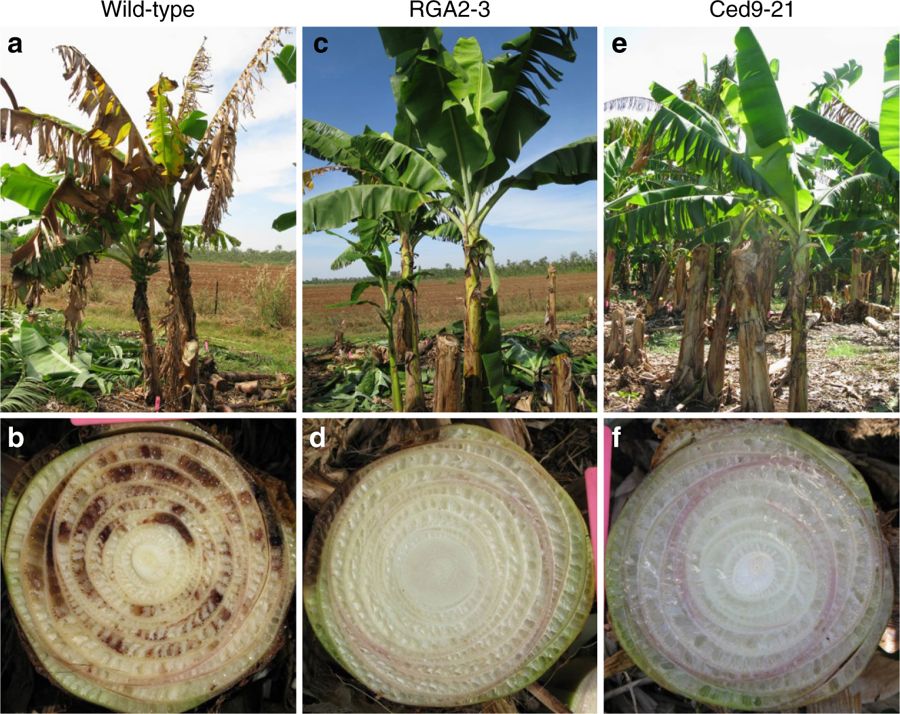
@SultaniArianna @UofGFoodProf The Cavendish banana is susceptible to the fungus, Foc TR4! Characteristic symptoms of this fungus in resistant bananas include a reddish-brown vascular discolouration. This acts as a diagnostic marker for infection that is more than 99% accurate! @UofGFoodProf #Dale#FOOD2150
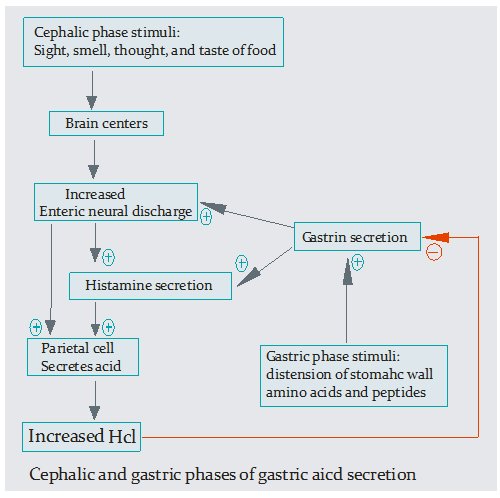
@ErinSmi11956861 @UofGFoodProf You may know that the sight and smell of food increases appetite, but did you know it also causes gastric acid release? Furthermore, research shows that discussing food is a stronger stimulant of acid secretion than sight and smell by 54-77%! @UofGFoodProf #FOOD2150#Feldman
@youngtwins22 @cityofguelph @UofGFoodProf @wideopenpets Smallholder and commercial chicken flocks both showed resistance to Category I and II antibiotics in a study using data from 2014/15. With the banned use of both categories by the end of this year, what effects will we see? @UofGFoodProf #Lebert#Food2150 https://t.co/XIWJDGq3fg