🧵The March 2024 episode of the #StrokeAlert Podcast is now available. In this episode, @NAsdaghi highlights articles in the March issue of #Stroke and interviews @san_murthy & @WendyZiai on their article “Association Between Hematoma Volume & Risk of Subsequent Ischemic Stroke."
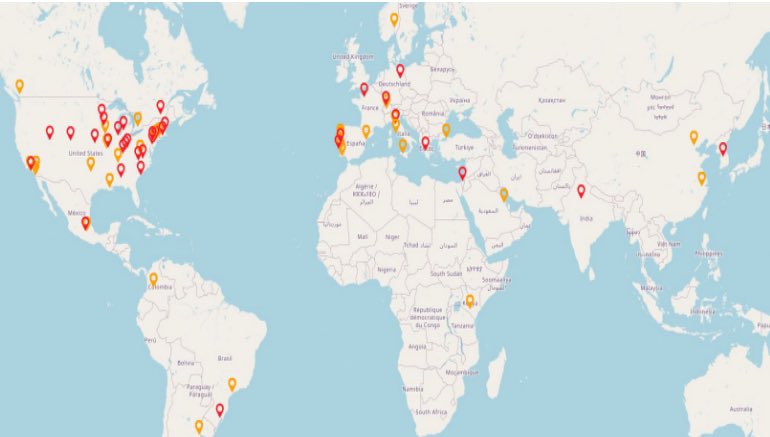
The STOP-CAD study comparing antithrombotic regimens in cervical artery dissection was submitted as a late breaking abstract to the International Stroke Conference. We are very grateful for the 63 contributing sites worldwide! Register for #ISC24 🛑CAD https://t.co/veLzkK9yiY
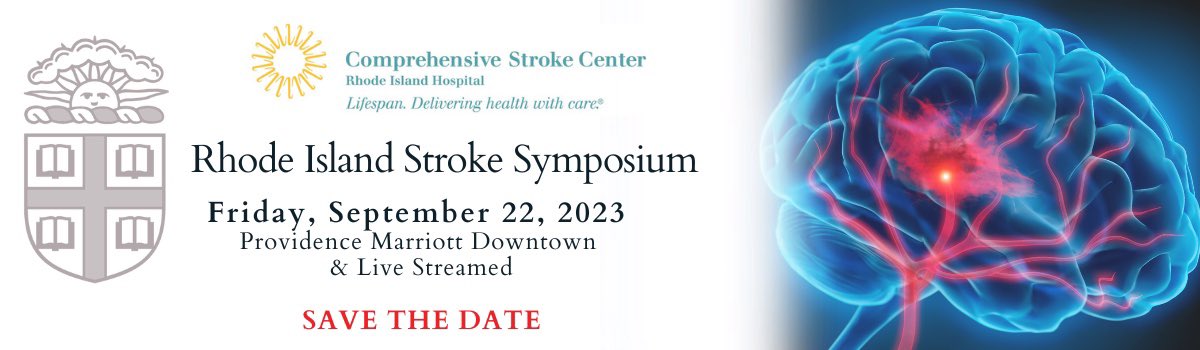
So excited for our 3rd RI Stroke Symposium- both in-person and virtual this year! Stay tuned for an amazing lineup of speakers; agenda and registration info to follow!
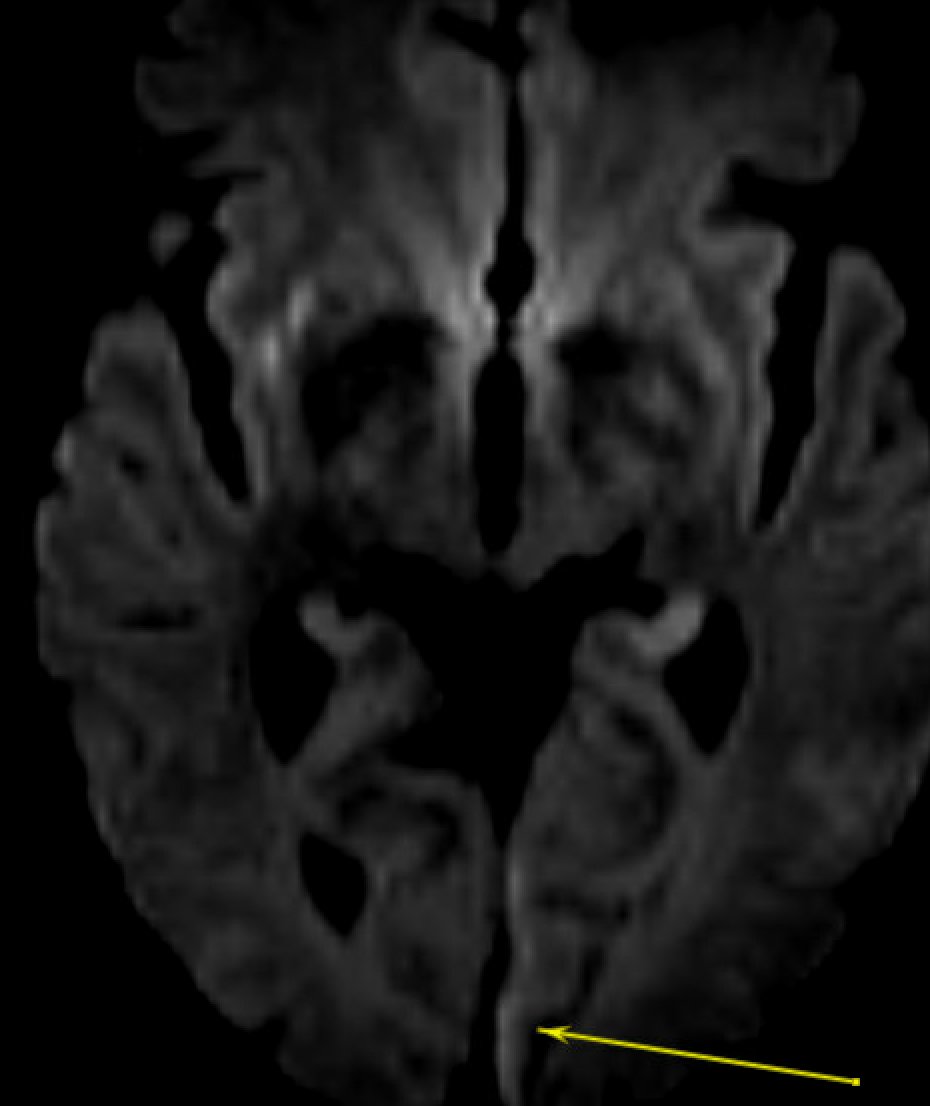
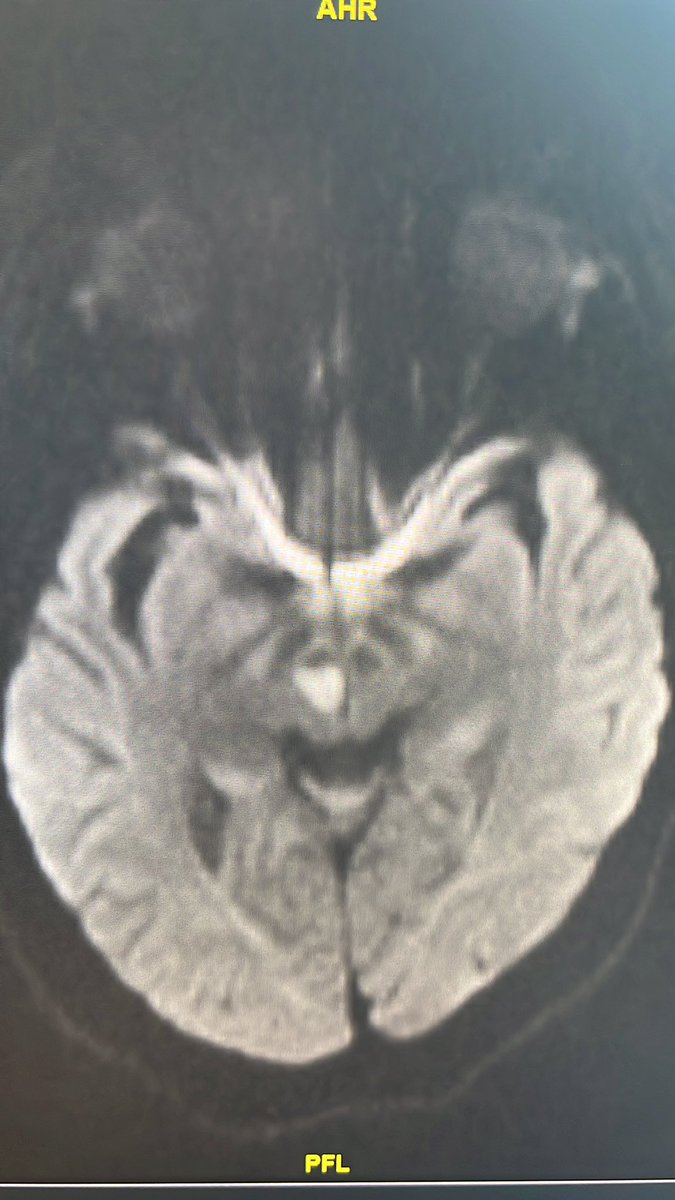
Middle aged person with hearing loss. MRI showing the following. Probable diagnosis? #neurotwitter
Hint: it's a clinical triad, but this person had only 2 symptoms.
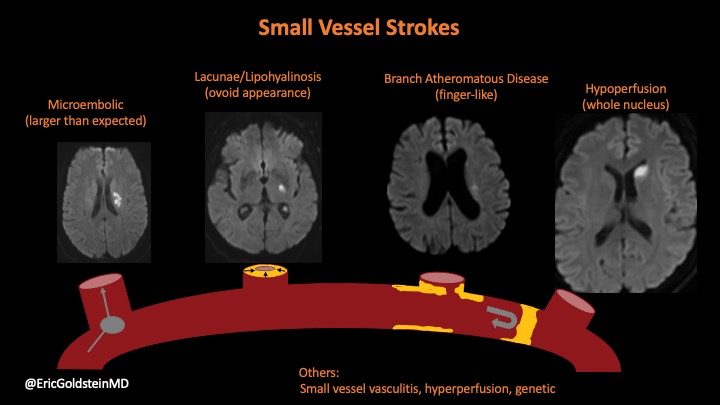
In patients with symptomatic #ICAD, the real-world recurrent #stroke is ~20% & >>>> than that seen in clinical trials (~4%) even in subgroups receiving the same pharmacological treatment strategies. Read our most recent on this! https://t.co/wFd7Xtdido @EricGoldsteinMD@ShuLiqi
More of a vignette this time…
Older person using/leaning on a large drill.
Acute onset of paraplegia, pinprick loss to ~ T2.
Unable to get mri
Diagnosis and speculative cause?
#neurotwitter
3 territory sign! Usually is a sign of hypercoagulability of malignancy. In this case… new diagnosis of pancreatic cancer. APS labs noncontributory. I tend to do a DOAc.
As several of you mentioned, Wenekink! Important as it’s one of a few potential causes of bilateral ataxia from an acute stroke perspective. Look for ocular motility issues, palatal tremor (may be described as a ticking or new tinnitus), and Holm’s tremor.