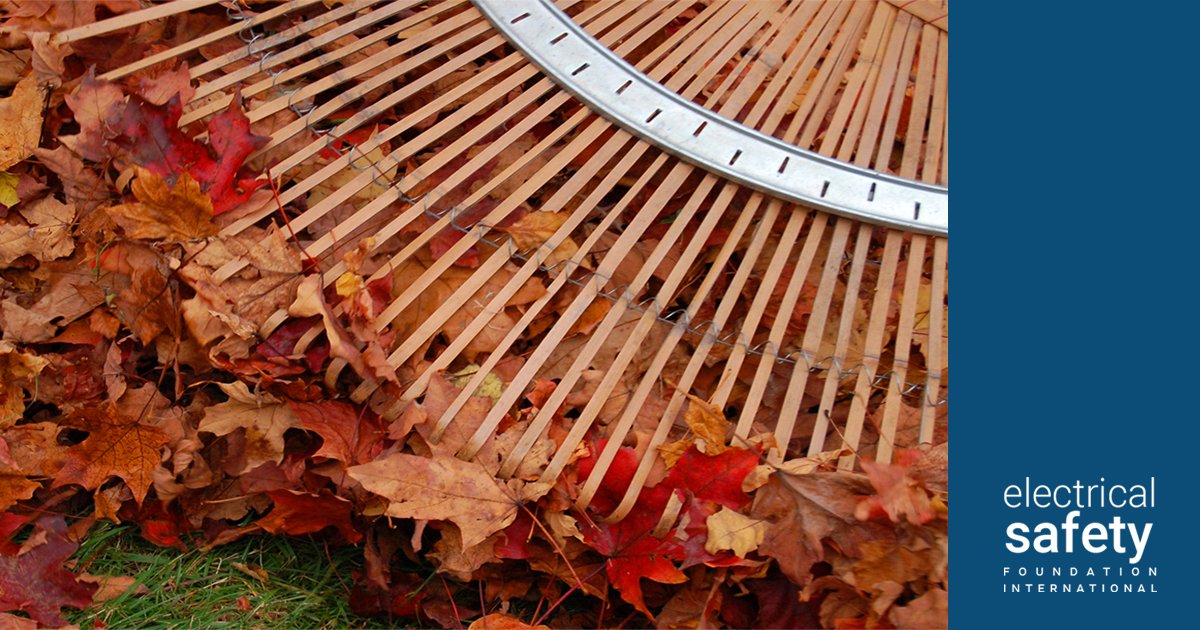
When cleaning up leaves or working outside this fall, keep leaves swept away from outdoor lighting, outlets & power cords. Be sure to protect outdoor electrical devices from moisture. Make sure any wet electrical equipment is inspected and reconditioned: https://t.co/MZRznVF8CN
The start of a new month is a great time to test your smoke alarm batteries, carbon monoxide detectors, GFCI, and AFCI receptacles. Be sure to test your smoke alarms monthly, replace the batteries yearly, and replace alarms every ten years.
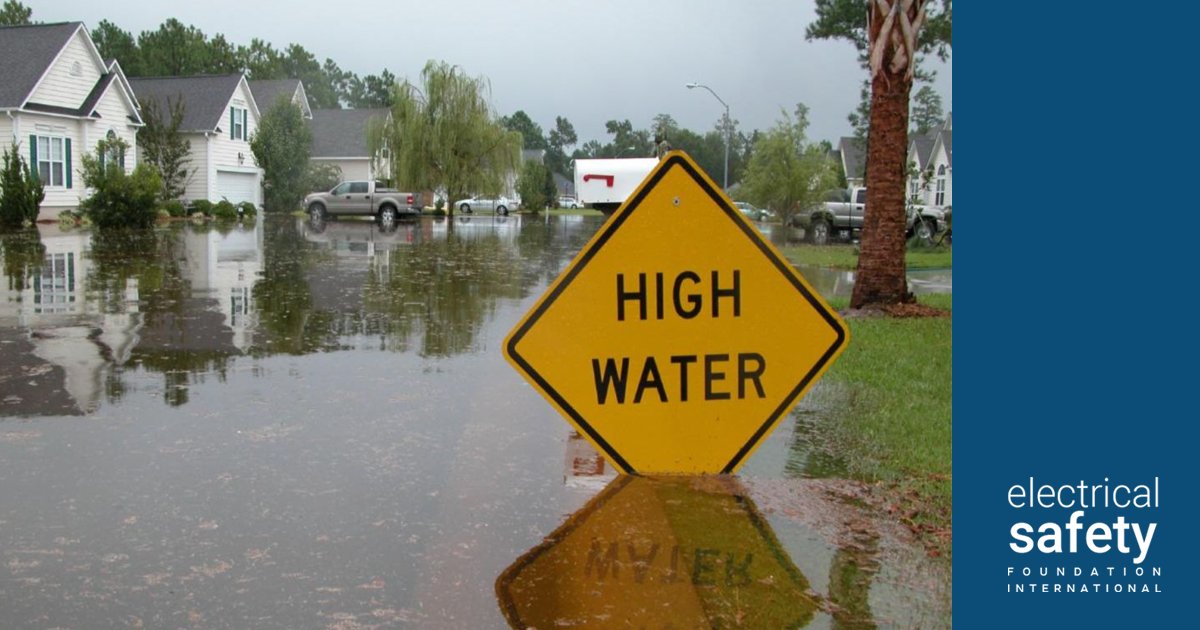
On average, more deaths occur due to flooding each year than from any other severe weather-related hazard. A car can easily be carried away by just two feet of floodwater, and nearly half of all flood fatalities occur in vehicles: https://t.co/jJiEg6Y191
Power outages can lead to more than just your lights going out. Forcing sensitive electronics to shut down unexpectedly can result in data loss or damage to electrical systems. When power returns, a surge can damage TVs, appliances, and more: https://t.co/8U0nbHC2yu
Water and electricity do not mix. Water-damaged equipment, even if thoroughly dried, will pose serious long-term safety and fire risks if not properly reconditioned. Follow this guide to see what equipment must be replaced and which may be reconditioned: https://t.co/fuUBICsfNp
In the aftermath of a storm, it's imperative that electricians take their time to purchase genuine products from reputable retailers and manufacturers to avoid the dangers of counterfeit electrical goods: https://t.co/vYfwNaVssx
While we can’t prevent natural disasters, we can ensure our businesses are electrically safe before and after storms. Learn what to do in the event of a natural disaster, how to recover, and prepare for future storms: https://t.co/HApYzE835Y
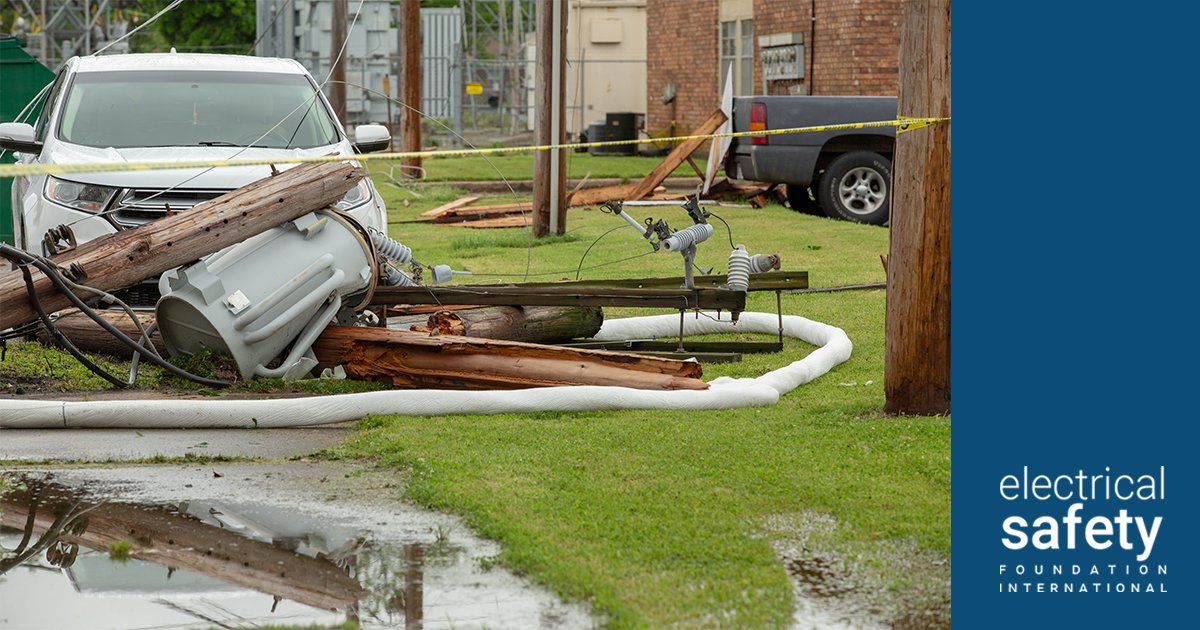
If you’re in an accident that involves a utility pole & a downed power line, always consider the line & vehicle to be live and dangerous. If you’re in the vehicle, stay put & warn others to stay at least 35 feet away from the power line. Then call 911.
The beginning of fall is on the horizon. Have your heating and air conditioning systems inspected by a qualified service professional at least once a year to make sure they are running at optimal efficiency and to diagnose any potential problems: https://t.co/52w1YkCdnK
Outdoors is the most dangerous place to be during a lightning storm. If you hear thunder, go inside immediately because lightning can travel sideways for up to 10 miles. Lightning can strike anywhere, not just the tallest objects: https://t.co/FMFFiXj0cj
It’s National Clean Energy Week. Net zero buildings produce the same amount of energy as they use. Net zero energy use, energy efficiency & resilience help reduce your environmental impact, reduce carbon emissions & provide domestically-produced energy: https://t.co/jszaDSZiWS
It’s National Clean Energy Week. Read ESFI and Wesco's article, Electrification Charges Forward, published in Environmental Protection, which details the rapid advancements in emerging technologies: https://t.co/w3UPWKV1e9
It’s National Clean Energy Week. Having energy storage systems helps increase your energy efficiency by storing energy for use during peak hours or a power outage. Solar panels generate energy, charge batteries, and sell extra power back to the grid: https://t.co/hKhYN0fQ8E
It’s National Clean Energy Week, a celebration of policies, industries, and innovations that power our daily lives while producing no or little greenhouse gas emissions. Reduce your energy dependency with the help of energy storage systems & solar panels.
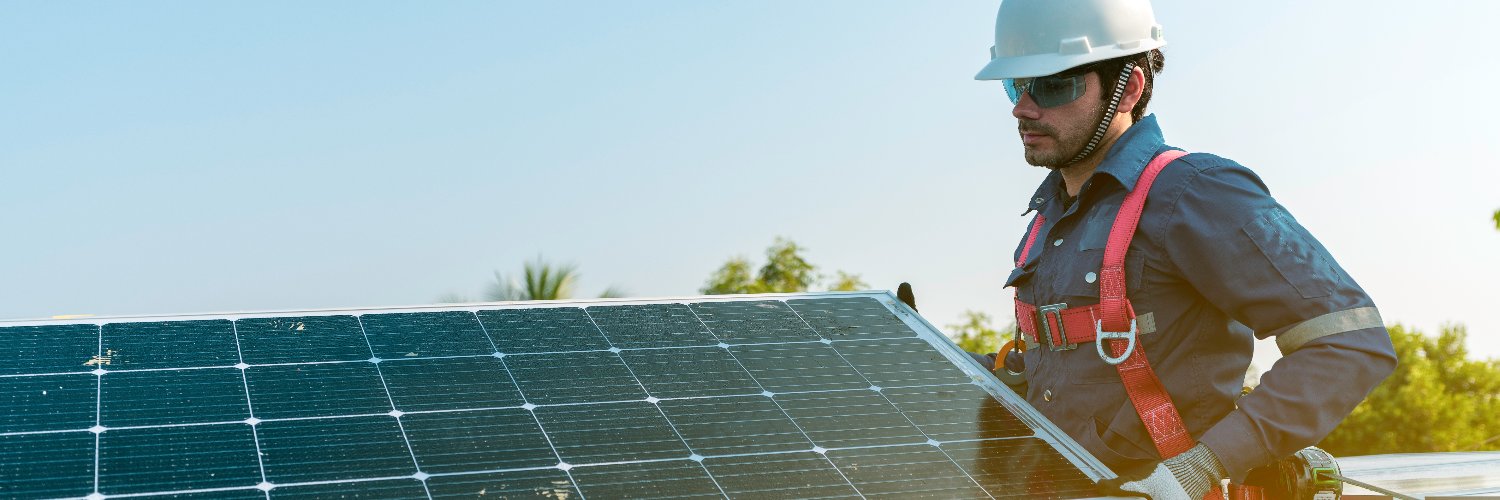
It’s National Clean Energy Week. Learn how to stay safe while working with or around solar panels. According to the U.S. Bureau of Labor Statistics, solar photovoltaic installer jobs are expected to grow 48% between now and 2033: https://t.co/4ehRxinnEJ
It's National Drive Electric Month. If you have an electric vehicle, you need to stay safe when you charge it. Never use a damaged charger and alter or modify your charger, battery, or EV. When parking in an EV charging spot, be aware of your surroundings.
Prepare for brownouts by installing uninterruptible power supplies, energy storage, smart meters, generators with transfer switches, and surge protective devices. A sustained brownout could cause damage to electronic motors in appliances: https://t.co/mpktHjf9Ra
If you're utilizing a generator in a severe storm, make sure to always keep them at least 20 feet away from doors and windows. Never operate a generator in an enclosed space. Also, make sure you have carbon monoxide detectors on every level of your home.
A recent survey by ESFI & NEMA found that power surges are responsible for over 1/3 of unplanned outages and downtime in facilities across the country. By installing SPDs in your facility, you can help ensure your equipment is protected from power surges: https://t.co/4PwKrLAEWY
Atlantic hurricane season has officially begun and will run through November, with the peak season occurring from mid-August to late October. ESFI offers important advice about how to take precautions during and after severe storms.