Official KuCoin ESG Account. Sharing our journey in environmental sustainability, social impact, and governance excellence.
#CryptoForGood#Web3ESG#KuCoinESG
Climate Risk Is Starting To Affect Countries — Not Just Companies.
For years, ESG focused on companies.
Now, markets are starting to price climate risk at the country level.
Climate change is beginning to influence:
• Government debt sustainability
• Infrastructure spending
• Disaster recovery costs
• Insurance availability
• Economic productivity
Countries exposed to:
Flooding
Heatwaves
Water stress
Rising sea levels
may face:
Higher borrowing costs
Lower credit ratings
Increased fiscal pressure
Climate risk is no longer just corporate risk.
It is becoming sovereign financial risk.
In the future, climate may influence how countries are priced in global markets.
#ESG #ClimateRisk #Macro
GLOBAL POLICY SIGNAL
The “Triple COP” Era
Environmental governance is evolving beyond a single climate agenda.
In recent years, global negotiations have expanded to include multiple interconnected environmental challenges.
This emerging framework is sometimes referred to as the “Triple COP” era.
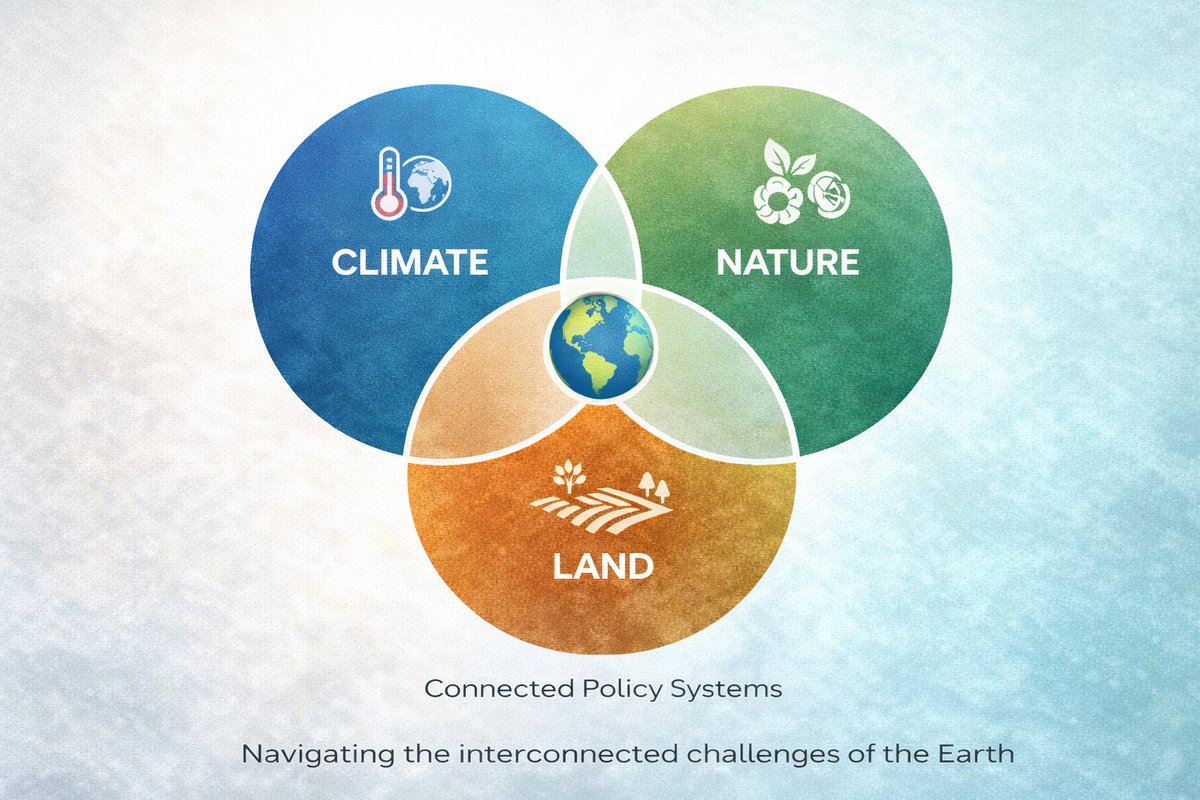
It reflects three major global policy tracks:
• Climate change negotiations
• Biodiversity protection agreements
• Land and ecosystem restoration initiatives
Together, these agendas highlight the growing recognition that environmental challenges are deeply interconnected.
Climate systems, ecosystems, and land resources influence each other.
Future environmental governance will increasingly integrate these dimensions.
The shift signals a broader transformation in how sustainability is addressed at the global level.
Hashtags
#ClimatePolicy
#Biodiversity
#NatureFinance
#GlobalGovernance
#Sustainability
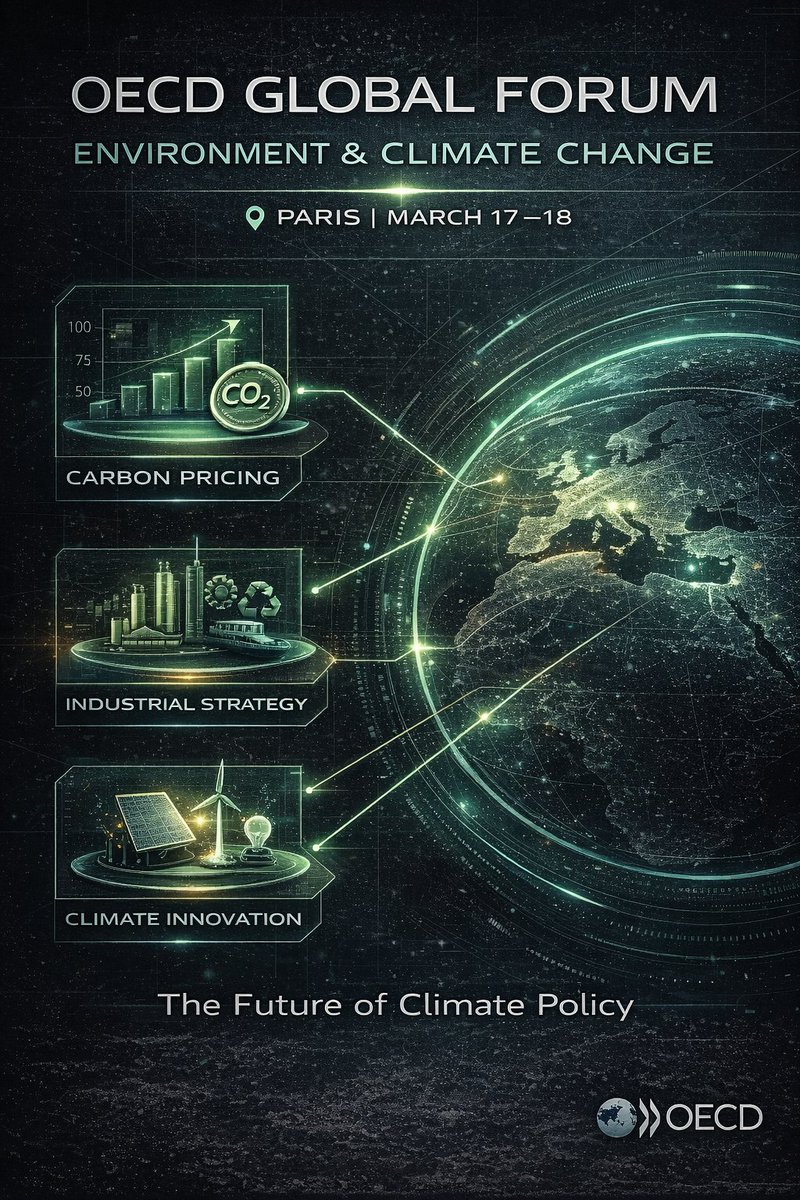
OECD Global Forum on Environment & Climate Change
📍 Paris | March 17–18
🌍 Climate Policy Is Becoming Economic Policy
Governments, economists, and policy leaders will meet in Paris for the OECD Global Forum on Environment and Climate Change (March 17–18).
The event reflects an important shift.
Climate policy is no longer only about environmental protection.
It is increasingly about economic structure.
Countries are now debating:
• carbon pricing mechanisms
• industrial transition strategies
• climate-aligned trade policies
• green technology competitiveness
Climate action is becoming embedded inside industrial strategy.
The conversation is no longer only about emissions.
It is about:
⚡ economic resilience
🌏 technological leadership
📈 long-term competitiveness
The OECD forum highlights a key reality:
Climate policy is shaping the rules of the global economy.
#ClimatePolicy
#OECD
#EnergyTransition
#GlobalEconomy
#CarbonMarkets
#ClimateGovernance
Responsible Investment Forum
📍 New York | March 18–19
💰 Responsible Capital Is Entering Its Discipline Phase
Next week, investors, asset managers, and policy leaders will gather in New York for the Responsible Investment Forum (March 18–19) — one of the key global meetings focused on sustainable capital allocation.
The conversation has shifted.
A few years ago, responsible investing was largely about ESG commitments and portfolio pledges.
Today, the focus is different.
Investors are asking harder questions:
• Which climate investments actually generate returns?
• Which sustainability projects can scale commercially?
• Which assets remain resilient in volatile markets?
Responsible investing is increasingly moving from narratives to performance.
Capital is becoming more selective.
Funds are focusing on:
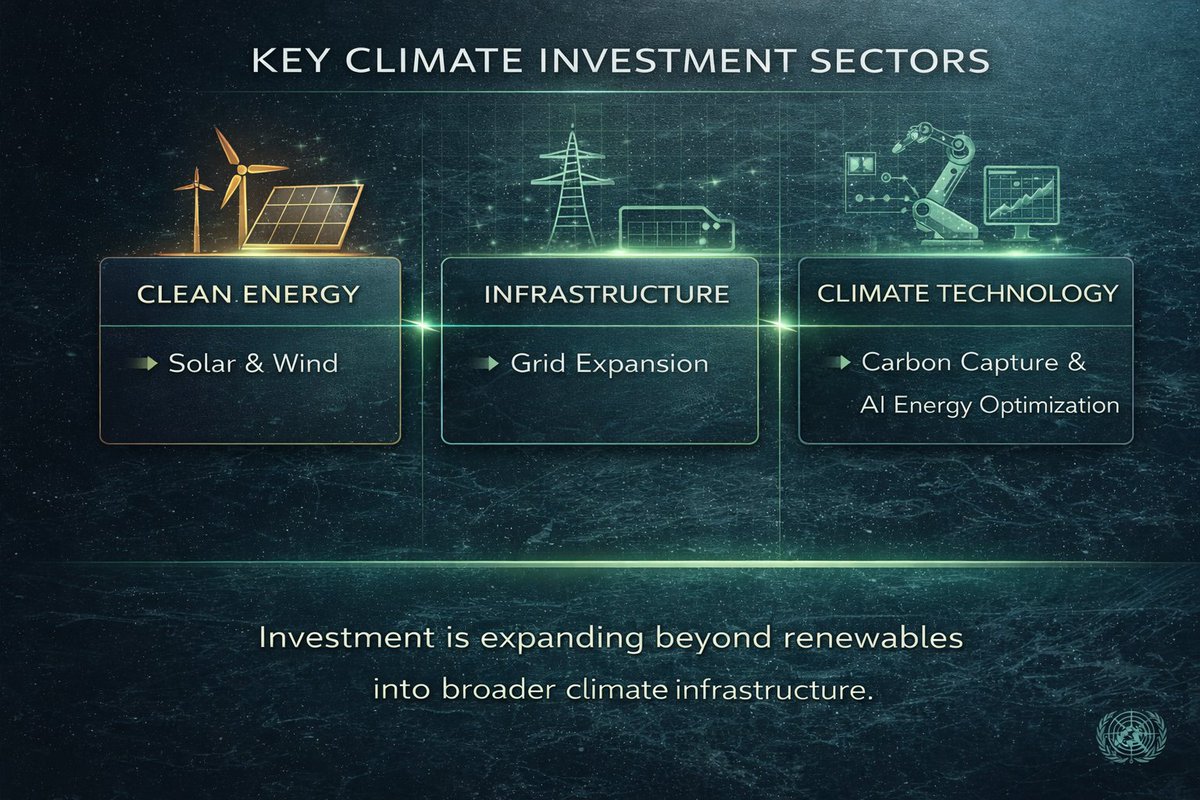
⚡ energy infrastructure
🌍 climate technology
🏗 resilient supply chains
In other words, sustainability is no longer only about intentions.
It is about durability of capital.
The Responsible Investment Forum reflects a broader transition in global finance:
From ESG signalling to ESG execution.
#ResponsibleInvestment
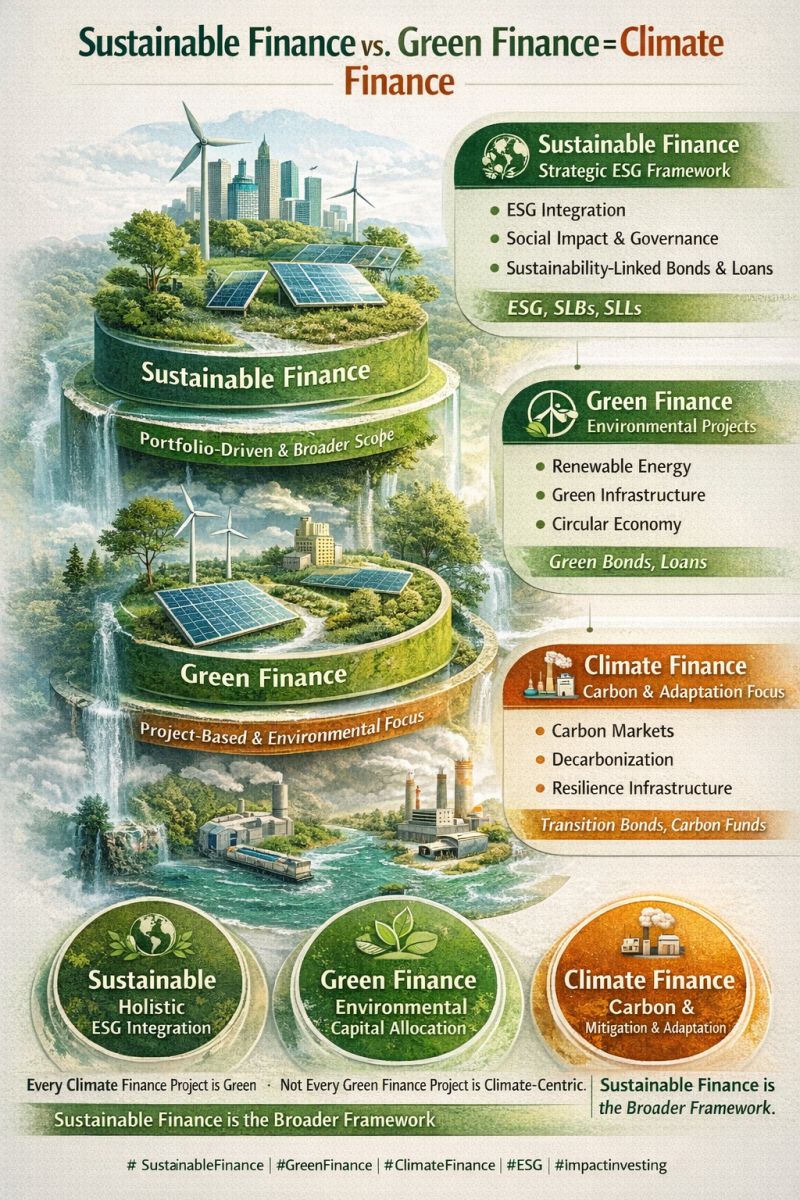
#ClimateFinance
#SustainableCapital
#EnergyTransition
#ESGInvesting
#GlobalFinance
Energy Security vs Climate Policy
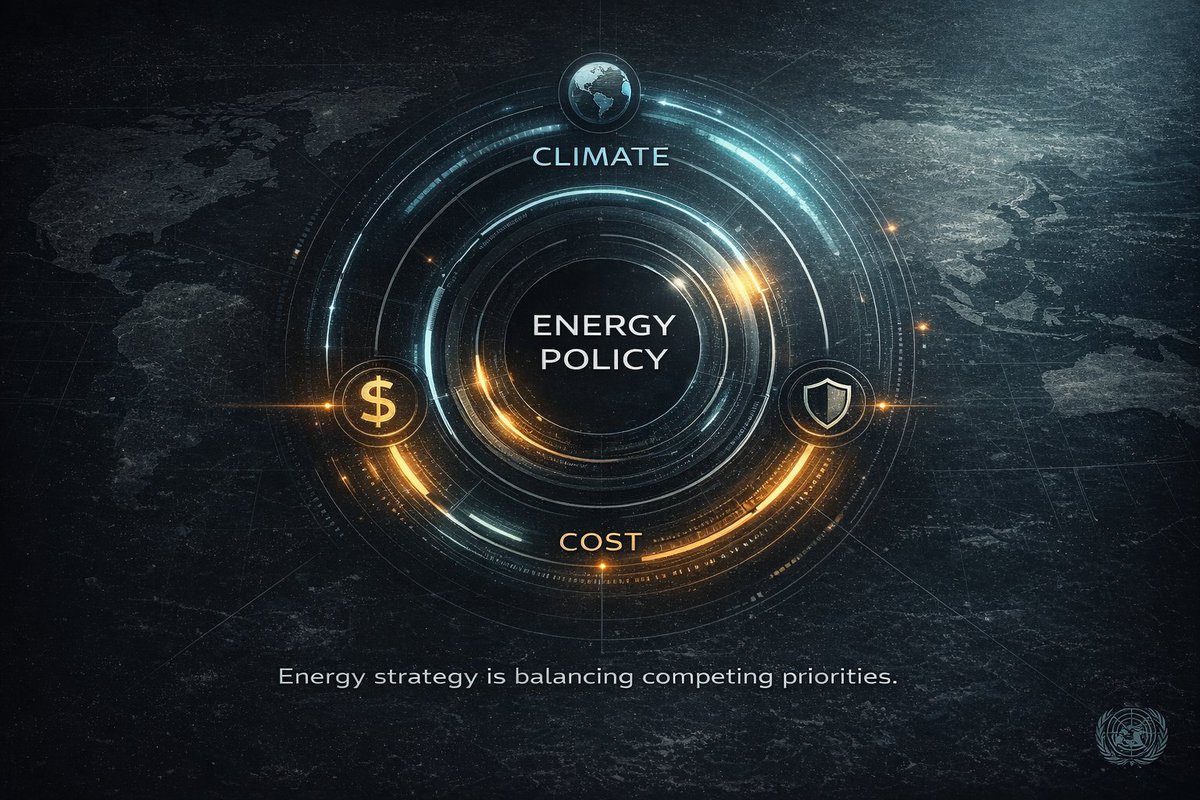
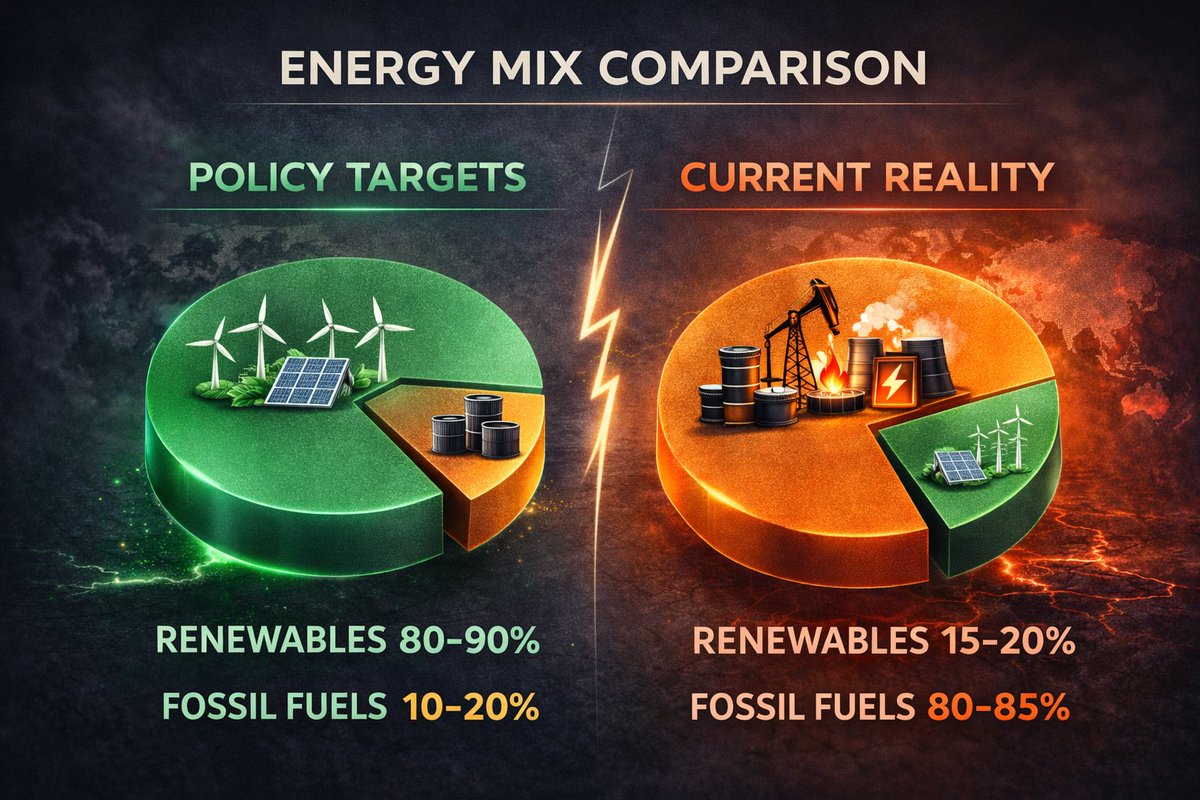
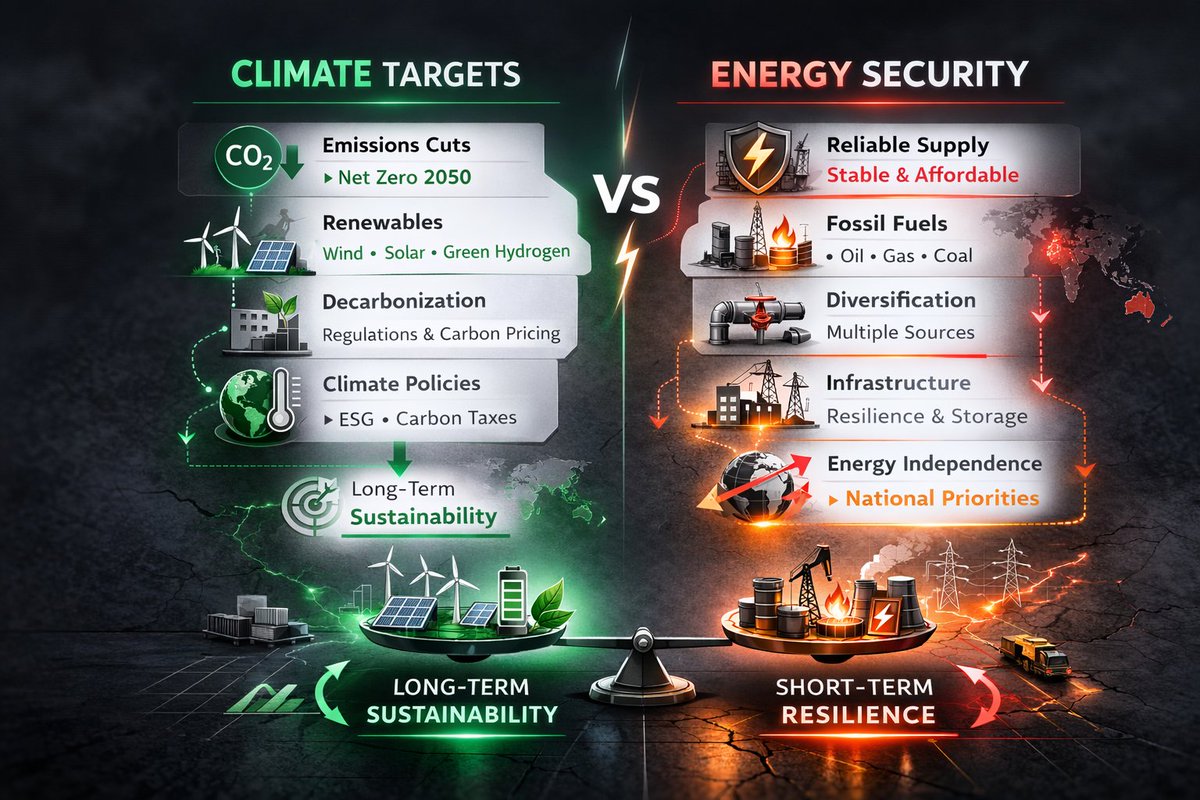
Energy systems around the world are facing a complex balancing act.
On one side are long-term climate commitments.
On the other is the urgent need for reliable and affordable energy.
Recent developments show how governments are navigating this tension.
Coal plants are being extended in some regions.
Nuclear reactors are being restarted.
Natural gas contracts are being reinforced.
At the same time, investment in renewable energy continues to expand.
This reflects a reality often overlooked in public debate.
Energy transitions are not linear.
They unfold alongside geopolitical risks, economic pressures, and security concerns.
In periods of uncertainty, energy security often becomes the immediate priority.
Understanding this balance is essential for interpreting global climate policy.
#EnergySecurity
#EnergyTransition
#ClimatePolicy
#GlobalEnergy
#EnergyMarkets
The High Seas Treaty
One of the most significant environmental governance developments in decades is the High Seas Treaty.
For the first time, the global community is establishing a framework to protect biodiversity in international waters.
Areas beyond national jurisdiction — known as the High Seas — cover nearly two-thirds of the ocean.
These waters play a crucial role in regulating climate systems, supporting marine biodiversity, and sustaining global fisheries.
The treaty aims to strengthen ocean governance through:
• Marine protected areas in international waters
• Environmental impact assessments for ocean activities
• Cooperation on marine biodiversity conservation
A central objective is the “30×30” target — protecting 30% of the ocean by 2030.
The significance goes beyond conservation.
It represents a new phase of governance for the planet’s largest shared ecosystem.
#HighSeasTreaty
#OceanGovernance
#MarineBiodiversity
#GlobalCommons
#OceanProtection
Wall Street Green Summit — Climate Finance Signals
Climate finance leaders will gather in New York for the Wall Street Green Summit.
The summit brings together institutional investors, asset managers, regulators, and sustainability experts to discuss the evolving landscape of climate finance and sustainable investment.
But the conversation today is different from a few years ago.
The focus is shifting.
Less emphasis on ambition.
More attention to capital discipline.
Investors are asking harder questions:
• Which climate technologies can scale economically?
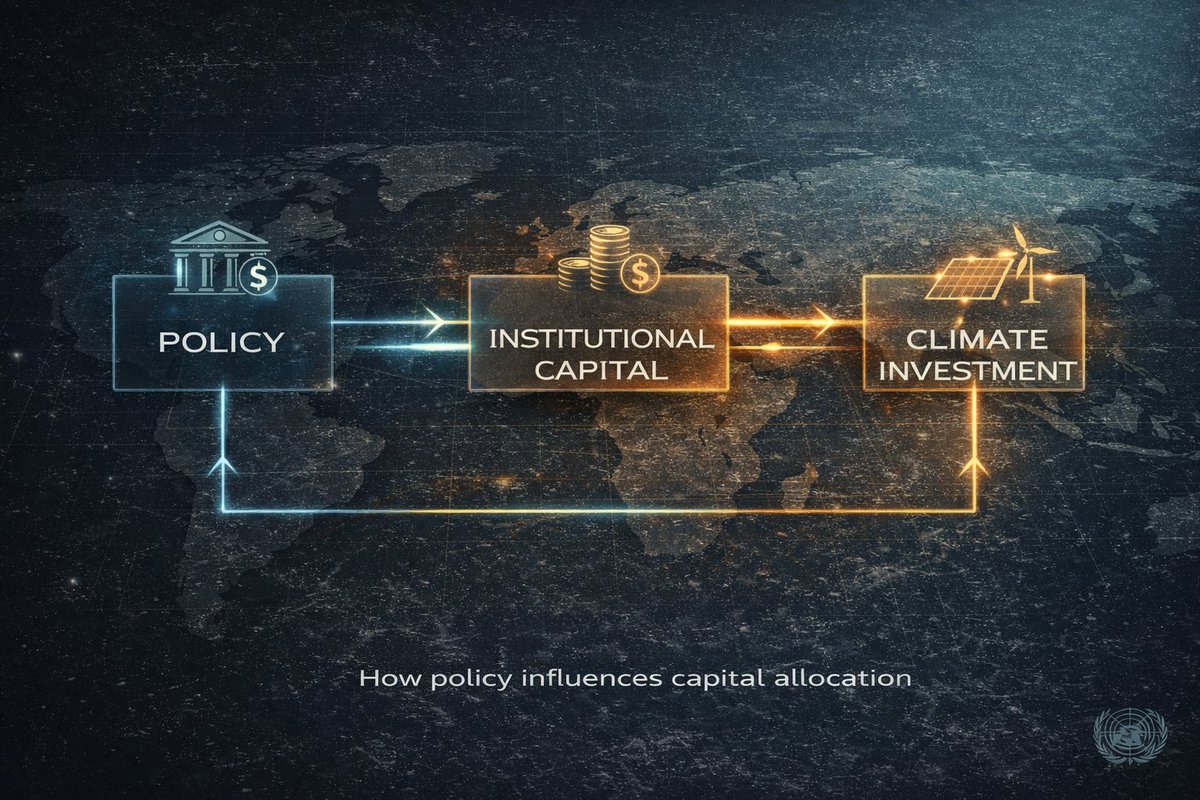
• How will policy shifts influence long-term investments?
• Where will capital flows accelerate — and where will they slow?
The next phase of sustainable finance will not be driven by narratives alone.
It will be shaped by capital allocation decisions.
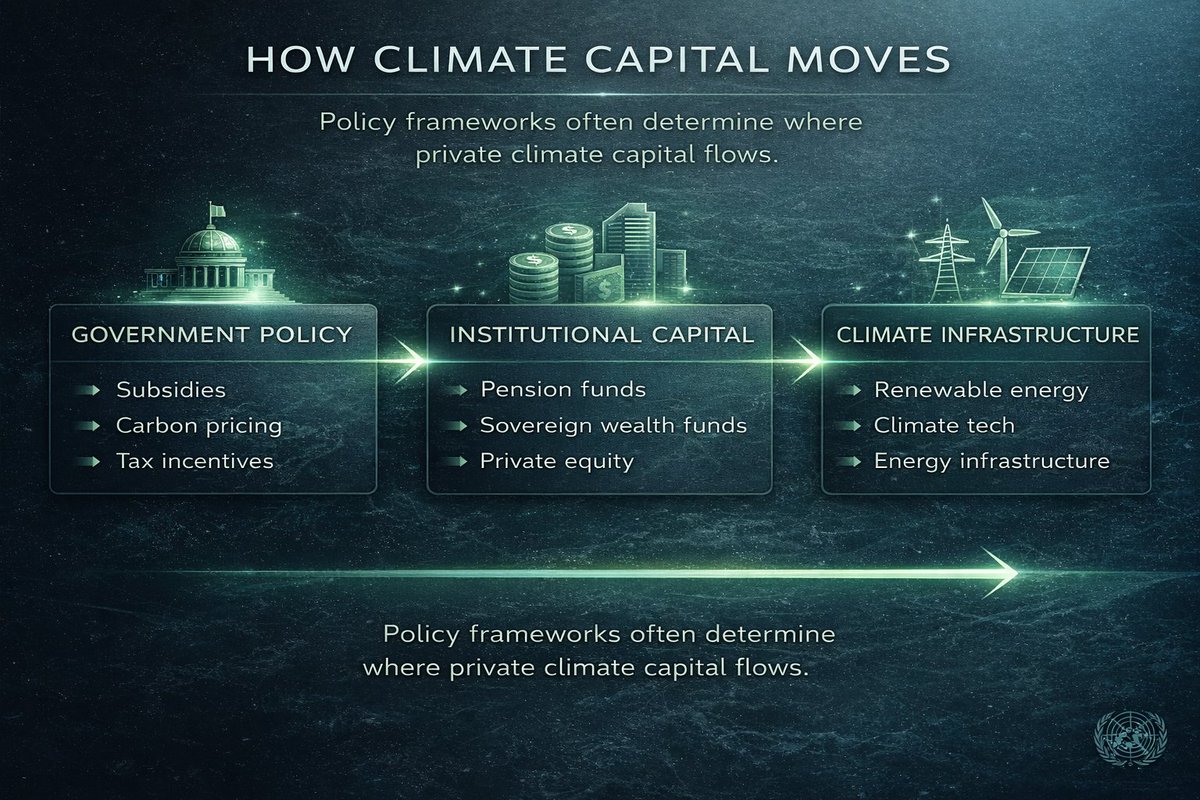
And events like the Wall Street Green Summit offer a glimpse into where global climate capital may move next.
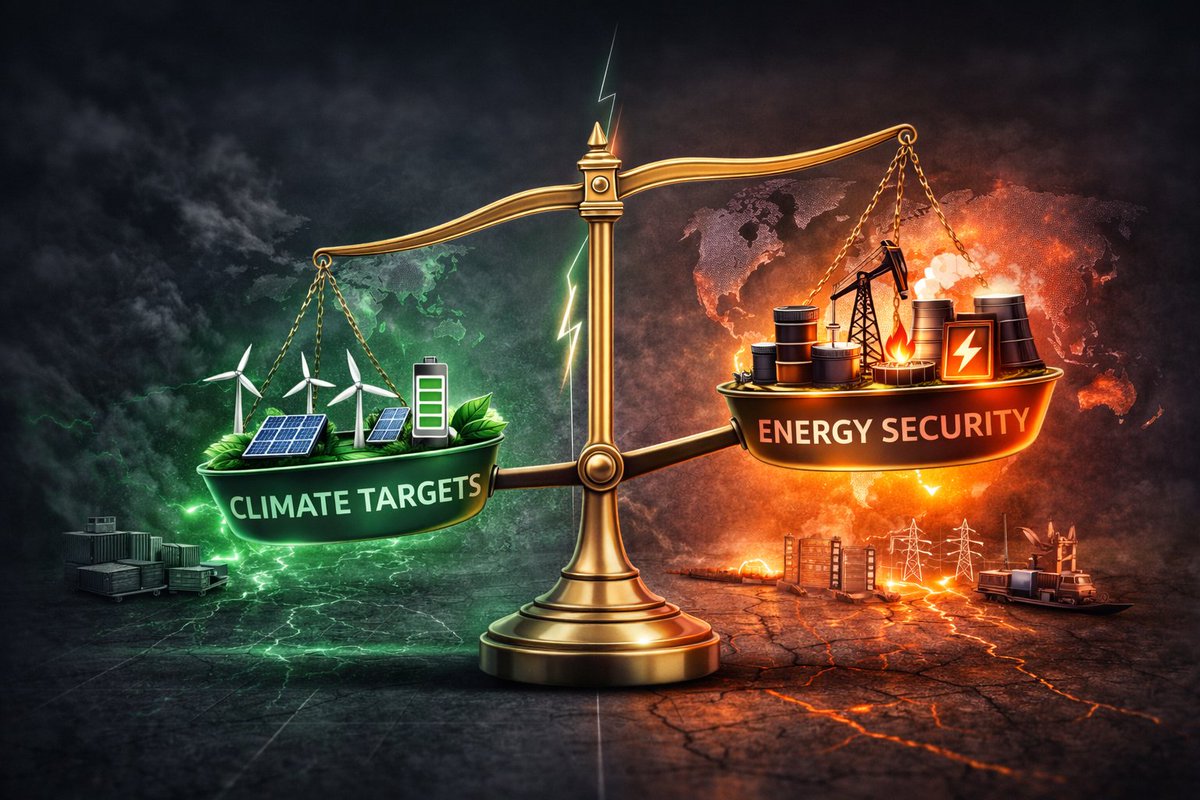
🔥 Energy Security Is Winning Over Climate Targets
In stable periods, climate ambition dominates.
In unstable periods, energy security does.
We are seeing:
Coal plant extensions.
Nuclear restarts.
Gas contract renewals.
Strategic petroleum reserve adjustments.
Governments are recalibrating priorities.
Not because climate disappeared.
But because reliability matters more under pressure.
Energy systems must function daily.
Climate targets operate on decades.
When conflict, inflation, and supply shocks rise,
security takes precedence.
This isn’t transition collapse.
It’s transition reprioritisation.
In crisis cycles,
security beats sustainability.
The long-term path remains.
But the short-term hierarchy has shifted.
#EnergySecurity
#EnergyTransition
#Geopolitics
#ClimatePolicy
#GlobalMarkets
#SystemStability
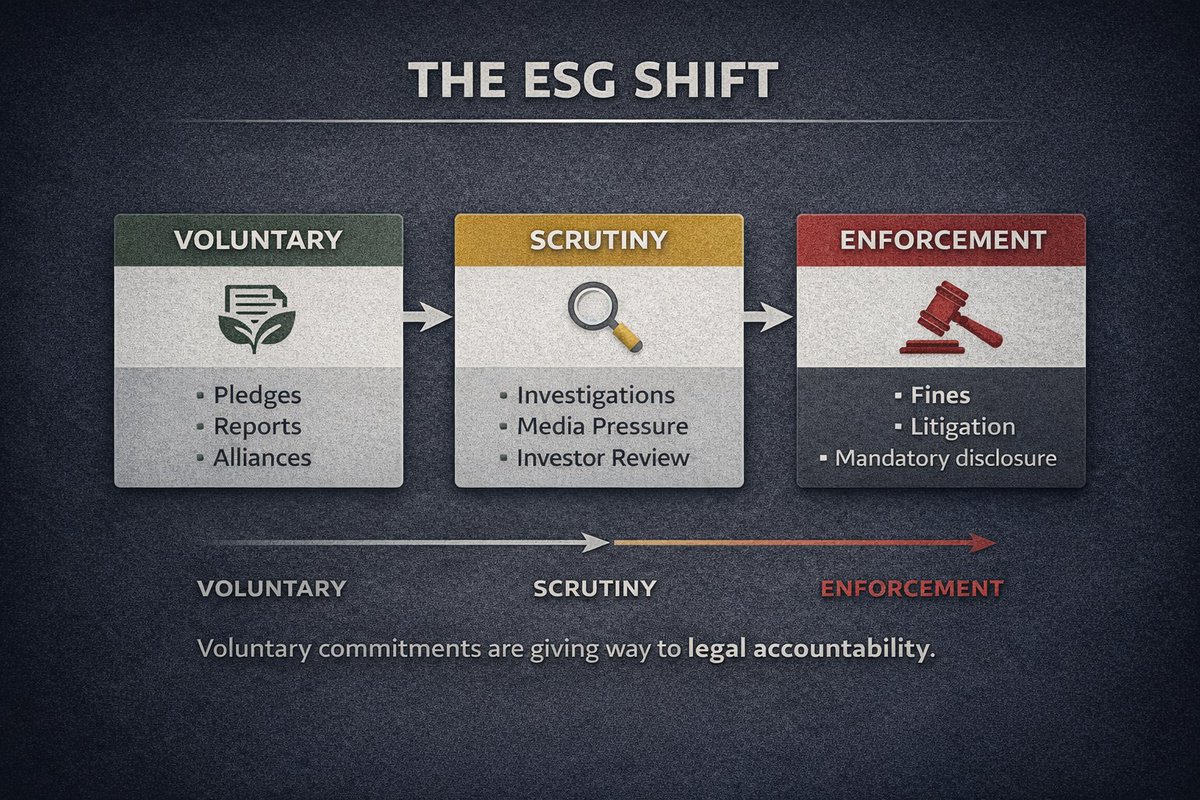
⚖️ ESG Is Moving From Marketing to Enforcement
For a decade, ESG was branding.
Sustainability reports.
Net-zero pledges.
Alliance memberships.
Impact storytelling.
That era is closing.
We are entering the enforcement phase.
Greenwashing fines are rising.
Climate litigation is expanding.
Mandatory disclosure frameworks are tightening.
Scope 3 scrutiny is increasing.
The shift is structural.
ESG is moving from narrative
to liability.
From voluntary positioning
to legal accountability.
When regulators start defining terms,
ambiguity shrinks.
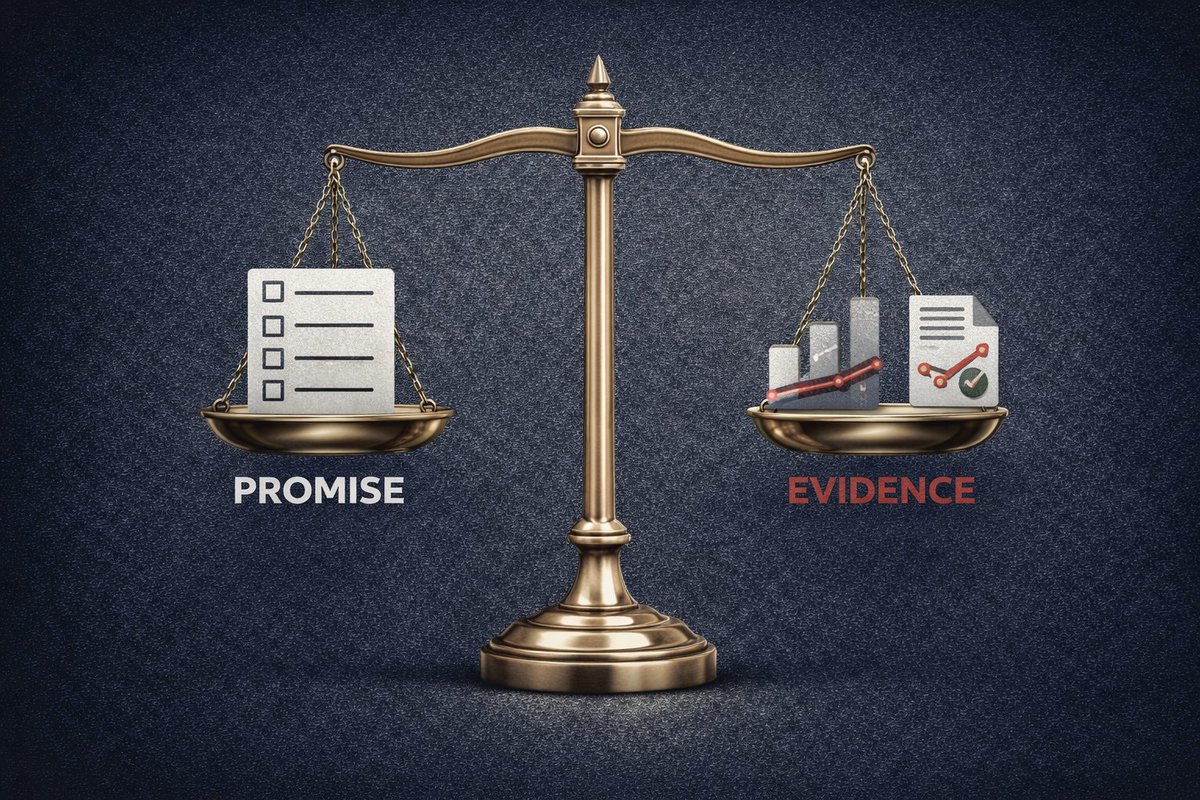
The next cycle will not reward the loudest promises.
It will test the strongest evidence.
#ESGEnforcement
#ClimateLitigation
#DisclosureRegulation
#CorporateAccountability
#Greenwashing
#CapitalRisk
🌍 Green Protectionism Has Begun
Sustainability is no longer just environmental policy.
It’s trade policy. The EU’s Carbon Border Adjustment Mechanism (CBAM).
US green industrial subsidies. Critical mineral export controls.
Local manufacturing incentives tied to emissions intensity.
This isn’t climate idealism. It’s strategic competition. Emissions intensity is becoming a tariff variable. Carbon disclosures are influencing market access. Supply chains are being rearranged around regulatory alignment.
“Green” is now part of industrial strategy. When sustainability enters customs checkpoints, it stops being CSR.
It becomes leverage. The question is no longer who emits more. It’s who controls the rules.
#GreenProtectionism#CBAM#TradePolicy#IndustrialStrategy#Geopolitics#CapitalFlows
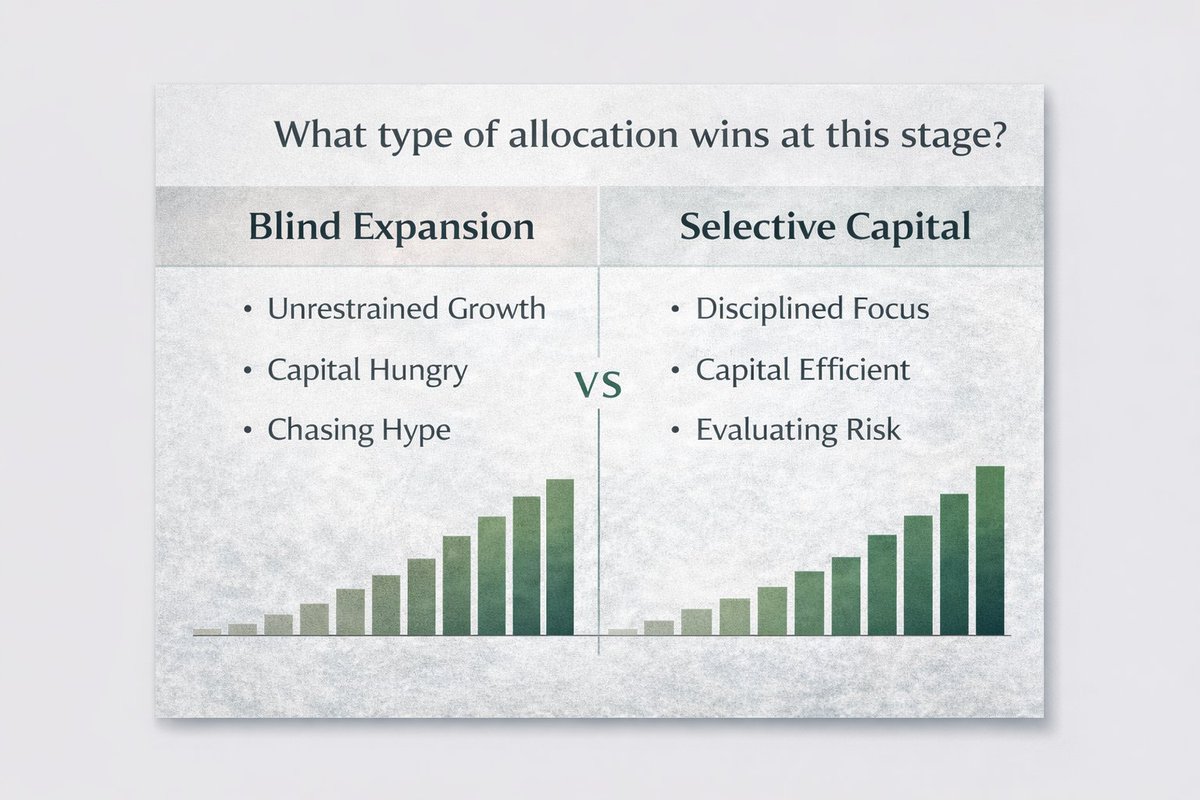
💰 Selective Capital Is Outperforming Blind Expansion
English
For decades, scale was rewarded.
Expansion signalled strength.
In volatile systems, that equation shifts.
Selective capital allocation is emerging as a stability strategy.
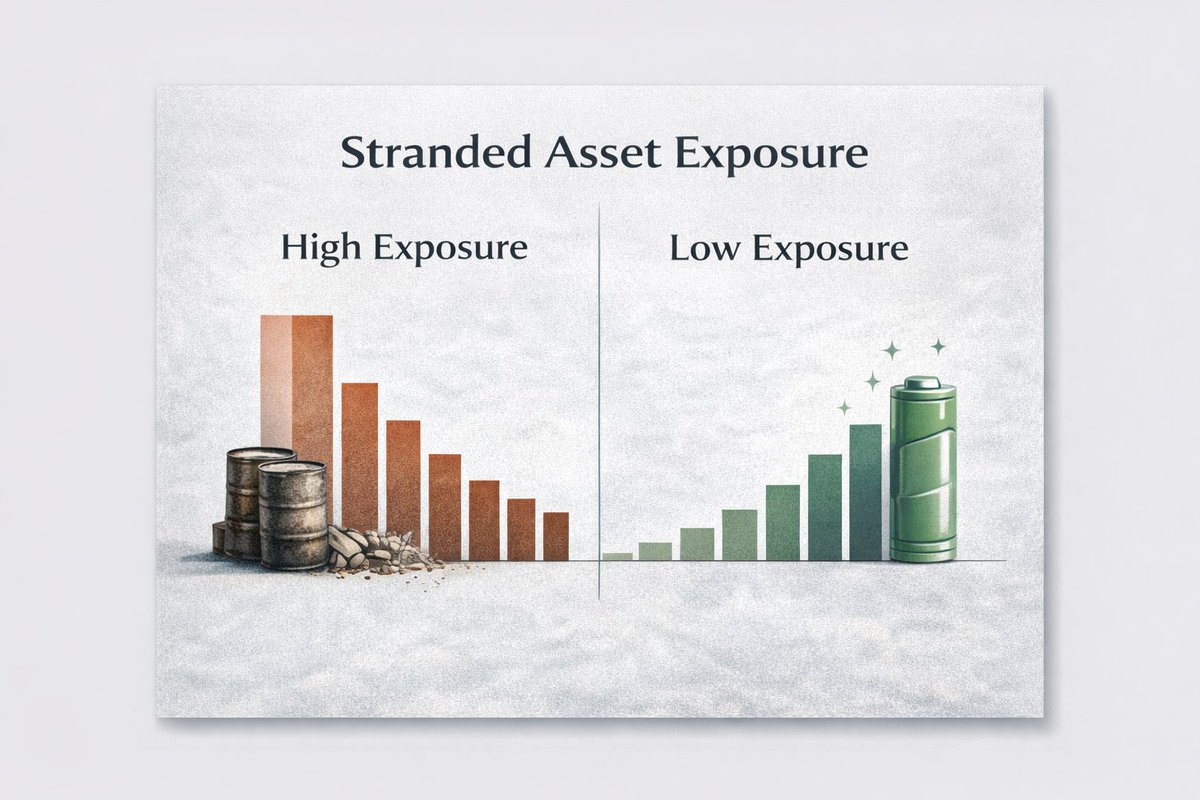
Triodos Bank has long refused to finance fossil fuels and opaque sectors.
That choice meant a smaller balance sheet.
It also meant lower stranded-asset exposure.
Selective capital is not simply moral positioning.
It is risk calibration.
In unstable environments, clarity compounds.
Capital without boundaries expands quickly.
Capital with boundaries survives longer.
The next advantage may not come from scale.
It may come from discipline.
#SustainableFinance #CapitalStrategy #LongTermValue #ResponsibleInvesting #FinancialResilience
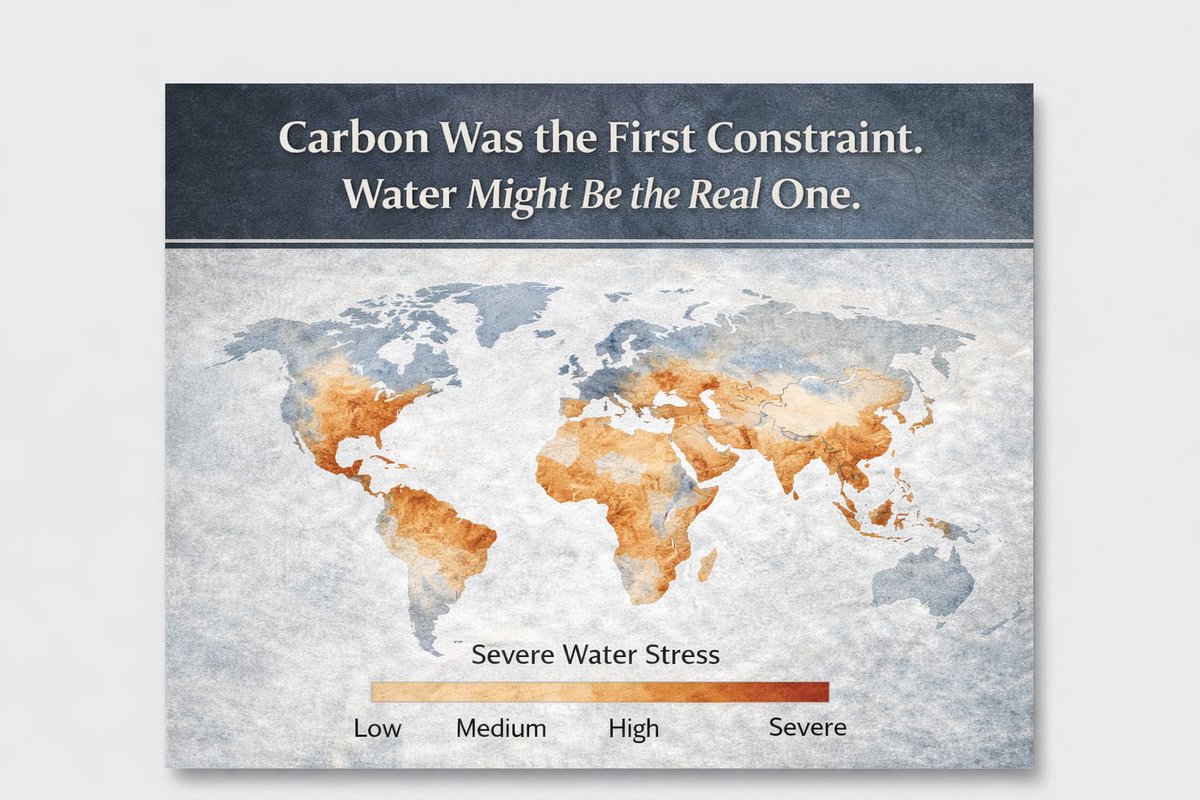
💧 Carbon Was the First Constraint. Water Might Be the Real One.
For more than a decade, carbon dominated sustainability discussions.
Policy. Offsets. Net-zero pathways.
But operational risk does not stop at emissions.
Water scarcity is beginning to halt production.
Factories in water-stressed regions are reducing output. Agriculture is shifting geography. Semiconductor facilities are competing for supply.
Carbon is global and priced.
Water is local and physical.
You can model emissions.
You cannot manufacture without water.
As climate volatility increases, the next binding constraint on growth may not be policy-driven.
It may be resource-driven.
Carbon was the first signal.
Water may be the real limit.
#WaterRisk #ClimateReality #ResourceConstraint #SustainableGrowth #PhysicalRisk
🏦 The Quiet Retreat of Big Finance From Climate
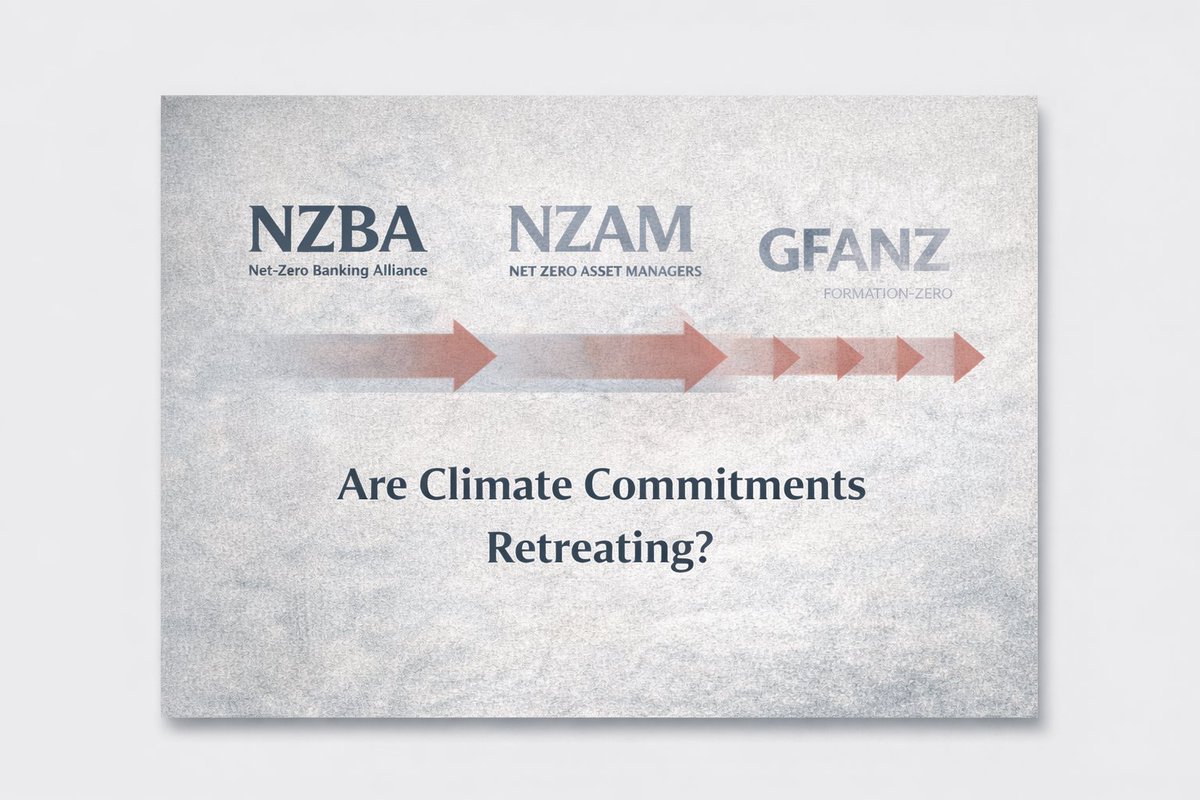
A year ago, climate alliances were expanding.
Global banks and asset managers were competing to announce net-zero commitments. Collective pledges signalled coordination.
Now, something quieter is happening.
Some major institutions are:
• Leaving climate alliances
• Softening public language
• Reducing forward commitments
The capital hasn’t disappeared.
But the certainty has.
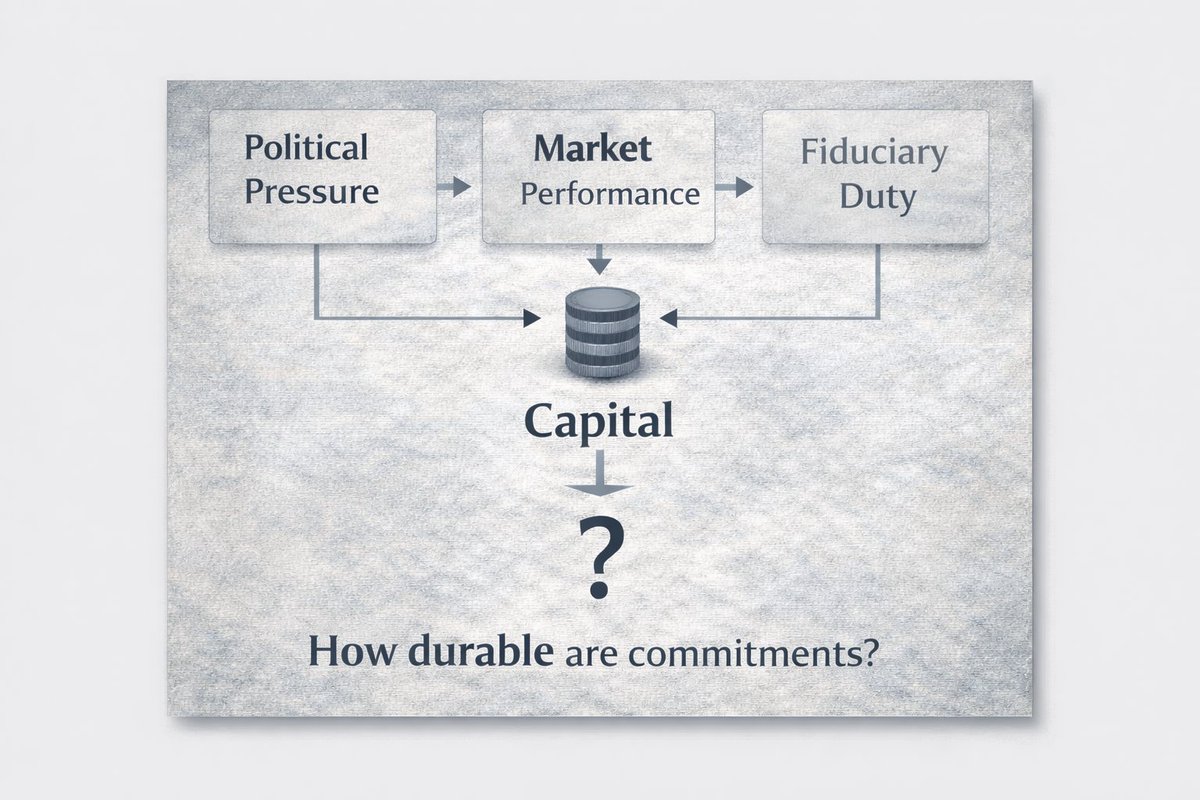
When large financial institutions retreat from collective frameworks, it doesn’t always mean reversal. Sometimes it signals internal tension — between political pressure, market performance, and fiduciary duty.
Climate strategy is entering a more contested phase.
The key question is no longer:
“Are institutions committed?”
It is:
“How durable are those commitments when conditions change?”
Durability, not visibility, will define the next chapter.
#ClimateFinance #SustainableInvesting #InstitutionalCapital #NetZero #ESGShift
Supply Chains Are Being Redrawn 🌍🔗
🌍 Supply chains are no longer optimised only for cost. They are being redesigned for:
• Transparency
• Resilience
• Accountability
Environmental impact, labour standards, and geopolitical exposure are now reviewed together.
The question has shifted from“Who is cheapest?” to“Who is defensible long-term?”
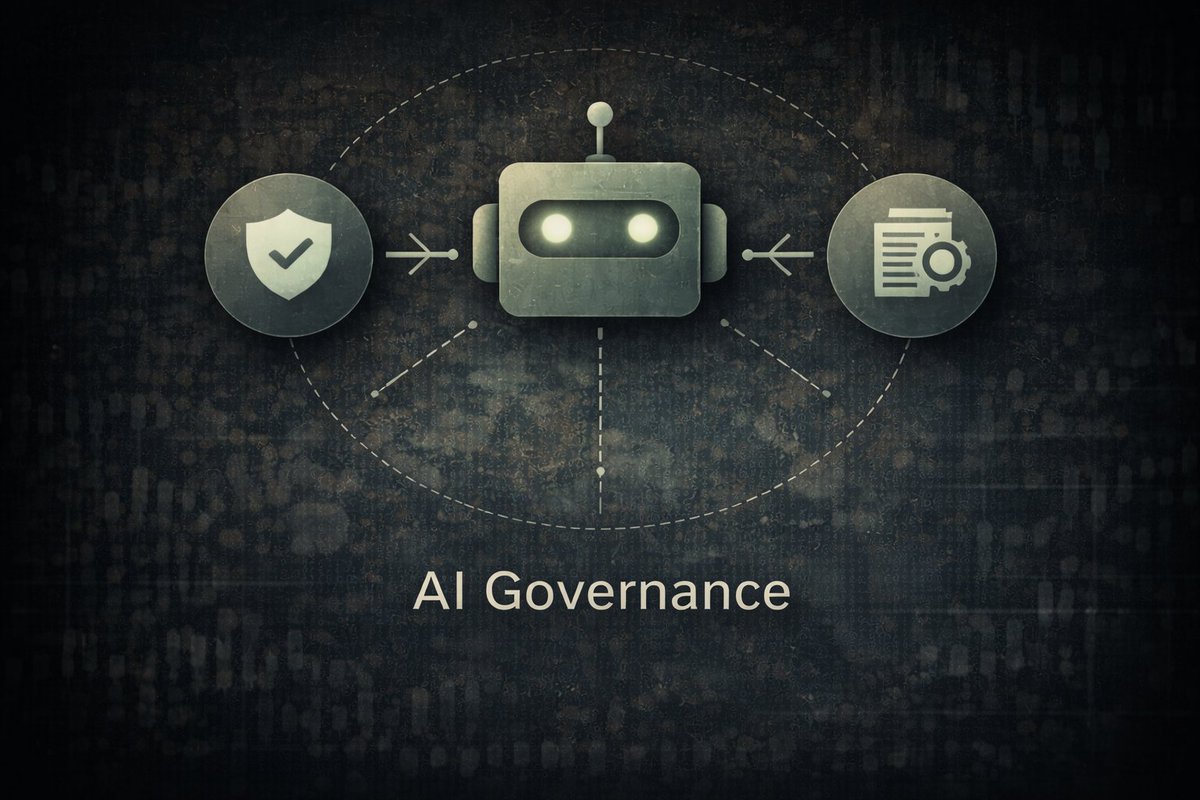
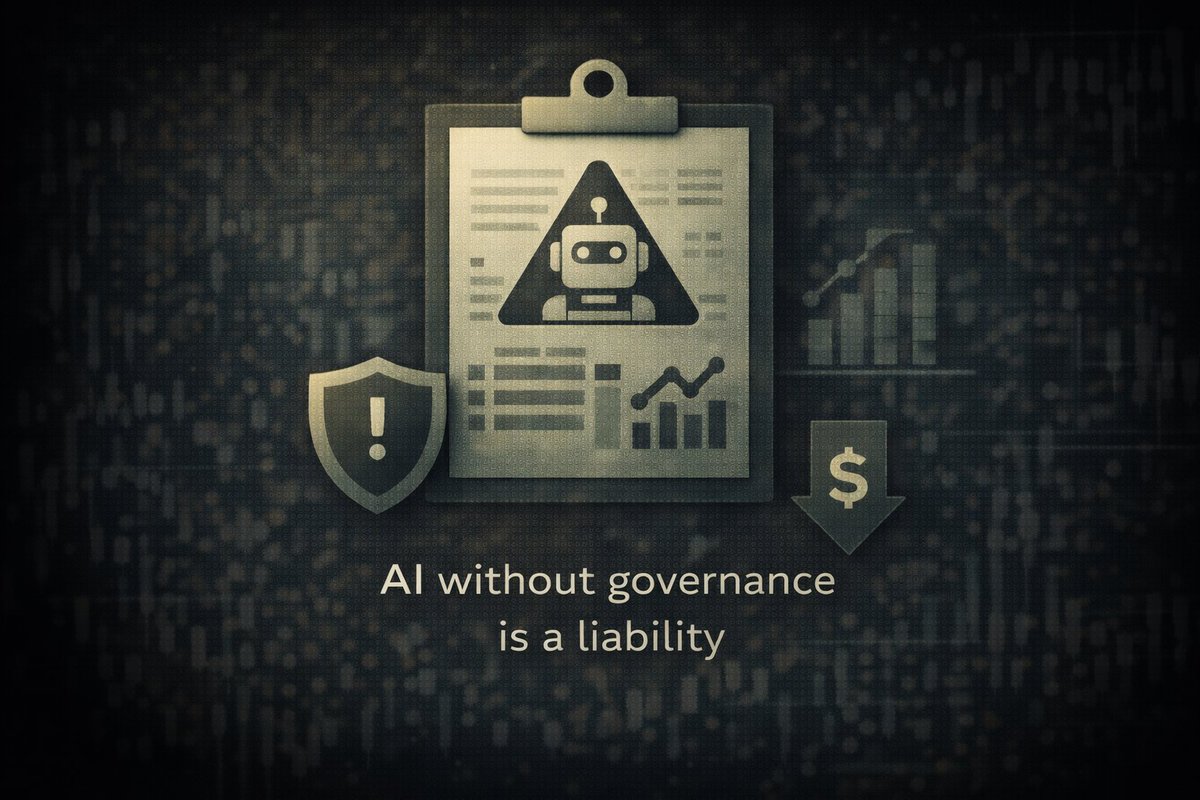
AI Is Becoming a Governance Issue 🤖⚖️
🤖 Artificial intelligence is no longer just a technology decision.
It is becoming a governance question.
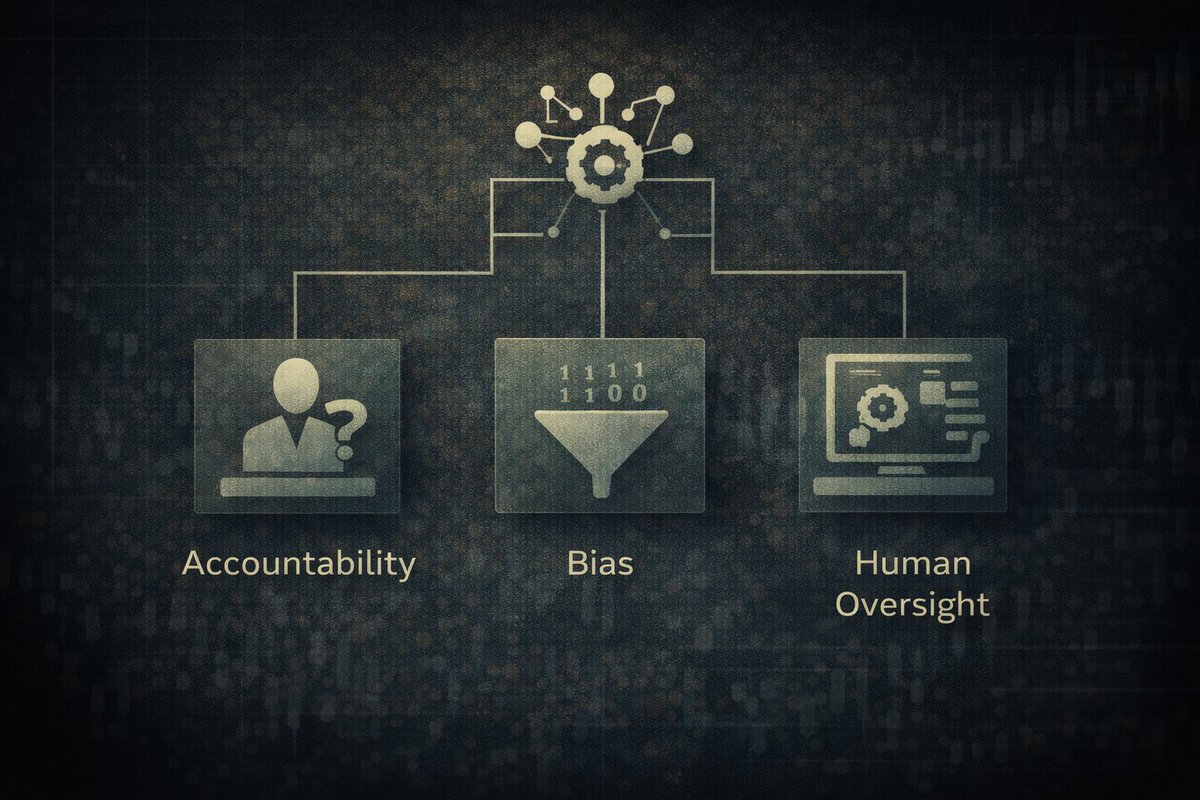
Who is accountable for AI decisions?
How bias is monitored?
Where human oversight ends?
Boards are being forced to treat AI the same way they treat risk, audit, and compliance. AI strategy without governance is quickly becoming a liability.
#AIGovernance #TechRisk #CorporateGovernance #ESGTrends
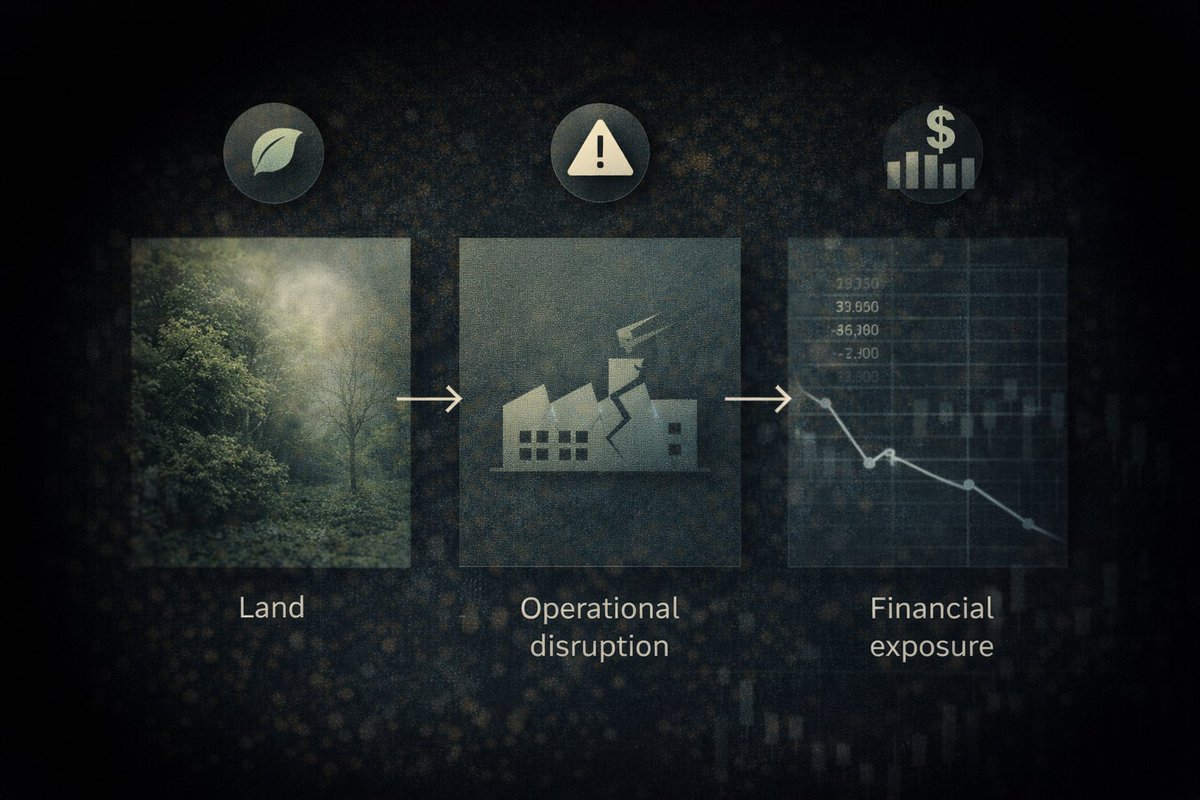
🐝 Biodiversity loss is no longer treated as an environmental issue alone.
It is becoming a financial exposure.
Deforestation affects supply chains.
Pollinator loss impacts agriculture.
Water ecosystem damage disrupts production.
This is why companies are starting to map nature dependency, not just emissions.
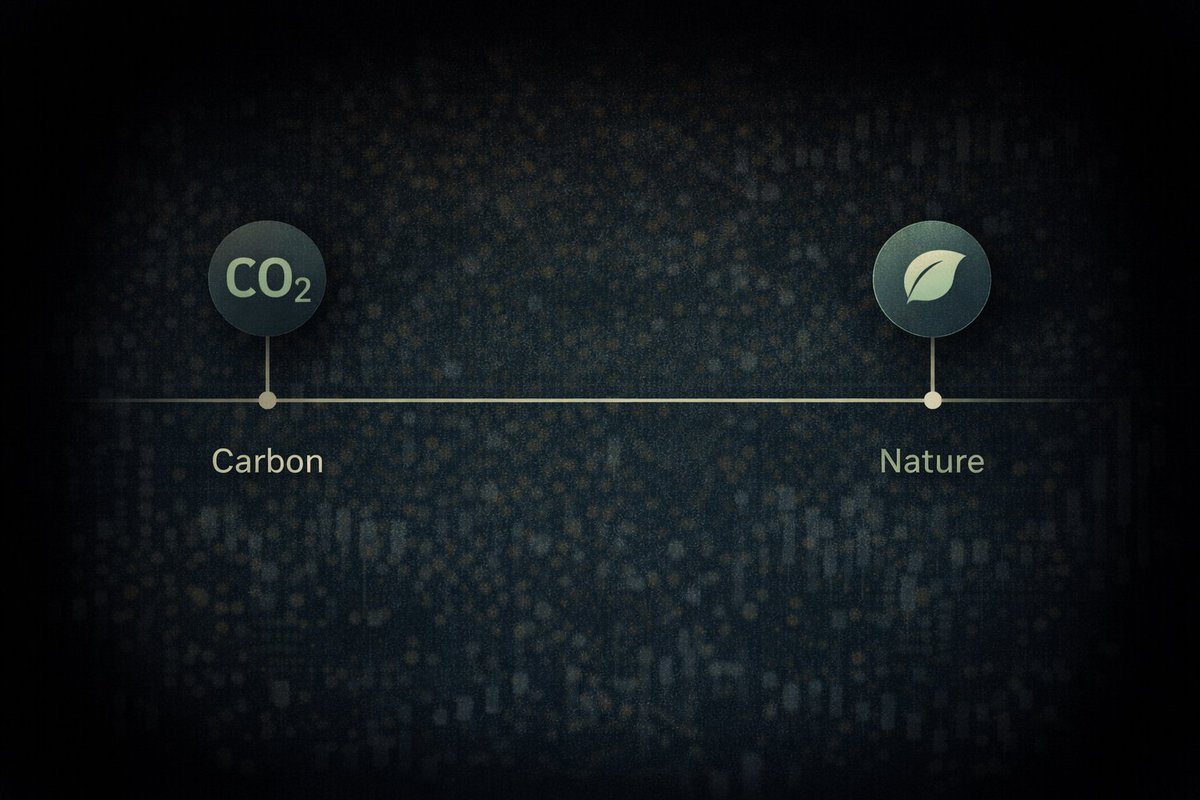
Carbon was the first signal.
🌿 Nature is the next one.
#Biodiversity #NatureRisk #TNFD #GlobalESG
When Responsibility Changes Business Decisions
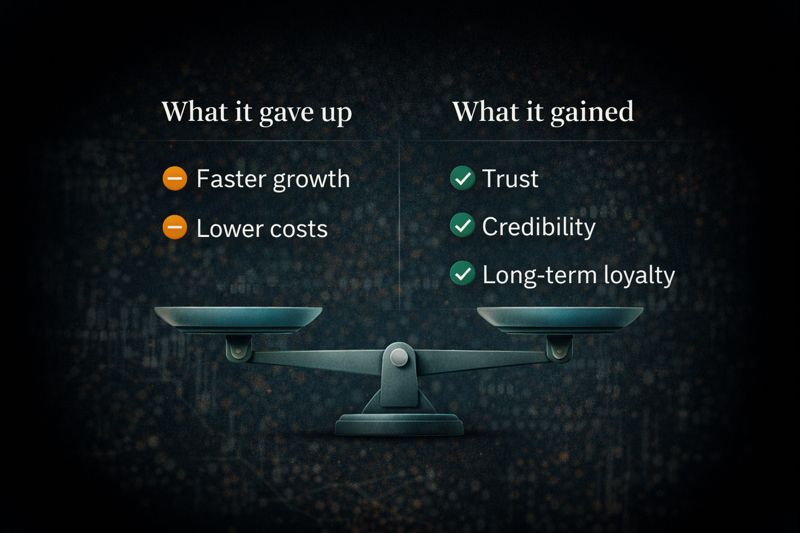
🌍 Corporate responsibility becomes real when it changes decisions, not messaging.
A widely recognised example is Patagonia.
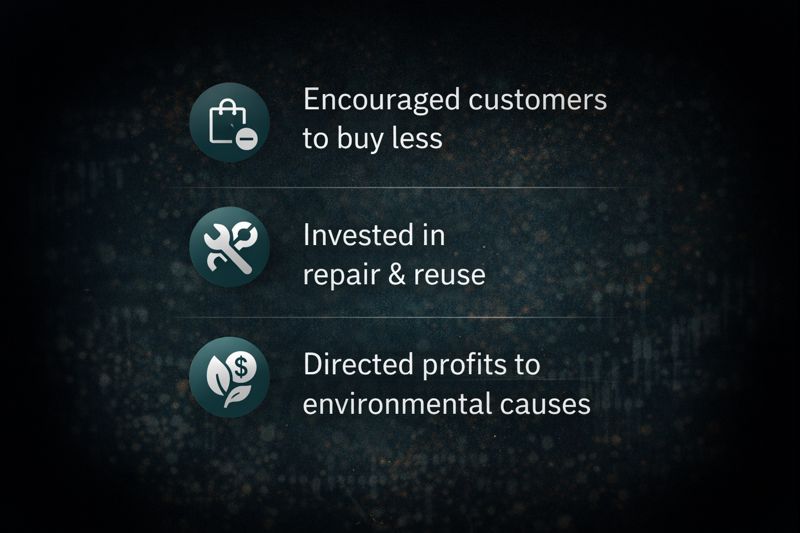
👕 Encouraging customers to buy less
🔧 Investing in repair and reuse over volume growth
🌱 Redirecting profits toward environmental protection
These choices came with trade-offs:
• Slower growth
• Higher costs
• Clearer values
What this shows:
• 🧭 Responsibility can override short-term optimisation
• 🌱 Environmental impact can shape core strategy
• 🤝 Trust is built through consistency, not scale
Corporate social responsibility isn’t about perfection.
It’s about what companies are willing to give up.
✨ Credibility comes from the costs a company accepts.
Volatility Is Being Normalised
📉 Markets are no longer reacting to shocks as anomalies.
They are pricing them in.
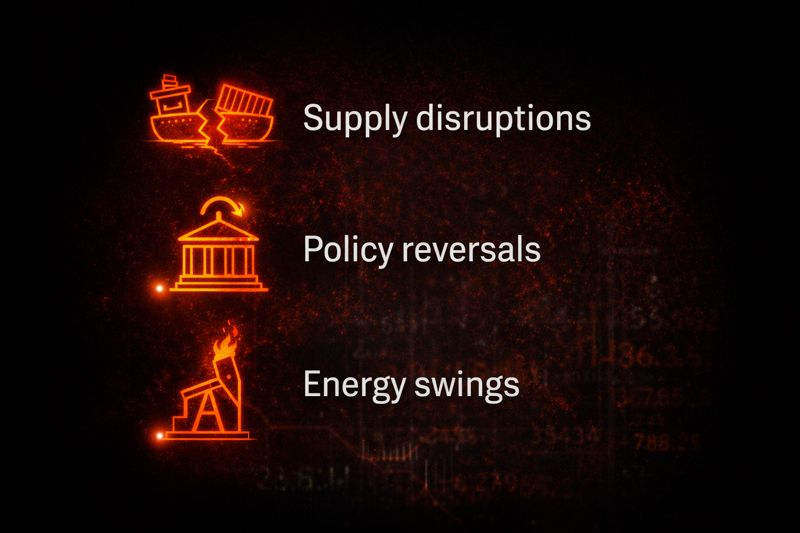
⚡ Supply disruptions
🏛️ Policy reversals
🔌 Energy swings
What once triggered sharp repricing is increasingly treated as background noise.
This doesn’t mean risk has declined.
It means expectations have changed.
What’s quietly shifting:
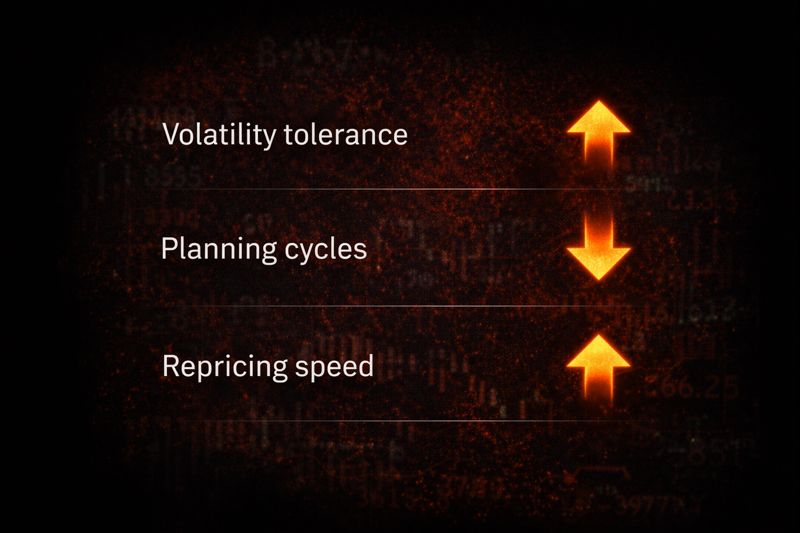
• 📊 Higher tolerance for volatility
• ⏱️ Shorter planning cycles
• 🔄 Faster repricing of uncertainty
Stability is no longer assumed.
It is negotiated daily.
👉 Volatility has become part of the baseline.
When Risk Stops Being Rare
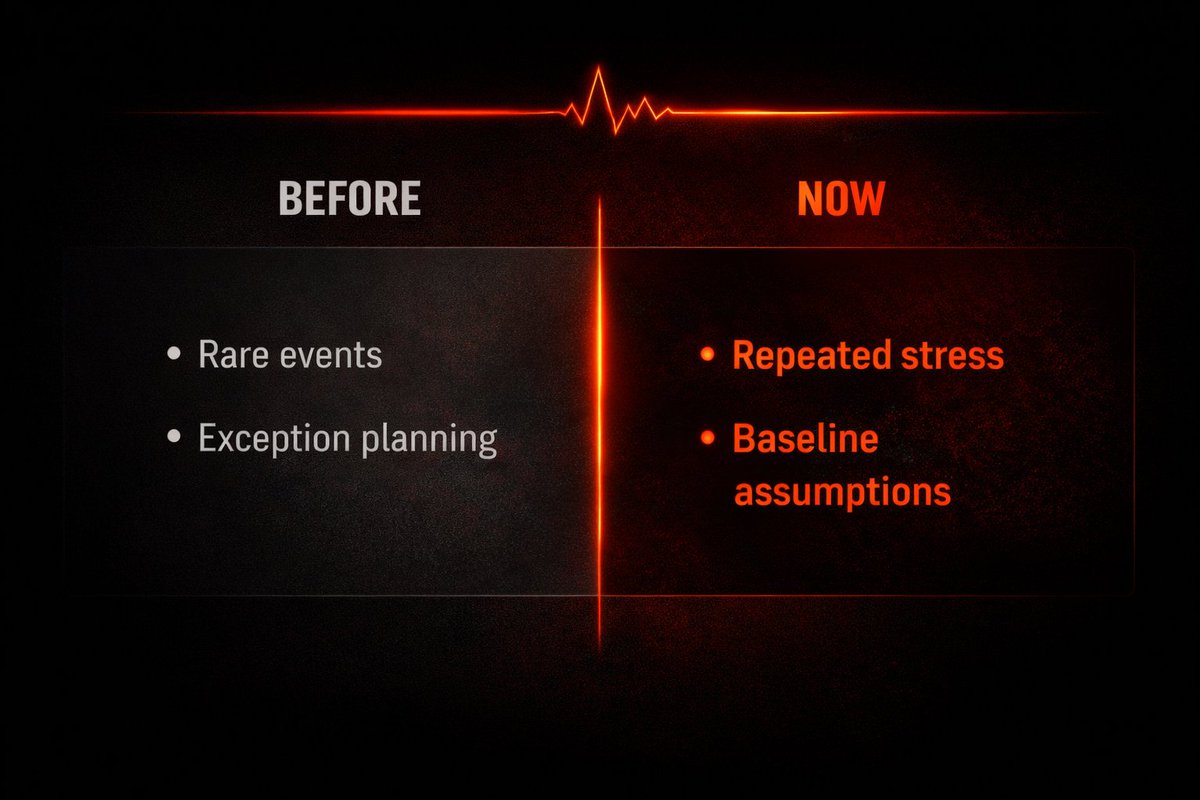
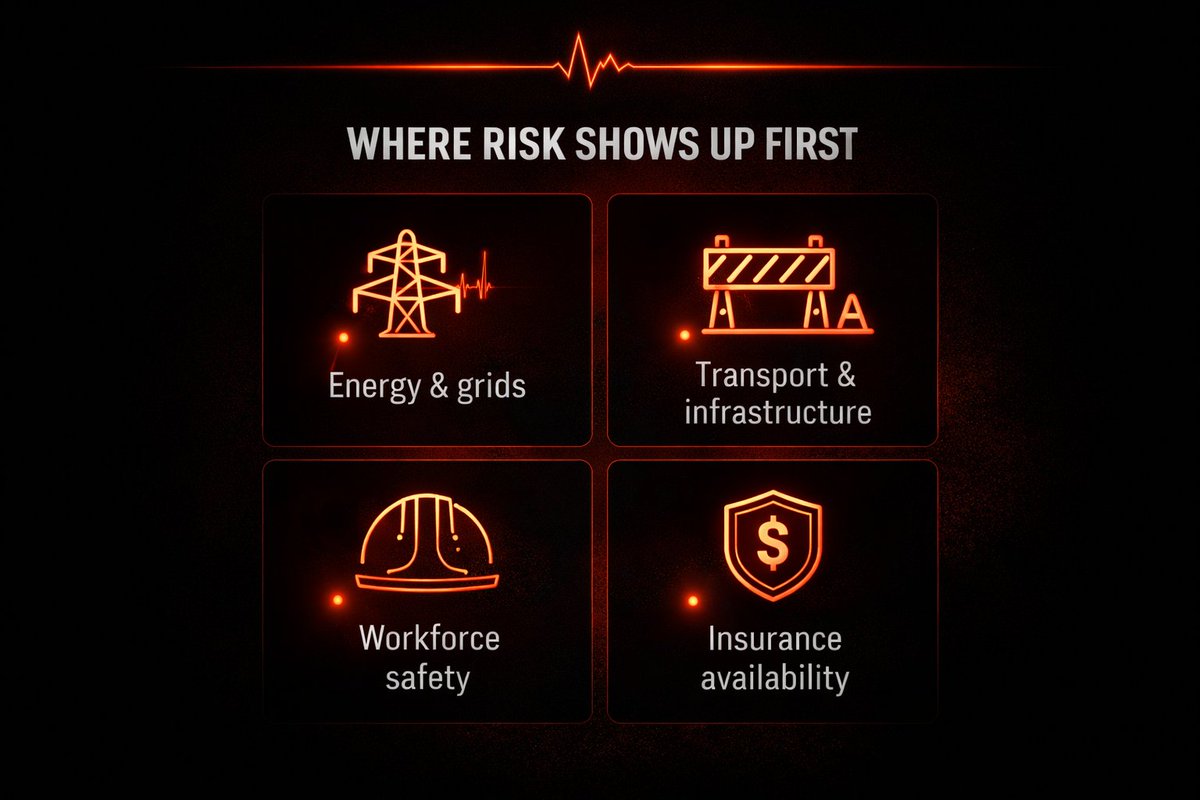
⚠️ Extreme environmental events are no longer rare disruptions.
They are becoming baseline conditions.
Heatwaves, floods, grid strain, and insurance pullbacks are no longer treated as exceptions — they are shaping decisions across infrastructure, labour, and capital.
This matters because most systems were built for stability, not repeated stress.
When disruption becomes frequent:
• 🔌 Infrastructure planning changes
• 👷 Workforce safety becomes operational
• 🏦 Insurance availability becomes a risk signal
Environmental risk is no longer something to acknowledge.
It is something to design around.
🧭 Risk has moved from the margins into planning. design around.