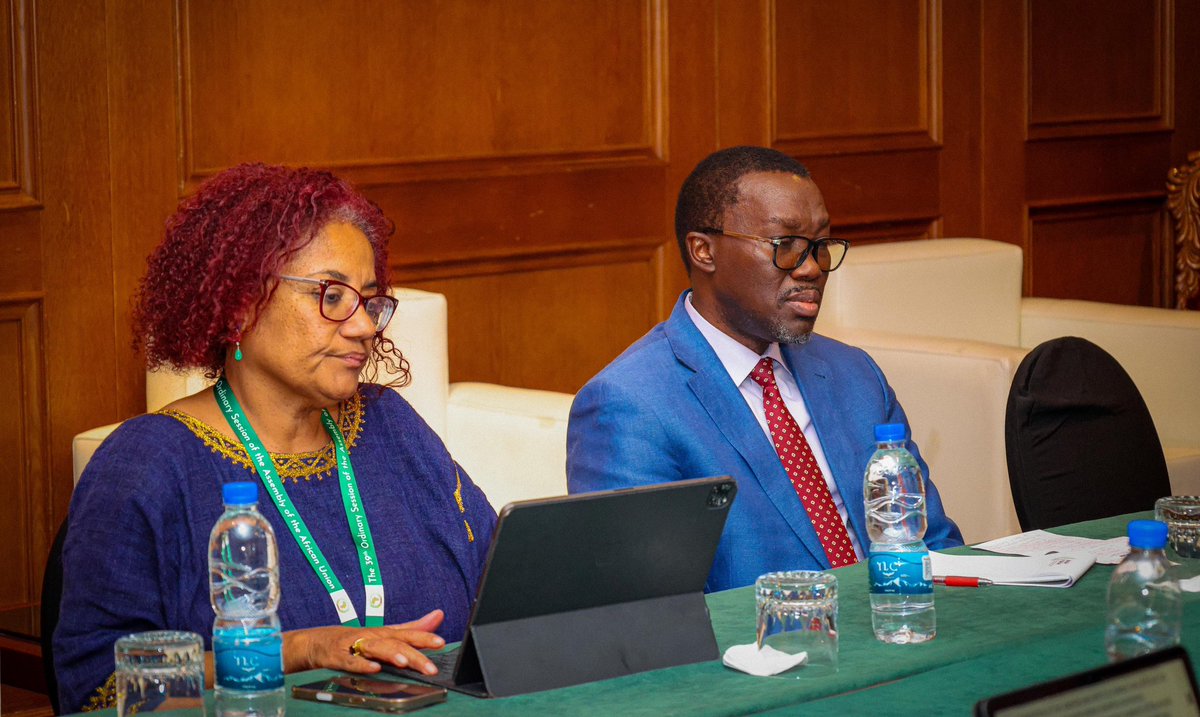
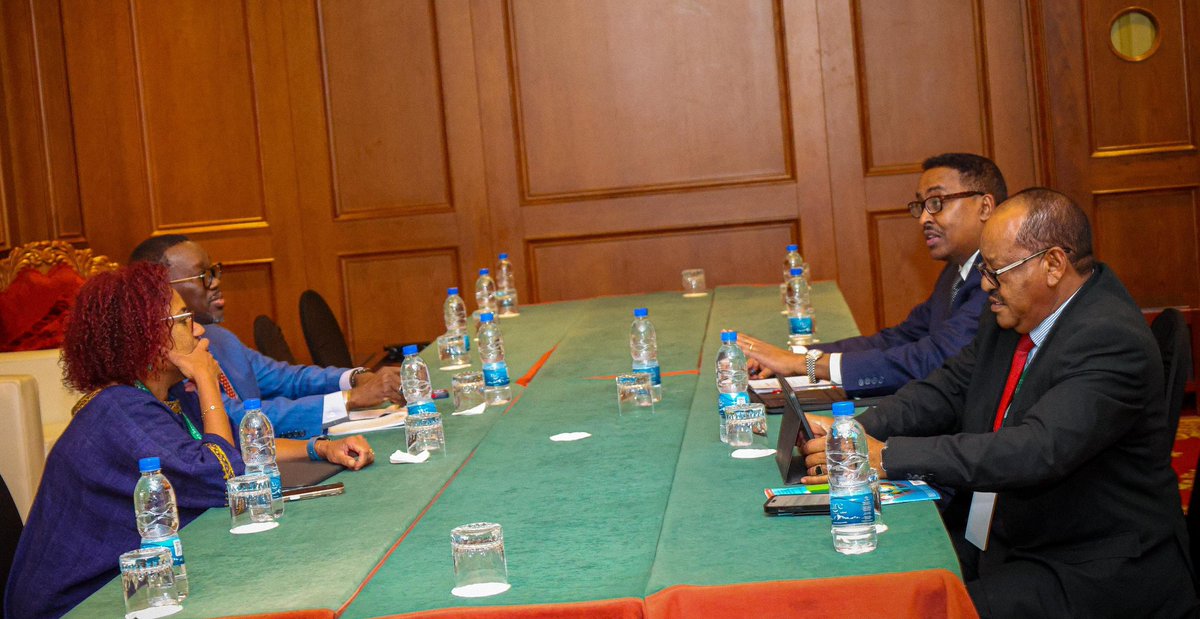
High-ranking officials from Djibouti, Ethiopia, Kenya, Somalia, and South Sudan are meeting in Nairobi on 14 August to validate the second edition of the HoAI Regional Trade Facilitation Roadmap. Developed through national consultations with public institutions and private-sector stakeholders, the roadmap takes a bottom-up approach, identifying practical challenges at national level and building regional solutions around them. It focuses on improving cross-border trade, transport connectivity, customs and regulatory processes, and economic cooperation across the Horn of Africa.
Read more: https://t.co/BTEvp8CP3N
@MoF_Somalia@MoFP_SSD@MoF_Ethiopia@KeTreasury@mefidjibouti@worldbankgroup@AfDB_Group@EU_Commission@BMZ_Bund@FCDOGovUK@badeabank
CNN’s Connecting Africa highlights #Ethiopia’s efforts to strengthen regional connectivity through investments in infrastructure, trade, and logistics, underscoring the country’s evolving role in advancing economic integration and connectivity across Africa.
#ConnectingAfrica #Ethiopia #RegionalIntegration #Trade #Infrastructure #Africa
https://t.co/HYit4lQIyM
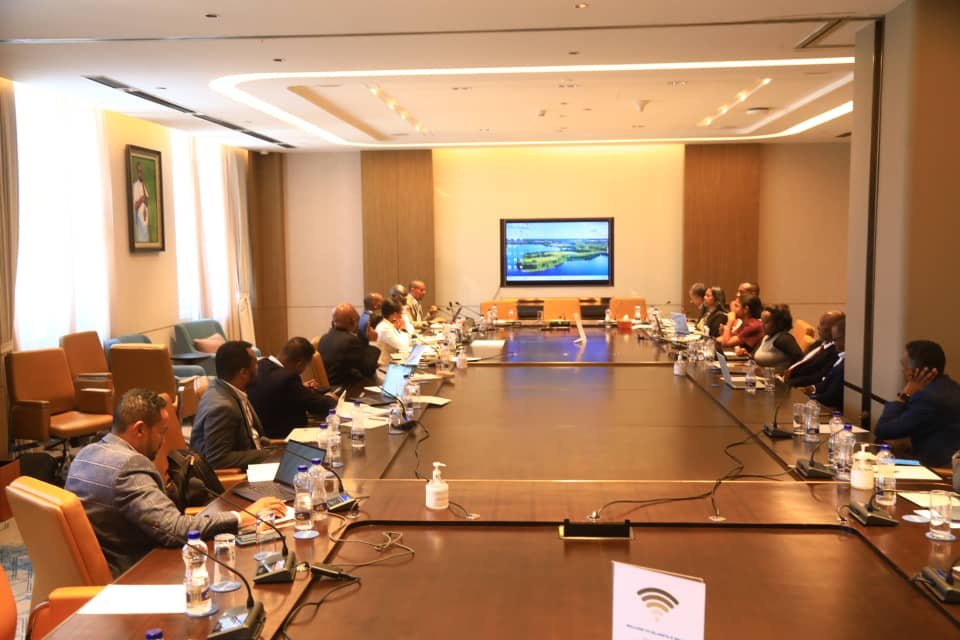
Today, 3 June 2026, the HoAI National Advisers met with trade experts supporting the identification of trade facilitation measures aimed at advancing regional integration across the Horn of Africa. The meeting was chaired by Germany and served to plan the launch of a series of in-country missions scheduled for June–July 2026 in all HoAI participating countries.
The primary objective of these missions is to gather stakeholder input and identify priority trade facilitation interventions that can strengthen regional economic integration. The findings will be used to update the HoAI Trade Facilitation Roadmap and develop a package of short-term trade facilitation measures for implementation at the regional level.
Both the revised Roadmap and the proposed short-term measures are expected to be presented to Horn of Africa Trade Ministers for endorsement at a ministerial meeting planned for early September 2026.
@MoF_Somalia@MoF_Ethiopia@KeTreasury@mefidjibouti@worldbankgroup@AfDB_Group@EU_Commission@BMZ_Bund@FCDOGovUK
Le Chef de l’Etat, Son Excellence Ismail Omar Guelleh,a reçu hier mercredi, en fin de matinée, au Palais de la République, Dr Brook Taye, le Président Directeur Général (PDG) de l’Ethiopian Investment Holdings, l’Agence en charge en Ethiopie de la promotion des Investissements.
🌱 Building Resilient Food Systems for People
Food security is ultimately about people: families accessing nutritious food, farmers sustaining their production, and pastoralist communities protecting their livelihoods in the face of drought and climate shocks.
Through regional cooperation, climate smart agriculture, early warning systems and sustainable natural resource management, IGAD is supporting Member States to strengthen food systems and build community resilience.
Together, we are advancing a more food secure, resilient and sustainable future for the IGAD region.
#RisingWithIGAD
#OneRegionOneFuture
Driving Transboundary Biodiversity Conservation in the Boma–Gambella Landscape 🌿
IGAD today launched the 1st Project Steering Committee Meeting for the Boma–Gambella Project in Juba, South Sudan, advancing regional cooperation on biodiversity conservation.
Bringing together Ethiopia and South Sudan, the project is strengthening transboundary dialogue and addressing coordination gaps across the shared ecosystem.
Building on the Biodiversity Management Programme, the meeting reviewed 2025 progress, key priorities, and aligned on next steps for implementation under a coordinated IGAD–APN work plan.
#OneRegionOneFuture #Biodiversity #TransboundaryCooperation #RisingWithIGAD
Today, the signing ceremony of the Agreement establishing the Djibouti–Ethiopia–South Sudan–Uganda (DESSU) Corridor Authority was held at Djibouti Palace kempinski, in the presence of the Ministers of Transport of the respective countries, as well as the Ambassador of the European Union.
This milestone follows the official signing of the Memorandum of Understanding (MoU) for the Djibouti Corridor, also known as the Djibouti–Ethiopia–South Sudan–Uganda (DESSU) Corridor, which took place last year.
The establishment of the DESSU Corridor Authority marks a significant step forward, with tangible economic, logistical, and strategic impact for all four countries, strengthening regional integration, trade facilitation, and cross-border connectivity.
H.E Hassan Houmed, Minister of Infrastructure and Equipment of Djibouti stated that :
"The DESSU Corridor stands as a powerful reflection of the principles of the African Union’s Agenda 2063. It embodies “The Africa We Want”: an integrated continent where borders are no longer barriers that divide, but bridges that unite.
Aligned with the objectives of the African Continental Free Trade Area (AfCFTA), it further strengthens our strategic positioning within IGAD and COMESA. We are not merely building roads; we are building peace through economic interdependence.
On behalf of the Government of the Republic of Djibouti, and under the leadership of His Excellency President Ismaïl Omar Guelleh, I wish to reaffirm our full commitment and determination to make the DESSU Corridor a global success and a model of regional integration for the entire African continent."
H.E. Alemu Sime Fayisa (PhD)Minister of Transport and Logistics of the Federal Democratic Republic of Ethiopia stated:
"Ethiopia is proud to stand as a co-architect of this transformative corridor initiative. The DESSU Corridor is not merely a transport route it is a strategic line for regional integration, economic advancement, and shared prosperity. It embodies our collective aspiration to build a seamless, efficient, and inclusive trade and logistics ecosystem across the Eastern and Horn of Africa. This connectivity will enable smooth movement of peoples, goods and services. As a land-linked nation, Ethiopia embraces its role as a connector linking our neighbors, South Sudan and Uganda, to the sea through the ports of Djibouti. This is not only a matter of geography, but a matter of responsibility and solidarity. We are committed to ensuring that no country in our region remains isolated from global trade networks. Our active participation in DESSU Corridor Authority reflects this commitment and our belief in the power of regional integration to unlock opportunities. Our national growth trajectory demands it. Ethiopia’s population is expanding rapidly, and our economy is poised to triple in size over the coming years. This growth compels us to work harder and smarter to strengthen our connectivity to global markets. A seamless logistics system is no longer a luxury; it is a necessity. The DESSU Corridor is a testament to our resolve to meet this challenge head-on."
Hon. Edward Katumba Wamala, Minister of Works and transport of Uganda stated:
"Let this signing be more than a formal ceremony. Let it be a commitment to implementation, accountability, and continued partnership with efficiency and sustainability. The real work begins now turning agreements into tangible progress for our people. Connecting our countries with roads, railways, better air connections should begin now. Seamless borders and removing Non- tarrif barriers (NTR) between our countries must be prioritized to make DESSU meaningful and beneficial to all of us."
Hon. Lt. Gen. Rizik Zakaria Hassan Minister of Transport of South Sudan stated that:
"Today marks a historical and remarkable day graced by the Political Will of the Stakeholders, as we gathered here for the signing of this Multilateral Agreement which will enhance the economic developments for the four nations of the Djibouti, Ethiopia, South Sudan and Uganda.
The Republic of South Sudan needs quality and reliable infrastructures, as the nation is amongst the sixteen (16) landlocked countries in the African continent. Thus, South Sudan will benefit much from the realization of this corridor, once it is operationalized, as such, my focus upon return back home, will be the speedy ratification and domestication of the said treaty for the welfare of the Republic of South Sudan and the Region as well."
Chairman of Djibouti Ports and Free Zones Authority in his address explained that "the Djibouti–Ethiopia–South Sudan–Uganda Corridor Authority (DESSU), a strategic decision that fundamentally reshapes how our economies connect, trade, grow and open up the great lakes countries and land locked countries to the Red Sea. This corridor is an integrated economic system, designed to deliver measurable results.
Linking the Port of Djibouti to Addis Ababa, Jimma, Boma, Raad, Kapoeta, Nimule, Gulu, and Kampala, the DESSU corridor establishes a continuous logistics chain from global maritime routes to inland production and consumption centers.
The economic impact is direct and quantifiable. The corridor will significantly reduce logistics costs, shorten transit times, improve supply-chain predictability, and lower the cost of imports for households and industries. These efficiencies will translate into stronger export competitiveness, increased trade volumes, industrial development, job creation, and sustained GDP growth across the four countries."
@omar_hadi@GovUganda@SouthSudanGov@ethiop_mot
Met with Ndiamé Diop, Regional Vice President for Eastern and Southern Africa at the World Bank, to review the IGAD World Bank development portfolio.
The World Bank is an important partner to IGAD and its Member States. Looking forward to strengthening this collaboration for the direct benefit of our people across the IGAD region.
Pleased to meet Minister of Water and Energy @HItefa
to advance Ethiopia’s energy and WASH agendas.
We focused on the investments and reforms needed to boost electrification & strengthen water services.
Job creation depends on foundational infrastructure & clear regulations.
I'm honored to be part of this journey and grateful to Hon. Mbadi for his kind words. At @AfDB_Group, we remain dedicated to creating regional opportunities and fostering collaboration among nations to achieve lasting economic growth, peace, and stability. #AnnualMeetings2024
Hello! It’s a busy day here in DC with several HoA country delegations for the annual IMF-WB meetings. The 22nd @hoainitiative Ministerial has kicked off, with meeting co-host @VictoriaKwakwa now welcoming participants. Keep an eye for the communique on this event. #HoAIMM22
The @WorldBank Group has just launched regional consultations on the Evolution Process. We're also accepting comments and feedback through our website until July 31, 2023. Now is the time to make your voice heard and join us in #ReshapingDevelopment! https://t.co/dhUUyFpHA3
The De-risking, Inclusion, and Value Enhancement of Pastoral Economies in the Horn of Africa (DRIVE) Project is delivering on drought payouts.
🔗See the impact stories https://t.co/MwuRccUDK9
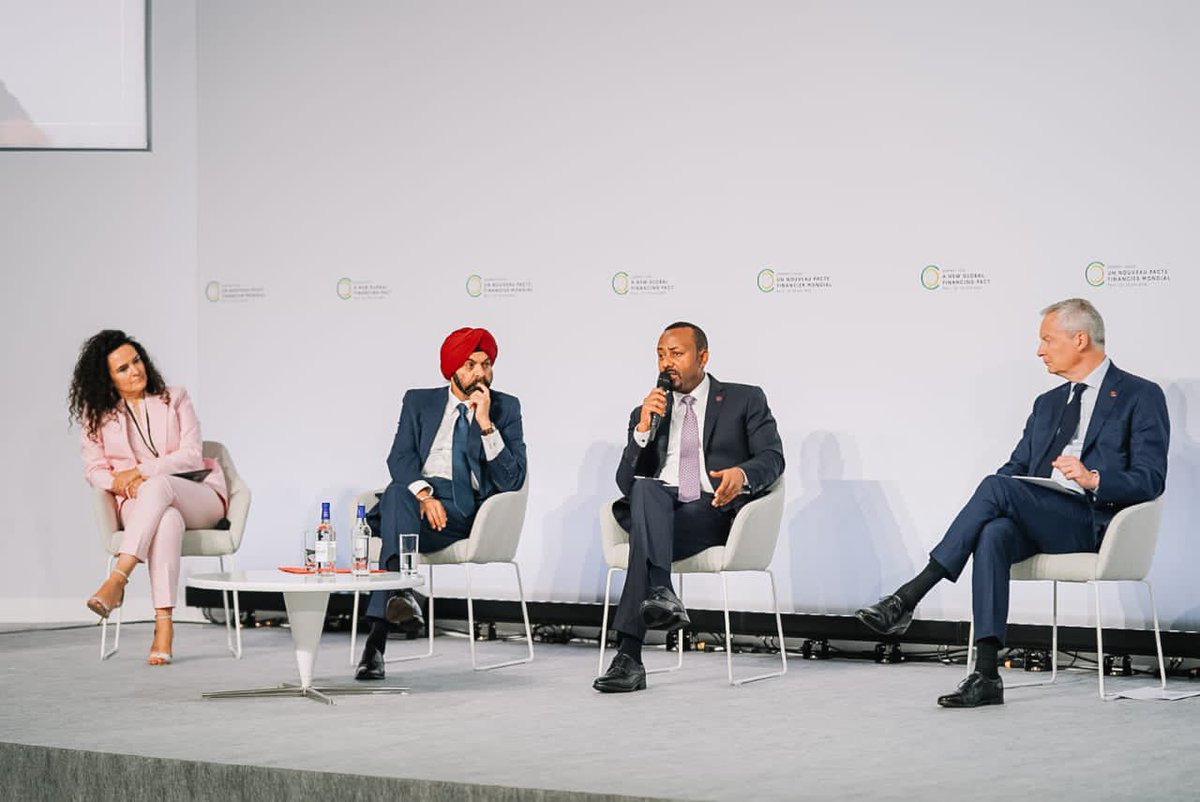
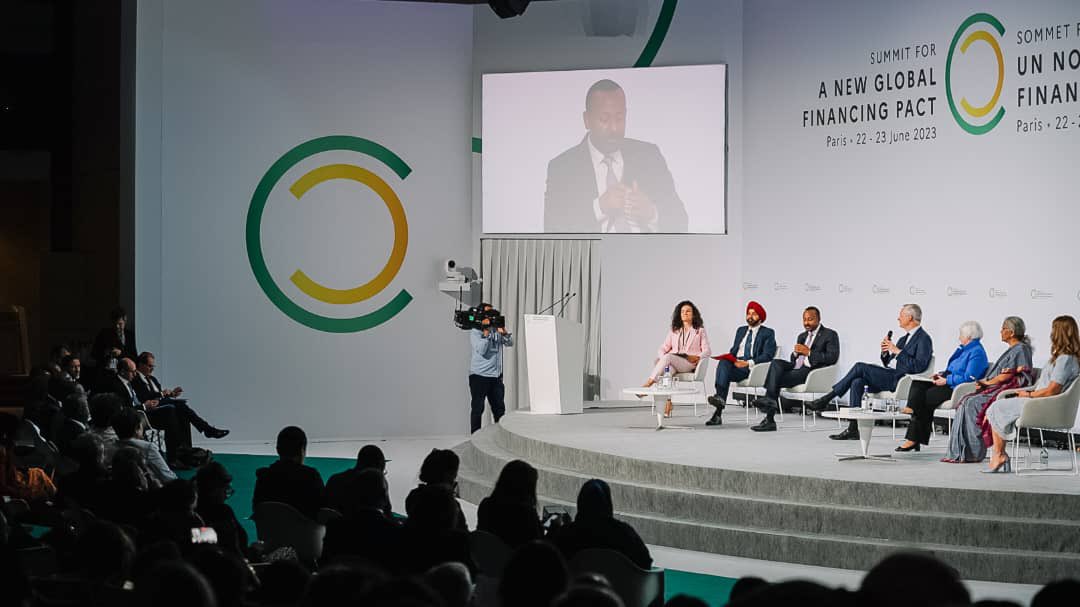
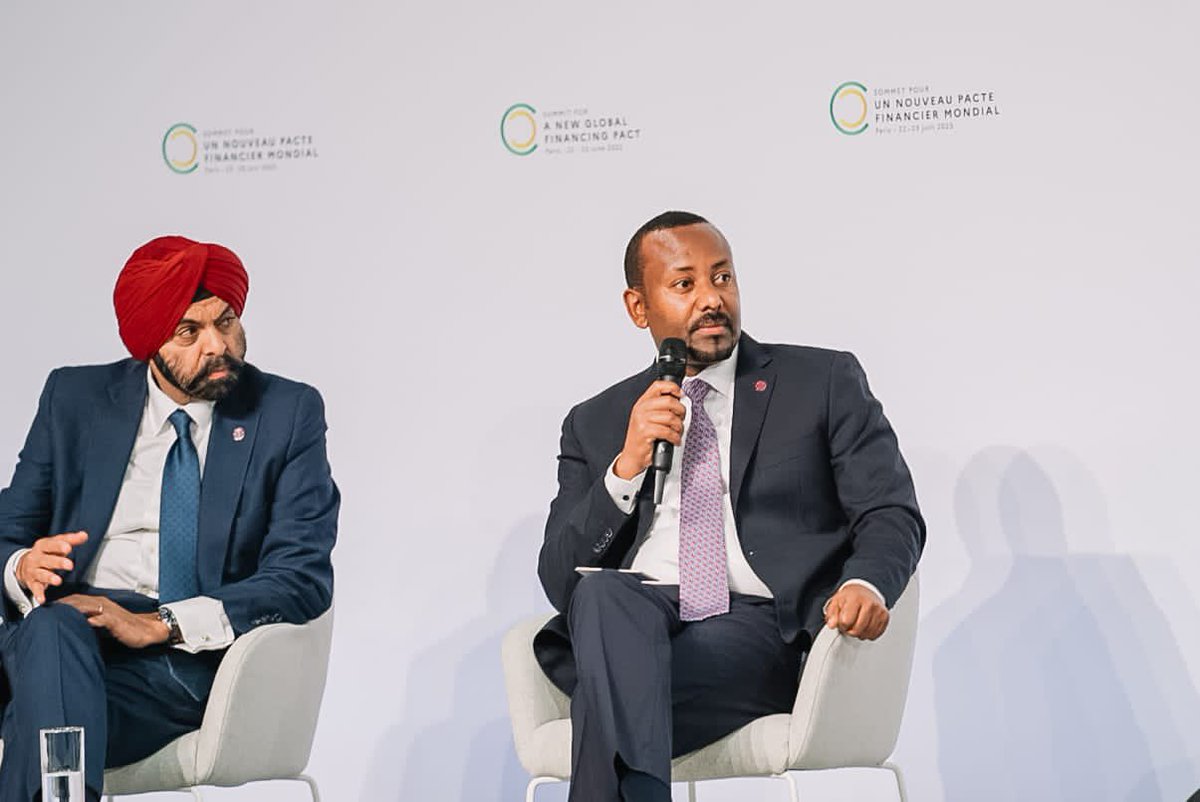
The developing world—particularly African countries are facing a cocktail of interconnected crises: a cost-of-living crisis, a financing crisis, a growth crisis, and a climate crisis.
To address these challenges, we need to work hard together to urgently upgrade the global financial architecture for development — with the Multilateral Development Banks at the center – the goal of the Paris Forum.
We can only tackle these issues head on if we implement reforms to strengthen the global financial architecture in the following areas:
First: Implement past pledges with resolve. We should keep past pledges in climate finance and on the rechanneling of Special Drawing Rights amounting to at least USD 100 Billion to MDBs such as the African Development Bank.
Second: other initiatives to increase access to liquidity should rise to the top of the agenda.
Third, we fully support the scaling up of the MDBs to push for faster progress on the SDBs and to tackle the challenge of adapting to climate change.
Fourth, we need more international cooperation to improve the debt restructuring process, when this becomes necessary. For Common Framework, we need immediate debt service suspension.
Proactive investments in building resilience not only pay off but also minimize the costs of disaster relief & recovery. As more countries join the Food Systems Resilience Program, the @WorldBank board agreed to increase the envelope to $2.75 billion! https://t.co/daBd4bjaR0
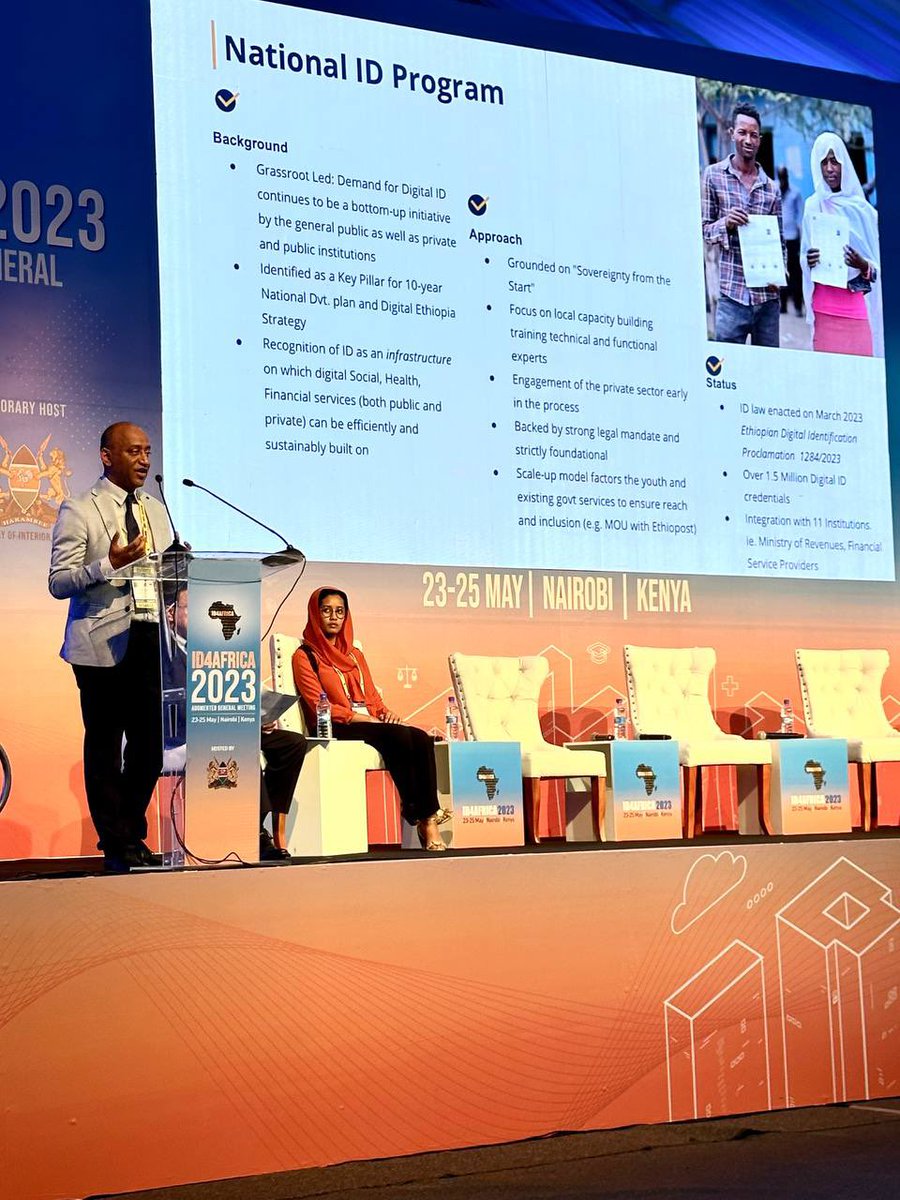
"The Ethiopia National ID Program is adopting a comprehensive 'whole of government' approach bringing together all stakeholders from Health, Finance and Social services towards building a national interoperable and digital ecosystem." @al_shiferaw @FMoHealth@JSIhealth