Official channel of the European Environment Agency (EEA), an agency of the European Union. We provide sound, independent information on Europe's environment.
At the EEA, we provide satellite-based data focused on land through the Copernicus Land Monitoring Service. But land is just one part of the bigger picture…
Copernicus, also provides valuable data on our climate, oceans, atmosphere and extreme events.
How can combining data from different @CopernicusEU services (@CMEMS_EU, @CopernicusECMWF, @CopernicusEMS, @CopernicusLand) help us better understand our planet? 🌍
Using water as an example, we have joined forces to create an interactive story map: https://t.co/ZHRQaqTtJ4
🆕Our report finds Europe can strengthen its industrial competitiveness while cutting climate & environmental pressures, provided progress accelerates.
🔗Read ‘Europe’s industrial transformation — from environmental progress to clean competitiveness’: https://t.co/QEUKhZzbHw
🌍 From biodiversity commitments to delivery.
Our work in Yerevan will highlight how better knowledge & monitoring, sustainable consumption & effective implementation can help boost global progress.
Follow our contributions from #COP17.
#Biodiversity#Nature#KMGBF#Europe
🌍 Better biodiversity knowledge can help drive better action.
At #COP17, the EEA & @CoE_Environment are joining forces to discuss how pan-European data & knowledge can support implementation of the Global Biodiversity Framework.
More: https://t.co/2IcVcBAH9c
EEA at CBD #COP17: from biodiversity knowledge to action
From 19 to 30 October, we will take part in the UN Biodiversity Conference (CBD COP17) in Yerevan, Armenia.
Over the coming weeks, we will share more from our experts, events & partnerships.
👉https://t.co/CJImG5rH2j
We are getting closer! It is almost time for our webinar on Europe's industrial transformation! 🏗️ 🏭
Date: 20 October at 11:00 - 12:00 CEST.
Sign up and join the discussion:
https://t.co/IknhufvMqv
How can sustainability make Europe competitive by 2040? 🌍
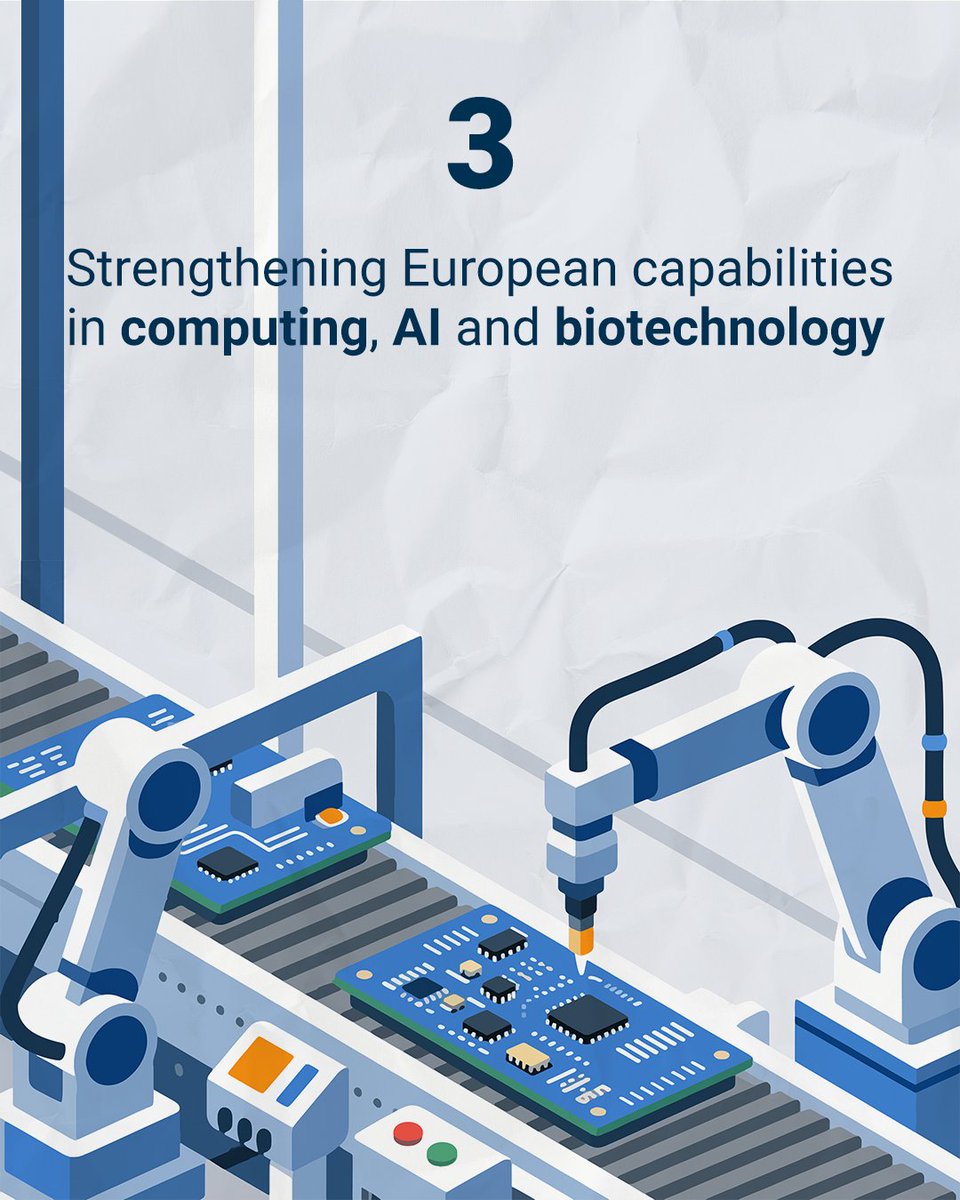
Developed with policymakers & experts, the report identifies six "no-regret" options that could strengthen Europe's competitiveness across a range of possible futures.
The report: https://t.co/faZzDPWtLq
Last three👇
We are looking for an expert in IT Project Management! 💻
Do you think you have what it takes? Then don't miss this opportunity and apply by 10 November!
Find out more and apply here: https://t.co/wVfOfQza81
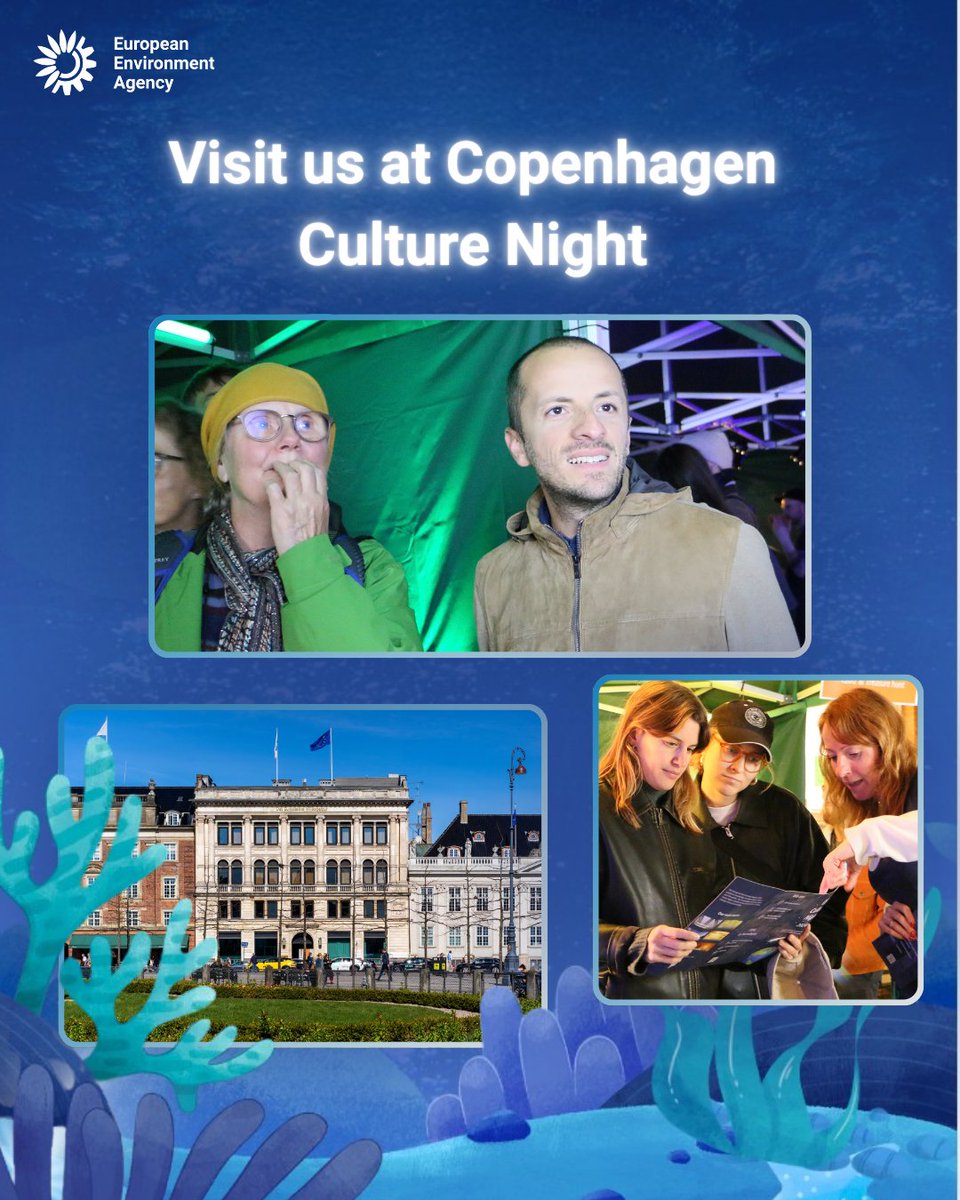
Thank you – tak! – to everyone who visited us on Culture Night in Copenhagen on Friday! 🌊
We always love having the opportunity to meet you & engage in discussions about our work. This time, the focus was on Europe's seas!
🏆The winners of the EEA's 'Resilient by Nature' 📸photo competition 2026 have been announced!
A huge congratulations to the winners & all who took part from across Europe!
🔗Check out the winning photos:
https://t.co/MFAwxQfrm8
Tonight is the night! 🌊
We are putting the finishing touches in place, and then we are ready to welcome you!
Join us for Copenhagen Culture Night, starting at 18:00!
https://t.co/fvoiU5iTO9
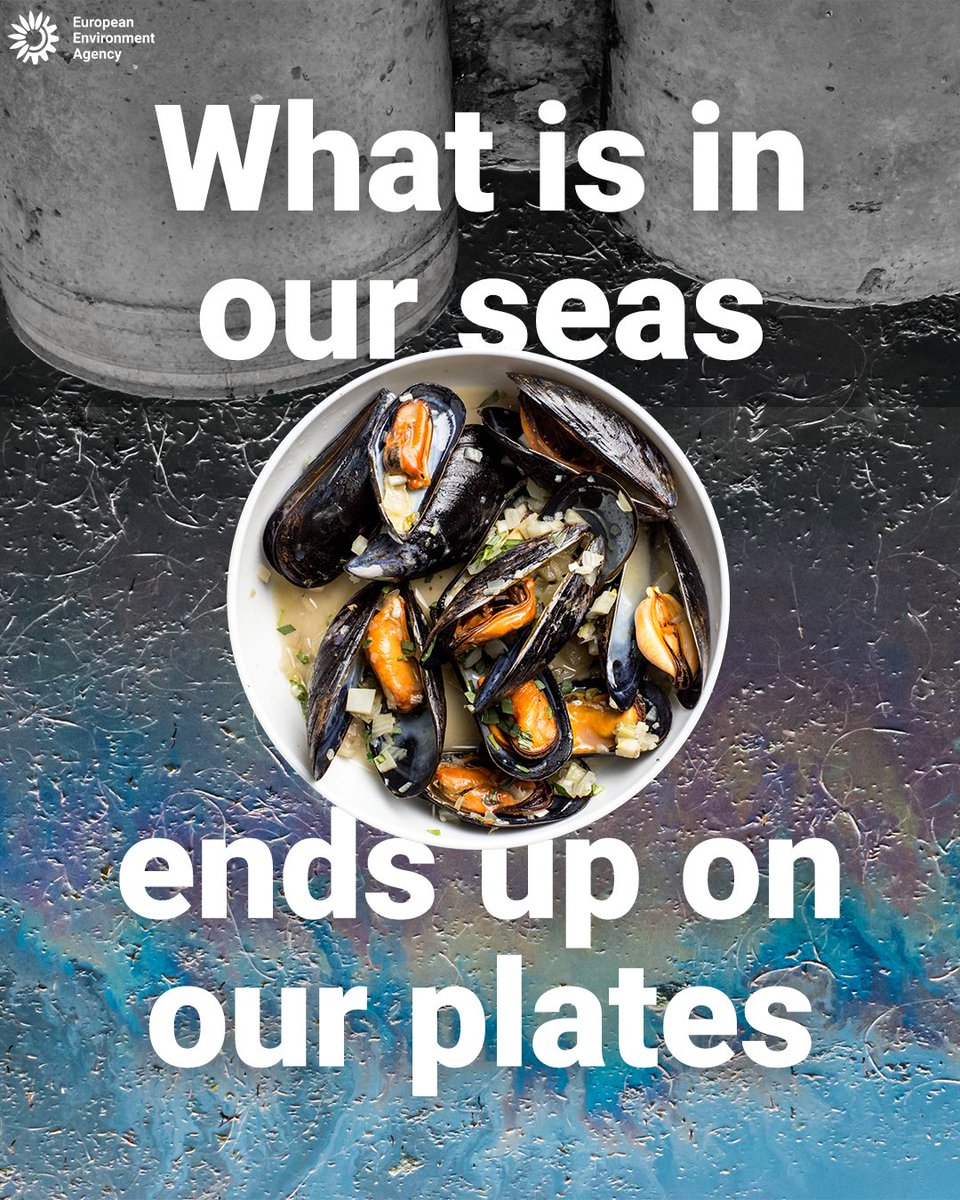
Hazardous substances still exceed safe limits in mussels and oysters from Europe's seas. Where trends can be detected, concentrations are falling more often than rising.
🔗 https://t.co/6uzDWiqJy2
#ZeroPollution
Visit us on Culture Night this Friday, when we turn our focus to Europe’s seas! 🌊🐟
This year, we will take you beneath the surface to learn more about Europe’s seas, the challenges they face, & what is being done to ensure they remain healthy: https://t.co/fvoiU5jrDH
MowingQuest is a citizen science initiative & pilot campaign where we want you to help us, & the Copernicus Land Service and In-Situ, monitor grasslands by reporting mowing activities across Europe.
Watch the video 📹 to discover how you can help! 👉https://t.co/Yi8dEUZey5
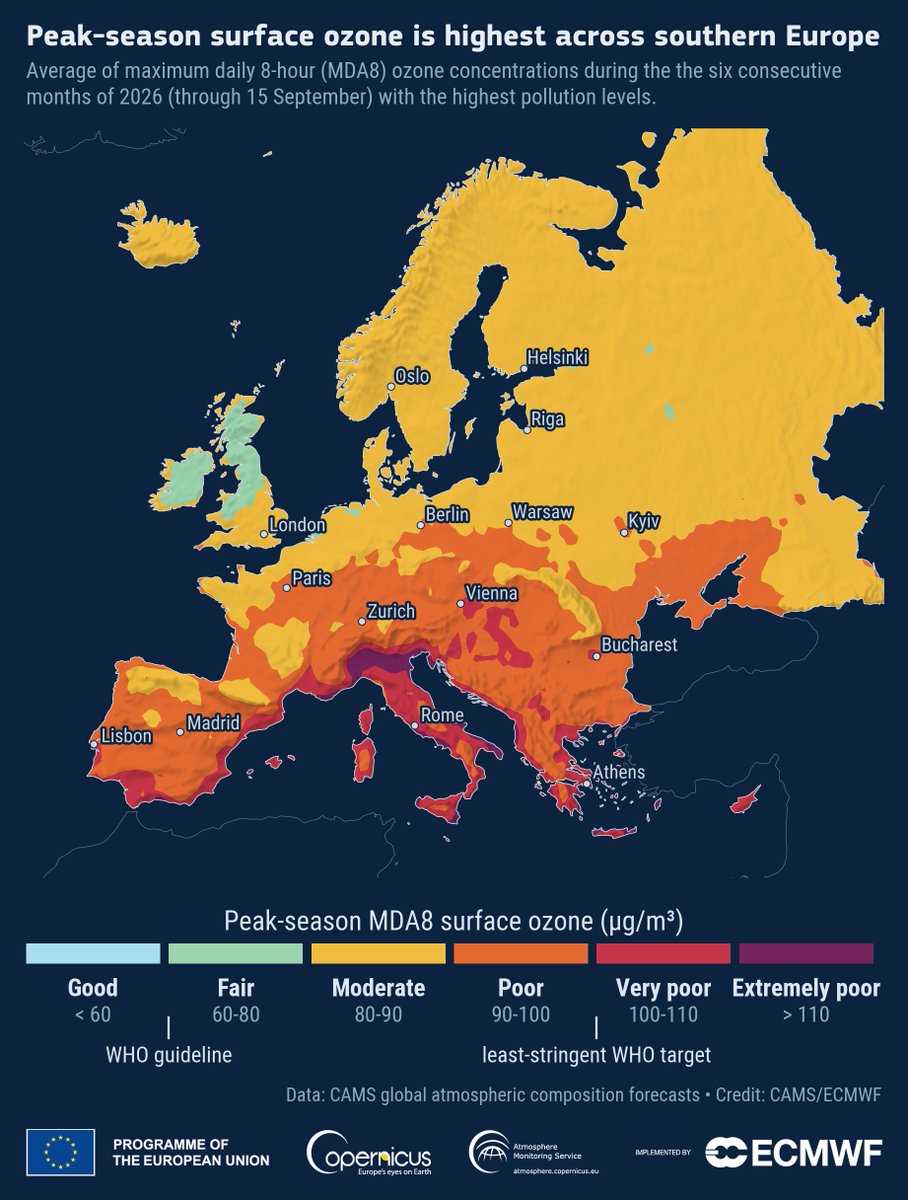
Half of Europe's population was exposed to poor or worse ground-level ozone levels so far in 2026, as successive summer heatwaves drove up concentrations, according to new @CopernicusECMWF analysis. 🔗 https://t.co/PZCf1RQHSX... #AirQuality#Ozone
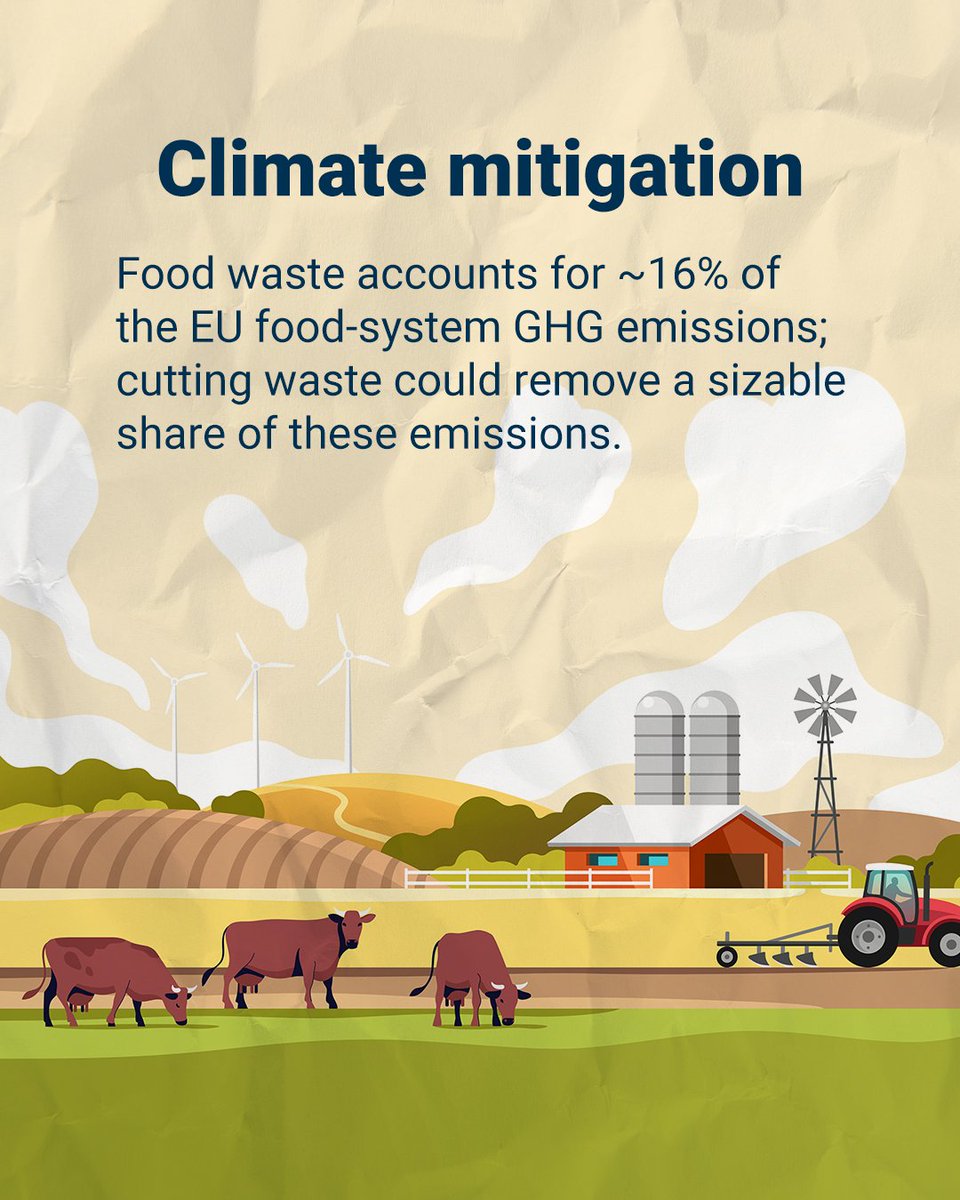
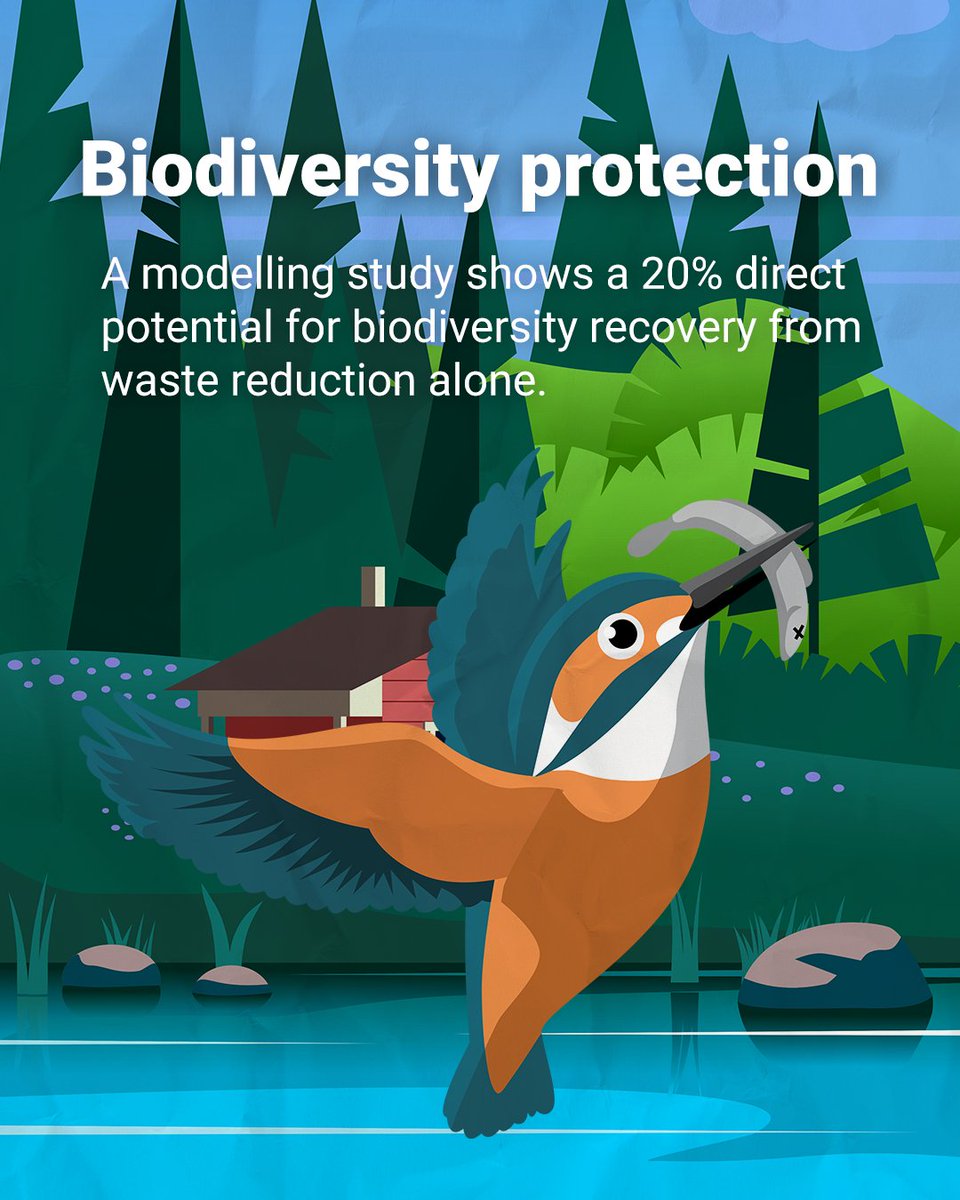
🍎 132 kg of food wasted per person in the EU in 2022, over 59 million tonnes in total.
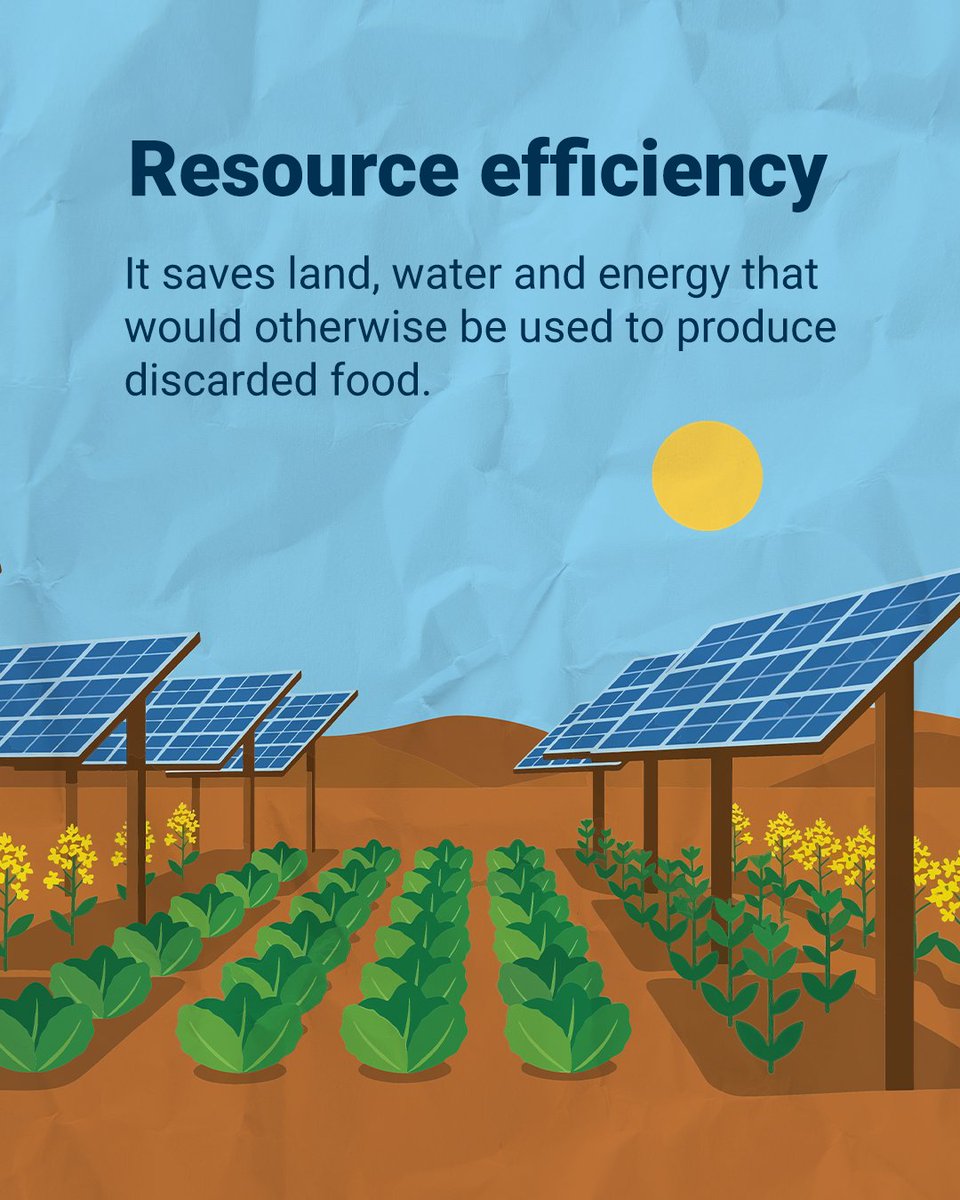
That also wastes land, water, energy and labour. Most of it could be avoided.
This #FLWDay, see how Europe is tackling food waste 👇https://t.co/OyJnxzcUJS
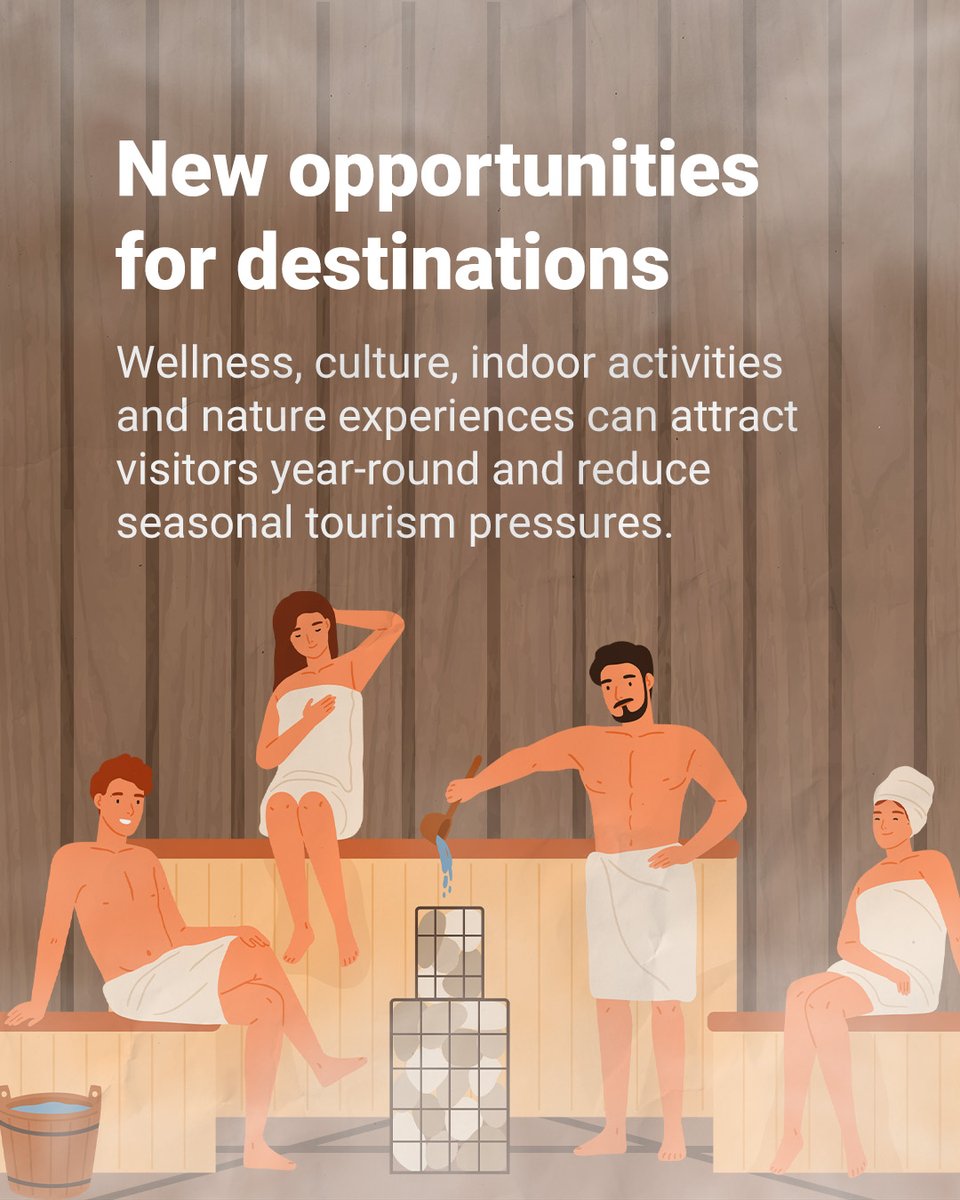
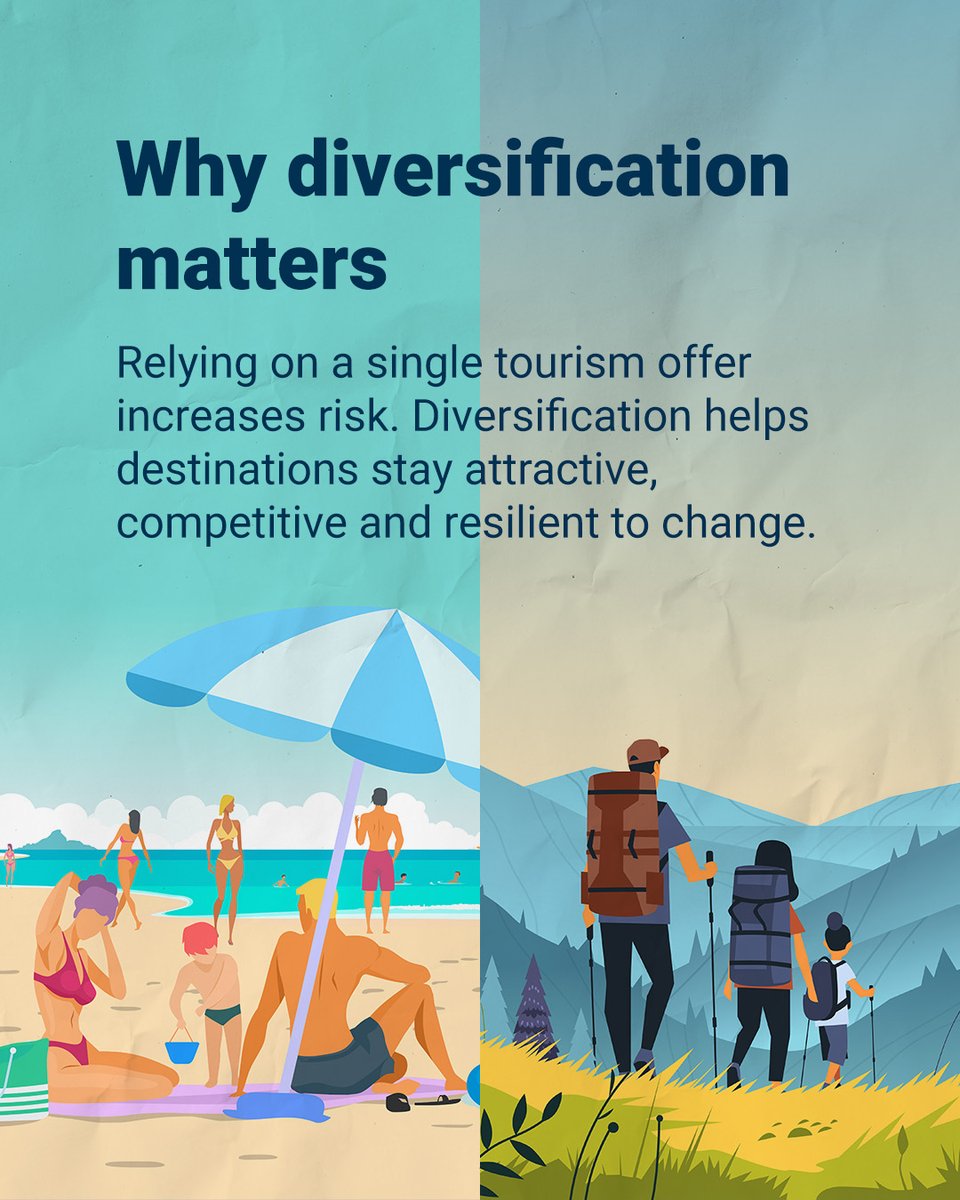
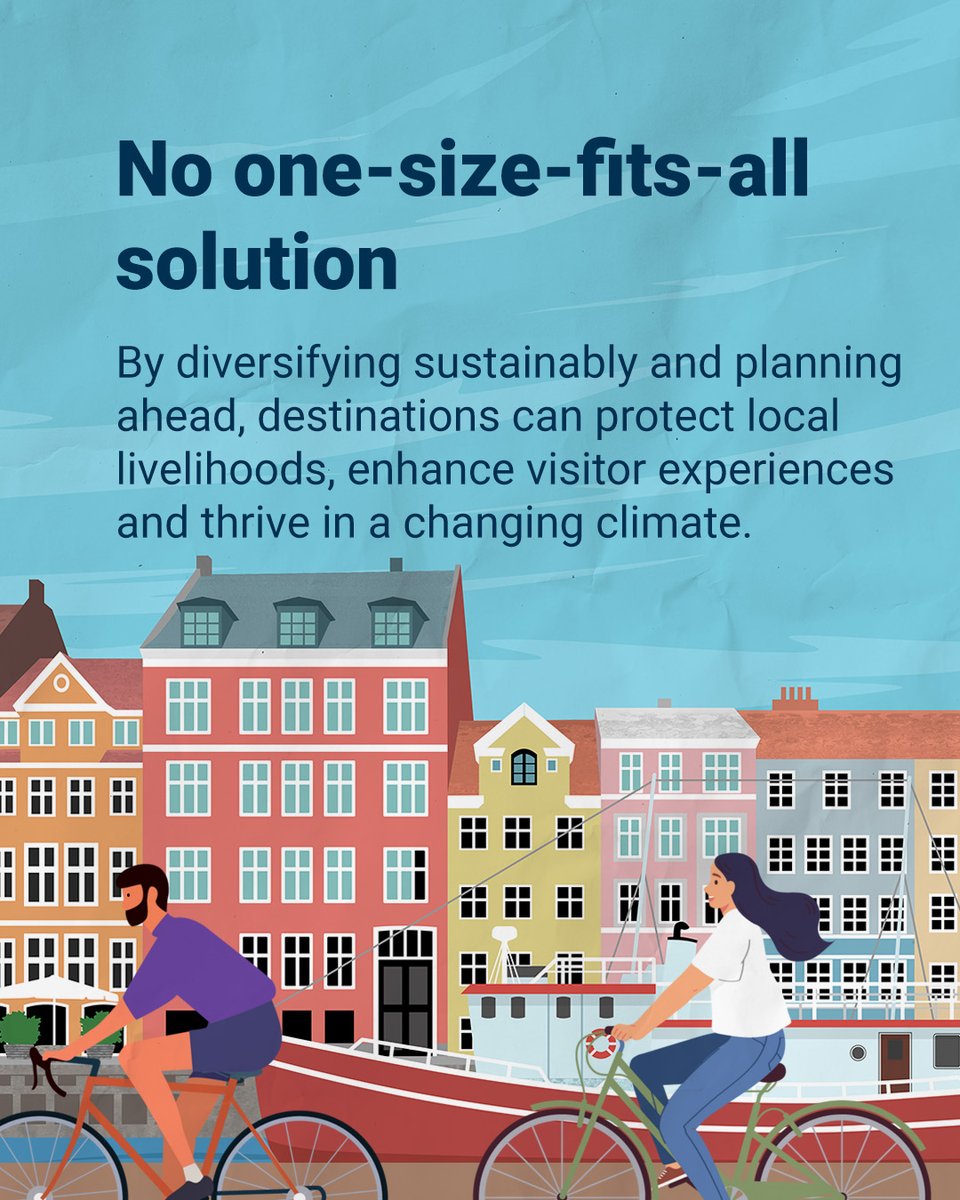
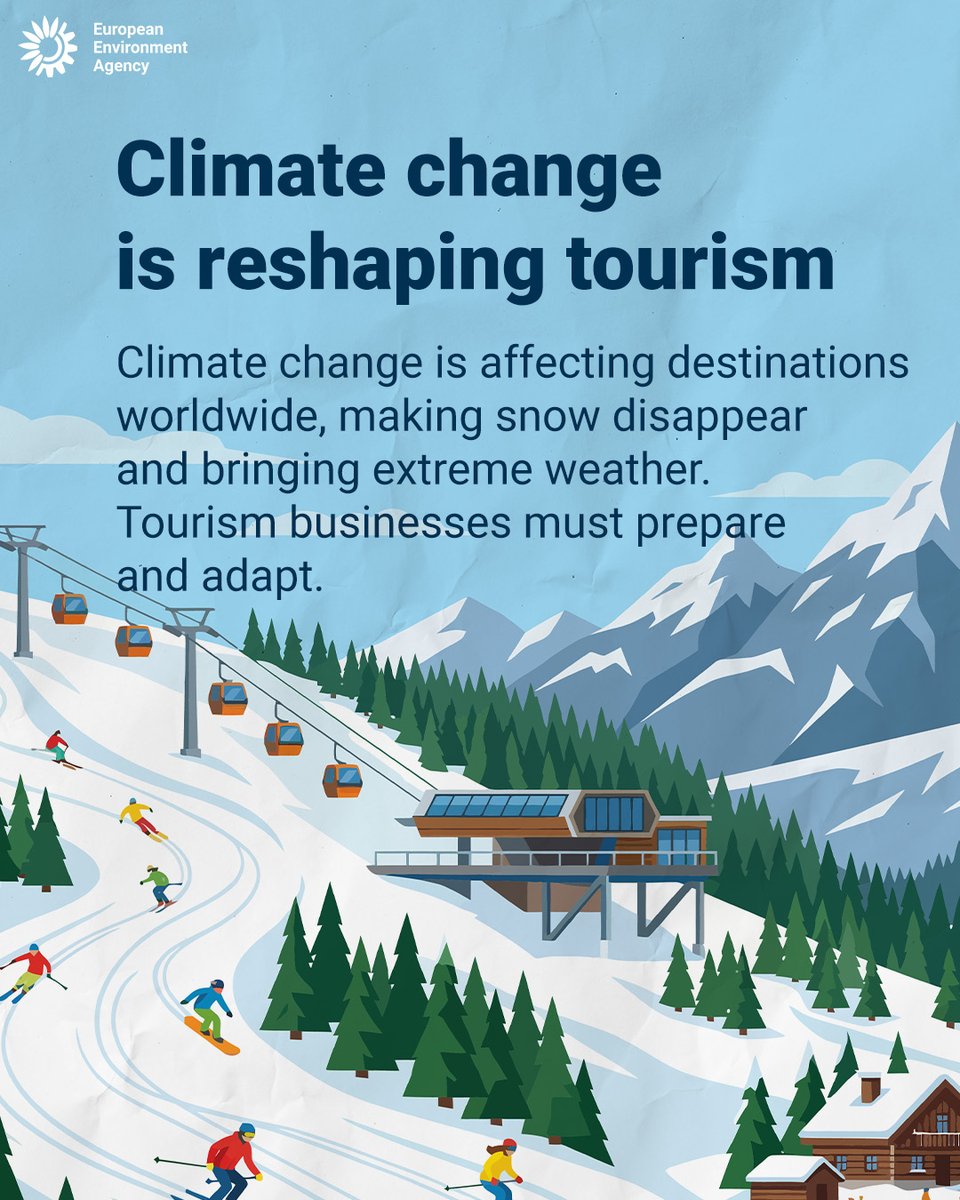
Rising sea levels 🌊 & shrinking snow cover ❄️ are two prime examples of how climate change is reshaping tourism across Europe.
Climate-resilient tourism must adapt to change, but also build a more sustainable future for people, places & ecosystems.
👉https://t.co/EkUz0yMnA9
#WorldTourismDay is coming up, & with the help of CLMS, we can see how Cyprus is changing, with increased tourism being one of the driving factors. 🏖️
We compare Cyprus in 2000 & 2018. Red on the map represents built-up areas & transport infrastructure.