My analytical piece published by @rosaluxstiftung on how Kazakhstan and Kyrgyzstan have introduced workfare measures in their unemployment and poverty-reduction policies is out!
https://t.co/UpMwlz5D6U
📢 Great news: I will join @SOASpolitics as an @ESRC postdoc fellow. I'll turn my PhD into a book and keep working on the political economy of South-South relations, local agency and Uzbekistan-China ties. If you want a preview of the book read my latest: https://t.co/XLNuTXPXKI
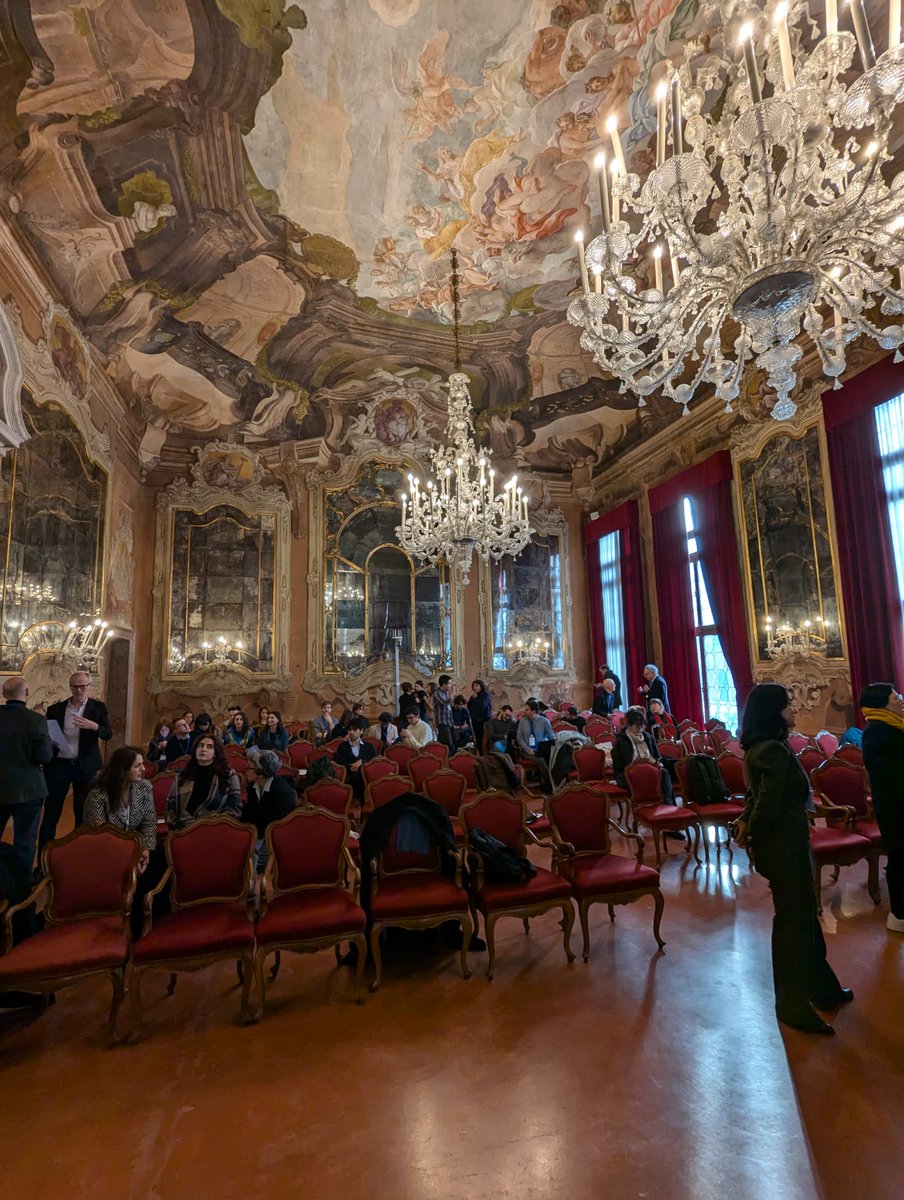
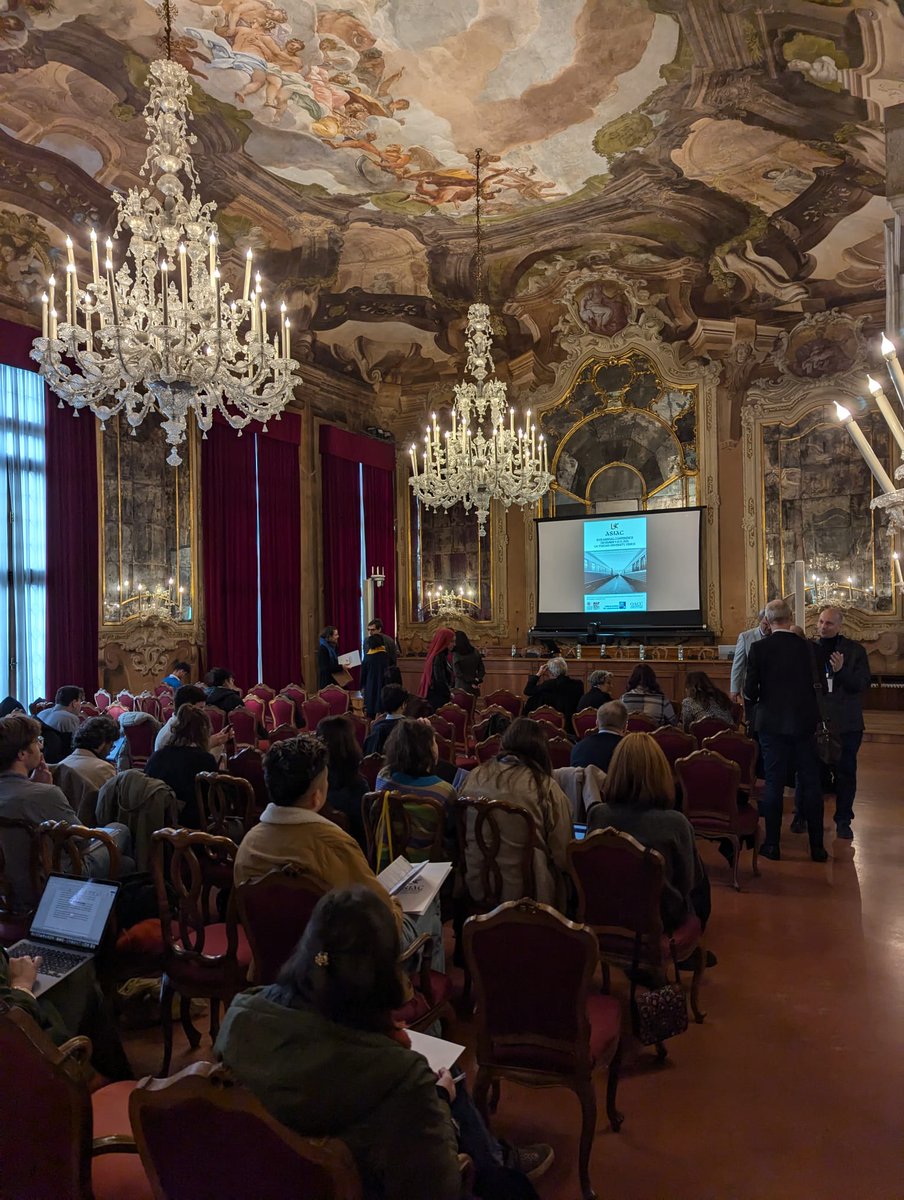
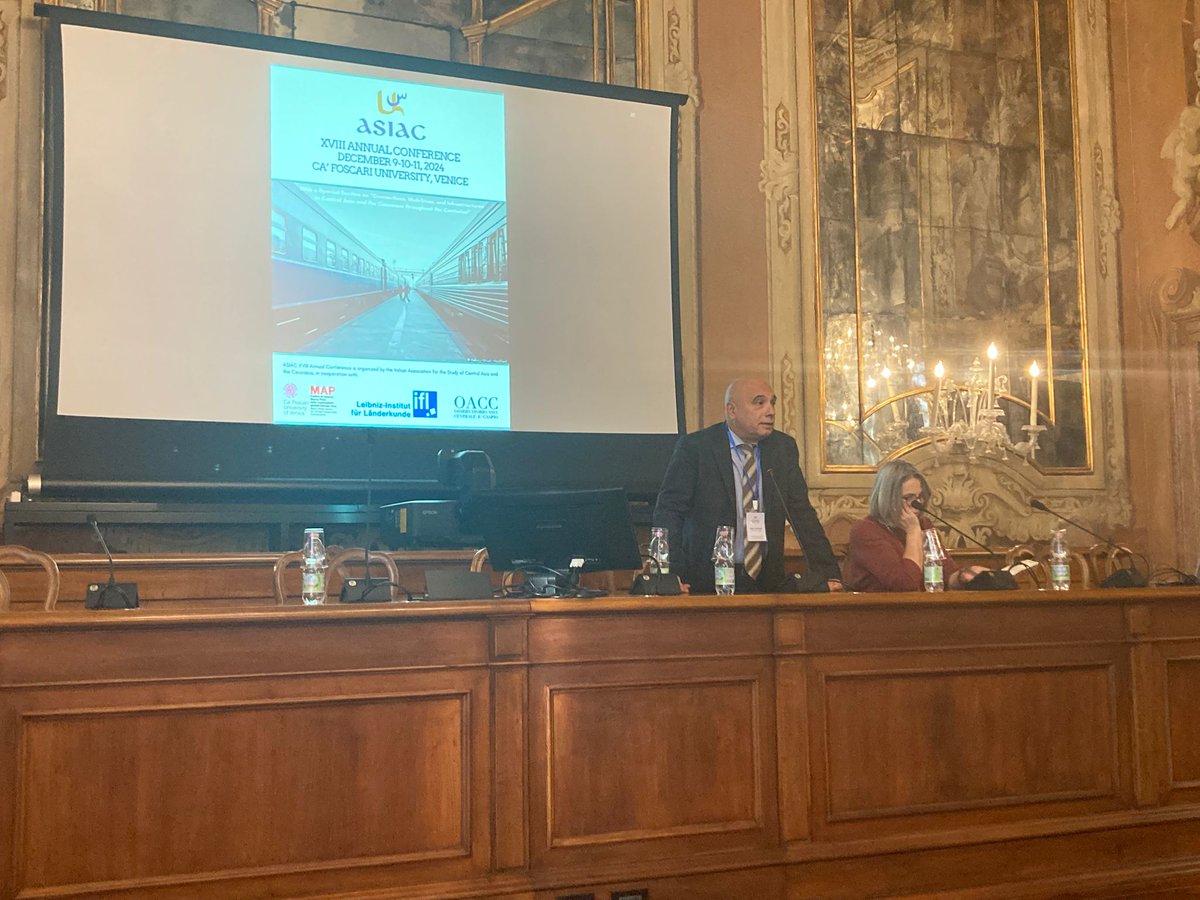
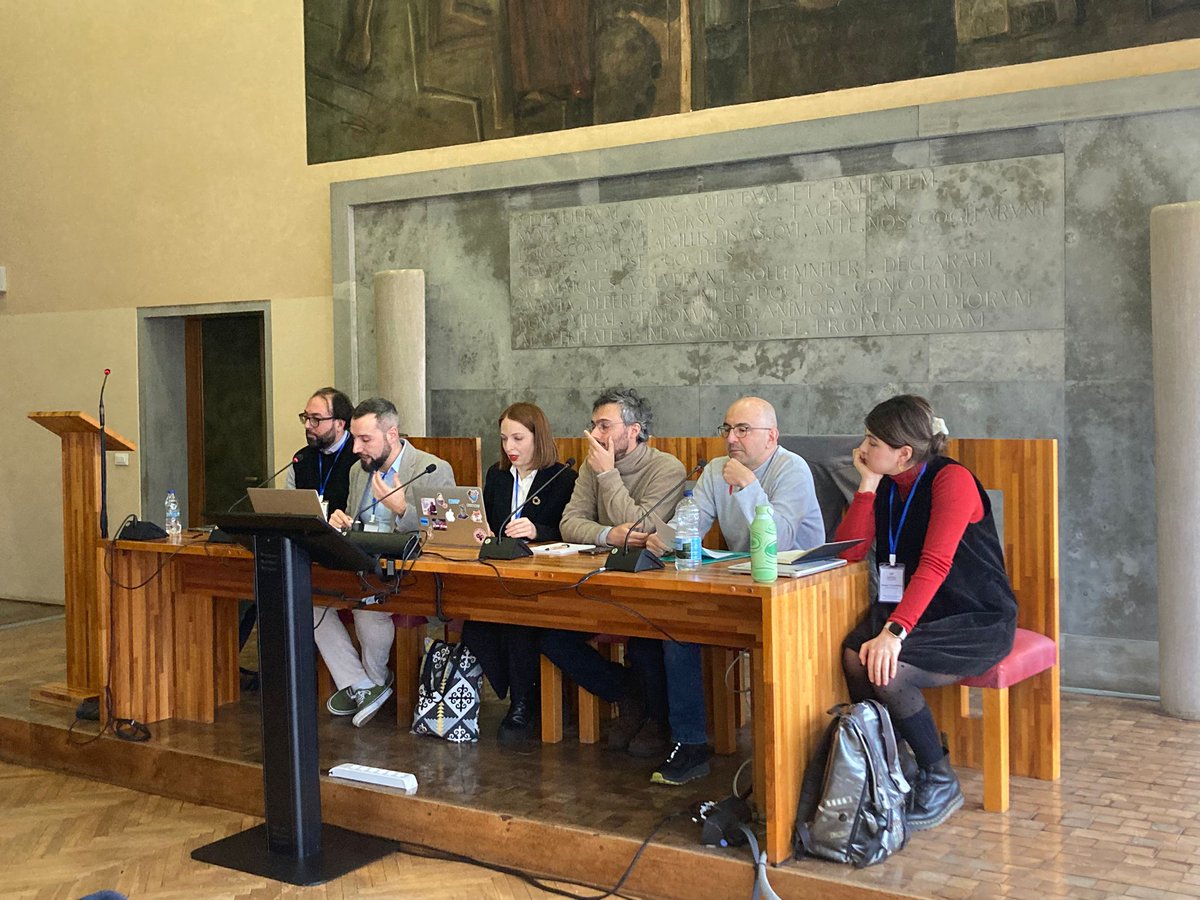
Another great discussion: WHAT’S IN A JOB? RETHINKING INFORMAL, PRECARIOUS, AND MIGRANT LABOUR IN CENTRAL ASIA
Presenting: Franco GALDINI, Eugenia PESCI,
Binazir YUSUPOVA, Giulio BENEDETTI
Chair: Frank MARACCHIONE
Discussant: Luca ANCESCHI
For #CentralAsia scholars. We are very excited to announce call for papers. Samarkand will be the next destination for ESCAS regional conference in 2025!
Deadline: November, 15.
Want to hear about beryllium oxide clouds in the Kazakh SSR or tornados in provincial Turkmenistan? Then join, in person if you're in Helsinki or remotely from elsewhere, my @Aleksanteri_UH VF Seminar on 11 June at 14.00 EEST//12.00 BST. More details: https://t.co/1XsUyqpQOm
On 4 June I will present some insights from our policy brief on labor market policies in 🇰🇬 at the @OSCE_Academy in Bishkek and online. Welcome! Details 👇
Join us for a #publiclecture on "Active Labour Market Policies in 🇰🇬: Addressing Employment Barriers for a More Inclusive Labour Market?" by Eugenia Pesci, Doctoral Researcher at the Aleksanteri Institute
📍OSCE Academy (in person), Zoom
Details: https://t.co/cW4C6AHlOc
My piece for @Vlastkz looks at the marketization of medical education and the contradictions of #Kyrgyzstan 's labor market to better contextualize last week's violent mob against South Asian nationals in Bishkek.
Special thanks to @PaoloBottleneck for the editorial work! ✨
A violent mob targeted foreign students in Kyrgyzstan’s capital on May 18. A look through the aggressive privatization of higher education and the exploitative nature of the garment industry help explain the causes.
https://t.co/UtkEAyqTpp
When reading headlines is not enough
"The University of Helsinki has announced a suspension of all student exchange programmes with Israeli institutions"
"Research cooperation with Israeli universities is not being suspended, however, despite protesters' demands"
📢 Online workshop alert! 📢
CAB and ESCAS invite researchers interested in Central Asia and quantitative methods to join a 1-hour online workshop on Survey Research in Central Asia.
Join us on 28th May at 6 PM Bishkek time (UTC +6) for an insightful 1-hour session.
Join us on May 28th for a joint online workshop by @CAB_CentralAsia & ESCAS on Survey Research in #CentralAsia! 📊🗣️
🕕 6 PM Bishkek time (UTC +6)
📅 When: May 28
Register now! https://t.co/rpSkrEXQlD
More info:https://t.co/eNP4jdksbK
Precisando che nessuno si è impossessato del lavoro di @maarchiaar (il libro è co-authored) quello che mi ha turbata in entrambi i casi è la presunta innocuità con cui certe narrazioni siano normalizzate sia dall’accademia stessa (nel caso del convegno), sia dalla stampa
Questa storia mi ha fatto ricordare di un convegno a Roma in cui due ricercatori senior (uomini) hanno presentato una ricerca fatta insieme alla “loro dottoranda”. Niente nome, niente cognome.
Quando la smetteremo di essere “giovani collaboratrici” e anonime “dottorande”?
Ieri è uscita su un noto quotidiano online una recensione a “La Russia che si ribella”, scritto a quattro mani da me e Federico Varese. Ringrazio chi l’ha scritta per l’attenzione che ha voluto dedicare al libro in uscita. Devo però sottolineare un aspetto che mi ha turbato. 🧵
The third volume of the Global Encyclopaedia of Informality edited by Alena Ledeneva is out!
It contains my contribution on the informal practice of #Koshumcha in #Kyrgyzstan 🇰🇬
You can download the volume from there 👇
https://t.co/6nYl8jm5TN