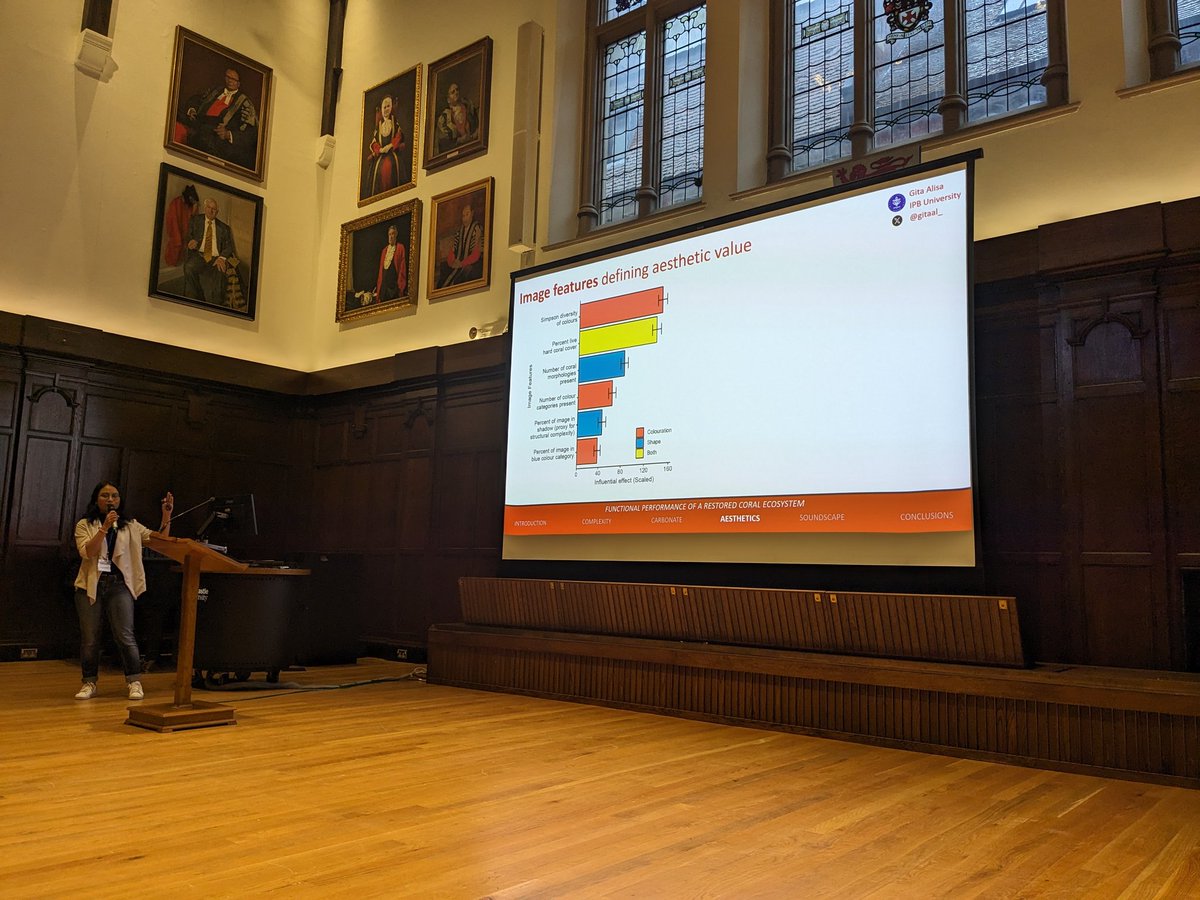
Still feels surreal, but now I can say that I've just passed my PhD viva with minor corrections and that I am now #PhDone!!! Thanks to the wonderful @LecReefs team for the video and online post-viva celebration drinks! ❤️
Marine pollution kills corals, too. It’s not just about climate change.
In episode 11 of "To the Rescue of Corals," meet Dr. Amelia Wenger from The University of Queensland, who leads CleanReefs, a project focused on developing a pollution mapping and risk assessment tool. with colleagues from @TheWCS , and @CoralVitaReefs , working across Australia, the USA, Fiji, the Bahamas, and the Solomon Islands.
The team is creating a free tool that identifies pollution sources, tracks where pollution ends up, assesses which coral reefs are most at risk, and determines the necessary level of pollution management.
CORDAP is supporting numerous research initiatives across the globe through the Coral Accelerator Program (CAP) to secure a safe future for corals. The CAP 2024 funding call is open until October 21, 2024, with grants of up to USD$ 1.5 million per project. Learn more and submit your proposal at https://t.co/IHAiNckMEB .
CORDAP would like to thank the research team for the media contributions
Fieldwork (photos): Shadrack Omwenga, Joel Amaya, Hans Engbers and Srikanth Mannepuri
🌡Restoration or rehabilitation of reefs? "Restoration is the act of bringing a degraded ecosystem back to its original condition... A changing climate means that restoring reefs to their historical pre-Anthropocene state may no longer be possible or desirable in the short-term"
📢A webinar on "The status of the 4th Global Bleaching event" is brought to you by @ICRI_Coral_Reef together with @ReefResilience and @NOAACoral .
It takes place on May 14, 8:00 - 10:00 am EDT (UTC -4).
Find out more and register to attend!⤵️
12 hours ago, the Fourth Global Bleaching Event was announced. This could be the largest coral bleaching event the world has ever seen. Learn what @TheWCS is doing about it here ⬇️⬇️ https://t.co/LDlR8QrAf1
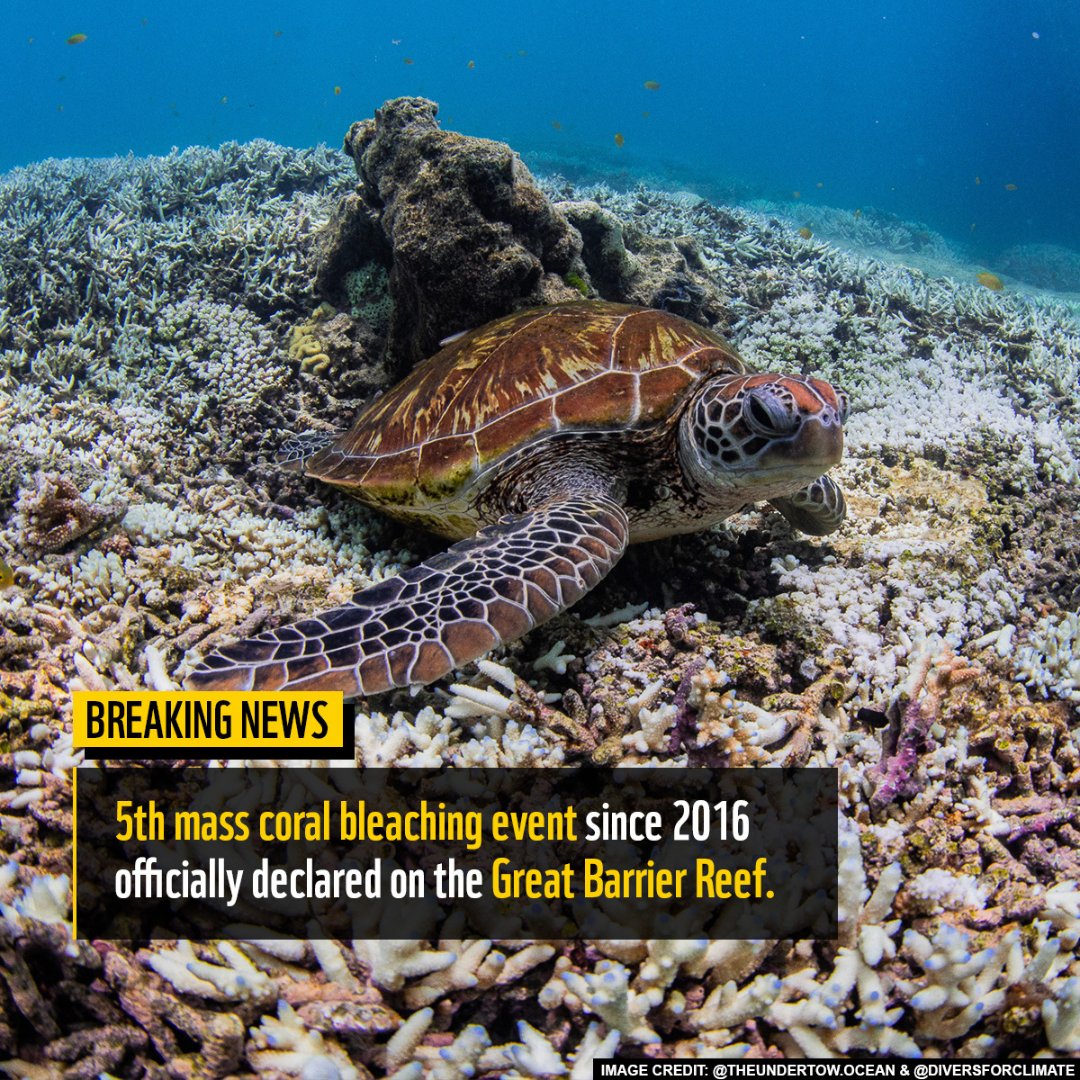
#BREAKING 🚨 Great Barrier Reef faces 5th coral bleaching crisis. World Heritage-listed areas are at risk.
QLD has stepped up, we urge federal government: emissions reduction target must be 90% below 2005 levels by 2035. Climate change action NOW!
More:
https://t.co/mYGpyYLMCR
Flying high & diving low! How can we use the best of both worlds?
In this #OpenAccess review @LLLutzenkirchen & colleagues compare in-water ecology with remote sensing on reefs. In 199 studies, only 3% use both approaches = more room to unite & prosper.
https://t.co/I0pILMvRP3
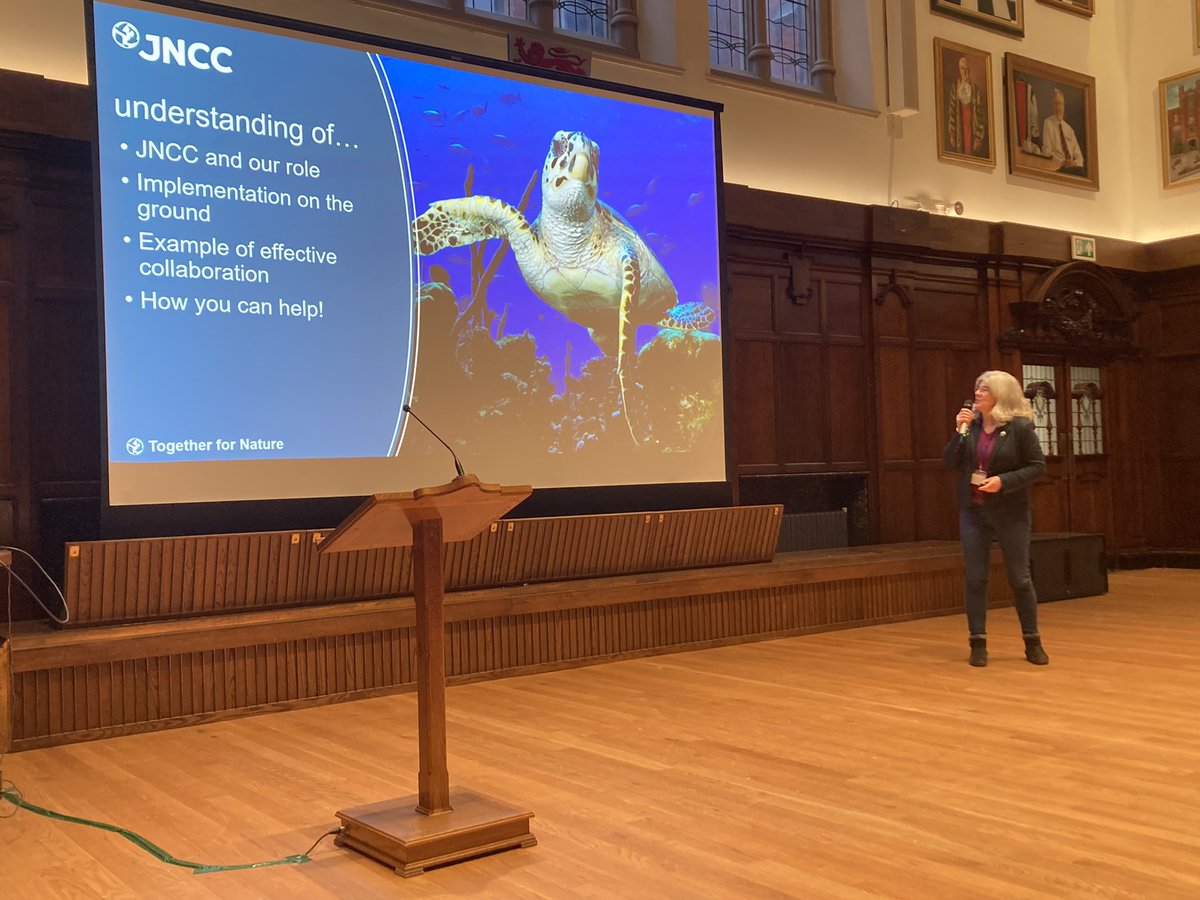
After a brilliant morning session we now start into the second half of the day with Jane Hawkridge telling us about the mission of @JNCC_UK at #RCUK2023@ReefConsUK
St Helena’s MPA has been recognised as a Hope Spot! We had the privilege of being a key contributor in the application process with the @SHnationaltrust & @GeorgiaAquarium. We look forward to joining this network of marine protectors.
https://t.co/bjqYdI2Nhh
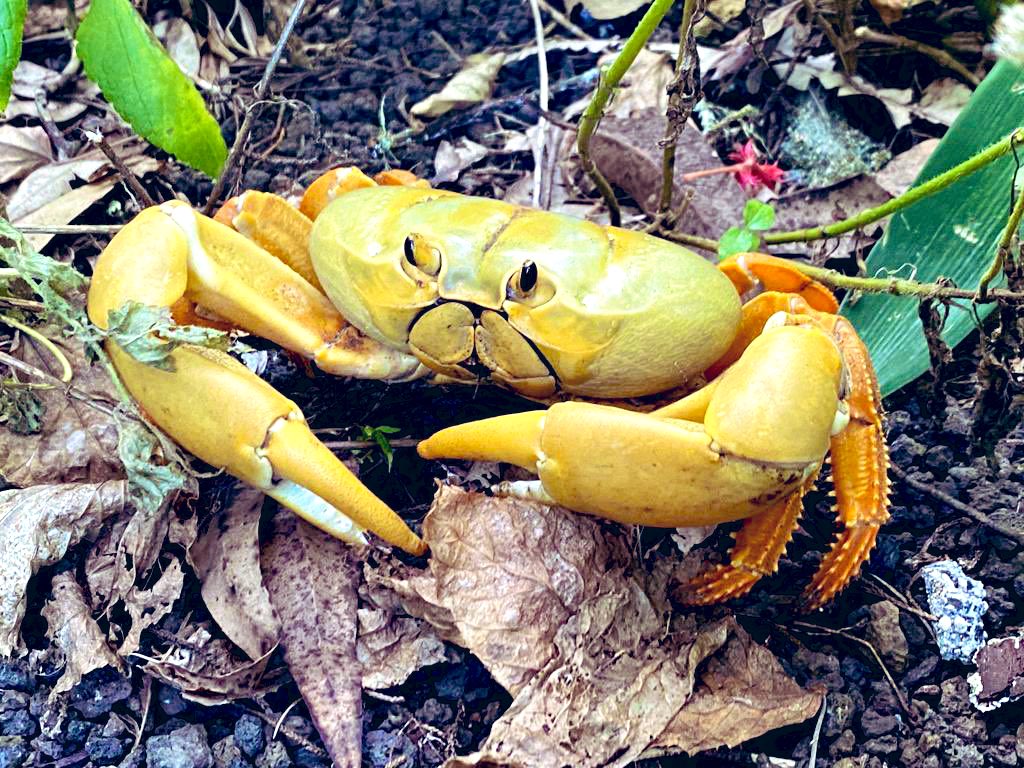
#Ascension Island is small but a #biodiversity superpower
🦀 endemics (inc. land crabs)
🦈 enormous marine protected area
🌴 largest terraformed cloud forest
The island also inspired Charles Darwin;
https://t.co/8QyVIZlCSA
Follow @AscensionMPA & @AIGConservation
"Around the world, millions of animals are caught and accidentally die in fishing nets every day. This bycatch, is pushing many species towards extinction."
David Attenborough on #PlanetEarth3
Registration is open for the most exciting coral reef event of the year #RCUK2023, Newcastle, Saturday 9th December!
Book tickets here:
https://t.co/c4mouErMUY
and workshops on Friday 8th December here:
https://t.co/y62hHpI8j2
@SciencesNCL
@ecology_ncl@newcastlemarine
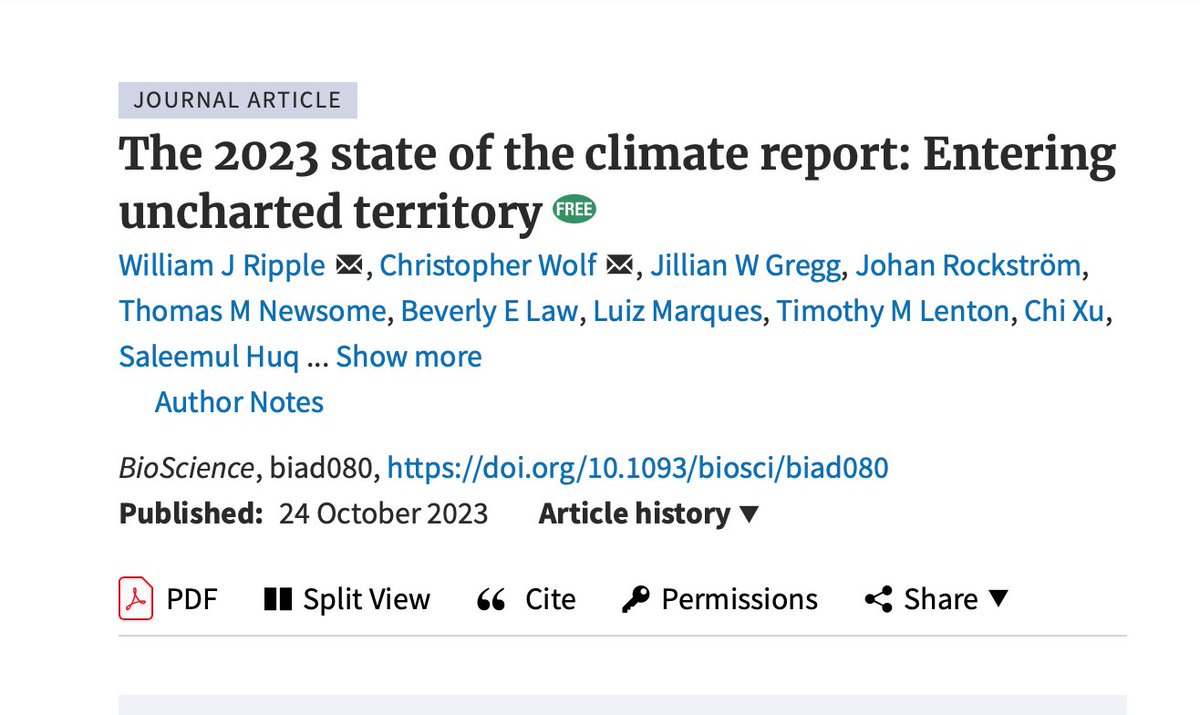
Today @WilliamJRipple et al released the 2023 report on the terrifying state of our #climate.
It should be read by every policymaker, decisionmaker, and journalist on the planet.
Here is a thread of some key takeaways.
1/n
‼️ New Paper ‼️
Our new paper in Nature Communications documents bleaching of mesophotic corals at depths of 60-90m - an area of the ocean previously thought to be buffered from rises in sea surface temperature.
Details in the 🧵 below:
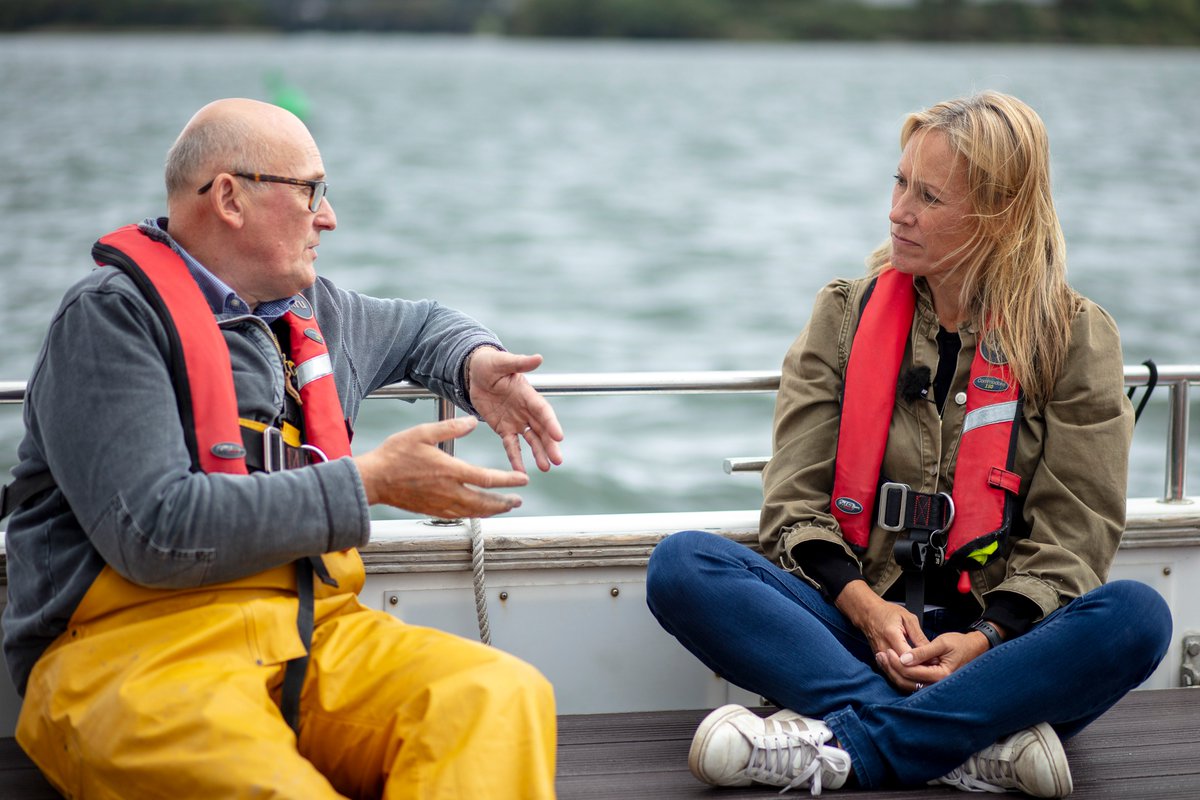
Professor Richard Thompson and Florence Parker-Jurd were interviewed by the BBC’s Sophie Raworth for a piece on the BBC News at Six about their research into the abundance and impact of tyre particles in the marine environment 🛞
Fascinating article by Dr Sam Garrard from @PlymouthMarine "Microplastics discovered in the body tissues of whales, dolphins and seals – sparking concerns for human health too" https://t.co/h1aQKimhaq via @ConversationUK