One bad night of sleep does more than make you exhausted; it also disrupts your gut.
Research shows sleep deprivation alters gut microbiome composition, increases intestinal permeability ("leaky gut"), and dysregulates the gut-brain axis. Plus, it happens quickly, within 24 to 48 hours.
Why does this happen?
Your circadian rhythm coordinates intestinal stem cell renewal and mucus layer production. Disrupt your sleep, and you disrupt that repair cycle. Over time, this creates the conditions for dysbiosis, inflammation, and a weakened gut lining.
Your microbiome keeps the same schedule you do. Protect both.
👇 What's one sleep habit that's made the biggest difference for your gut health? Drop it below.
#GutHealth
#Microbiome
Source:
Sitaraman, S. (2026, February 17). Sleep deprivation harms the gut via the vagus nerve, early study reveals. Live Science.
Did you know your daily cup of tea might be quietly protecting your arteries?
A 2022 study in Arteriosclerosis, Thrombosis, and Vascular Biology followed 881 women over age 75 and found something striking:
Those who drank 2–6 cups of black tea daily had 16–42% lower odds of severe abdominal aortic calcification (AAC). That matters because AAC strongly predicts heart attack, stroke, and even dementia.
So, what’s doing the heavy lifting? Flavonoids.
About 76% of the flavonoids in the study came from black tea, and higher intake was linked to 36–39% lower odds of severe calcification. Interestingly, flavonoids from other foods showed similar benefits.
Mechanistically, this makes sense. Black tea contains theaflavins and flavan‑3‑ols, compounds known to:
1.Reduce inflammation by calming NF‑κB signaling
2.Lower oxidative stress (ROS)
3.Improve endothelial function, which helps prevent vascular calcification
In other words, the same pathways that damage arteries are the ones tea helps dial down.
And the best part? This isn’t some complicated protocol.
It’s a simple daily ritual.
#HeartHealth
#TeaBenefits
Reference:
Parmenter BH, Bondonno CP, Murray K, Schousboe JT, Croft K, Prince RL, Hodgson JM, Bondonno NP, Lewis JR. Higher Habitual Dietary Flavonoid Intake Associates With Less Extensive Abdominal Aortic Calcification in a Cohort of Older Women. Arterioscler Thromb Vasc Biol. 2022 Dec;42(12):1482-1494. doi: 10.1161/ATVBAHA.122.318408. Epub 2022 Nov 3. PMID: 36325901.
ess than 5% of Alzheimer’s disease cases are purely genetic. Growing evidence links air pollution and other environmental exposures to dementia risk. #Exposome. Air Pollution as an Environmental Risk Factor for Alzheimer’s Disease and Related Dementias - PMC
A 10‑minute walk after eating is one of the most powerful, evidence-backed ways to transform your gut health, yet most people skip it because it feels “too simple” to matter.
Walking during the window right after a meal can reduce reflux, ease bloating, move waste through your colon, and even improve blood sugar control, all in the time it takes to scroll your phone.
Action Plan:
If your digestion feels sluggish or unpredictable, test it for yourself. Take a 10‑minute walk after your next meal and track how your body responds for three days. Small habit, big shift.
#GutHealth
#DigestiveHealth
@ChaunceyGardner Research in this area is still ongoing. Nicotine delivery from e-cigarettes varies widely depending on device type, nicotine formulation, and user behaviour, and newer products continue to evolve.
E-cigarettes emit more than nicotine — including toxic and potentially carcinogenic compounds. Ongoing GC-MS and LC research is key to understanding their real health risks. #Exposome#EXTN. A Comprehensive Review of the Harmful Compounds in Electronic Cigarettes - PMC
Burpees are a full-body rebellion against comfort. This heart-pumping exercise builds cardiovascular endurance faster than jogging, while improving agility.
They’re the backbone of military drills and fighter conditioning because they train your body AND your will power.
Build a baseline level of fitness before attempting them. Start slow, with only a few until you build up more endurance. And don't forget to hydrate afterward.
#FitnessMotivation
#WorkoutChallenge
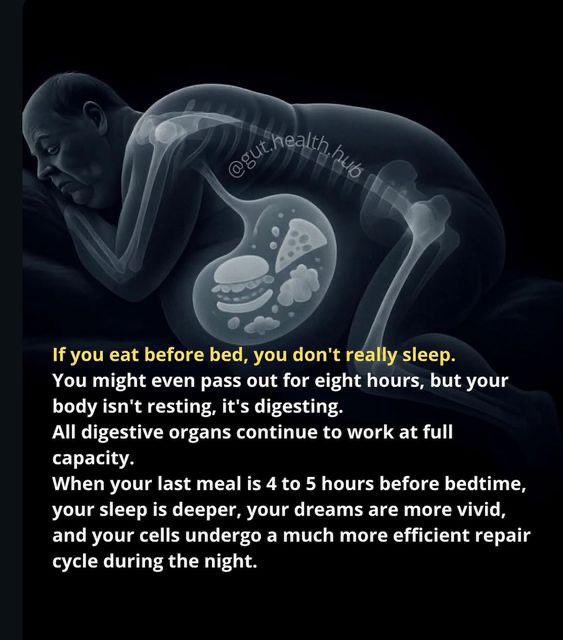
Your heart doesn’t just care WHAT you eat. It cares WHEN.
A new study shows that simply closing the kitchen 3 hours before bed can lower nighttime blood pressure and steady blood sugar without cutting a single calorie.
Timing is a metabolic lever we’re barely using but it could make a difference for your heart and metabolic health.
#MetabolicHealth
#HeartHealth
Source:
Stop eating 3 hours before bed to improve heart health. (2026, February 26). ScienceDaily.
Road traffic exposure may slightly raise cholesterol via air pollution and noise. Small changes — big public health impact. #Exposome#EXTN. Exposure to long-term air pollution and road traffic noise in relation to cholesterol: A cross-sectional study - ScienceDirect
Did you know? A strong cup of coffee before breakfast might wake you up, but it could also spike your blood sugar by 50%.
New research shows that caffeine on an empty stomach, especially after poor sleep, disrupts glucose control. Eat first, sip later.
#BloodSugarBalance
#MetabolicHealth
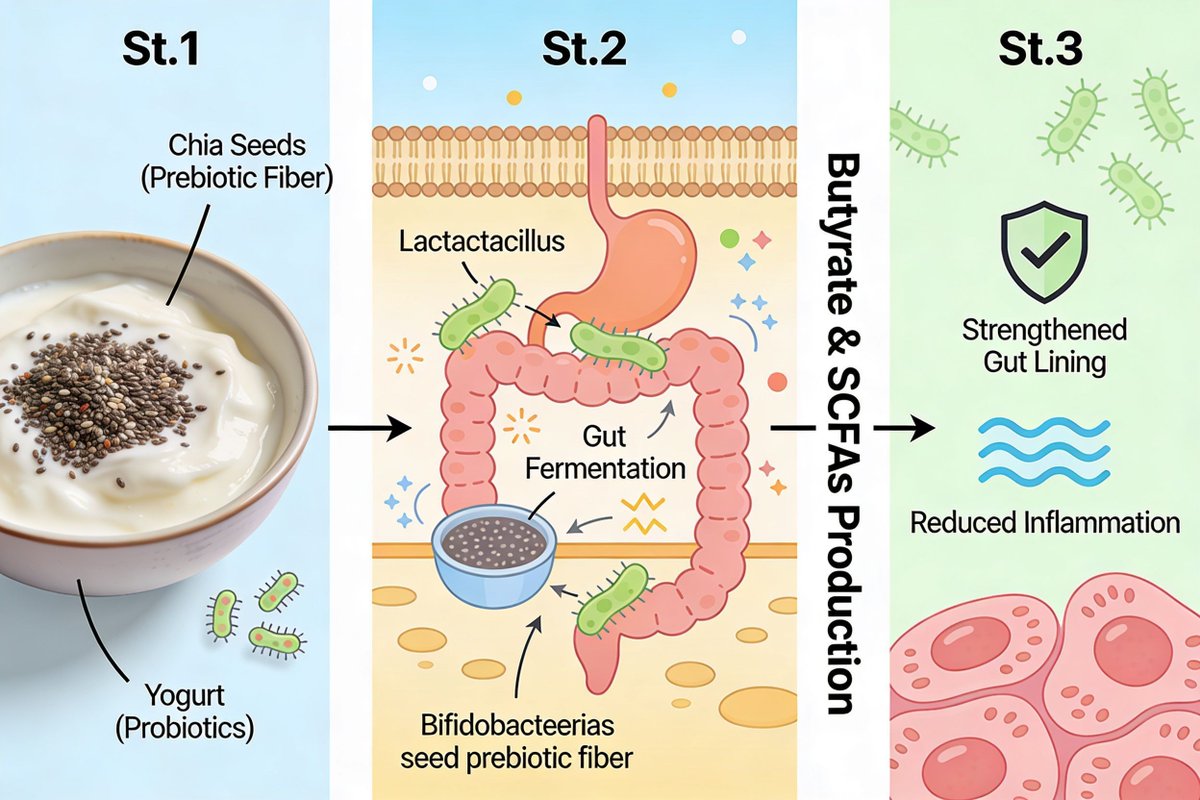
Most people toss chia seeds into water and call it a day. But when you do this, you leave major gut benefits on the table.
Pairing chia with yogurt creates a prebiotic‑probiotic synergy that boosts short‑chain fatty acids like butyrate, which help calm inflammation and strengthen the gut lining.
Asmall gut-friendly tweak that pays off with better gut health.
#GutHealth
#ChiaSeeds
Excess salt drives high blood pressure & ~5M deaths yearly. 1 in 3 people are salt-sensitive — their BP spikes more with sodium. Risk is higher in women & with age.
Cutting salt still matters. #Exposome#EXTN. Salt Sensitivity: Causes, Consequences, and Recent Advances - PubMed
Your detox system isn’t “slow.”
It just needs the right inputs.
Sulforaphane, found in broccoli, cabbage, and kale, boosts pollutant removal:
• Benzene: +61%
• Acrolein: +23%
That’s your biology working for you!
#DetoxPathways#Sulforaphane
Too much salt → hypertension → heart, stroke & kidney risk. Cut salt. #Exposome#EXTN. Silent Effects of High Salt: Risks Beyond Hypertension and Body’s Adaptation to High Salt - PMC
What if the exercise that protects you most from diabetes isn’t running at all, but lifting something heavy and slow?
Running gets all the glory, but new research suggests weightlifting may be even more powerful for preventing diabetes.
In a head‑to‑head comparison, resistance training improved insulin sensitivity and reduced harmful belly fat more than endurance exercise.
The metabolic payoff was unmistakable. Sometimes the slow, steady work is the real game‑changer.
Actionnplan: Add one short strength session to your week and notice how your energy, blood sugar, and confidence shift.
Source:
This Surprising Exercise May Be Better Than Running for Diabetes Prevention. SciTechDaily. Published February 4, 2026.
#StrengthTraining
#HealthyAging
Wild blueberries aren’t just a “superfood” headline.
Decades of research show they can boost blood vessel function, support metabolic health, and even shape a healthier gut microbiome.
Wild blueberries contain more antioxidants than cultivated ones.
So, here's an action plan. Add a cup of wild blueberries to your day this week.
You can blend them into a smoothie, add them to yogurt or oatmeal or enjoy them straight from the freezer.
#HealthyFood
#HealthyDiet