Curating captivating visuals from across the web! 📸 Sharing stunning videos and pics from diverse sources. DM for credits/removal. #VisualVoyage#EyeCandy
@AMAZlNGNATURE Snapping turtle (Chelydra serpentina) has a powerful defense mechanism, using its strong, beak-like jaws to deliver forceful bites. When threatened, it becomes highly aggressive, striking quickly. Its rugged shell & long tail provide additional protection
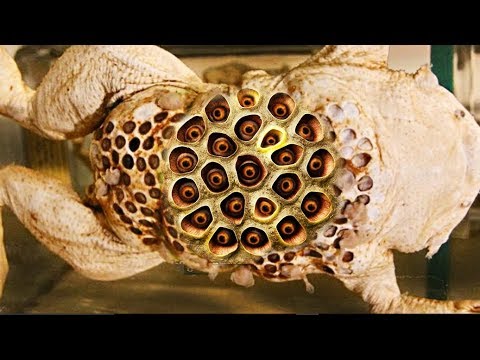
The 𝗦𝘂𝗿𝗶𝗻𝗮𝗺 𝘁𝗼𝗮𝗱 (𝗣𝗶𝗽𝗮 𝗽𝗶𝗽𝗮) is an aquatic amphibian from South America, recognized for its flat, leaf-like body and unique reproduction. After mating, the male embeds fertilized eggs onto the female’s back, where her skin forms chambers around each egg. Over weeks, the young develop in these pockets, eventually emerging as fully formed toadlets. This toad lacks a tongue or teeth and is well-camouflaged in muddy waters, where it stirs the substrate to find food. It’s a fascinating example of nature’s diversity.
@AMAZlNGNATURE A spider catching a fly showcases rapid reflexes, relying on sensory hairs and vibrations to detect prey. With split-second reactions, spiders can pounce or trap flies in webs, using a precise blend of speed and strength!
Slow motion video
Hello X family 👋
Xpand here.. Hope you are having a lovely day! 😊
I'm passionate about science and always on the hunt for fascinating facts and funny moments! From the weird to the wonderful, I share discoveries that spark curiosity and laughter. Expect a mix of cool insights and hilarious videos that make you see the world a little differently. Oh, and a big fan of #doge 😊. Join me for a journey through the curious side of life!
Thanks Karata for helping us to share it here! 🥰
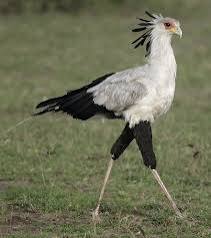
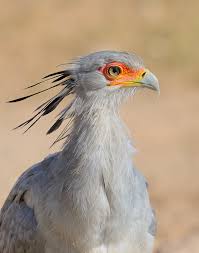
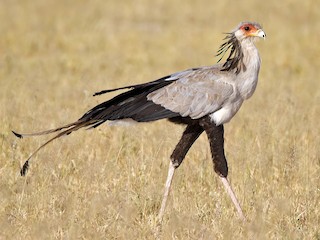
The secretary bird (Sagittarius serpentarius) is a large, long-legged raptor found mainly in sub-Saharan Africa. Known for its distinctive appearance, it has an eagle-like body with long crane-like legs and a striking crest of long black feathers that resemble quill pens behind its head—hence its name, as the crest resembles a secretary with pens tucked behind their ear.
These birds are unique hunters, known for their ability to stomp and kill snakes and other prey with powerful, swift kicks. Standing about 4 feet tall, they can cover ground quickly in search of food, primarily consisting of insects, rodents, reptiles, and small mammals.
The Northern White Rhino is critically endangered, with only two individuals left, both of which are female. To protect them, a dedicated four-man anti-poaching team guards these rhinos 24/7 at the Ol Pejeta Conservancy in Kenya. This level of protection is necessary due to the high value of rhino horns on the black market and the constant threat from poachers.
Sharks and whales beach themselves for various reasons, including illness, injury, disorientation, or environmental factors like changes in water temperature or sonar interference from human activities. In some cases, social species, like whales, may follow a sick or disoriented member of their group, leading to mass strandings.
@gunsnrosesgirl3 When a hornet threatens a honey bee hive, bees use "balling" as a defense. They swarm the hornet in a ball and vibrate their flight muscles, generating heat. The intense heat from this friction can rise high enough to kill the hornet.
Cape sundew (Drosera capensis) is a fascinating carnivorous plant native to South Africa. It's known for its distinctive leaves covered in sticky glandular tentacles that trap and digest insects. It is known for its efficient insect-catching abilities.
In The Four Troublesome Heads (1898), Georges Méliès used groundbreaking techniques like substitution splicing, which involved stopping the camera to "remove" or "replace" his head, and multiple exposure, where he layered images to appear with multiple heads. His in-camera editing ensured seamless transitions, and his background in stage magic helped with the precise timing and choreography, creating illusions that captivated early audiences and paved the way for modern special effects.