Lost in Translation: The “Kwana Biu” Effect
Ever noticed how some expressions just hit different in your mother tongue? 🤔
On this snippet of The Forge Cast, we’re diving into the Hausa phrase “Kwana biu” which literally translates to “two days,” but carries the heavy weight of “It’s been a minute since I last saw you!”
Fela Kuti wasn’t wrong when he hinted that English sometimes lacks the depth to fully carry our experiences.
What’s your favorite local phrase that completely loses its soul when translated to English?
Drop it below! 👇🏾
Generations of radiance, rooted in African history. 🤎
Our ancestors didn’t just practice skincare; they pioneered it.
From ancient Egyptian dry brushing to the nourishing magic of Kalahari Melon and Baobab oils, the continent has always held the ultimate keys to glowing, resilient skin.
Swipe left to explore the ingredients that have stood the test of time.
Which one is your absolute holy grail?
#skintreatment #skincarenatural #relatable #africanbody
Generations of radiance, rooted in African history. 🤎
Our ancestors didn’t just practice skincare; they pioneered it.
From ancient Egyptian dry brushing to the nourishing magic of Kalahari Melon and Baobab oils, the continent has always held the ultimate keys to glowing, resilient skin.
Swipe left to explore the ingredients that have stood the test of time.
Which one is your absolute holy grail?
#skintreatment #skincarenatural #relatable #africanbody
Generations of radiance, rooted in African history. 🤎
Our ancestors didn’t just practice skincare; they pioneered it.
From ancient Egyptian dry brushing to the nourishing magic of Kalahari Melon and Baobab oils, the continent has always held the ultimate keys to glowing, resilient skin.
Swipe left to explore the ingredients that have stood the test of time.
Which one is your absolute holy grail?
#skintreatment #skincarenatural #relatable #africanbody
Did the concept of “mental health” exist in traditional African societies, or was it always viewed through a spiritual lens? 🤔
we dive into how our ancestors processed trauma, wellness, and the daily grind. Was a day off from the farm ever just about needing a mental break, or was there always a deeper, spiritual explanation attached?
Let’s talk in the comments: How do you think our modern understanding of mental health clashes with or honors our traditional history?
🎙️ New Episode out now on YouTube! Link below
https://t.co/AIx0m0Kc1L
Watch | Subscribe | Share
#forgecast #podcast #mentalhealth #relatable
If it’s not clinical, then it’s spiritual.”
Why does mental health in Africa often carry a heavy layer of secrecy and stigma until it’s “too late”? In our latest episode of The Forge Cast, we explore how our societies view the mind, the cultural pressures of keeping things within the family, and what it truly means to win the war inside your head.
The full episode is live on YouTube. Hit the link in our bio to watch, subscribe, and share your perspective! 🔗
#theforgecast #mentalhealth #africannarratives #breakthestigmaofmentalillness #mindsetmatter
“Okun is not a dialect. Okun is a language.”
Spoken across different groups like the Owe, Jumu, Yagba, Bunu, and Oworo, Okun is a Yoruboid language that represents a deeply interwoven culture, history, and identity.
From their traditional leadership structures under the Obaro of Kabba to their shared celebrations, the Okun people are bound by a unique heritage. And when there is a reason to celebrate? You’ll hear the undeniable cry of joy: “Aulelelelele!” 🎉
Catch the full conversation exploring the roots, culture, and stories of the Okun people on the latest episode of The Forgecast.
📺 Watch, Subscribe, and Share now on YouTube! 👉 @forgecastafrica
#forgecast #okunoso #kogi #podcast #culture
History isn’t just recorded in books; sometimes, it’s carved directly into the tools of everyday life.
In Ancient Ghana, math, business, and astronomy collided in a deceptively simple design. Traders and elders utilized structural boards much like the Mancala systems we know today as tangible record-keeping books.
The Ledger: One side tracked revenue and wealth, while the opposing side calculated goods sold.
The Calendar: With six distinct pockets carved on either side, the twelve total slots functioned as a cyclical roadmap tracking the twelve months of the year and changing seasons.
True cultural innovation balances functional necessity with artistic identity.
Want to dive deeper into Africa’s legendary history?
📺 Catch the full conversation on the new episode of The Forge Cast now streaming on YouTube!
👉 Watch | Subscribe | Share: @forgecastafrica
#forgecast #podcast #explore #ghana
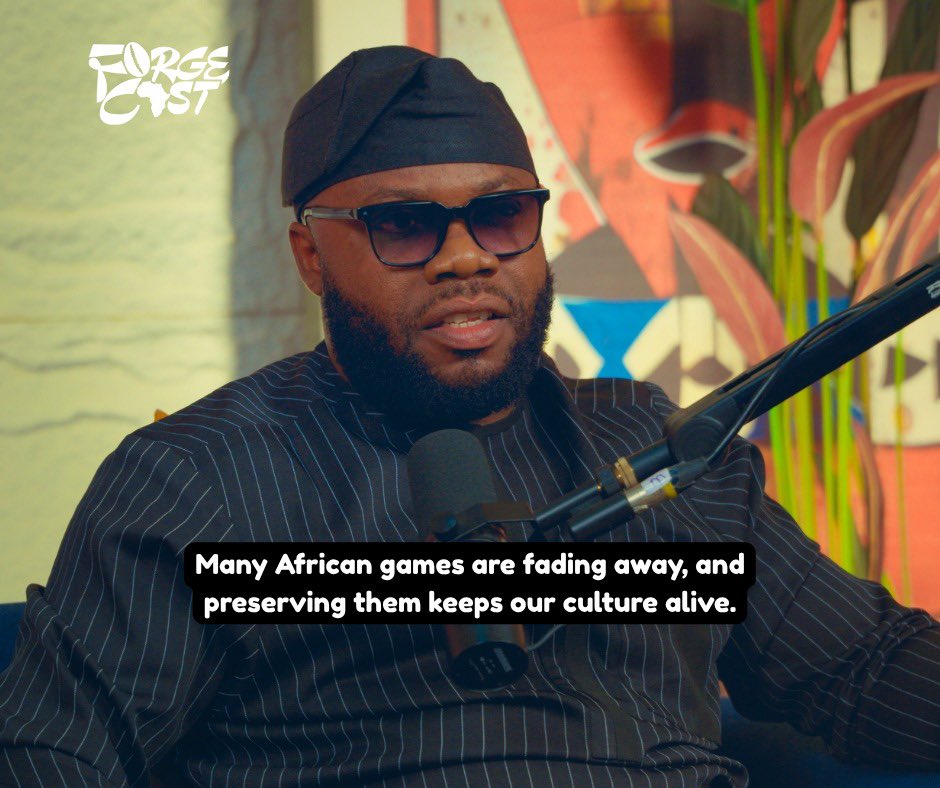
More than just a pastime our traditional games are living archives of who we are. 🌍✨
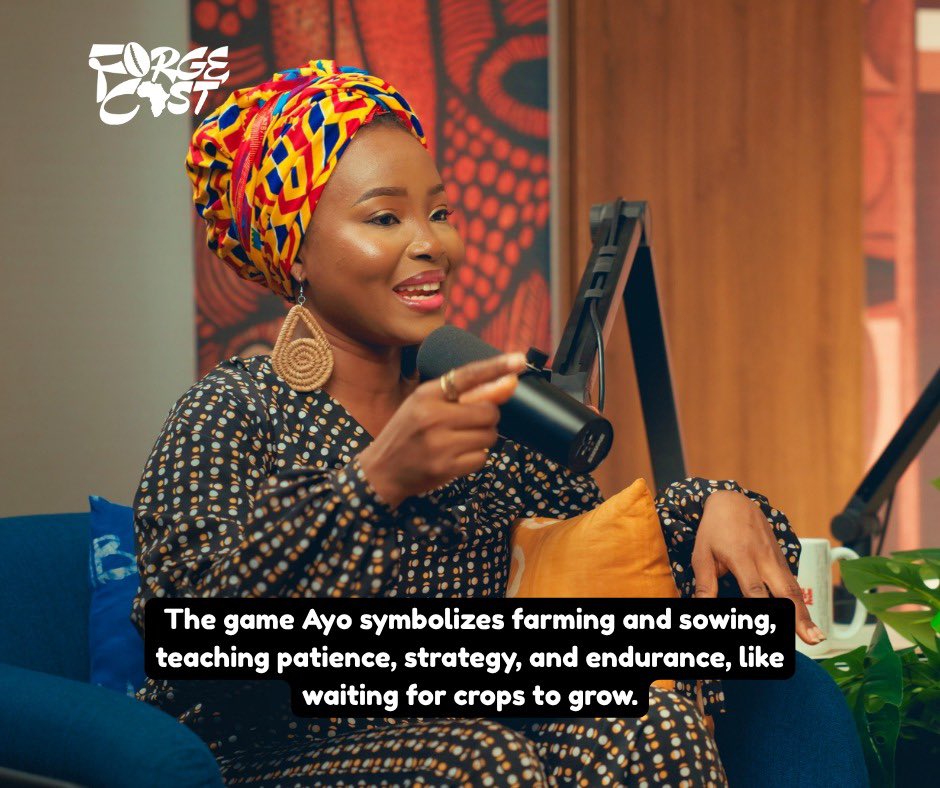
As discussed in image.png, many of our African games are fading away, and protecting them means preserving our shared identity. Take Ayo Olopon, for example
it isn’t just about winning a round; it’s a masterclass in patience, strategy, and endurance, mirroring the rhythm of farming and sowing. 🌾♟️
When we lose these games, we lose the lessons passed down through generations.
What traditional game did you grow up playing? Let’s bring them back to the spotlight in the comments! 👇