Como las instituciones ambientales nacionales van a dejar morir a casi 200 cocodrilos del Orinoco, ¿Qué tal si entre los ciudadanos hacemos una Vaki? ¿Alguien sabe cuánto cuesta resolver la urgencia? Y seguro se podrá buscar el mecanismo jurídico para que la donación pueda salvarles la vida ante la negligencia estatal. Si nadie les da comida se van a morir todos. ¿Qué opinan?
🌎 América Latina y el Caribe se prepara ante un posible intenso #ElNiño.
@FAOAmericas, @FIDA_LAC y @WFP convocan a una mesa redonda sobre acción anticipatoria y resiliencia.
📅 14 de mayo
🕒 10:30 Chile 🇨🇱 - 09:30 Panamá 🇵🇦
Únete 🔴📲 https://t.co/WcX1R1OpLi
Applications are now open for the @UNFCCC CAPACITY Fellowship Programme 2026, designed for mid-career professionals and offering a fully funded opportunity in Bonn, Germany 🇩🇪, including a monthly stipend of €4,500. Learn more and apply via https://t.co/gpSdVEB6Mg
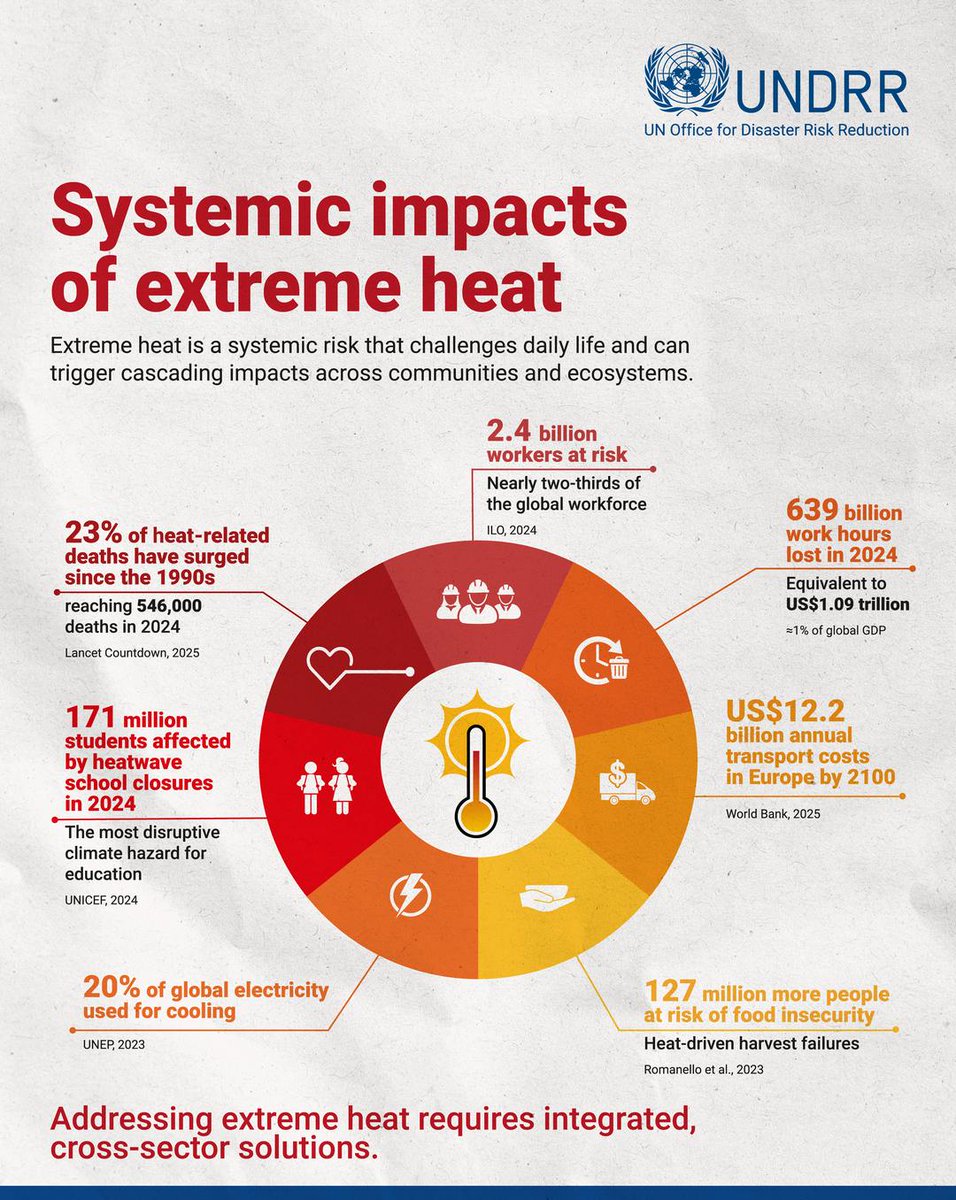
Extreme heat travels through systems — through food supply, labour markets, power grids, classrooms.
The Extreme Heat Portal brings together data, evidence, & practical tools to support an understanding of extreme heat as a systemic risk ➡️ https://t.co/gbFspocilu #BeatTheHeat
Igualar las oportunidades es una de las tareas más difíciles para cualquier sociedad. En Colombia, puede parecer casi un milagro. Se repite con frecuencia que se necesitan once generaciones, y mucha suerte, para salir de la pobreza
🔗 https://t.co/vOCMcGHw1j
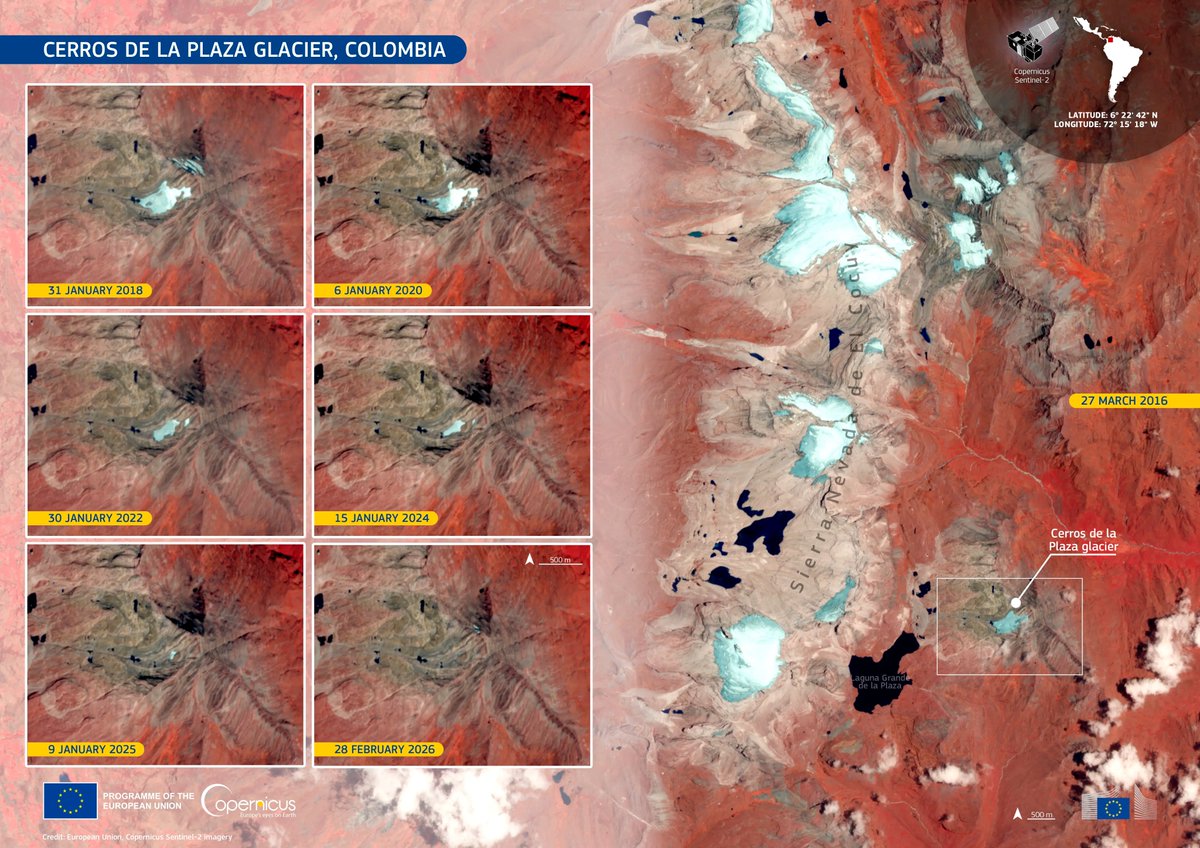
We will never see this glacier again.
@IDEAMColombia has confirmed the extinction of the Cerros de la Plaza glacier in the Andes. Rising temperatures, reduced snowfall, and its relatively low altitude contributed to the acceleration of its retreat.
https://t.co/YCT0qAbe12
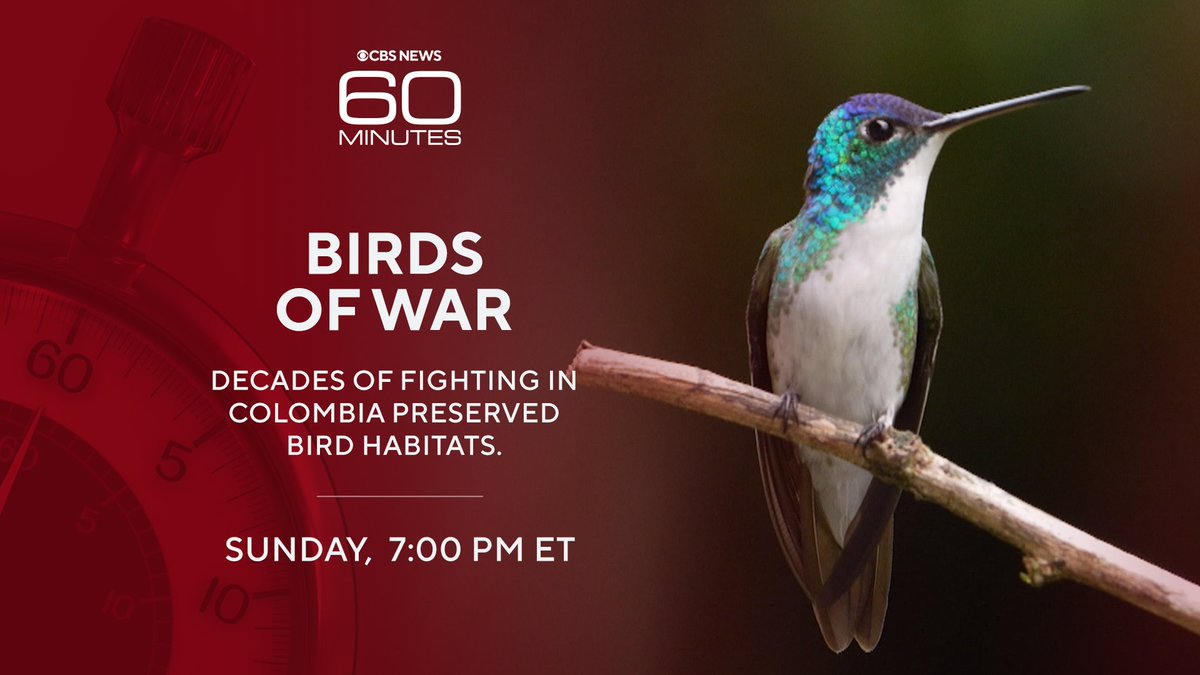
Once in a while, 60 Minutes travels so far off the beaten track that there’s hardly a track at all. That was the case when @AndersonCooper went to the mountains of western Colombia in search of birds you can find nowhere else on Earth. Sunday.
Un investigador recorre Colombia para documentar 200 tipos de arepas y preservar su diversidad
Las cientos de variedades reflejan al país en su historia y en su diversidad de territorios, tradiciones y formas de vida https://t.co/8WrJ1RJZLX
Colombia is home to about 2,000 bird species, more than anywhere else on Earth. Decades of conflict kept people out of many areas, preserving the birds’ habitat. Now birders are flocking in. @AndersonCooper reports, Sunday. https://t.co/mEN4CWeXMW
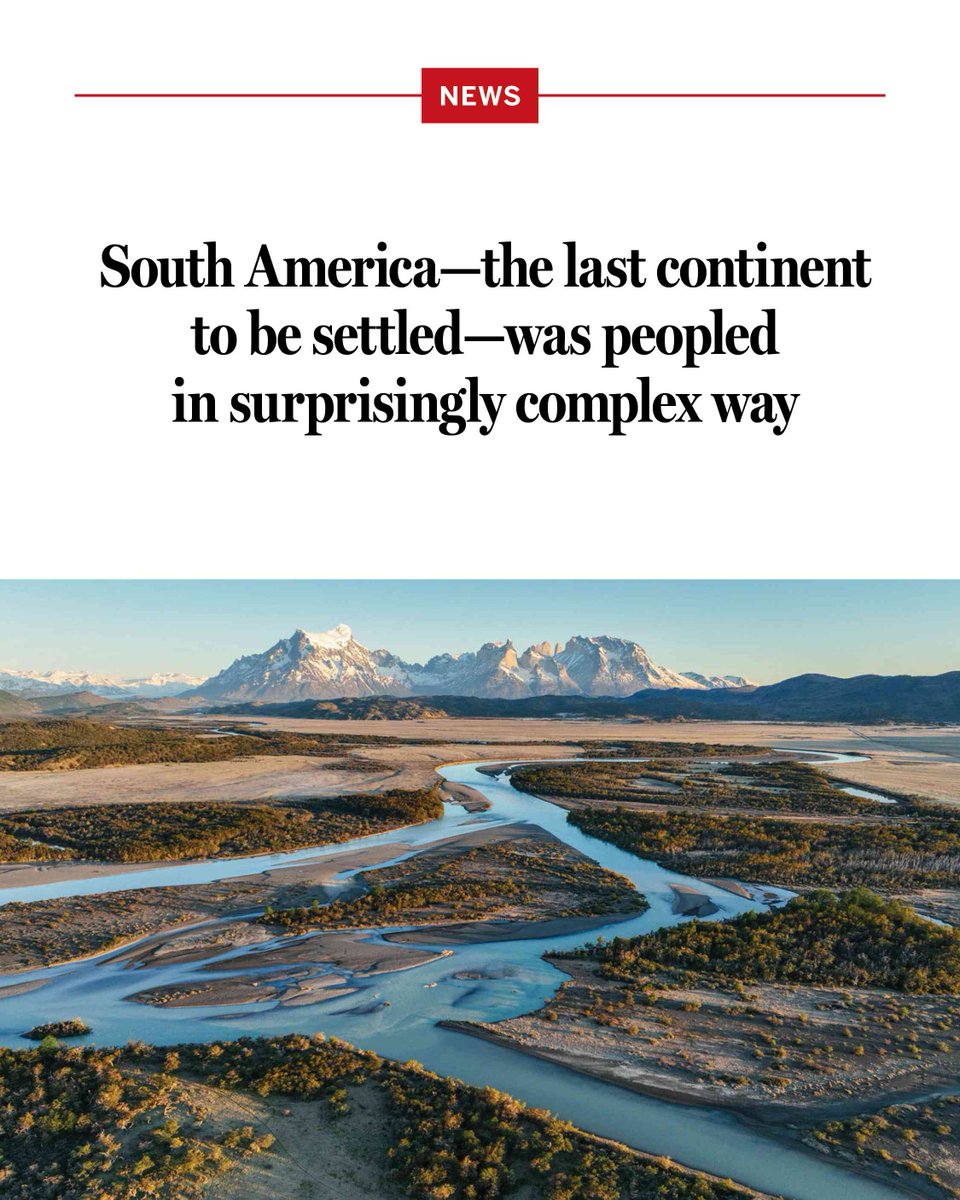
South America was the last continent to be settled, and many scientists once assumed it was a rather straightforward affair.
Ancient people descending from a mostly homogenous population were thought to have expanded into the continent about 15,000 years ago—relatively recently in the span of human history—learned to live in diverse environments including the deep jungle and windswept altiplano, and then more or less stayed put.
But a new study reveals these migrations were anything but simple. Learn more: https://t.co/pI9jWf2ey7