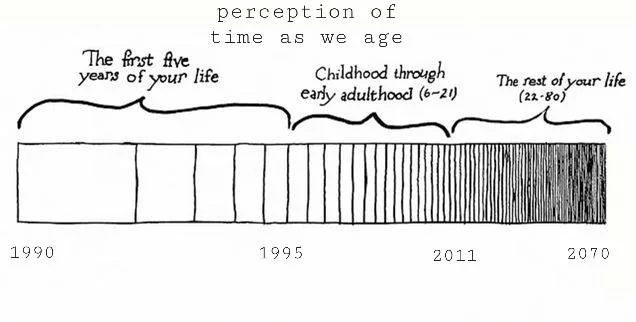
When you’re 5 years old, a year is 20% of your life. And when you’re 50 years old, a year is 2% of your life. This is an explanation given why time speeds up as you age. It's called Janet's law. It states you’ve experienced roughly half of your perceived by life by 20 years old. Or to put it another way: A summer holiday for a 5 year old feels as long as the 10 years from 40 to 50 years old.
But Janet's law can be broken with high agency.
You have agency over the speed time. You're not a passive victim. A better explanation of why time speeds up as you age is because you have fewer new experiences as an adult, so your brain deletes the memories. If you take agency over your life, do new things and create memory dividends, time slows down.
If you live your life on autopilot, you may die at 80, but feel like you died at 20 years old.
If you take agency over your life, you may diet at 80, but feel like you died at 200 years old.
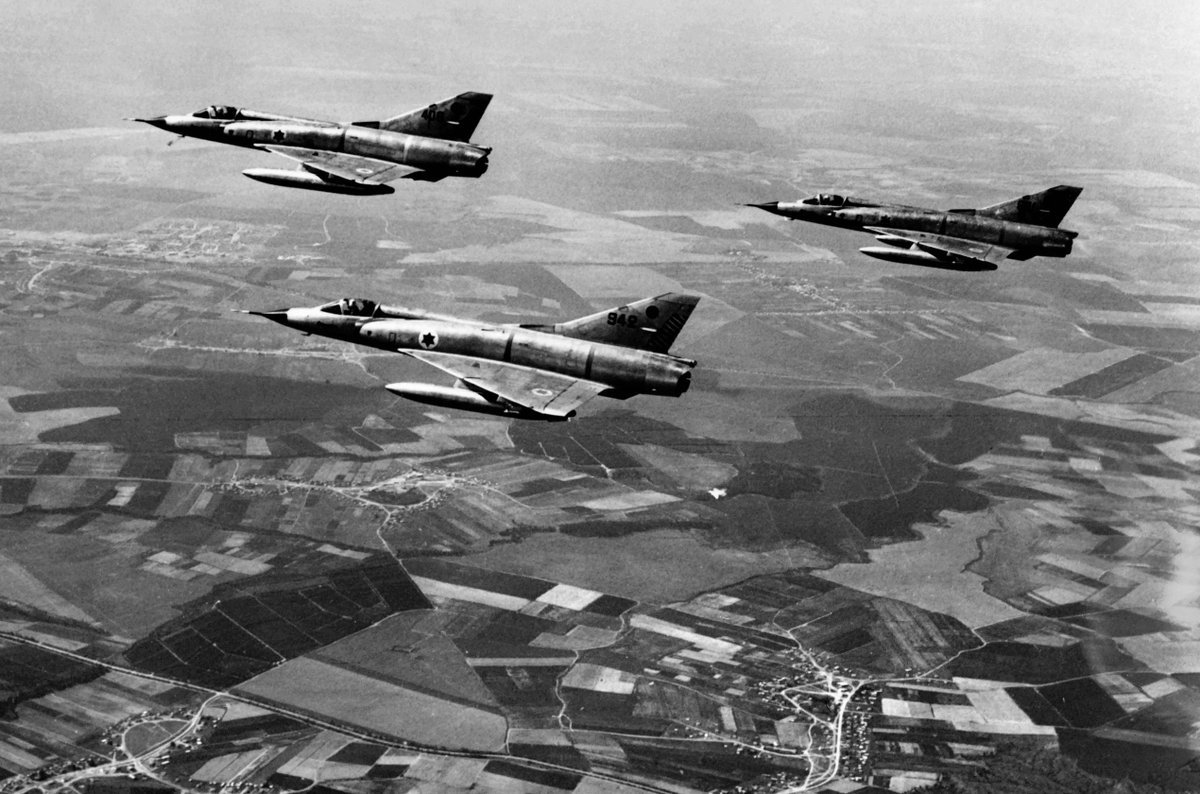
Marzo de 1971. Los aviones del Chel Ha'avir, la Fuerza aérea de Israel, despegan para interceptar un contacto radar desconocido. El contacto acelera hasta mach 3.2 y asciende hasta los 63000 pies. Los aviones israelíes ni se le acercan. Notifican de esto a EEUU.
The next 72 hours are critical for the world.
If the United States succeeds in imposing control over Venezuela, and by extension over the world’s largest proven oil reserves, it will mark a major shift in global power.
Such a move would not be about restoring democracy or protecting human rights, but about reasserting strategic dominance over energy, trade routes, and regional alignments.
In that case, Iran would likely move to the forefront of Washington’s strategic priorities.
Securing control over Venezuelan oil would reduce U.S. vulnerability to energy disruptions in the Gulf and provide a buffer against supply shocks in the event of a confrontation with Iran.
With a reliable alternative source of heavy crude under its influence, Washington would be better positioned to absorb or offset the destruction or shutdown of energy infrastructure in the Persian Gulf during a war.
This would lower the economic cost of escalation and make military pressure against Iran more politically and economically manageable.
At the same time, such control would strengthen the United States’ ability to shape global oil flows and pricing, reinforcing the central role of the dollar in energy markets and helping preserve the petrodollar system that underpins U.S. financial power.
Venezuela would thus become more than a regional issue.
It would become a strategic precedent, a demonstration that economic pressure, political engineering, and, if necessary, force can be used to restructure sovereign states and realign the global balance of power.
However, if the United States becomes entangled in Venezuela and faces sustained resistance, the outcome shifts dramatically.
A prolonged crisis would drain political capital, stretch military and economic resources, and weaken Washington’s capacity to project power elsewhere, including in the Middle East.
That would also complicate Israeli strategic planning, which is closely tied to U.S. regional leverage.
What happens in Venezuela will not stay in Latin America.
It will shape the future of energy control, the limits of American power, and the direction of geopolitical confrontation far beyond Caracas.
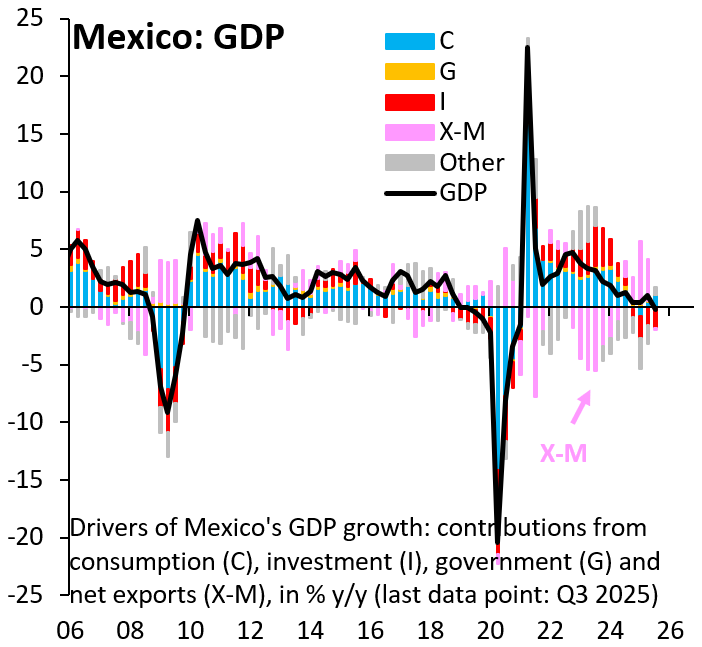
Mexico is a puzzle. Exports to the US are better than ever, but the country is back to the same kind of growth stagnation that defined the 5 years pre-COVID. Reason is weak private consumption, so the benefits from trade aren't reaching enough people...
https://t.co/1aWhAB6xJL
🔴 ¡EN VIVO AHORA!
🇲🇽 Hoy en #LaBaseAmLat analizamos la nueva Ley de Aguas abre un choque clave: derechos vs. negocios. ¿Quién controla el agua en México? Los “millonarios del agua” al descubierto.
Con la participación de Étienne von Bertrab,
📺 https://t.co/UJyR6pdt6i
"EL AGUA SUBTERRÁNEA... SÍ SE ESTÁ ACABANDO (FRENAR EL COLAPSO QUE VIENE)."
Un artículo editorial de la colaboración CICM-El Universal, desarrollado por KAMEL ATHIÉ FLORES, miembro del Comité del Agua del Colegio de Ingenieros Civiles de México: https://t.co/e9bnq5o0R3
‼️El CEO @pbarbieri como nunca lo viste: modo profesor de historia y analista internacional.
🇦🇷 Impecable análisis y un lujo tener emprendedores de este nivel en nuestro país.
Vale la pena escuchar cada segundo.
➡️ Nueva Guerra Fría: EE.UU vs China
Hilo (1/3) ⬇️
Trump amenaza y humilla públicamente a Zelenski en el Despacho Oval de la Casa Blanca
El presidente de Estados Unidos, Donald Trump, ha abroncado a su homólogo ucraniano, Volodímir Zelenski, en una reunión junto al vicepresidente J.D. Vance.
Trump ha acusado a Zelenski de estar jugando con la tercera guerra mundial, en una discusión que ha subido inesperadamente de tono, tras una provocación del vicepresidente estadounidense a Zelenski.
Zelenski y Trump se han interrumpido continuamente y, levantando la voz, Trump ha amenazado al presidente ucraniano advirtiéndole que no está en una buena posición y que debería estar agradecido.
"O pactas, o nos vamos", ha amenazado Trump.
Zelenski abandonó la Casa Blanca tras el altercado y sin firmar el acuerdo por el que Ucrania iba a ceder a EE. UU. el 50% de los ingresos que obtuviera de la explotación de minerales, crudo y gas natural.
El pacto también incluía una declaración de Estados Unidos en favor de Ucrania, pero no concretaba cómo se materializará el apoyo militar que exigía Kiev a cambio./cc
Elon Musk on DOGE’s mission: "I call myself humble tech support because we’re fixing broken government systems—outdated, inefficient, full of errors.
The U.S. runs $2T deficits, and interest on the debt now exceeds defense spending. If we don’t act, America goes bankrupt.
But I’m confident we can cut $1T in waste—that’s 15% of the $7T budget.
Lightspark CEO @davidmarcus sat down with @brianmosoff from @BlackRock to discuss what’s possible with @Lightspark and why it's time to move beyond the 1970s payment technology still in use today. Watch the full interview here: https://t.co/622em5dfMF
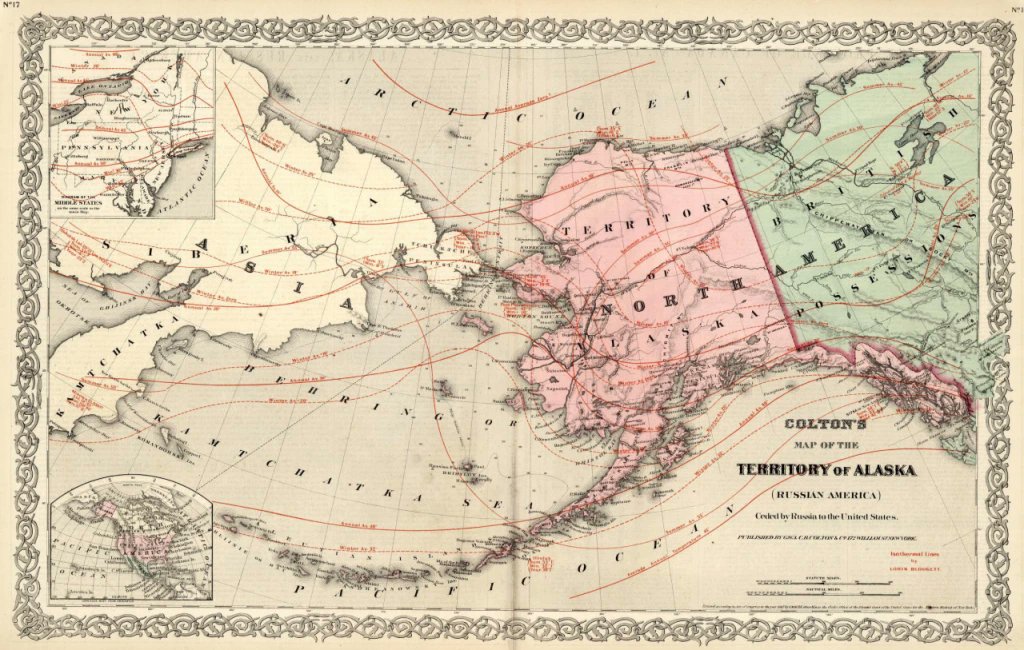
El 30 de marzo de 1867 Rusia vendía Alaska a Estados Unidos por unos 100.000.000 $ actuales. El zar Alejandro II consideró la operación un éxito, pero en Estados Unidos se burlaban de la que sería la compra más exitosa de todos los tiempos. Tira del hilo 🧵👇🏽👇🏽👇🏽
CLAVES | China piensa su futuro económico.
7 claves para entender el XX Comité Central del Partido Comunista chino, que comienza este lunes.
https://t.co/CvgGuP3RdZ