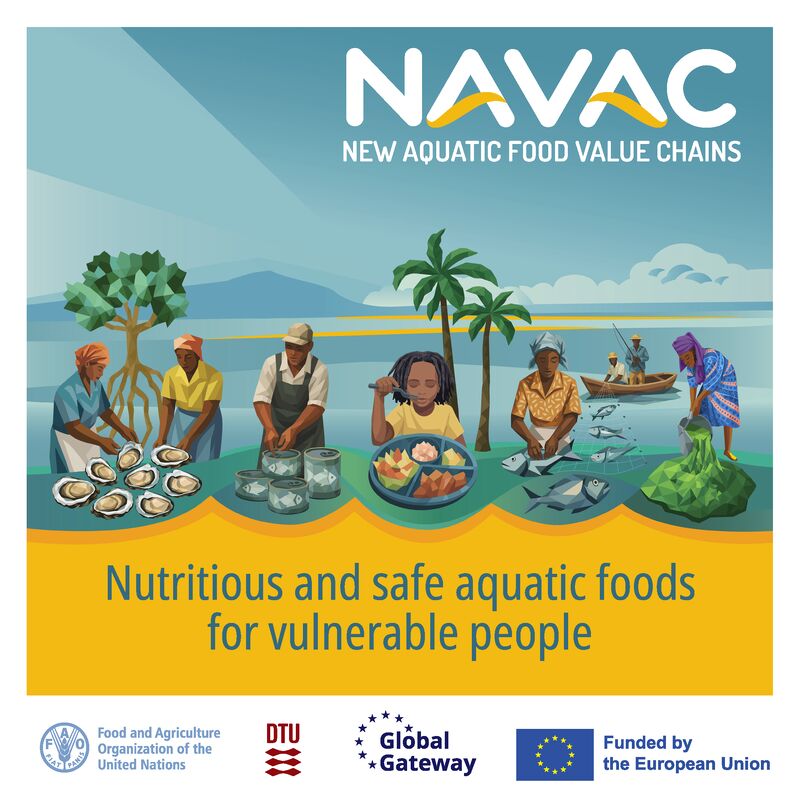
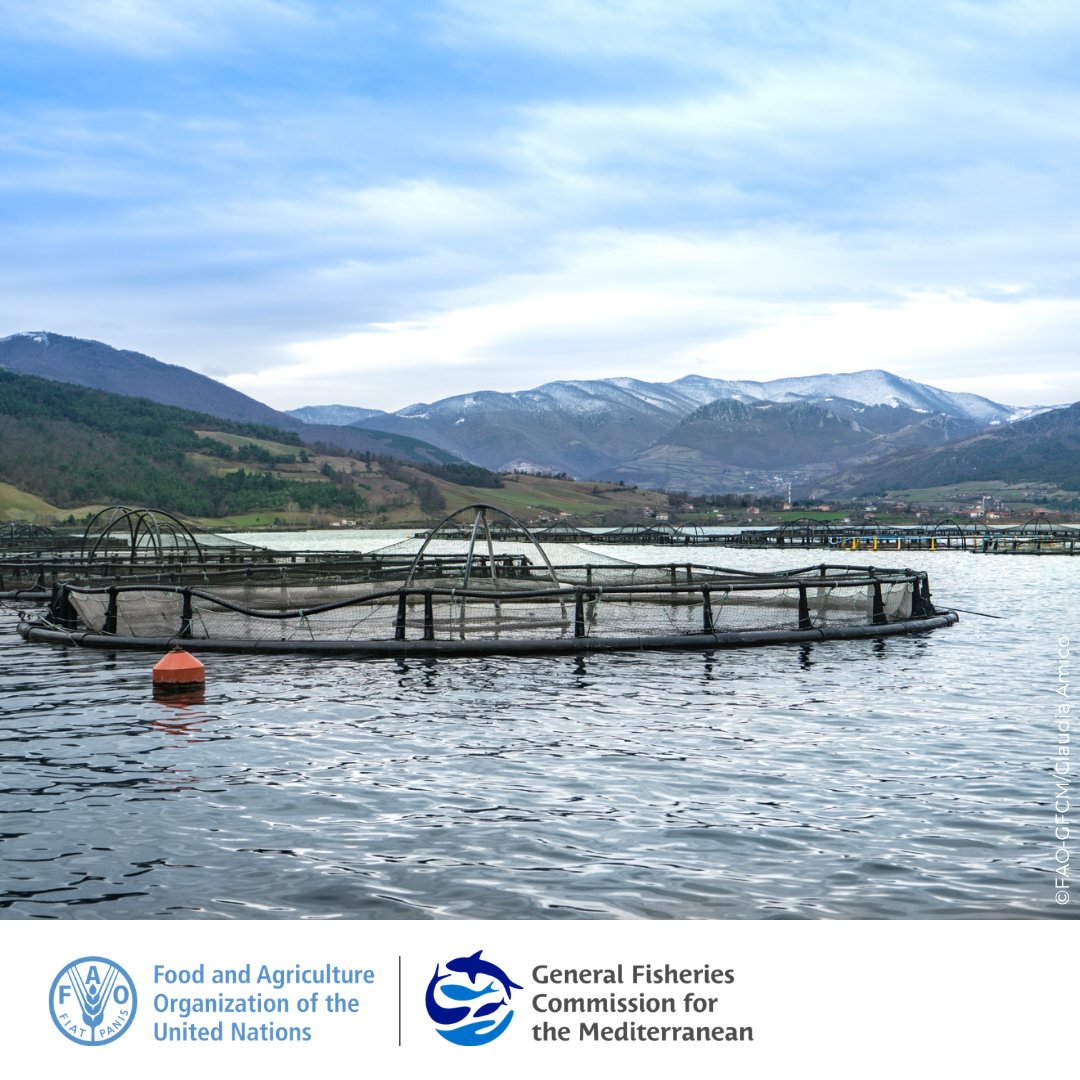
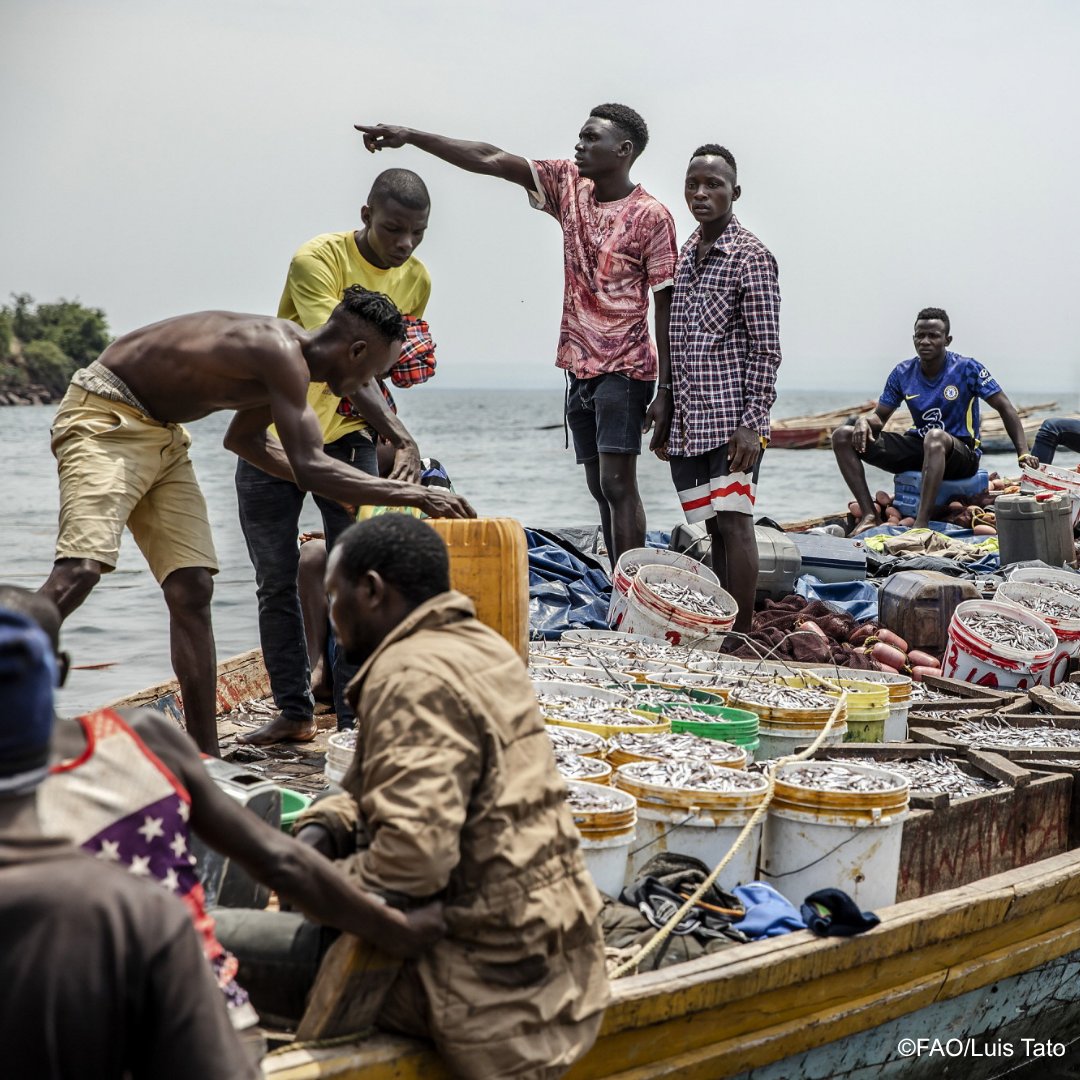
From oysters to tuna & freshwater fish, #NAVAC is boosting aquatic value chains across Africa & Latin America, improving access to nutritious food for vulnerable communities.
A strong example of @EU_Partnerships#GlobalGateway in action 👉 https://t.co/eX9svWKYJM
#EuropeDay 🇪🇺
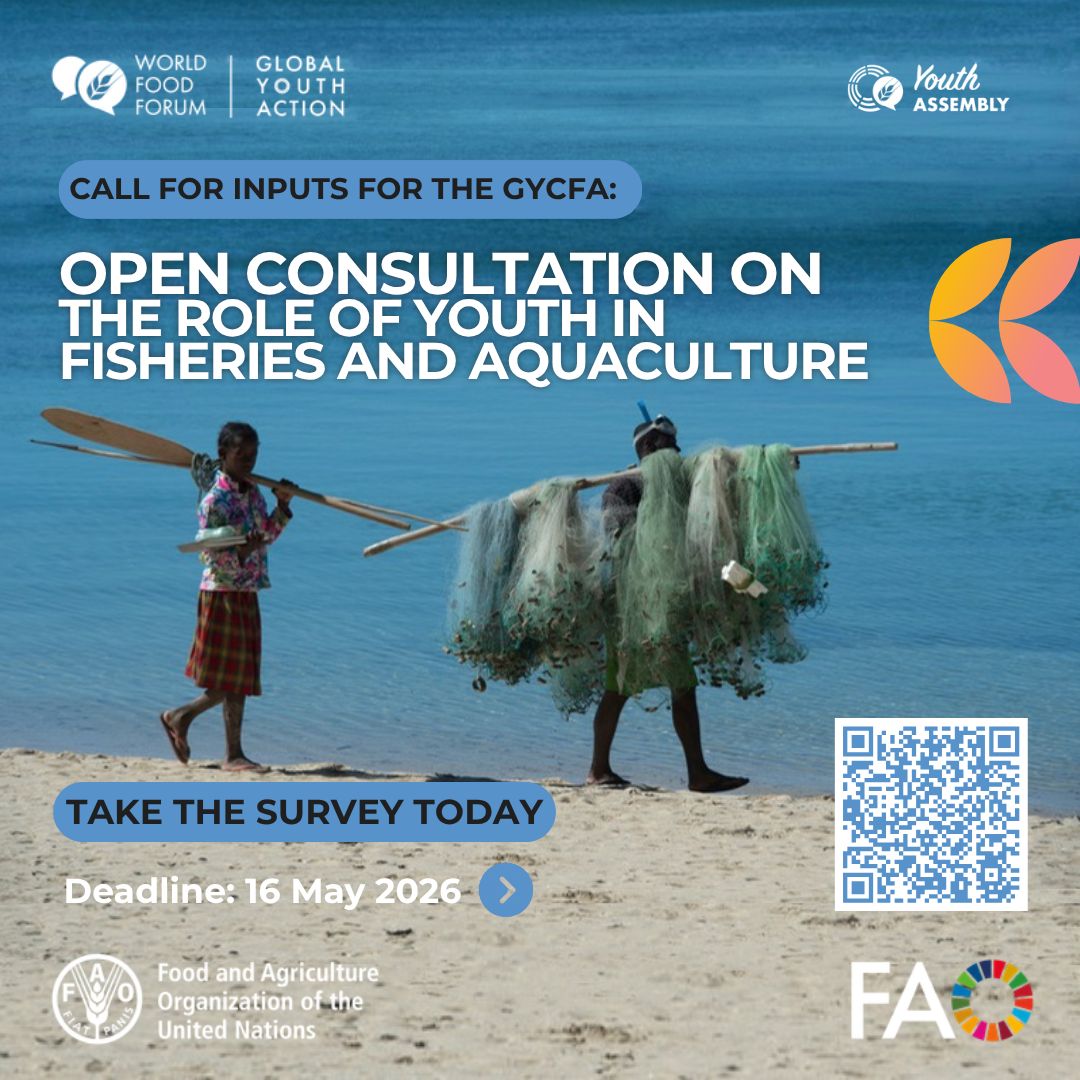
📢 Young people in fisheries & aquaculture, have your say!
The Global Youth Constituency (GYCFA) is launching a survey to shape @FAO’s #BlueTransformation
🗓️ Deadline: 16 May
🔗 https://t.co/LnvSPjSrAe
Help drive more sustainable, inclusive aquatic food systems.
#WFF
🦠 | Not your typical foodborne disease😱GBS ST283 from raw/undercooked freshwater fish skips gut symptoms and can cause severe infections.
👉@FAO calls for better surveillance, genome sequencing & #OneHealth approach.
➕ℹ️➡️https://t.co/v9mLvjg95B
#FoodSafety
Up to 70% of a fish can become waste during processing, but it doesn’t have to.
Turn fish by-products into feed or fertilizer through simple fermentation.
The @FAO fish silage manual shows how to cut waste & create low-cost, local alternatives 👉 https://t.co/aAhn2XW03M
#SEG26
In Zambia’s Lake Tanganyika, women are the majority of fish processors/traders yet earn USD 200/year.
Learn how @FAO's #FISH4ACP tackles root causes of gender-based violence & supports more inclusive fisheries 👉 https://t.co/45FTyRrljF
@EU_Partnerships@BMZ_Bund@PressACP
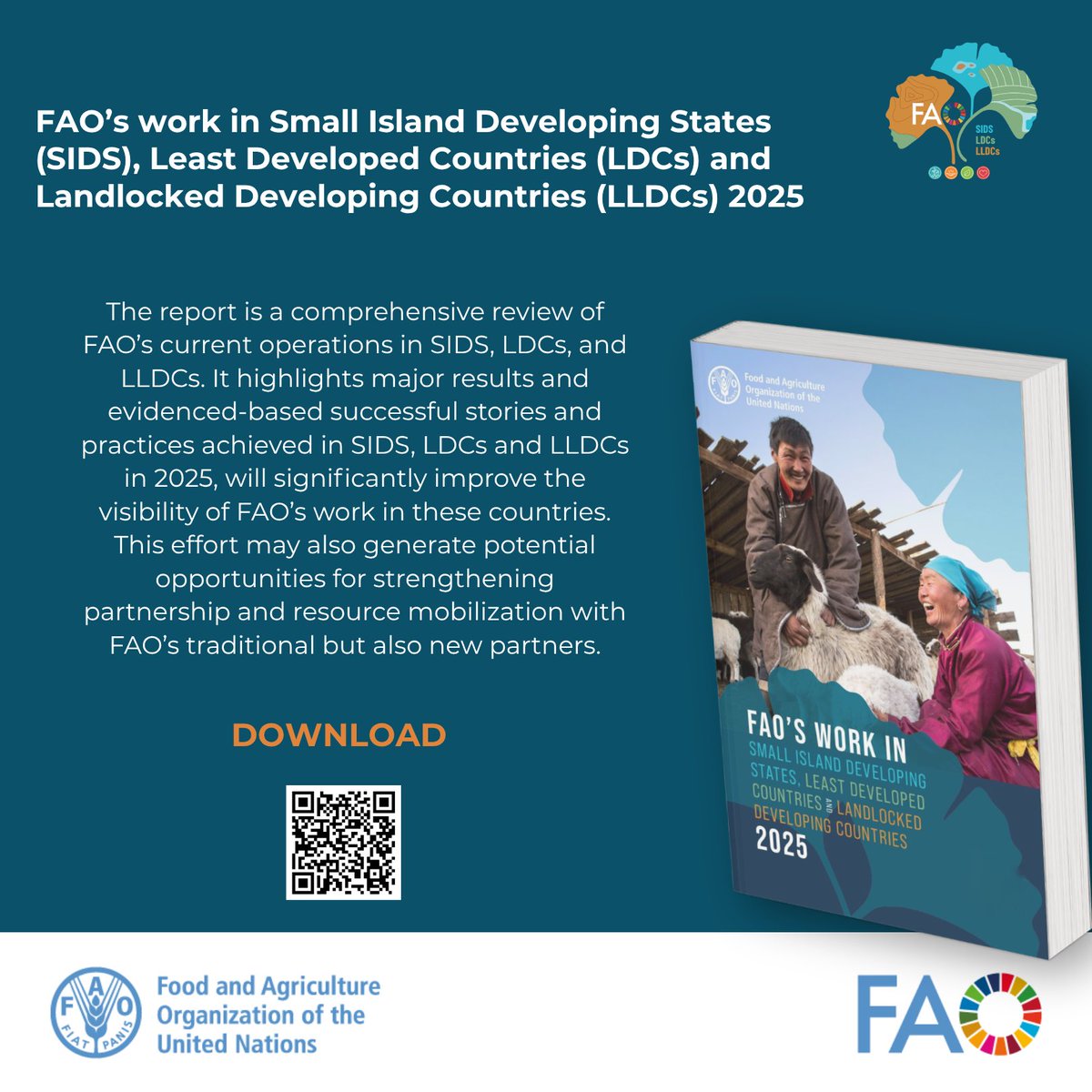
Fisheries & aquaculture are key to transforming agri-food systems in #SIDS, #LDCs & #LLDCs.
As highlighted in this @FAO report, integrated approaches, from ecosystem-based management to infrastructure & digital tools, are supporting resilience where it’s needed most.
We’ve moved from fragmented support to structured, programmatic action for #SIDS, #LDCs & #LLDCs, aligning efforts around shared priorities, common frameworks, and scalable solutions.
This is how we drive real, sustainable change and build resilience @FAO
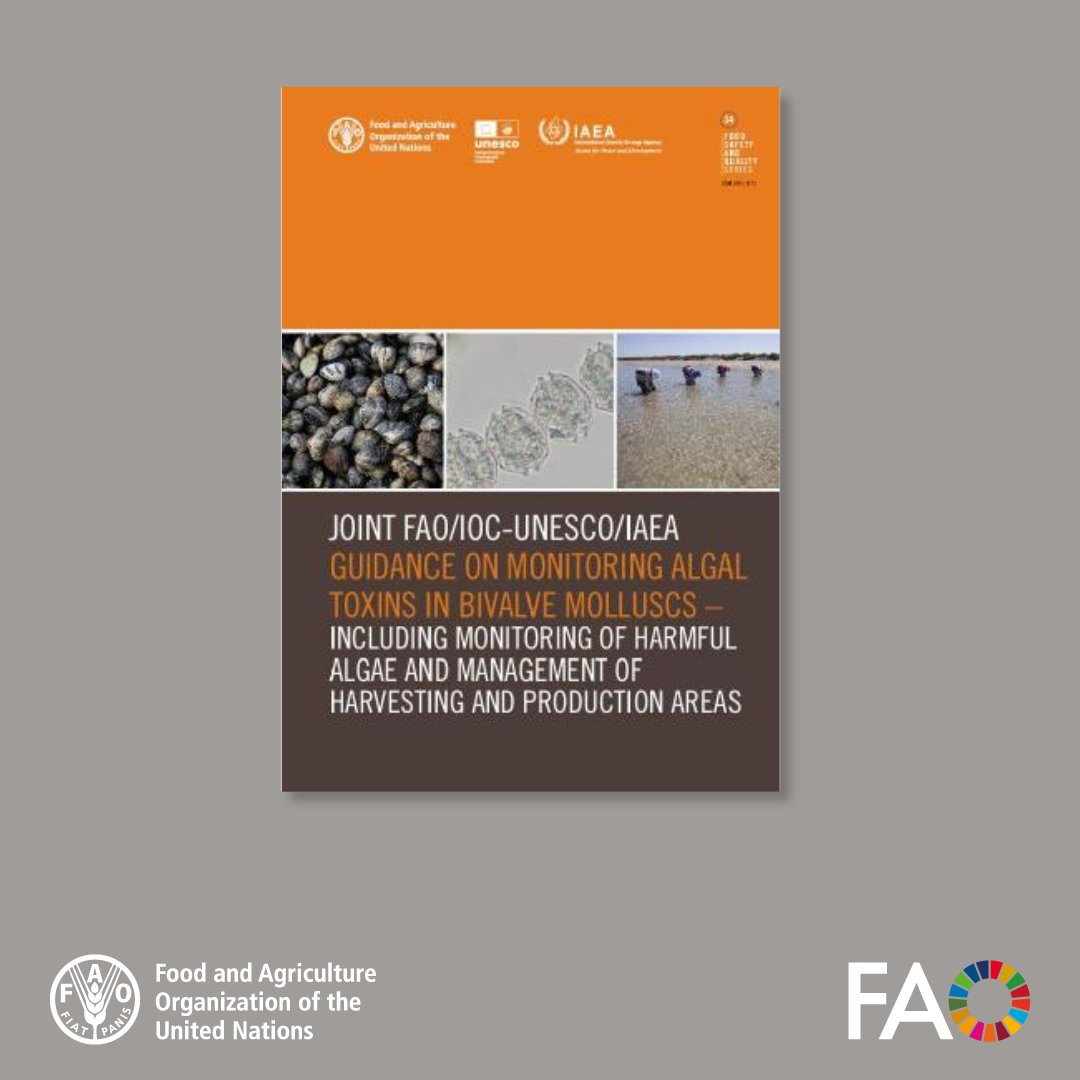
Harmful algal blooms can contaminate seafood and threaten human health. Monitoring is essential to protect consumers and support safe aquaculture.
New joint guidance from @FAO, @IAEAorg and @IocUnesco 👉 https://t.co/a6sIarQ44j
📢#JobOpportunity for a Senior Fishery Officer (Aquaculture) to lead & coordinate the work of our Aquaculture Team & Technical Advisory Groups
💼Grade: P-5
📍Location: Rome, Italy
🗓️Deadline: 24 April 2026
👉Apply here: https://t.co/grDxflq5Cp
#Aquaculture4Sustainability
Aquatic foods, from finfish to crustaceans & molluscs, support nutrition & food security, where they are part of local diets.
Packed with protein & omega-3s, they improve birth outcomes, cognitive development & reduce CVD risk.
#WorldHealthDay
The #BBNJ Agreement doesn’t regulate fisheries, but fisheries are key to making it work.
From area-based management to EIAs, capacity building & marine genetic resources, fisheries data & expertise are essential.
@FAO guidance explores these links 👉 https://t.co/vcZnKOf02c
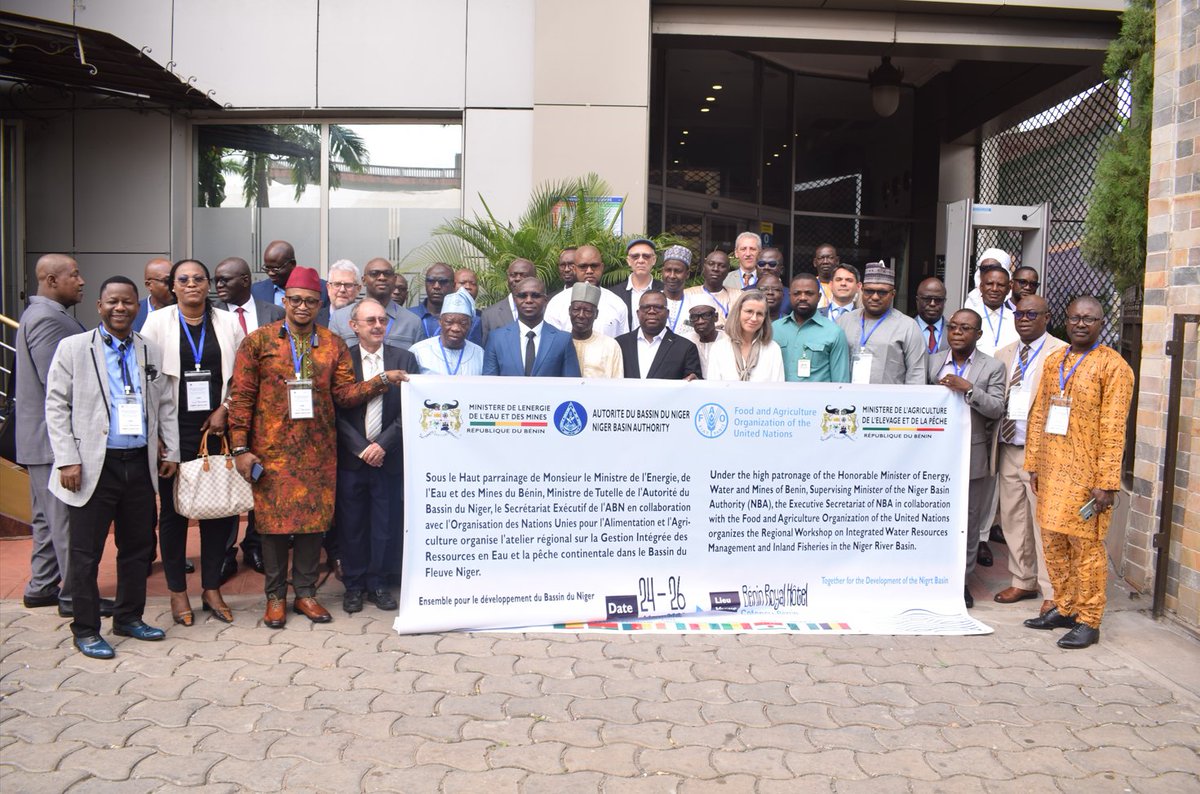
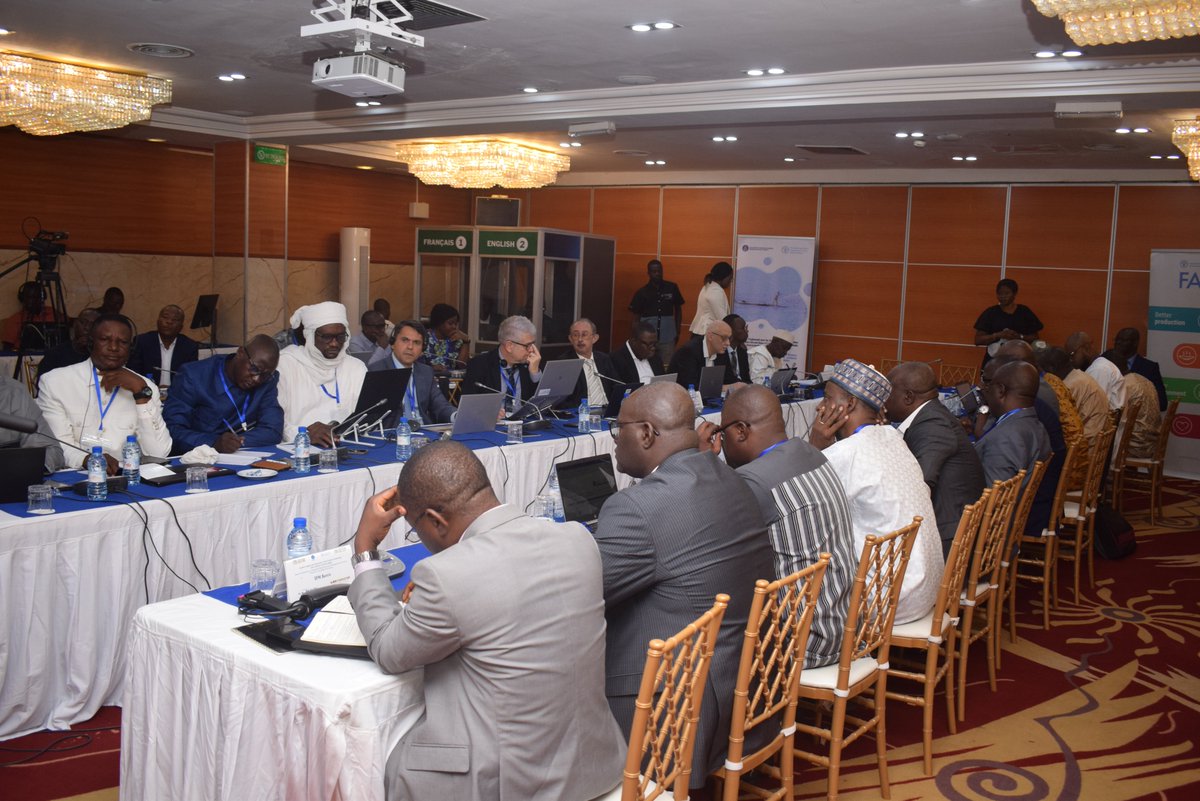
Plusieurs pays et institutions ont participé à cet atelier afin d’identifier des projets pilotes transfrontaliers viables pour préserver les moyens de subsistance et les écosystèmes, mobiliser des ressources techniques et financières et renforcer la coopération régionale.
Organisée conjointement par la FAO et l’Autorité du Bassin du Niger (ABN), cette rencontre avait pour objectif d’intégrer la gestion durable des pêches continentales dans des approches plus larges de gestion intégrée des ressources en eau (GIRE).
Cotonou a accueilli, du 24 au 26 mars 2026, un atelier régional pour répondre aux défis environnementaux urgents qui menacent le bassin du fleuve Niger, qui soutient les moyens de subsistance de millions de personnes dans les neuf pays riverains.
Lake Tanganyika���s fish stocks haven’t been fully assessed in nearly 30 years, despite supporting millions.
A new #FISH4ACP 2,500 km survey is gathering data to support sustainable management.
Read more 👉 https://t.co/pFGWpjf1xw
@EU_Partnerships @BMZ_Bund @PressACP
Fish discards are often seen as waste, but they don’t have to be.
By-products from fisheries can become high-nutrient feed, fertilizers & more.
Fish silage turns them into value, supporting circular use of aquatic resources.
Read more 👉 https://t.co/I0eVvYKbUe
#ZeroWasteDay
As #BBNJ advances, traceability of marine genetic resources depends on data.
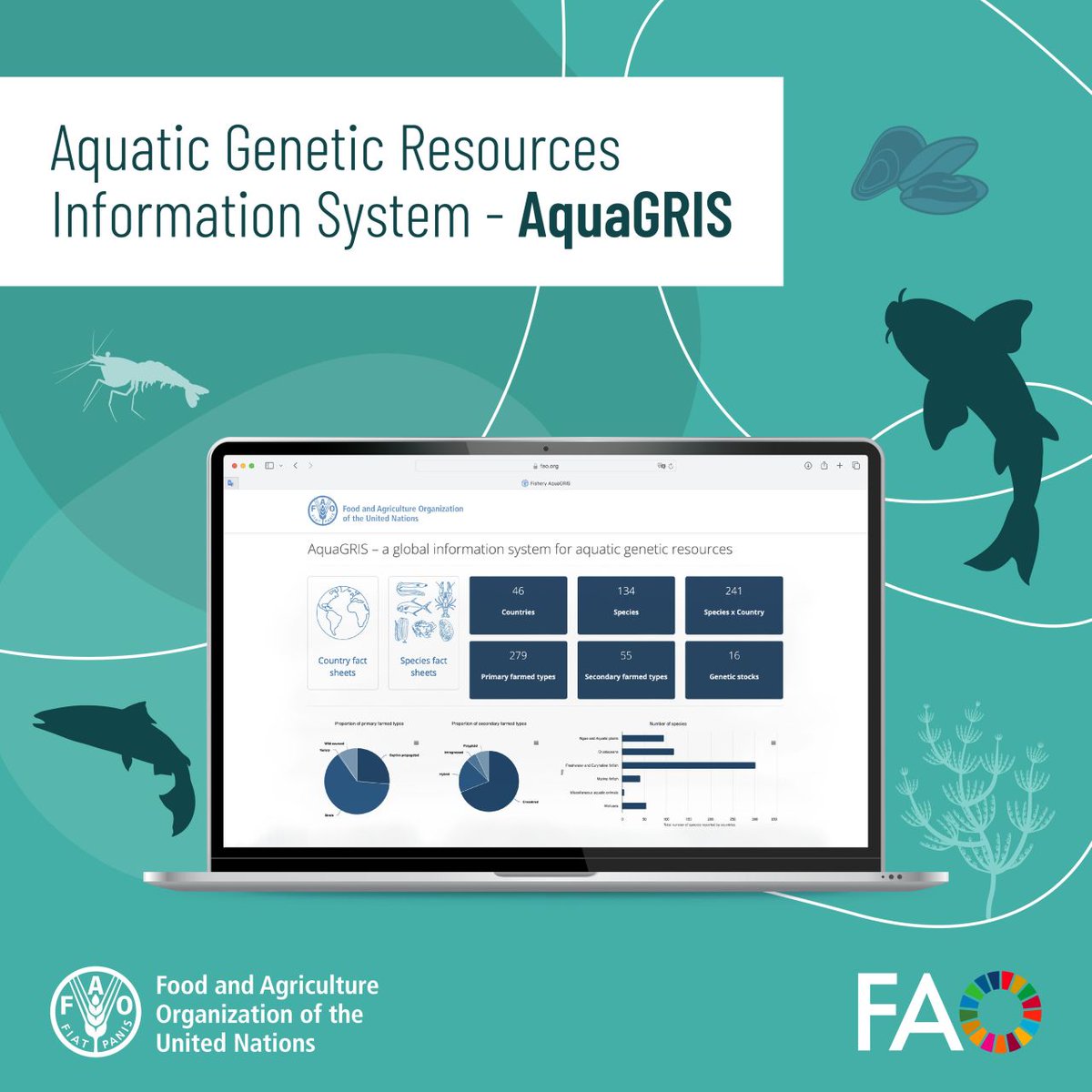
Systems like FAO’s #AquaGRIS (56 countries, 214 species) show how standardized data can support monitoring, coordination & sustainable use.
Explore it here 👉 https://t.co/ESyjrxqGty
#FAO_GSA
Little is known about life in #ABNJ, even deep-sea stock status remains unclear. Onboard the Dr. Fridtjof Nansen, scientists from 11 countries are mapping ecosystems & species to support sustainable management.
Read more 👉 https://t.co/PF3bLPcngB
#BBNJ#CommonOceans#EAFNansen
The @FAO Fisheries & Resources Monitoring System (FIRMS) delivers authoritative data on marine & deep-sea fisheries.
Tracking stocks, trends & impacts to support science-based policy, sustainable management & ocean biodiversity.
Learn more 👉 https://t.co/ZeokqjGJJP
#BBNJ
For years, fishmeal has been at the center of the debate on aquaculture sustainability. But the sector is evolving fast.
This @FAOfish publication from the Innovation for #BlueTransformation series, highlights interesting trends.
Read more 👉 https://t.co/uIw5QpplLX