Coffee prices may fluctuate, but quality remains king. Farmers who focus on proper harvesting and processing consistently earn better returns for their produce.
A poultry farmer who loses 10 birds out of every 100 due to poor vaccination can lose thousands of shillings annually. Prevention is almost always cheaper than treatment.
In Kirinyaga, farmers using drip irrigation during dry seasons continue harvesting vegetables while neighboring farms wait for rains. Water management is becoming a competitive advantage.
Kenya is one of Africa's leading avocado exporters, yet many farmers still sell to brokers at low prices. Farmer groups and cooperatives often provide better bargaining power.
As long rains approach, now is the best time to clear drainage channels around your farm. Many farmers lose crops not from drought, but from waterlogging after heavy rains.
A farmer in Trans Nzoia can harvest over 30 bags of maize per acre with proper soil testing and fertilizer application, while another may get less than 10 bags from the same acreage. The difference is often knowledge, not land size.
Del Monte Kenya has moved from a pineapple-only farm to a diversified agribusiness.
It now grows other fruits, produces biofertilizer from farm waste, and is expanding work in water use, land management, and community programmes.
Did you know a well-managed dairy cow can produce 20+ litres of milk daily, while the average in many Kenyan farms remains below 8 litres? Quality feed and proper breeding make a huge difference
One lesson I've learned in agriculture:
Don't just watch crops. Watch where government, researchers, investors, and exporters are suddenly moving in the same direction.
That's usually where tomorrow's opportunities hide. Nigeria just launched a 10-year Coffee Revival Initiative involving 14 coffee-producing states. Most people will read that as ordinary government news. I read it differently. when government starts talking about:
☕ Improved seedlings
☕ Farmer training
☕ Processing facilities
☕ Export competitiveness
☕ Traceability systems
☕ Private-sector investment
They're not just talking about coffee.
They're telling you where they believe future economic activity could grow. (Punch Newspapers)
The biggest opportunities may not even be in growing coffee.
They could be in:
• Nurseries
• Seedling production
• Aggregation
• Processing
• Roasting
• Packaging
• Export logistics
• Farm services
Ondo State has already flagged off a 1,000-hectare coffee project. That's another signal. Smart people don't wait until an industry becomes popular. They pay attention when institutions start building the foundation.
Coffee may succeed.
Coffee may fail.
But whenever government begins coordinating policy, research, infrastructure, and investment around a sector, it's worth asking
What do they see coming that most people are ignoring?
Your Future in Agribusiness Starts Here🇸🇴 🍅🚜🥒🥦🚜.
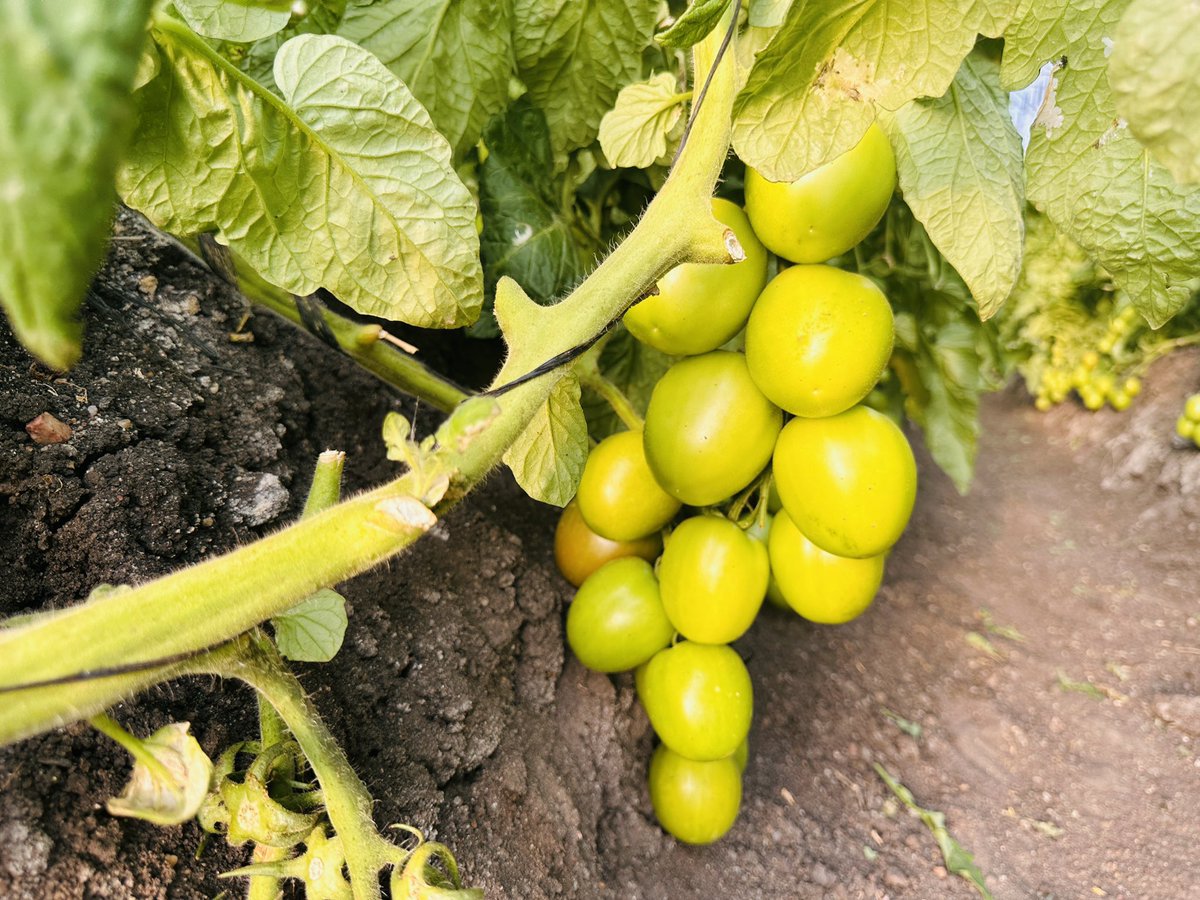
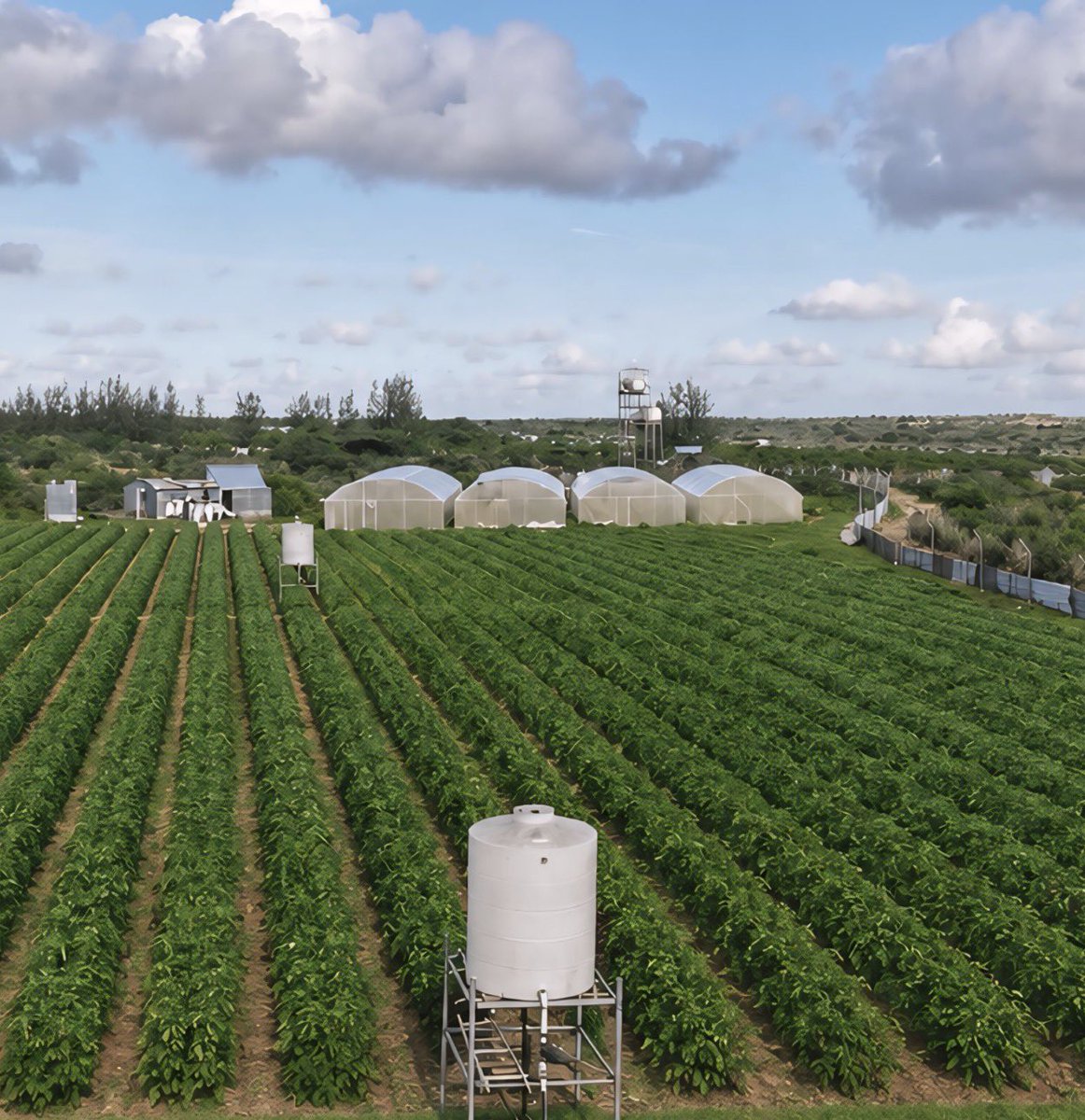
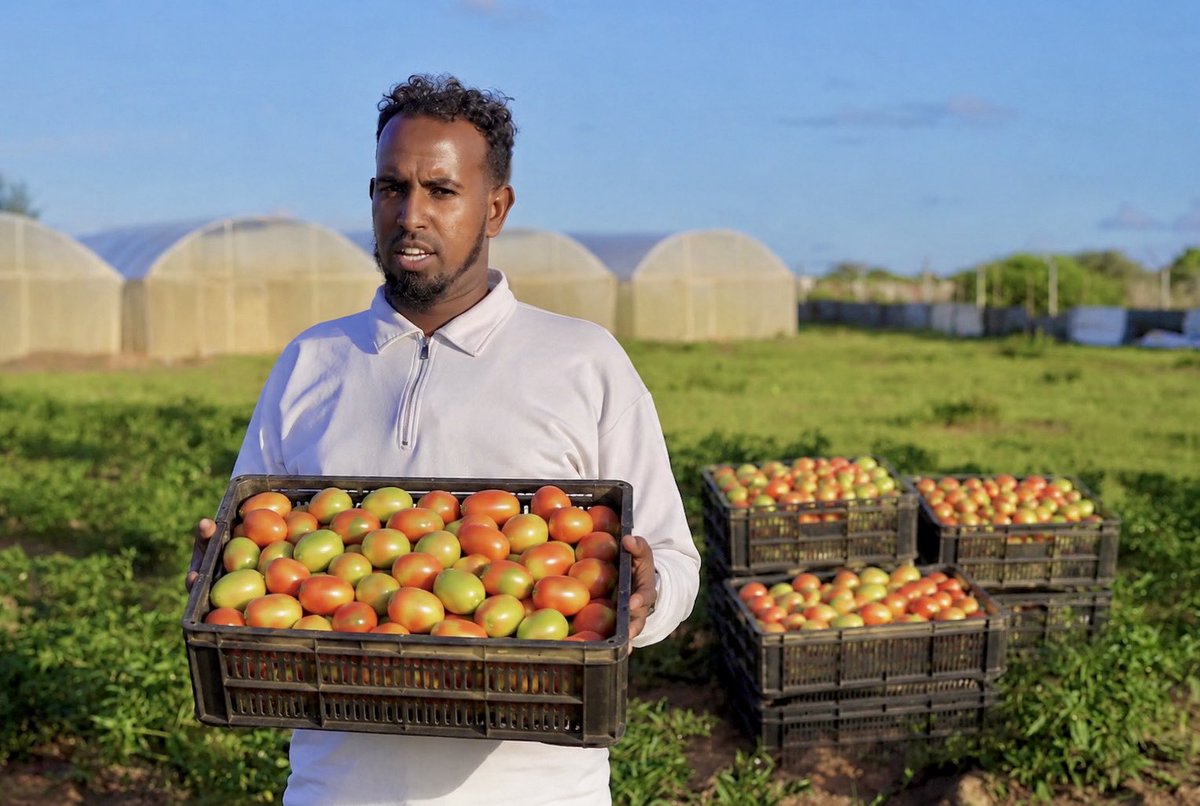
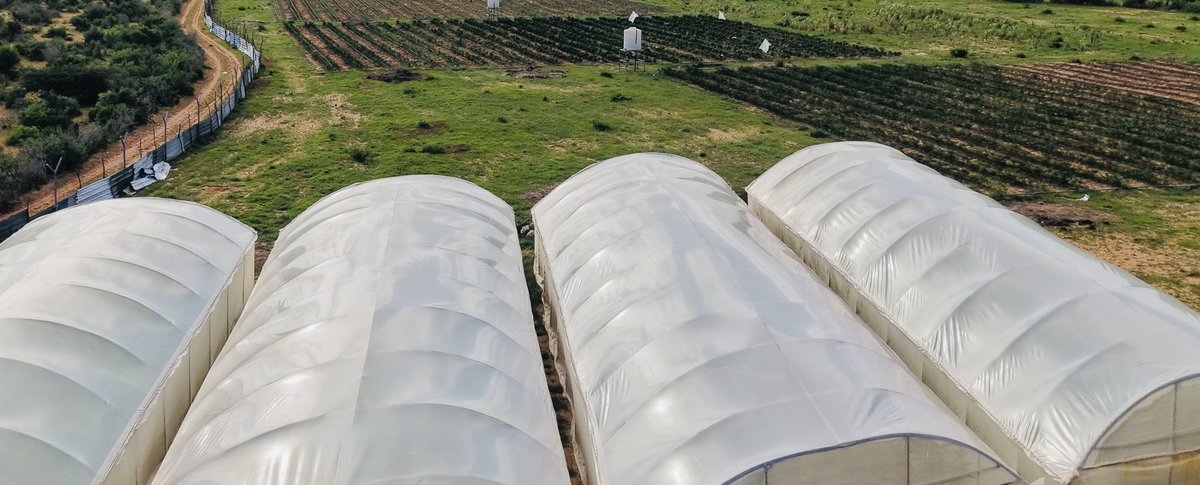
Just three months before the Middle East conflicts, we built these greenhouses and are now supplying over 2,000 kg of tomatoes weekly Prices have reached $2.5 per kg, the highest yet, due to regional conflicts disrupting imported food supplies and reducing availability in the local market.
This situation highlights a bigger opportunity strengthening local greenhouse farming to help feed more than 3 million people living in the capital city, while ensuring access to fresh, organic, and high-quality food produced locally .