The Fat Ginger Nerd is a tale of weight lost and of health gained, of beliefs shattered and of lessons learned, of a past finally escaped and of a future now made possible. Available now, in paperback and ebook from Amazon and all good booksellers! https://t.co/iwIqASzFfr
@SamaHoole I remember first learning about Atkins in the early 2000s. I regret that it took me until 2015 before I finally tried it, but in my defense, his seemed a lone voice in a world that was still largely obsessed with calories, pyramids and saturated fat.
"Adolescent obesity is strongly and immediately associated with an elevated hazard for severe disease morbidity and mortality beginning in young adulthood, with associations progressing with obesity severity and time." https://t.co/yslPSWkNCi
When I started with seated chest presses three years ago, I struggled with 15kg. Nowadays I struggle with 43kg. "It doesn't get easier, you just get stronger."
Of 67 RCTs comparing statistically significant differences between a low-carb diet vs a low-fat diet for weight loss, the score stands at 36-0... in favour of low-carb. https://t.co/HjScxkdvhw
"Integrating CGM with a digital weight management program produced significantly greater improvements in HbA1c%, body weight, and other glucose metrics compared to (usual care) among adults with overweight or obesity and type 2 diabetes." https://t.co/r8W8MRNGsM
@grantsnz Because too many people are ignorant of what the root cause(s) of their health problems might actually be.
Which, to be fair, may not be their fault, if experts who ought to know better have been informing them incorrectly for most of their lives, as was the case with me.
Low carb may be simple in theory, but that doesn't necessarily make it easy in practice. Some people will have it harder than others. But it's up to each of us to find our own way forward. The alternative - to do nothing - can only be worse. https://t.co/EzXZ7VtvqY
The food pyramid is back—and it looks different.
In the new U.S. dietary guidelines, whole foods come first. And for the first time, the guidelines recommend low-carb diets for people with certain chronic diseases.
Our medical director @bschermd explains why that matters:
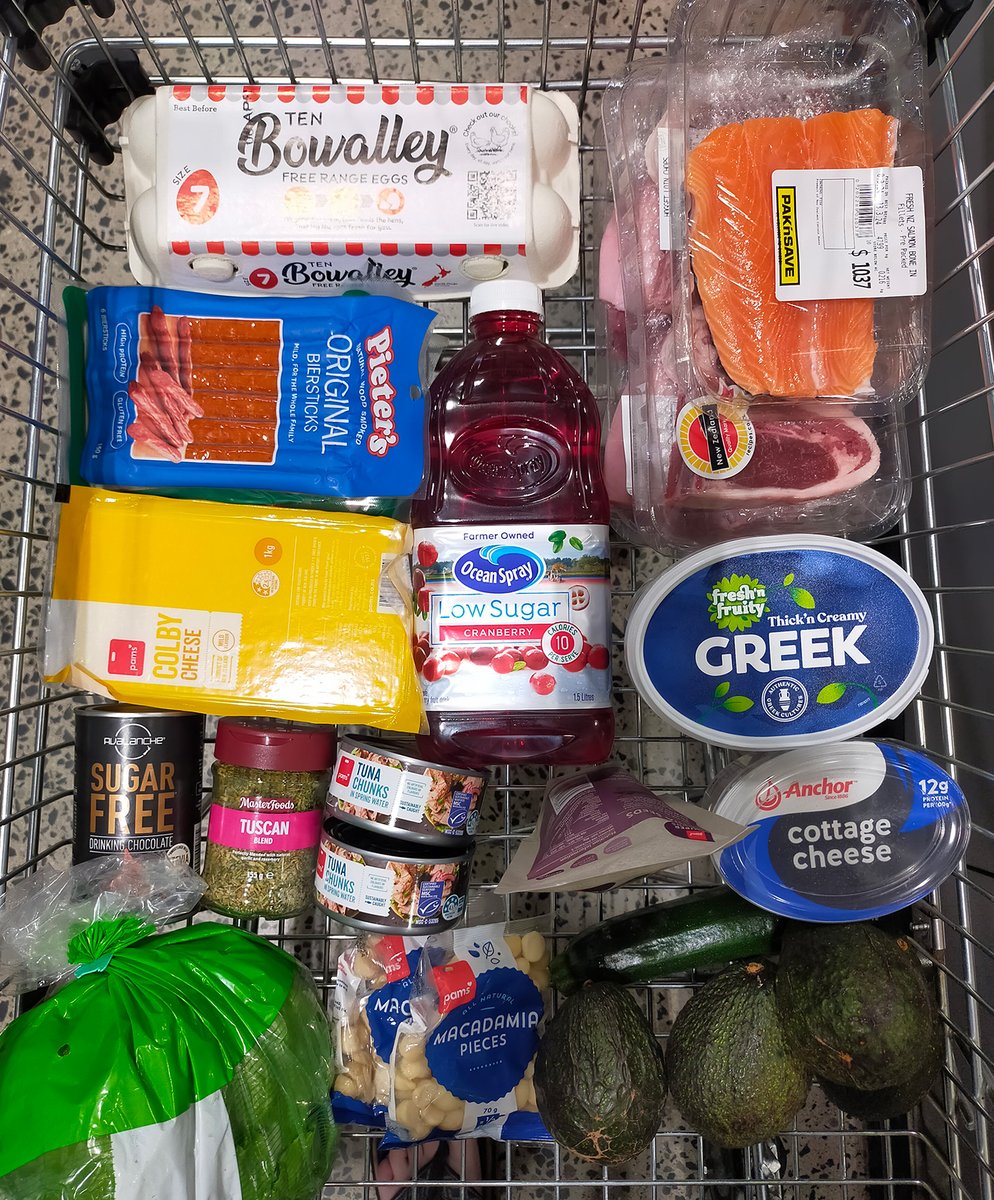
I'm not quite a carnivore, but I would say I eat an animal-based diet. This was not necessarily my specific aim, but it does feel like the natural result of simply eating real, #lowcarb food.
An interesting editorial on the idea of "carb blockers": supplements that allow you to eat carbs while minimising the adverse metabolic consequences. Or alternatively, perhaps we could just, I don't know, not eat carbs? https://t.co/44U59I7ebK
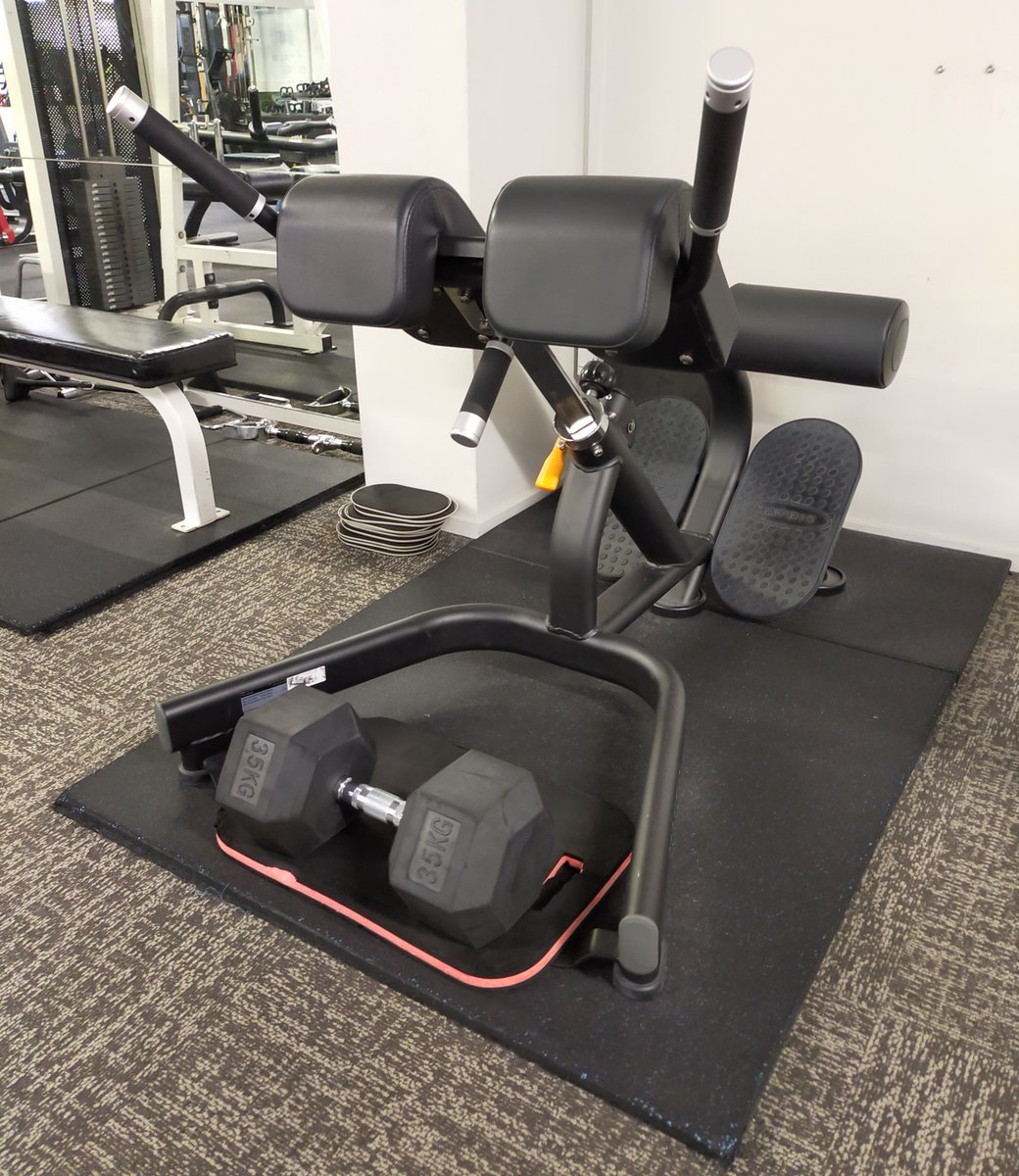
The first time I tried flexed spine hip extensions, it was just with my own body weight. Now I can manage that +35kg, and it has become one of my favourites at the gym. Love a good back stretch!
Why Nutrition Science Stagnates
... and what we can do about it
👉My blog, with open access link to a new paper in @Cell_Metabolism
https://t.co/CqJiPlniGE
It's easy for experts to dismiss individual success stories like mine as merely being anecdotes. But the purpose of such anecdotes is to demonstrate what is possible, even in the face of prevailing wisdom that insists such stories have no basis at all. https://t.co/6KodMJ1INB
Another recent RCT assessing the effect of a ketogenic diet on depression adds to the growing body of evidence suggesting that what we eat can indeed affect how we feel, for the better. https://t.co/wKetsTt0js
A recent review found that "cessation of (weight management medications) is followed by rapid weight regain and reversal of beneficial effects on cardiometabolic markers." Perhaps these drugs only address the symptoms and not the root cause? https://t.co/TDzWof4JvI
Ten years after I first began my journey of personal health transformation, losing over 100 pounds along the way, later speaking at conferences and even writing a book, I am proud to now serve as a community ambassador for the @AMHSorg . https://t.co/KYCTwP64z0