Download the PDF:
https://t.co/NzO32yz2XG
Inversion at B2 level: a useful structure for adding emphasis and sounding more advanced in English.
#LearnEnglish#EnglishGrammar#B2First
Download the PDF here: https://t.co/0Ibvg0xa7k
Want to sound more natural in English? Learn how cleft sentences add emphasis and clarity. Free PDF with definitions and examples. 📚
#LearnEnglish#EnglishGrammar#ESL
📘 Maintain or Sustain — which should you use?
They look similar, but they mean different things in English.
This quick vocabulary sheet explains both with simple examples 👇✨
PDF: https://t.co/ITknPcLyOQ
#EnglishVocabulary#LearnEnglish#ESL#EnglishTeacher
Download the PDF: https://t.co/gAOrb0ow7W
“The… the…” made easy!
The more you practice, the better you get 😉
The less you stress, the more confident you feel 💡
Quick explanations + examples inside!
#b2first#cambridgeenglish#englishgrammar
Download the PDF: https://t.co/lQUhb032If
Confused about “attend” vs “attend to”? 🤔
Attend = be present
Attend to = take care of something
Clear definitions + examples 👇
#b2first#englishlanguage
Download the PDF: https://t.co/VLv0LwNAIw
Want to sound more like a native speaker? Try adjectives like dicey, dodgy, iffy, or lousy—common in everyday English!
Check the sheet for definitions + examples to start using them.
#c1advanced#cambridgeenglish#c2proficiency
Download the PDF here: https://t.co/jIIeDmC8CI...“Be careful of” vs “be careful with” 👇
⚠️ be careful of = dangers to avoid
🖐️ be careful with = things you handleQuick tip, big difference! Check the examples in the PDF.
#EnglishVocabulary#CambridgeEnglish
Download the PDF: https://t.co/0Xyh7Y9BcX
“Say no more.” “Having said that…”
Do you use these naturally?
Get 10 common idioms with “say” and sound more fluent in speaking and writing.
#EnglishLearners#B2First#C1Advanced
📘 English tip: “worth�� isn’t just one thing!
worth · worth it · worthwhile · worth one’s while ≠ the same 😄
Simple explanations + examples here:
👉 https://t.co/9qI46geVKd
#EnglishLearners #B2First #C1Advanced
Grab the PDF with meanings & examples ➜ https://t.co/hI4Z6BpYDP
Confused between “be missing” and “be lacking”? 🤔
One = completely absent. The other = not enough.
Even advanced learners get this wrong! #englishlanguage#EnglishStudents#B2First
Download the PDF: https://t.co/r7MTvfyw1Z
Confused by "how about" vs. "what about"?
This sheet clears it up with simple examples. Small change, big confidence boost!
#b2first#Cambridgeenglish#c1advanced#englishlearners
Download the PDF: https://t.co/m6RQK1lHhu
Want to sound more natural in English?
Quick guide to bit phrases like “every bit as,” “not one bit,” and more.
#c1advanced#cambridgeenglish#englishvocabulary
📚 Download the full sheet here: https://t.co/RpAApaaSCa
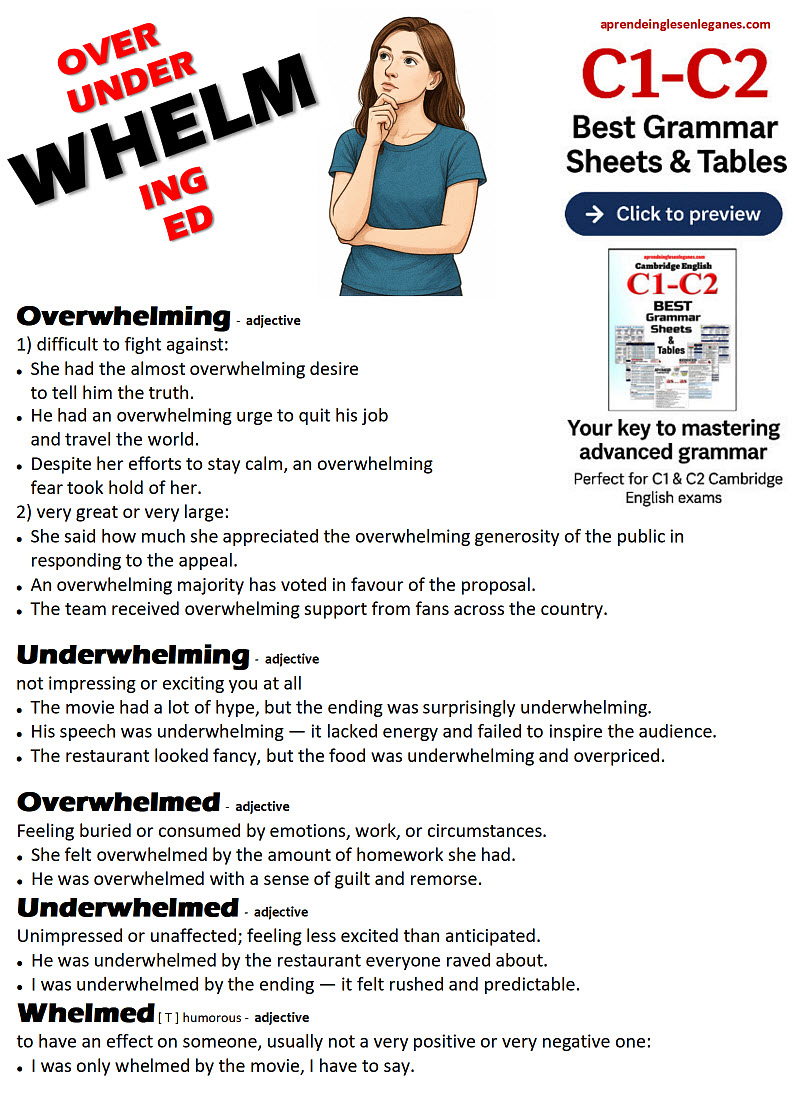
“Overwhelmed” ≠ “underwhelmed” — but both share the same root!
Learn how whelm connects them and what each really means in English.
#c1advanced#c2proficiency#cambridgeenglish
@elonmusk what if you built a self-sustaining, autistic-led society — on an island or land — where neurodivergent people could live freely, build, and innovate?
A real-world experiment in autonomy, logic, and freedom.
📥 Download PDF here:
https://t.co/q9p9aJPdDz
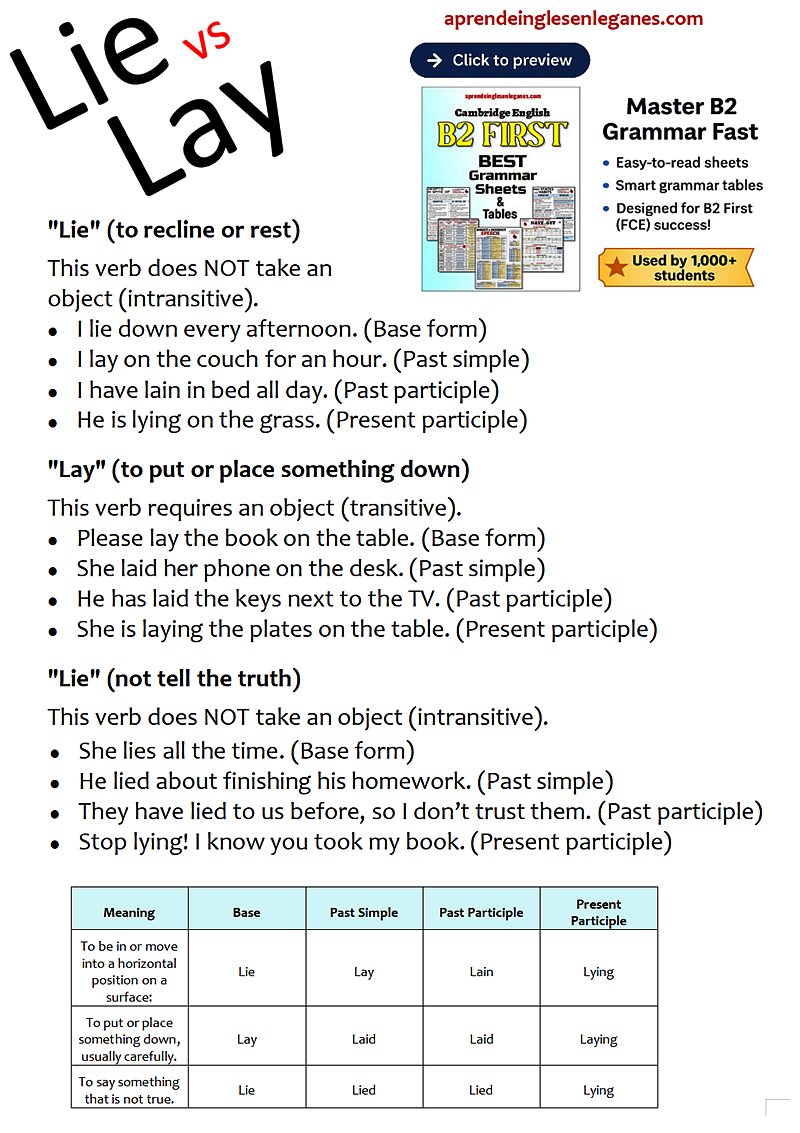
Struggling with when to use lie vs. lay? Don’t worry, it’s a common challenge! This quick guide breaks down the rules with examples to make it finally click.
#learnenglish#englishlearning#ieltswriting