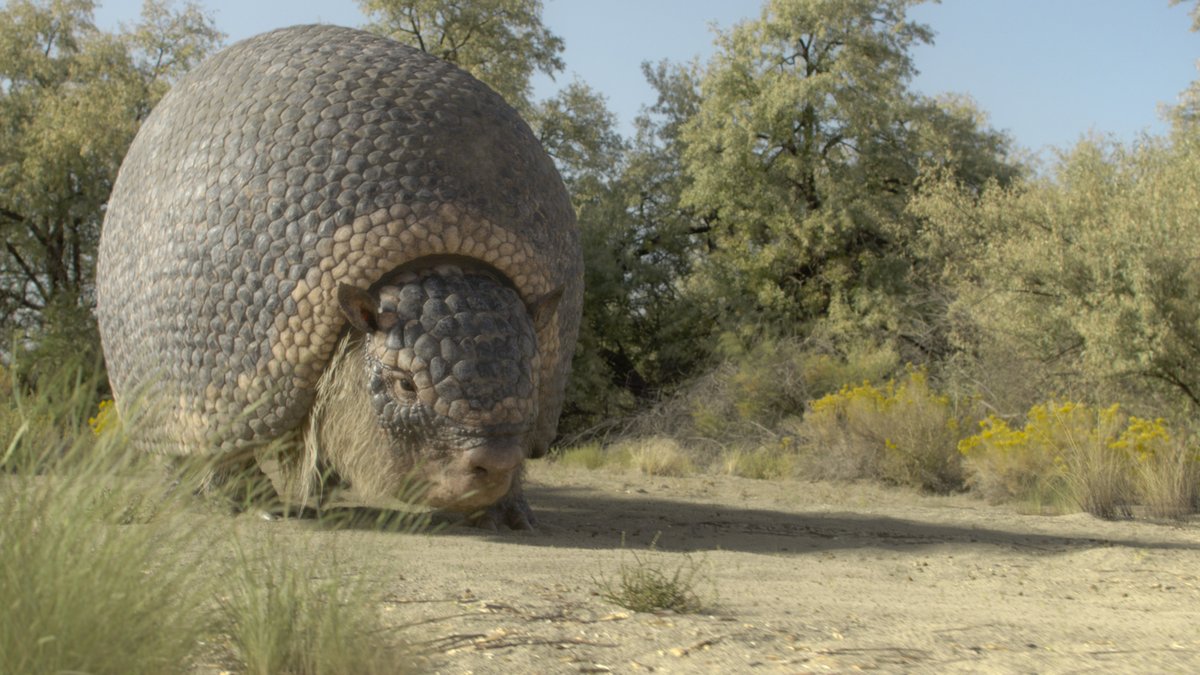
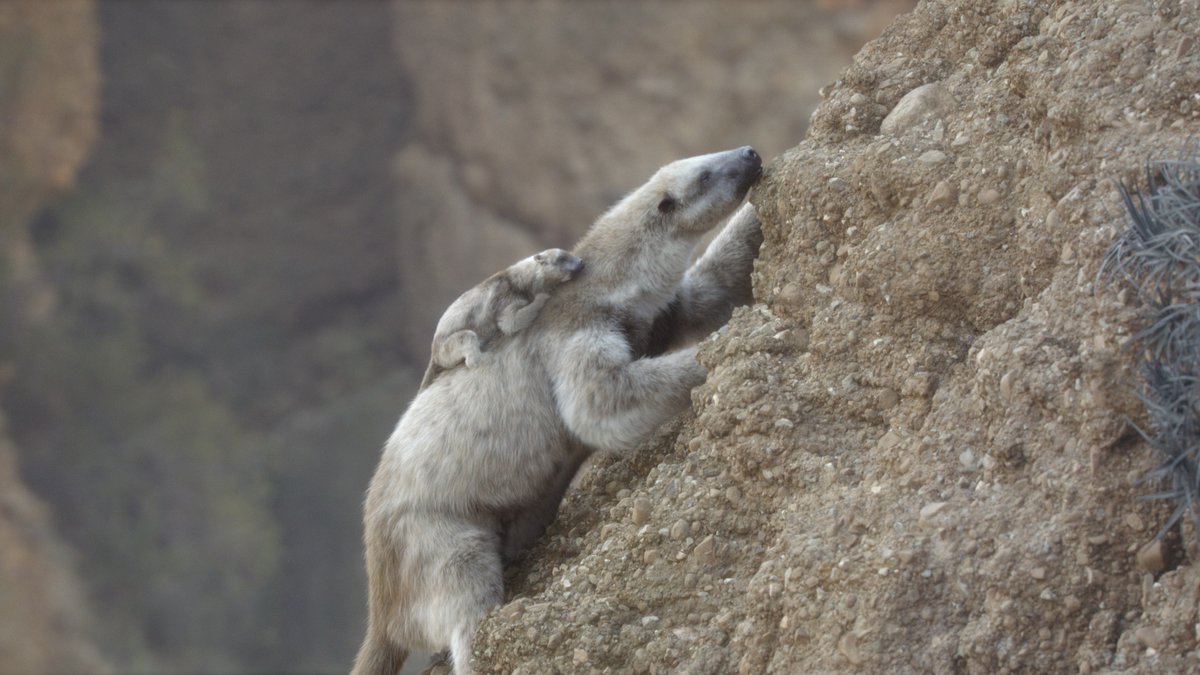
Interested in the Late Pleistocene megafaunal extinctions? 🦥🦣
Read our newly published research 'The timing and ecological consequences of the late Pleistocene megafaunal declines on the Isthmus of Panama: Implications for trophic rewilding' 🌎
https://t.co/i4z2IF2Mf3
Lake sediments from Panama trace megafauna declines over 17,000 years, linking herbivore loss to shifts in fire, forests, and fruiting plants—informing rewilding to restore ecosystem functions https://t.co/QYDsuBPzKL https://t.co/kjp8Ic1KoU
Following the recent publication of our paper on the timing and ecological consequences of the Late Pleistocene megafaunal declines on the Isthmus of Panama, the official press release is now live ⏰
Press release written in Spanish and English here: https://t.co/o1lMvMqm6t 🌎
Interested in the Late Pleistocene megafaunal extinctions? 🦥🦣
Read our newly published research 'The timing and ecological consequences of the late Pleistocene megafaunal declines on the Isthmus of Panama: Implications for trophic rewilding' 🌎
https://t.co/i4z2IF2Mf3
For further insights into the first detailed multi-proxy record of megafaunal presence/absence and the effects of megafaunal declines on vegetation dynamics and fire activity spanning the Late Pleistocene to the Holocene in Panama, see our paper at https://t.co/pAA2PYLGBB 🔬
🦣New paper: #Megafauna with large size & flat-footedness + less related to tropical African/Asian fauna were more likely to go extinct in recent prehistory; consistent w direct #hunting including pre-sapiens human filtering👣 https://t.co/KMDpG0kxHp #TraitEcology#Palaeoecology
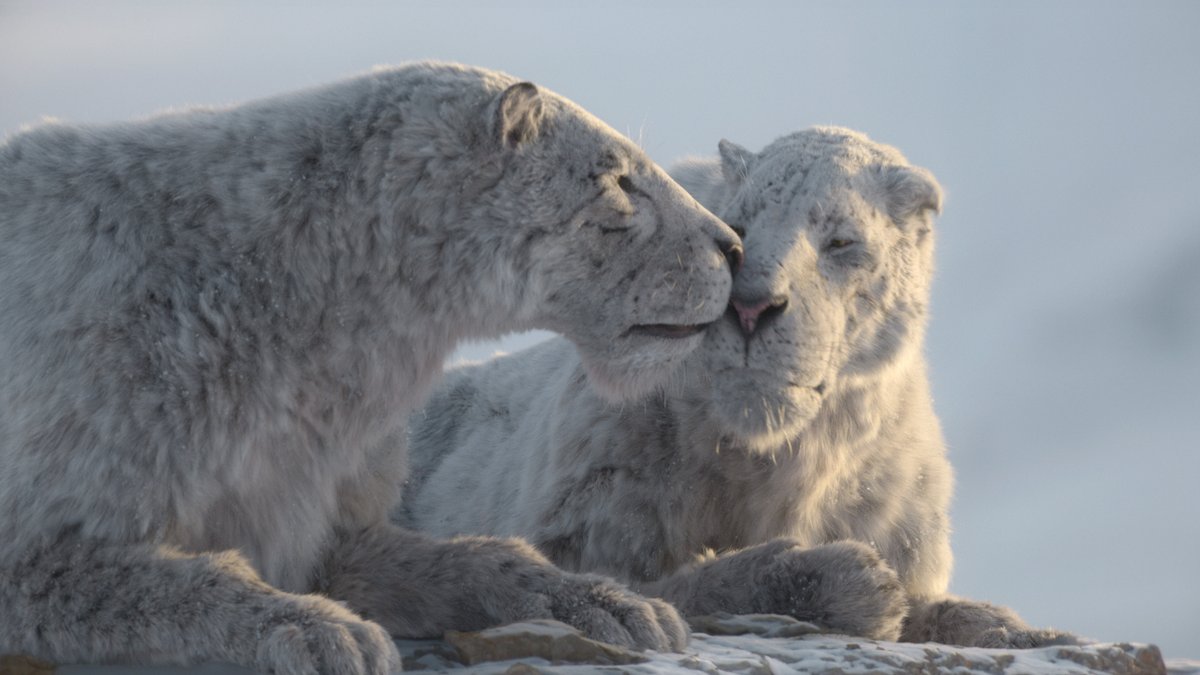
In this paper, which is another output of the thesis by (now) Dr. João Nascimento, we present evidence that 'Variation in prey availability over time shaped the extinction dynamics of sabre-toothed cats'.
https://t.co/dP0Iy8nGP6
art by @felipecapoccia
Fantastic PhD project up for grabs! Interested in large mammal impacts on ecosystem flammability? Come explore this topic with wild horses 🐎🐎in US novel ecosystems. Apply now! 👀Deadline end of Jan 2025 https://t.co/UCzACoh7rf @ejlundyyy@JCSvenning Robert Buitenwerf and myself
A frugivorous bird's eye-view of Pleistocene landscapes: the way #birds disperse #seeds in fragmented anthropogenic landscapes is congruent with an ecological & evolutionary history with open vegetation created & maintained by megaherbivores
@univcadiz
https://t.co/B6EPuGNxEy
Before human-driven degradation, European wildwoods were rich in hazel, oak, and yew—species thriving on disturbances likely caused by large herbivores. 🫎 🐘 🦬 Happy to finally share this work! 🥳🌳
https://t.co/CzBLC0osFG
There is currently a 2-year post-doc position to do some palaeoecology work in the Conservation palaeoecology Lab at Cambridge. More information here https://t.co/0sdyWqx8MS
After the recovery of some exciting 14C dates, I'm very happy to be back in the palaeo lab 🥼
Can't wait to discover this Pleistocene megafaunal story 🦥🔥🌿...
🚣♀️ @PastTeller