Future Directions International is an independent, not-for-profit research institute, providing strategic analysis of Australia's global interests. RT/F≠E.
Due to the coronavirus pandemic and its deep and ongoing negative financial effects, FDI must close its doors for the final time. I wish to thank all our readers and all those who have contributed and provided advice and encouragement. Read more: https://t.co/K2ceDUUfSO
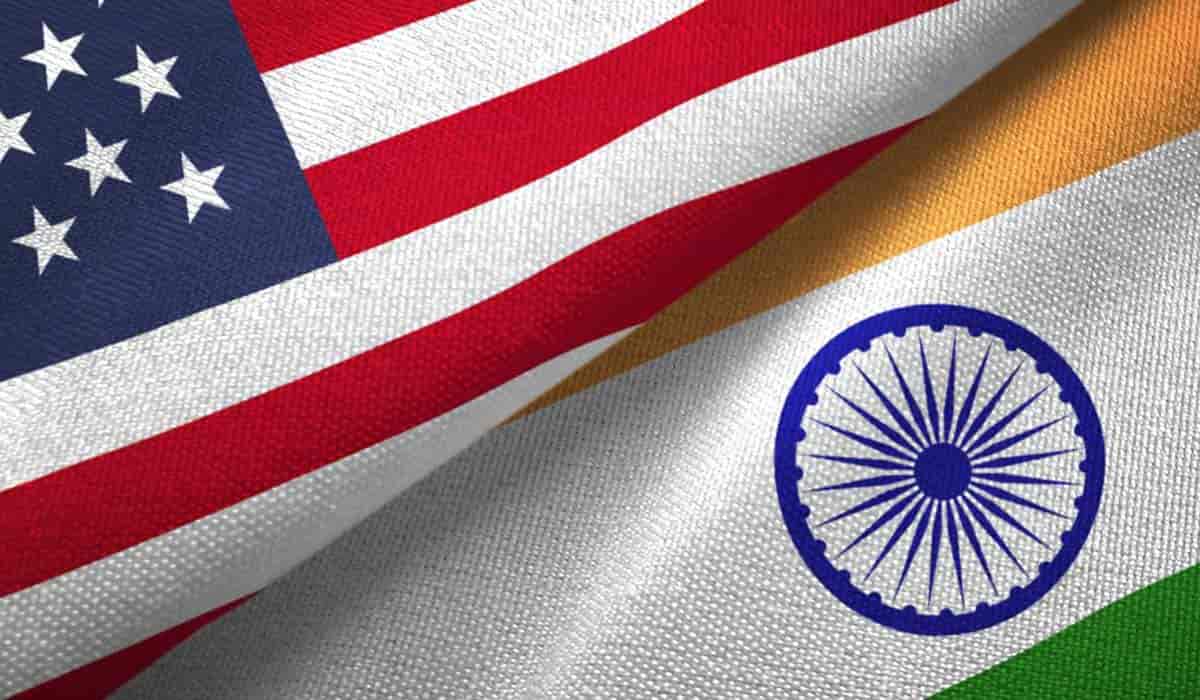
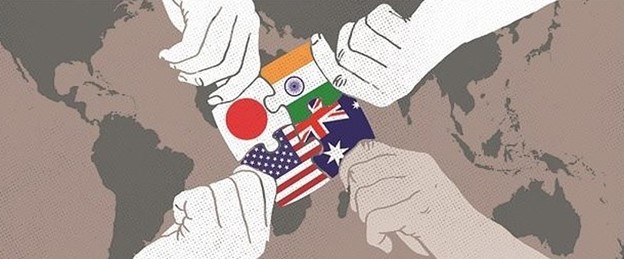
A formal alliance between the world’s largest and most powerful democracies would constitute an unstoppable force. It could prove a very potent deterrent to China’s misbehaviour along the border with India and in the South China Sea. Read more: https://t.co/XIOYPapSgw
In the midst of Pakistan’s serious economic challenges, Saudi Arabia’s offer of US$4.2 billion in financial aid will help to bring Saudi-Pakistan relations back on track. The move also signals Riyadh is still the dominant player in the Gulf. Read more: https://t.co/0mng9tf4uV
Foreign aid for Rohingya refugees has declined since the economic fallout triggered by the Covid-19 pandemic, but the world must not turn its back and should aid Bangladesh, which hosts the vast bulk of the refugees. Read more: https://t.co/EY63zgrHa9
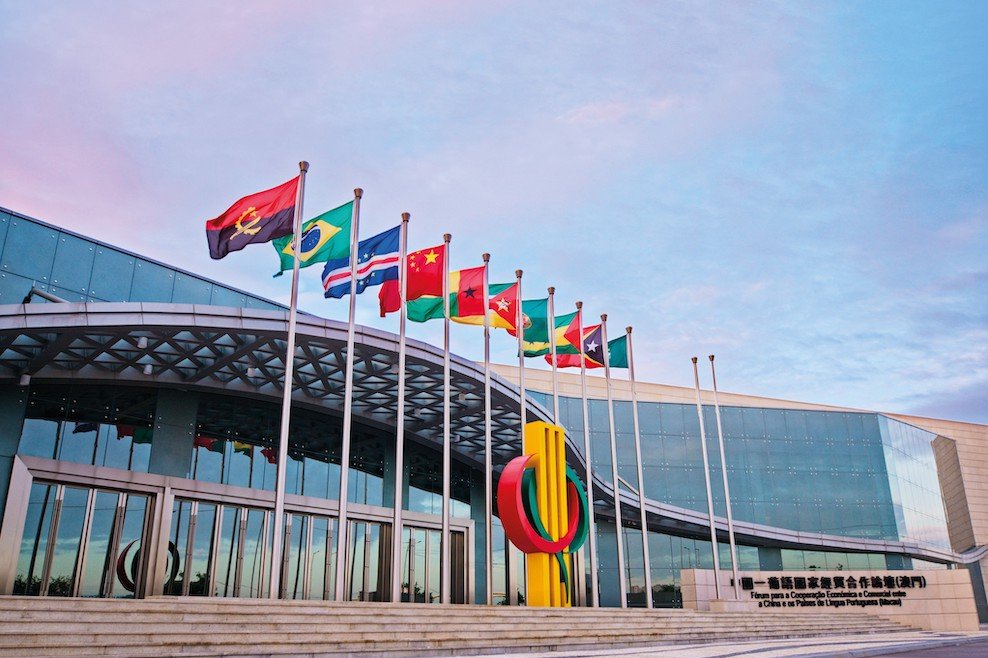
China’s goods trade with the Portuguese-speaking countries, many of which supply the raw materials that have powered China’s own economic transformation, continues to grow, aided by Macao as a Portuguese-speaking Special Administrative Region. Read more: https://t.co/uFWCJIHxu1
Megaprojects are not the panacea for all infrastructural deficiencies, but they are one of the best available options for addressing Bangladesh’s particular deficiencies, transport crises and power shortages in a sustainable manner. Read more: https://t.co/d6dQVSpqQi
Pakistan has hinted on multiple occasions that it wants a multi-dimensional relationship, not just one driven by security. Given the state of Pakistan’s economy, more acrimony with the US is not good news. Read more: https://t.co/NzihRgzZPm
Life in Mashhad, the holiest city in Iran, is shaped by two competing discourses: the “shrine” and the “secular”. The increasing dominance of a discourse with totalitarian characteristics could expand from Mashhad under President Raisi. Read more: https://t.co/suWPi2uP2M
In spite of serious differences and Moscow’s proximity to Beijing, there is a growing realisation in Washington that a working relationship with Moscow is essential on a number of issues, including Afghanistan and the Iran nuclear deal. Read more: https://t.co/4KbYHxPV78
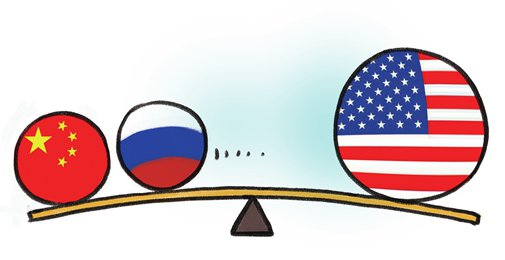
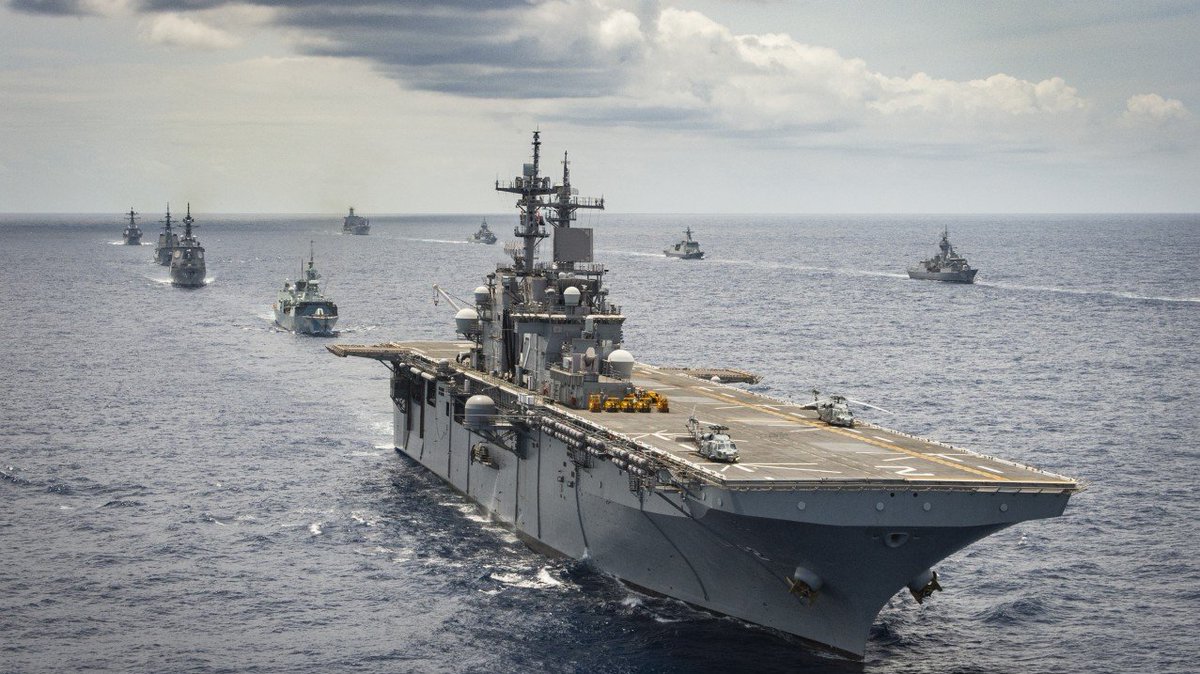
Instead of promoting peace, security and stability in the Indo-Pacific, the New Atlantic Charter could see China and Russia forge a united front against the US-led security partnership in the region. Read more: https://t.co/llzsMKHMNj
While the preservation of democracy should be a lodestar of any US foreign policy, Washington’s exits from Afghanistan and Iraq with their human, economic and political costs, show the limits of military force as a component of foreign policy. Read more: https://t.co/UGubwtVbv0
Paris’s anger at having lost the contract to supply conventionally-powered submarines to the Royal Australian Navy is redolent with unmitigated hypocrisy. Read more: https://t.co/8nQPXBHJsu
Bringing together young people rather than political leaders, the New Africa-France Summit seeks to chart a new course, but the true measure of success will be the degree to which the views of the participants gain traction among those in power. Read more: https://t.co/zHApbCrQSX
The “rebirth” of the Quad is an outcome of China’s assertive policies. Not yet as comfortable in its relationship with the US as it is with Japan, India’s US ties are growing fast, but PM Modi’s idea of a “Hindu” India could act as a brake. Read more: https://t.co/kiWgBhiXeQ
There is a consensus in the global community for providing support for the challenges in Afghanistan. Only China has said that sanctions against the Taliban should be removed and reserves of the Afghan Central Bank released. Read more: https://t.co/7vvKMFvAvD
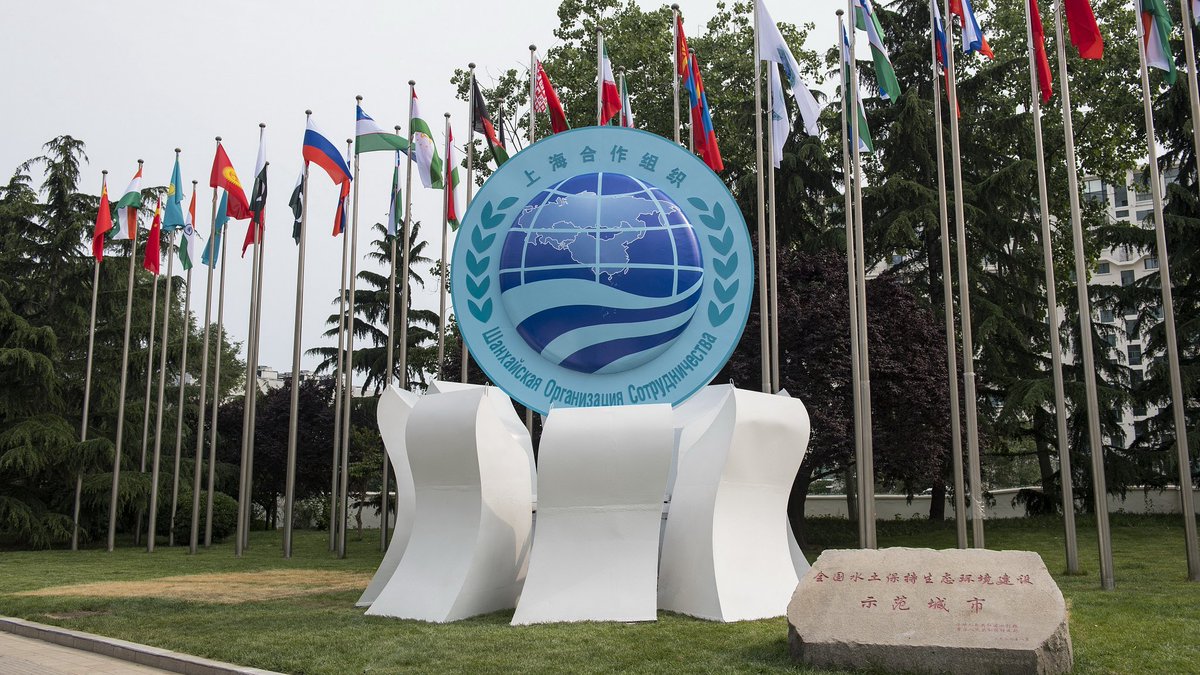
The evolving strategic alignment in the Indo-Pacific has ramifications, with potentially catastrophic consequences. The Shanghai Co-operation Organisation’s first real test would be to bring back normality and harmony in Afghanistan. Read more: https://t.co/kdyldaEPIB
The marshalling of alliances in the Indo-Pacific region has rung the bell for the commencement of a New Cold War. It is thus imperative to develop a clear understanding of the dangers and consequences of any possible New Cold War. Read more: https://t.co/EydSfpkihY
While the world’s first “climate change famine” continues unabated, the Madagascan Government’s ambitious infrastructure plans and updates from two Australian mining juniors with projects in Madagascar bring some welcome good news. Read more: https://t.co/KO2v0TSzlS
Apart from discussion of connectivity projects and Afghanistan, the recent SCO Summit also gave India and China an opportunity to engage. The SCO is likely to remain an important organisation in the evolving geopolitical landscape. Read more: https://t.co/yQ4LlYNJwm
The #US is no longer interested in prolonged military engagements or nation building; that is to be the job of locals, not the US military. The US will still promote such democratic norms as human rights, humanitarian aid and regional diplomacy. Read more: https://t.co/WPfPJjRr9J