🌱 The sweetest things in life are not always the simplest.
A sugar molecule may seem small and simple.
Yet in nature, sugars can combine into countless complex structures called glycans, creating a remarkable diversity that shapes how cells recognize, communicate, and interact with their surroundings.
This diversity makes glycans fascinating, but also incredibly challenging to study and engineer.
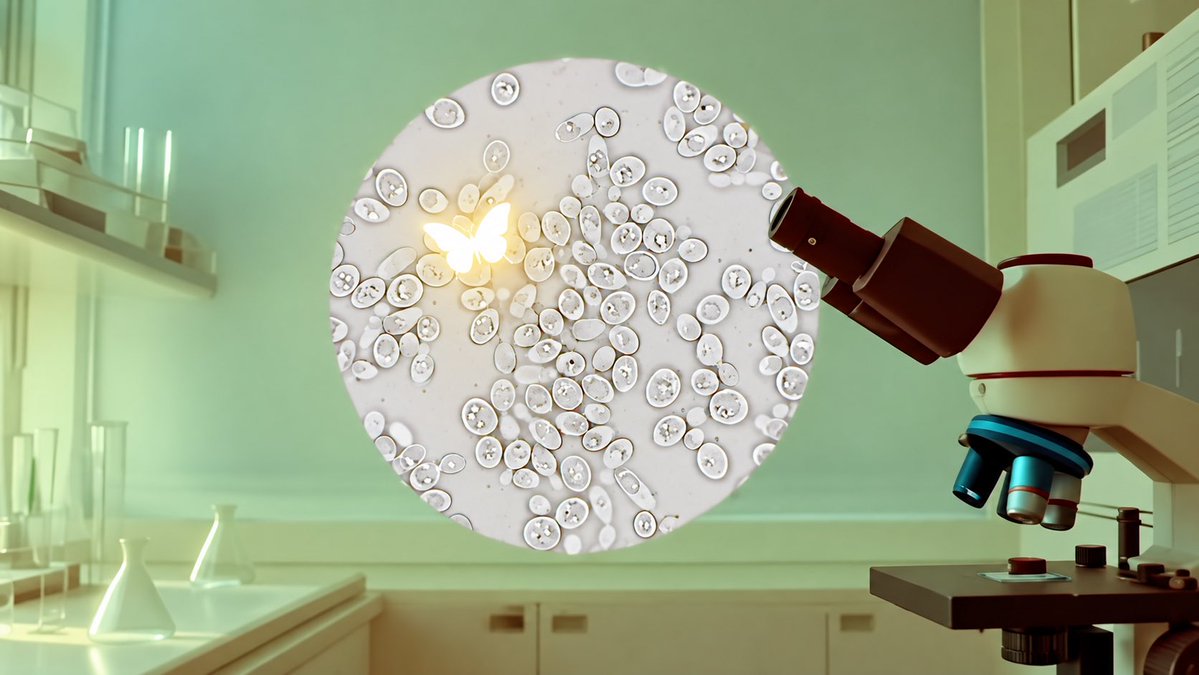
At GlycoGarden, we ( Fudan @iGEM ) explore how synthetic biology can help us navigate this complexity and discover new possibilities in glycan engineering.
🎬 Watch our promotional video and step into our garden:
https://t.co/TuSNTQnIp6
🌱 Discover what we can grow.
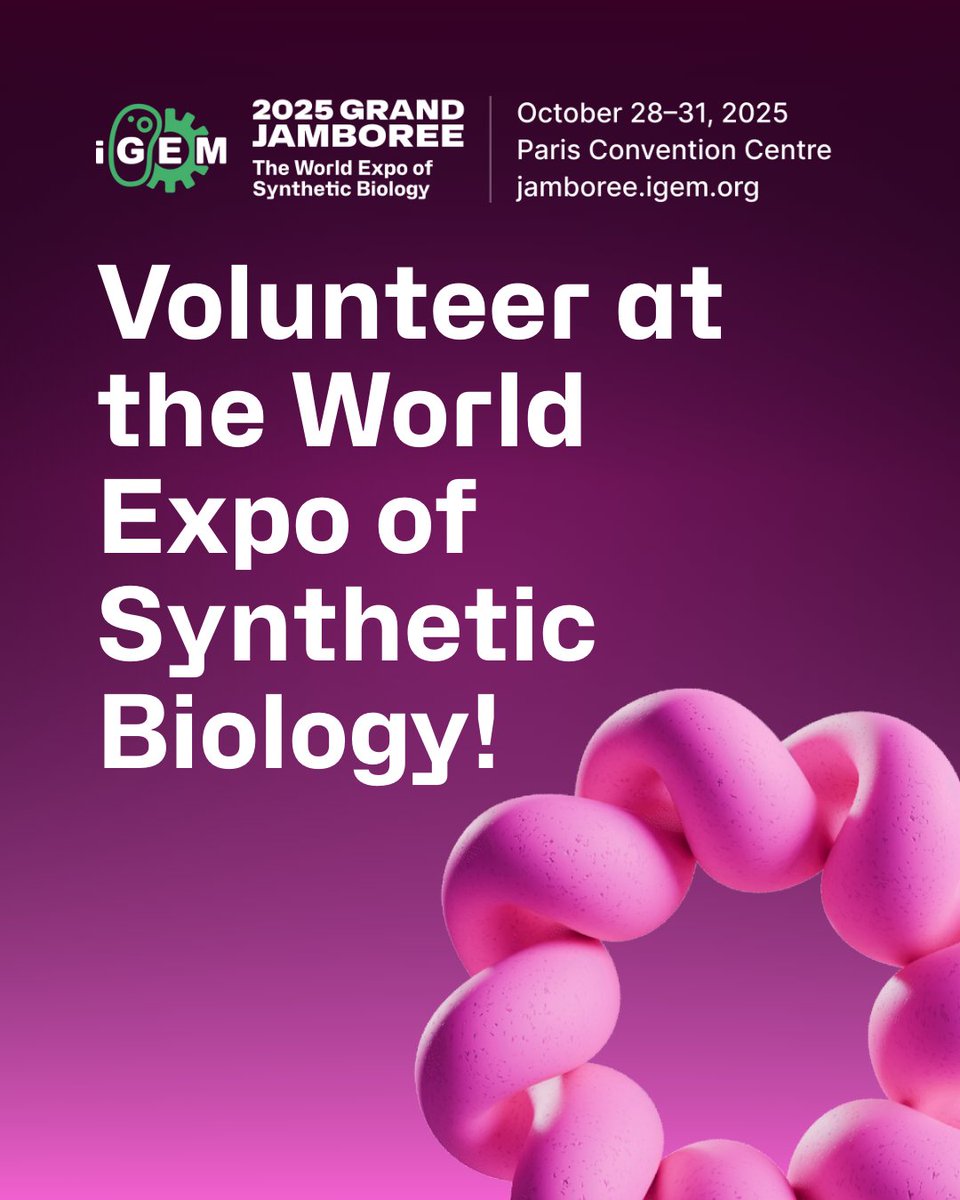
Applications Are Open! Join our volunteer team!
Each year the iGEM Grand Jamboree hosts the global synthetic biology community at the World Expo of Synthetic Biology, in Paris. October 28-31, over 5,000 participants are expected!
For more information:
https://t.co/kCEcby43Sn
Fudan iGEMers at CCiC - Beijing
From August 6 to 10, 2025, the 12th Conference of China iGEMer Community (CCiC) was successfully held at the Zhongguancun Conference Center in Beijing.
As one of the largest iGEM exchange platforms in China’s synthetic biology field, this year’s CCiC integrated for the first time the dual features of an academic symposium and the Synbiopunk Global Bio-Developer Conference, creating a comprehensive platform covering three core themes: frontier insights, academic competitions, and open-source collaboration.
Over the course of three days, 2025 Fudan iGEMers joined more than 100 teams from across the country in Beijing to discuss projects and exchange ideas.
On the morning of August 8, we delivered a project pitch at the Zhongguancun Conference Center, presenting our research findings to peers nationwide. Additionally, during the three-day poster session, we actively promoted our project and engaged in in-depth discussions with multiple iGEM teams, gaining valuable feedback on the Fudan iGEM 2025 initiative.
At this conference, we particularly focused on discussions surrounding Human Practices (HP). How can we promote responsible, sustainable, and ethically sound advancements in biology? Only through continuous reflection on human practices can we find the answer.
During the event, we had the privilege of attending several lectures led by renowned academic and industry experts, covering topics such as high-throughput screening, generative AI and life sciences, biosecurity and responsibility, and biology and modern art, exposing us to cutting-edge perspectives in synthetic biology.
Moreover, we had the opportunity to speak with Mr. Jiang Shan, co-founder of Panda Biotech, who emphasized that advancing fundamental research on drug targets is crucial for the applied significance of projects, suggesting that we elaborate further on this aspect in future work.
Additionally, 2025 Fudan iGEMers engaged in a meaningful conversation with independent anthropology scholar Su Yeyang regarding Human Practices in iGEM. Mr. Su proposed that HP is a process-oriented and reflexive practice, requiring us to position ourselves within the broader discourse—How am I connected to this topic? Does my personal background influence my perspective? What new insights have I gained through practice?
Therefore, HP content must be closely linked to the project theme, avoiding superficial, quantity-driven activities in favor of well-designed, differentiated practices. This demands careful consideration of research subjects and methodologies—for instance, steering clear of convenience sampling or snowball sampling, which may introduce bias.
Mr. Su also shared profound insights on medical anthropology, encouraging us to “dedicate effort to what truly inspires you.” This humanistic advice left a lasting impression, and our conversation with him was both enlightening and enjoyable.
Over the three-day agenda, Fudan iGEMers also participated in an unconference on ethics and biosecurity in synthetic biology, hosted by Central South University, where we exchanged questions and ideas with teams from Central South University, Hainan University, and Huazhong University of Science and Technology regarding biosecurity and ethical compliance in HP practices. At the poster exhibition, we discussed HP collaboration opportunities with representatives from various teams.
The 2025 CCiC journey has concluded successfully! Next stop—see you at the Paris @iGEM Jamboree!
Discussion with Professor Huang: Exploring Applications of Multicellular Systems
On April 15, 2025, the 2025 Fudan iGEM team members had the privilege of discussing with Professor Huang Guanghua, an expert in invasive fungal infections. We engaged in an in-depth discussion on fungal drug resistance mechanisms, the construction of evolutionary models for antimicrobial resistance, and the potential applications of multicellular systems, gaining invaluable insights.
Using *Candida auris* as an example, Professor Huang explained that its drug resistance primarily stems from chromosomal aneuploidy—rapid adaptation to drug pressure through genome duplication. This mechanism is common among other pathogenic *Candida* species, suggesting the team should prioritize monitoring genomic instability when building resistance models. He also emphasized that environmental stressors (e.g., agricultural pesticide overuse, climate warming) accelerate resistance evolution by inducing genetic mutations and phenotypic adaptations. For instance, high temperatures may prompt fungi to adapt to human body temperatures, transforming into pathogens and indirectly driving the co-evolution of resistance and virulence.
Regarding our proposed multicellular yeast system, Professor Huang acknowledged its potential for engineering applications. He advised: First, clarify objectives by distinguishing between biological research (e.g., elucidating multicellular formation mechanisms) and engineering applications (e.g., using it as a chassis for protein expression). Multicellular systems may enhance stress resistance through synergistic effects, making them suitable for industrial fermentation or drug screening. Second, for resistance model development, simulate clinical fungal evolution via gene editing (e.g., knocking out resistance-related genes) or drug induction, then apply it to screen novel antifungals. Lastly, for technical optimization, use ultrasonic treatment to achieve multicellular-to-single-cell conversion, combined with streptomycin resistance tags for efficient screening.
Professor Huang noted that the current research bottleneck lies in insufficient target specificity—fungi share high homology with humans, and inhibiting conserved pathways (e.g., cell wall synthesis) often causes side effects. He recommended focusing on fungal-specific mechanisms (e.g., ergosterol synthesis) and developing in vitro induction–in vivo validation screening systems to shorten drug development cycles.
Professor Huang praised the team’s innovative approach of using multicellular systems to record resistance mutations and proposed three key suggestions: First, select representative drugs (e.g., azoles, polyenes) to compare resistance differences between multicellular and single-cell systems. Second, integrate synthetic biology tools to develop sensors dynamically responsive to drug pressure. Finally, emphasize clinical translation by collaborating with hospitals to validate model predictive capabilities.
Exploring How AI Can Empower the iGEM Human Practices Evaluation System
On March 20, we conducted an interview with AI expert Prof. Hong Geng to discuss the AI-powered evaluation tool developed by our team. This tool aims to scientifically assess the Human Practices component of iGEM competitions using artificial intelligence.
We first demonstrated the current functionality of the AI evaluation system. Built on ByteDance's Coze platform and utilizing the DeepSeek model, the system automatically scores participating teams' Human Practices submissions across six dimensions based on iGEM's official maturity model. However, testing revealed significant discrepancies: the 2024 award-winning team JU-Krakow scored lower than two nominated teams, contradicting actual results.
Prof. Hong immediately identified the core issue: "For every scoring result, ask why—confirm whether the AI has accessed corresponding information." He advised adopting a computer debugging mindset to systematically verify if the AI shares the same data foundation as human judges. "You can directly ask the AI whether it knows specific information about these teams. If not, feed it those details explicitly."
Addressing scoring logic problems, Prof. Hong proposed concrete debugging methods: "Clarify your expected scoring logic, then check if the AI understands and applies identical criteria. For instance, if you believe geographic location affects scores, ask whether the AI knows each team's location before explaining your scoring rules to observe its response." He also recommended verifying the AI's ability to correctly parse webpage structures to prevent layout interference.
Regarding model selection, Prof. Hong offered pragmatic advice: "Your team isn't specialized in AI—use whatever works. The Coze platform suffices and is cost-effective." He emphasized focusing on core issues rather than over-optimizing model choices.
Discussing ethical considerations for tool deployment, Prof. Hong cautioned: "If conducting User Studies, obtain ethical review approval beforehand." He advised consulting IRB principles to ensure compliance with ethical standards.
Concluding the interview, Prof. Hong expressed encouragement. This discussion provided crucial guidance for refining our AI evaluation tool. We will prioritize improving scoring logic verification mechanisms and preparing ethical review materials. The team gained substantially from this exchange.
Educational Event Recap丨Unveiling the Magic of Yeast: An Enlightening Science Workshop for Young Learners
On June 21, 2025, members of the Fudan iGEM 2025 team returned to Sunflower Community Center to guide 3rd to 5th graders on a fascinating exploration of yeast and bread!
The session began with a relatable hook—everyday bread. The presenter captivated the children by posing thought-provoking questions: *Why is bread fluffy? Why are some loaves hard?* These queries unlocked the children's curiosity about yeast, sparking lively discussions and igniting sparks of wonder in their eyes.
Guided by this enthusiasm, the presenter led the group into the microscopic world of yeast. Through vivid imagery and relatable analogies, the children learned that yeast is a common microorganism that "builds tiny houses" inside bread. The presenter then explained yeast cell structures, demonstrating how mitochondria enable respiration to produce gas—the secret behind bread's soft texture. The young learners listened intently, frequently raising hands with questions, creating an dynamic classroom atmosphere.
After uncovering yeast's scientific principles, the discussion expanded to its everyday applications. "Did you know yeast also makes delicious rice wine?" The presenter highlighted yeast's versatile roles—from leavening bread and brewing beverages to enhancing flavors, producing vitamin B, and aiding digestion. The children nodded in amazement, realizing the immense impact of this tiny organism.
The session then delved into synthetic biology's cutting-edge applications. "Scientists engineer yeast cells to give them new abilities," the presenter explained. "They can now produce natural pigments and dyes—already in commercial use! How magical!"
The highlight arrived with the most anticipated activity—balloon dog crafting. Designed as the Fudan iGEM 2025 logo, these balloon dogs creatively symbolize yeast colonies, blending science with daily life. Under the team's guidance, the children meticulously shaped balloons into adorable dog figures. This hands-on experience not only honed their motor skills but also deepened their understanding of the team's research.
Throughout both sessions, interactive workshops proved significantly more engaging than lectures alone. The children's eagerness to participate fully in craft activities underscored the effectiveness of experiential learning in stimulating interest. This insight will guide future curriculum design: incorporating more hands-on opportunities, better integrating knowledge with practice, or developing interactive teaching formats to balance educational goals with experiential joy.
Notably, some children demonstrated remarkable observational skills and knowledge but hesitated to participate actively. Future sessions will emphasize positive reinforcement to nurture their confidence—affirming that curiosity and attempts are always commendable.
Special thanks to Shanghai Sunflower Community Children's Service Center (Jing'an) for this collaboration. We look forward to continuing this partnership to co-create enriching learning experiences.
The event concluded with laughter and joy. Through this lively workshop, Fudan iGEM 2025 planted seeds of scientific curiosity in young minds. We trust these seeds will take root and blossom into brilliant flowers of discovery in the future.
Event Recap丨Open Lab Day Inspires Freshmen to Explore the Charm of Scientific Research
To ignite the passion of lower-year undergraduates for life science research and help them better understand laboratory environments and cutting-edge developments, the School of Life Sciences Student Union and the 2025 iGEM team jointly organized an Open Lab Day on the afternoon of May 17, 2025, on Jiangwan Campus. The event attracted numerous first-year biology students, marking the beginning of an exciting journey into scientific exploration.
The event officially commenced at 13:50. Students gathered punctually in front of the School of Life Sciences building, brimming with enthusiasm. The organizers prepared unique souvenirs for each participant—adorable cultural products and certificates of participation—adding a special memento to their research journey.
Guided by volunteers, the students embarked on their laboratory tour. The Open Lab Day featured visits to five distinctive laboratories, covering cutting-edge fields such as biochemistry and biophysics, computational biology, microbiology, ecology, and neurobiology.
First, the students visited Professor Feng Huijuan’s lab in Room G625. Professor Feng’s team integrates bioinformatics method development with high-throughput multi-omics data modeling, analysis, and mining, focusing particularly on the functional interpretation of alternative splicing and its regulatory mechanisms during disease progression and biological development. Senior lab members demonstrated how computational tools decode complex biological codes and introduced the lab’s advances in exploring RNA-based therapies for splicing-related diseases, deepening the students’ appreciation of bioinformatics’ role in modern life sciences.
Next, the students visited Professor Quan Zhexue’s lab in Room C305. Professor Quan’s research is uniquely dedicated to studying the physiological and biochemical characteristics of complete ammonia oxidizers (comammox) and their role in the nitrogen cycle, while also exploring microbial resources in extreme environments like the deep sea. The lab focuses on human skin microbiome health and disease and develops innovative methods to identify "missing" microbes. Through engaging presentations, senior lab members introduced the students to the vast potential of microbial diversity in ecology and health.
In Professor Zhang Wenju’s lab in Room G407, graduate students explained the team’s work in plant evolutionary biology. Later, two graduate students led the students to the lab’s greenhouse for a hands-on experience, sparking their fascination with plant evolution and ecology.
The students then visited Professor Li Jixi’s lab in Room B201. Professor Li’s research focuses on the regulatory mechanisms of programmed cell death (e.g., necroptosis and pyroptosis) triggered by pathogen infections (e.g., viruses and bacteria) and their roles in major diseases such as cancer, autoimmune disorders, and neurodegenerative diseases (e.g., Alzheimer’s and Parkinson’s). The lab integrates biochemistry, structural biology, cell biology, and mouse models to develop innovative interventions for cell death-related diseases.
The final stop was Professor Lu Boxun’s lab in Room C204. Professor Lu’s team specializes in studying the pathogenic mechanisms and intervention strategies for hereditary neurodegenerative diseases (e.g., Huntington’s and Alzheimer’s). They have made breakthroughs in uncovering disease origins and molecular processes driving disease progression, identifying potential drug targets, and proposing novel drug development strategies. Leveraging interdisciplinary approaches like chemical biology and biophysics, the team has established an original drug discovery platform.
The event concluded with a group photo of all participants, marking the perfect end to this enriching Open Lab Day. We extend our heartfelt gratitude to all the faculty and senior lab members.
Gathering in Suzhou, iGEMers!
The Jiangsu-Zhejiang-Shanghai iGEM Exchange Conference was officially held on June 28 at Xi’an Jiaotong-Liverpool University in Suzhou, Jiangsu. iGEMers from 18 universities, including Fudan University, Shanghai Jiao Tong University, Jiangnan University, and Zhejiang University, gathered here for this grand iGEM event.
The theme of this year's conference was "GO for GOLD." On the path to winning a gold medal in the iGEM competition, each team is like a ship braving the waves—steadfast in its goals yet facing unknown risks and challenges. "GO for GOLD" not only represents the pursuit of gold but also symbolizes the preciousness of teamwork and the passion for exploring synthetic biology, as valuable as gold itself.
The conference was divided into two main parts: booth activities and sharing sessions. Participants could freely choose to engage with iGEMers from different universities at the booths or listen to exciting presentations in the main venue.
At the booths, teams showcased their projects with carefully prepared stamps and roll-up banners, attracting numerous iGEMers to exchange ideas and discuss projects. This fostered intellectual collisions and further refined their approaches.
During the sharing sessions, Dr. Bao Yuhan, the iGEM 2025 Liaison Officer, shared key points and the significance of human practices through vivid case studies.
Zhang Xiaohan, the iGEM 2025 Ambassador, interacted with the audience, sharing valuable insights on team collaboration and division of labor, from which members greatly benefited.
On the morning of June 28, we presented our project in the BSG40 main venue and answered questions from judges and other teams.
In the poster exhibition hall, we exchanged project ideas with teams such as Nanjing-China, ZJU-China, ShanghaiTech-China, and SJTU-BioX-Shanghai, gaining deeper insights into our project through these discussions.
Beyond the iGEM exchange conference, team members also participated in the concurrent Biomedical Technology Conference held in Suzhou. The conference focused on cutting-edge topics such as global regulatory trends, AI innovations, translational outcomes, advanced therapeutic technologies, drug innovation, global drug development strategies, and emerging market expansions. It explored technological advancements and global collaborations in biomedicine, fostering new productive forces and future industry development to propel global health initiatives forward.
Simultaneously, we engaged with representatives from pharmaceutical companies, seeking their feedback and suggestions on our project. These interactions yielded valuable professional opinions and recommendations.
The Jiangsu-Zhejiang-Shanghai iGEM Exchange Conference has concluded, and CCiC 2025 is approaching. This August, iGEMers will reunite in Beijing!
SynBioSH Urban Orienteering: Deciphering the City's Synthetic Biology Code!
On July 6, the iGEM clubs of ShanghaiTech University, Fudan University, and Shanghai Jiao Tong University jointly hosted the **SynBioSH Urban Orienteering** event. Participants explored the city on foot while unraveling the mysteries of synthetic biology through wit and teamwork. This exhilarating fusion of knowledge, fun, and collaboration was not just a test of physical endurance but also a deep dive into the world of synthetic biology.
## Preparation: From Inspiration to Execution
As a cutting-edge interdisciplinary field, synthetic biology is often labeled as "esoteric" or "intimidating." We aimed to break down these barriers—why not turn the city into a **living classroom**, brimming with biological clues? Thus, the idea of **integrating synthetic biology into urban orienteering** was born, allowing participants to experience the connection between science and daily life while on the move.
The planning team transformed into "urban treasure hunt designers," meticulously refining routes and challenges: from identifying allergens in parks to solving puzzles on gene transcription and translation, and even simulating organelle functions through team games. These tasks tested observational skills while seamlessly incorporating scientific knowledge, ensuring participants "learned without even realizing it."
## Event Highlights: Racing Across the City, Unlocking Synthetic Biology
Across streets and parks, participants were everywhere: some huddled over crossword puzzles, racing to decode synthetic biology terms for the next clue; others crouched by ponds, photographing pollen and aquatic plant debris to observe how allergens disperse in the air. Some even roleplayed as "engineered bacteria" in the "skin microbiome zone," hopping on one foot to simulate therapeutic activation for psoriasis.
At **Century Park**, they became "allergen detectives," combing through greenery to identify triggers for sinusitis. Meanwhile, at **Zhangjiang Science Hall**, the final checkpoint morphed into a giant "immune cell." Participants embarked on a "cytoplasmic streaming" adventure, navigating through organelles:
- At the **ribosome station**, teams mimicked **amino acid condensation** with a three-legged race.
- In the **endoplasmic reticulum zone**, they acted as **vesicles** transporting molecules.
- The **Golgi apparatus challenge** required precision—tossing protein models into labeled sorting ports, with some holding their breath for success while others quickly adapted after misses.
As each organelle was "activated," the abstract workings of a cell became tangible, reinforcing how immune cells serve as the body’s defense.
## Wrap-Up & Feedback: A Day of Rewards and Revelations
The event offered unique perks: custom **SynbioSH stamps**, **tRNA keychains**, and DIY **amino acid bracelets**—turning biology into wearable art. Limited-edition postcards let participants share their experience or keep it as a memento.
Participants raved about the **innovative scavenger-hunt format**, praising how team challenges (like decrypting gene sequences or protein-based navigation) blended learning with camaraderie. From sprinting to the finish to collaborating on puzzles, the event strengthened both minds and bonds, leaving unforgettable memories.
For us, **SynBioSH Urban Orienteering** was more than an event—it was a successful experiment in science communication. Cutting-edge tech doesn’t have to feel distant; with creativity, we can make synthetic biology accessible, engaging, and fun for all.
Educational Activity Recap: Bacterial Culture Fun Practice, Embarking on a Microbial Journey
On May 18, 2025, an exciting exploration of the microscopic world began in the laboratory at Fudan University's Jiangwan Campus. The project team invited five students from across the university to experience the microbial world up close and discover the unique charm of scientific experiments and hands-on education.
The event started with the lab transforming into a "safety classroom." Team leaders introduced equipment functions and integrated safety guidelines into engaging explanations: how fire blankets quickly smother flames, emergency eyewash procedures, core principles of aseptic techniques, and detailed waste classification standards. Coupled with real-life safety incident analyses, the principle of "safety first" was deeply instilled in every participant.
After the lab tour, microbial inoculation became the highlight. Demonstrating with a soil sample within the sterile zone of an alcohol lamp flame, the team leader walked through the inoculation process while explaining LB medium composition, preparation, and sterilization principles. The professional yet accessible demonstration left participants eager to try.
During the hands-on session, students became "microbial extraction masters," collecting samples from phone screens, hair strands, and leaf surfaces, even designing creative inoculation patterns. The event yielded eight culture plates divided into 22 zones, featuring samples from soil, fingerprints, hair, and coughs. As of May 19, 12 zones had successfully grown colonies, sparking excitement as microscopic life emerged.
Participant Chen shared: "My understanding of biological experiments was limited to textbook descriptions until I saw real lab equipment and realized the gap. During practice, I tried inoculating my phone screen—though unsuccessful, I learned the importance of sterile techniques. While tidying equipment, the instructor emphasized centrifuge balance, explaining how minor errors could cause serious accidents. This experience showed me why thorough safety training is crucial for lab participants."
This microscopic exploration enriched participants with knowledge and growth. Moving forward, the Fudan iGEM 2025 team will monitor colony development, ensuring this scientific journey continues. Stay tuned for future events, where more students can gather in the lab to uncover the wonders of the microscopic world!
Event Recap: Cheers! The "Tipsy" Science Journey Concludes Successfully
The "Beautiful Fudan · First Time in Life" Brewing Activity was successfully held at the North Campus Canteen on April 13!
The event was filled with laughter! From understanding yeast fermentation mechanisms to hands-on brewing, participants explored how synthetic biology can bring new possibilities to traditional brewing.
From washing raw materials, weighing ingredients, adding yeast, stirring, to sealing the fermentation jars, everyone collaborated in groups, immersing themselves in the entire process of "transforming grains into fine wine."
90% of participants confirmed: The fermentation was a success!
Key takeaways included, but were not limited to:
1) Learning the art of brewing
2) Understanding the impact of synthetic biology on human life
3) Grasping the biological mechanisms of how temperature and pH affect enzyme activity
Finally, we extend our gratitude to the Fudan Campus Culture Center for their support! Whether it was the focus during hands-on brewing or the delight in tasting "flavors of the future," we believe everyone experienced the charm of synthetic biology in their "first time"—not just as cutting-edge lab technology, but as something tangible, savorable, and even creatable in everyday life.
Event Recap: Between Healing and Bandages
"Butterfly Children" – the medical term refers to patients with Epidermolysis Bullosa (EB). Even a gentle touch or hug can cause them to blister, peel, or bleed. Currently, there are approximately 500,000 patients worldwide, with over 10,000 in China. Annual treatment costs can reach hundreds of thousands of yuan, making EB a rare disease community that urgently needs visibility.
"Butterfly Children" (EB patients) are the group that Fudan iGEM 2025 focuses on.
On the afternoon of May 25, 2025, the "Butterfly Children" Rare Disease Charity Sale was held in the South District of Fudan University, marking our first attempt in this endeavor. The event innovatively adopted a "public welfare + commerce" model, featuring over 20 types of charity items, including art postcards, bracelets, knitted goods, card sleeves, and paintings, all crafted by patients and their families. The event attracted over 200 participants and raised more than 500 yuan. We hope that rare disease patients can deeply engage as knowledge producers, earning income through their artistic creations, thereby evolving from one-way assistance to mutual healing.
Three months before the project launch, the iGEM team began systematic fieldwork. The team connected with EB blogger "Prince Superman" and patient groups, involving over 10 families in the event. To bridge the gap in medical knowledge, the team simplified biomedical concepts and designed interactive posters to attract broader attention.
We also created "price contrast cards," converting the price tags of charity items into values the public could easily understand. This approach aimed to foster an intuitive understanding of the challenges faced by rare disease families and rekindle awareness of "small acts of kindness": even a casual purchase, when accumulated, can bring them closer to hope.
"This is amazing!" At the event, a diamond mosaic artwork made by an EB patient drew admiration from the crowd.
The artwork was not the only highlight: bracelets, diamond-decorated card sleeves, and painted postcards, all meticulously handmade by Butterfly Children and their families, captivated many students and passersby.
We also collected messages for Butterfly Children during the event. Nearly 100 heartfelt notes were left by participants, such as: "May Butterfly Children truly find the wilderness where they can fly freely!" and "Fragility is also resilience; cracks can bloom flowers." These blessings are not just words on paper but bridges connecting patients and families across distances, forging warmth among strangers. Paper may yellow, but the wish for "your freedom to soar" remains forever vibrant.
As part of inclusive practices, the event also featured lab safety quizzes and mental health awareness activities. While caring for others, we aimed to prompt participants—especially those in scientific research—to reflect on whether their lab environments are truly safe, sustainable, and inclusive.
One participant shared after completing the survey: "For the first time, I realized that lab design might be 'exclusive,' and researchers' mental health is as critical as lab safety." The warmth of science stems not only from the environment but also from mutual care.
The event’s poster stated: *Scientific inclusivity lies not in how advanced the technology is, but in whether we can bend down to listen to diverse voices.* This charity sale is just the first step in our inclusive practices. In future projects, we hope to involve Butterfly Children and their families in interviews, workshops, and even lab visits, redefining the boundaries of the scientific community.
We believe true inclusive science is not just about technological progress but about ensuring rare and faint voices are heard, understood, and integrated into action. The story of Butterfly Children reminds us: science should not be *for* them but *with* them.