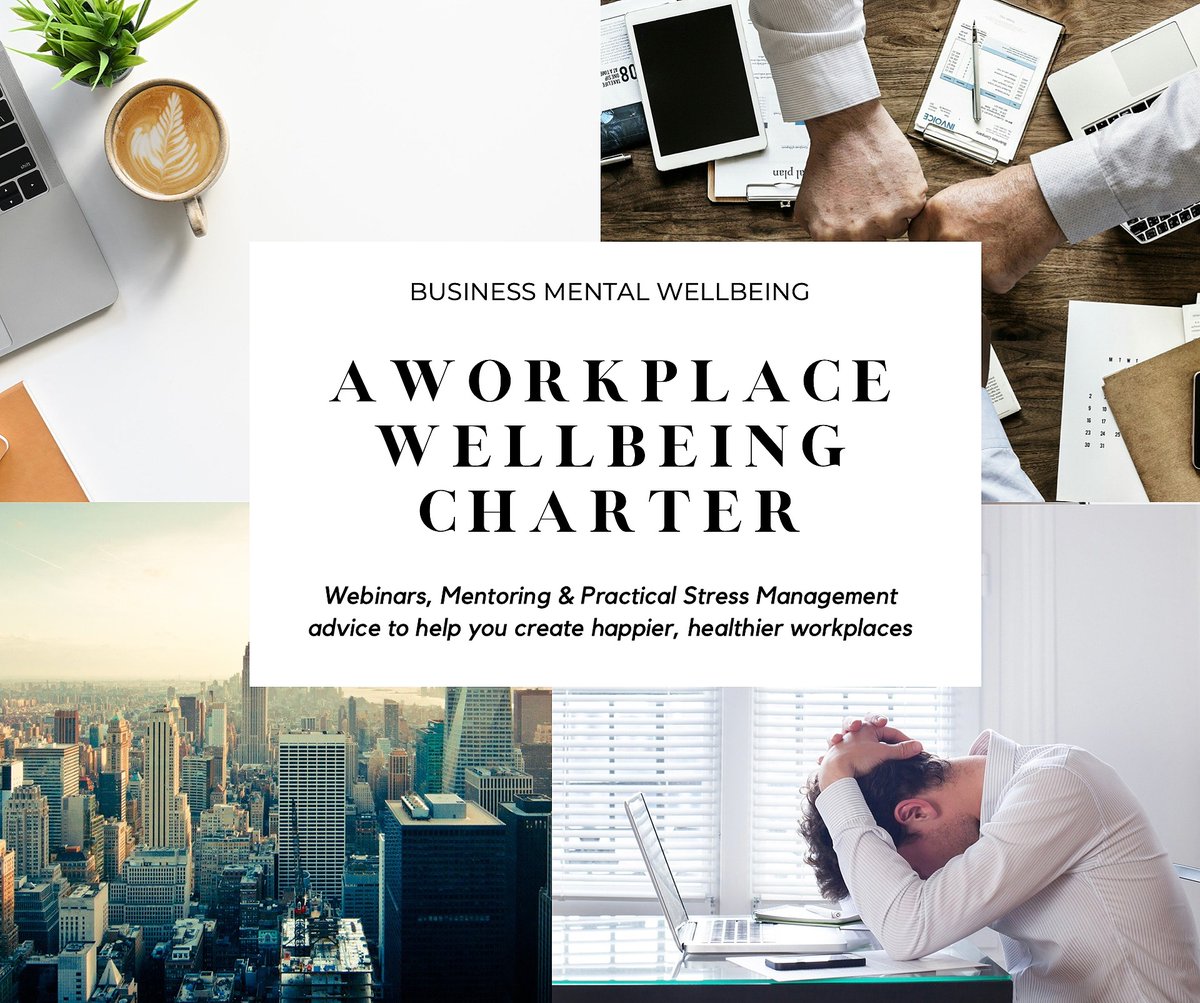
We have a super-quick survey that we'd love you to complete. Results will enable us to do even greater things for the businesses we work with #helpustohelpyou#mentalhealth#workplacewellbeing
https://t.co/Or3UEZoGZl
"Many talented workers are leaving for workplaces that align with their personal belief system and show an authentic concern for individual employee wellbeing. People want a good job and a life well-lived." Great #WorkplaceWellbeing insights @Gallup
https://t.co/ARqzenXYG2
Need someone to talk to your team about balance, why Presenteeism/Leaveism leads to burnout and how to prevent it? Talk to us about our expert webinars, Board talks and team workshops https://t.co/R97VbvwiIy #mentalhealthawareness#presenteeism#wellbeing#mentalhealth#stress
Initiatives are good: employees love them, they sound great when you want to talk about how you're supporting your staff. But strategy makes the real difference, with clear objectives a successful initiative becomes part of the fabric of a business #workplacewellbeing
Sharing our student MH resources again: helplines, websites & other support Transition to university can be tough, especially when thisyear's new students spent so much of their A-Level years in lockdown https://t.co/bQwVgB3EAE
#youngminds#stress#anxiety#studentwellbeing
Many hospitality businesses have used our expertise to complete the jigsaw & fill the gaps between short-term fixes for a crisis & long-term strategy to help prevent burnout. We build happier, healthier workplaces https://t.co/bzFSIVo8LR #healthyhospo#workplacewellbeing
Our positive stress management programmes work well for all sectors, including UK hospitality. Or maybe you need 1:1 mentoring for staff in crisis? In this tough year our teams need the best support we can give https://t.co/bzFSIVo8LR #ukhospitality#healthyhospo#mentalhealth
🗣️“What I really observed during the pandemic was how people could manage the big, bold stressors in their lives such as relationships but the little stuff actually got them down and made them more vulnerable,” says Dr Samantha Boardman, a New York-based psychiatrist