Studying archaea across diverse environments offers unique insights into life’s adaptability, and I am glad that our work on extremophiles contributes to this broader EMBL effort.
Many thanks to Ivy Kupec for helping bring this topic to a wider community!
Archaea may not be well known, nor well studied, but these microorganisms can live in extreme environments, but also quite nearby on our skin. They're everywhere!
EMBL researchers are exploring their unique ecosystem adaptability and link to evolution.
https://t.co/1Jl6LFTEvn
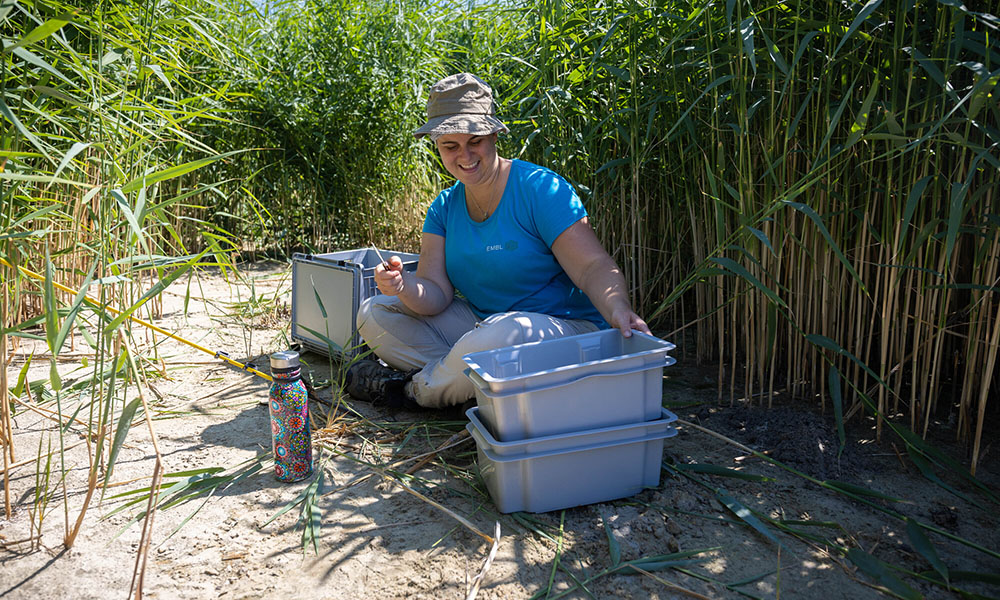
Last week I attended the M-FED 2025, where I presented the discovery of uncharacterized microbial ecosystems in the Central Andes 🌎
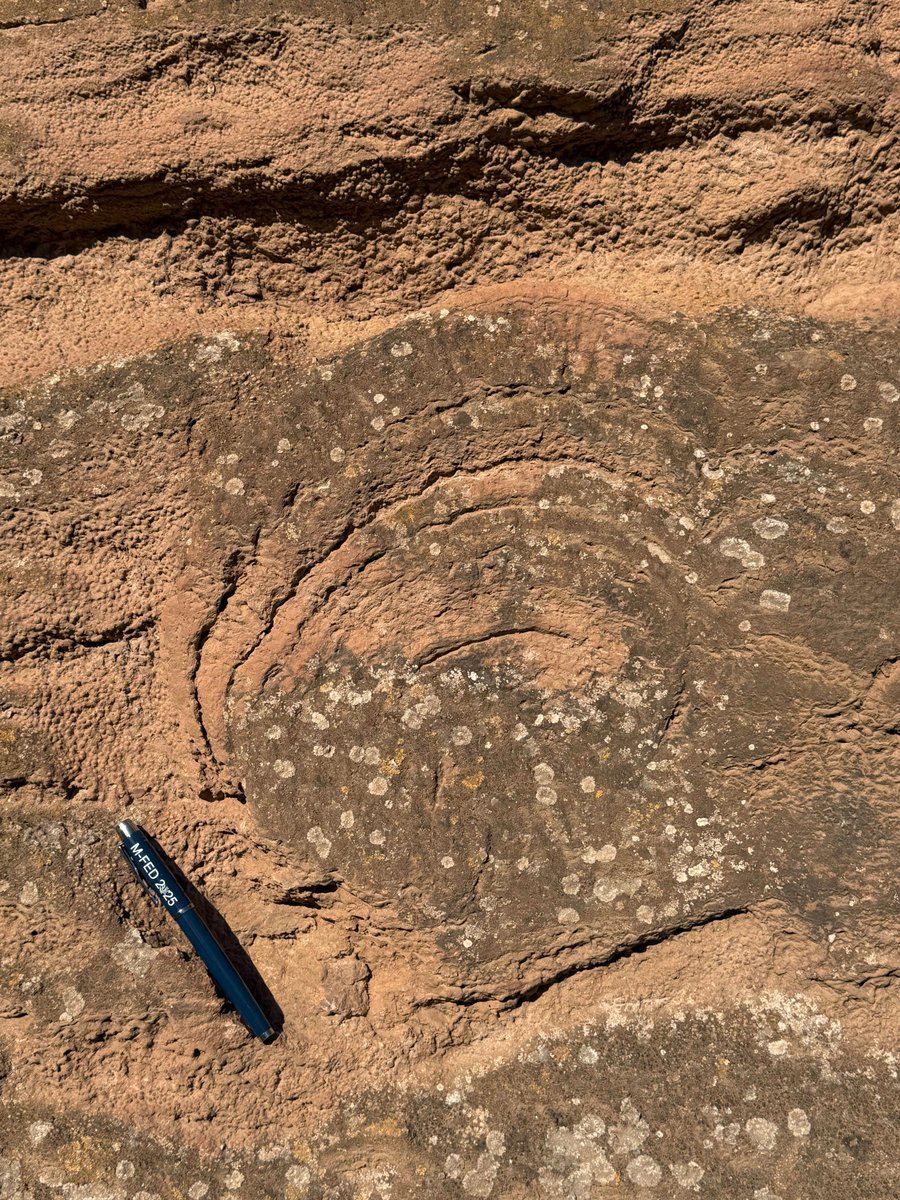
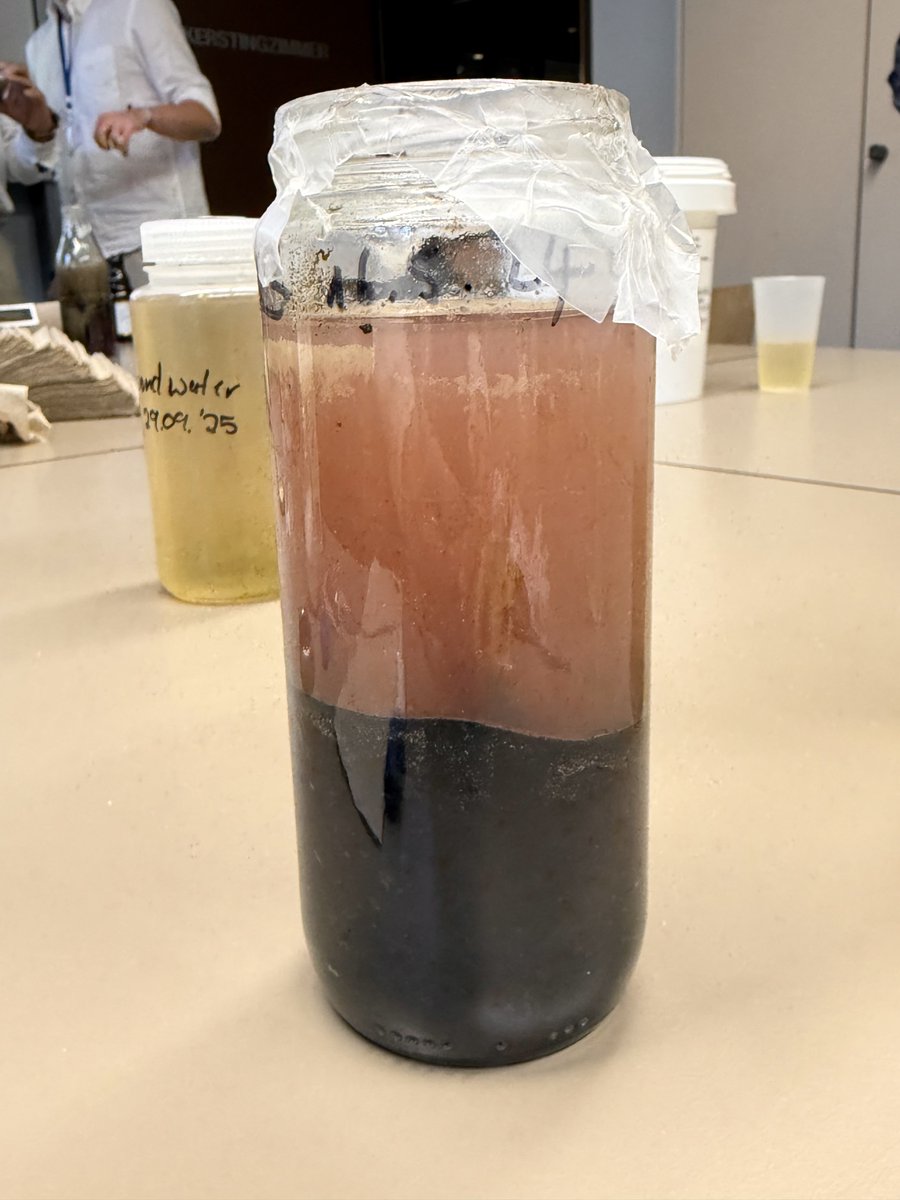
I also joined the workshop “Grow your own microbial mat ” and we visited the UNESCO Geopark Heeseberg! ⛏️
A great week of microbialite science!
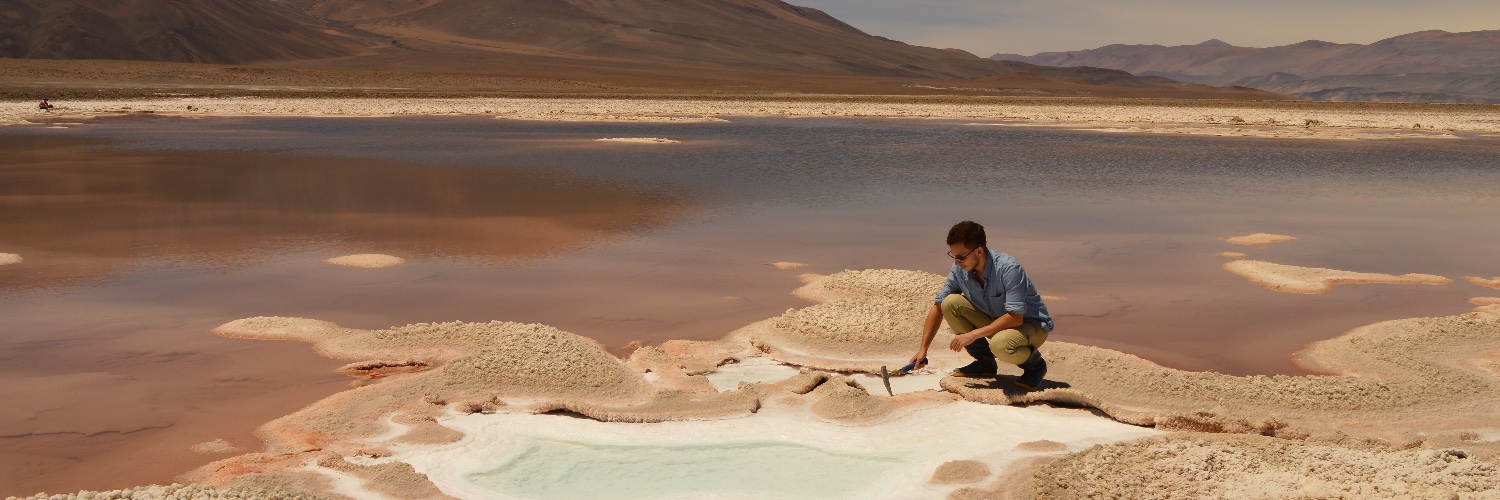
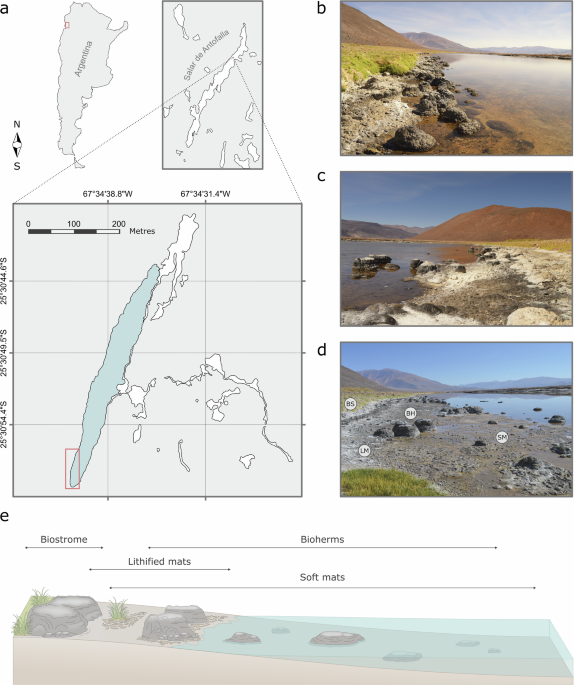
Years ago, we discovered a modern microbialite reef under conditions resembling primitive Earth 🌋
Now we show how seasonal extremes drive microbial shifts and mineralisation, offering a window into processes that shaped Earth’s first biostructures 🪨
https://t.co/9kT4rXECPm
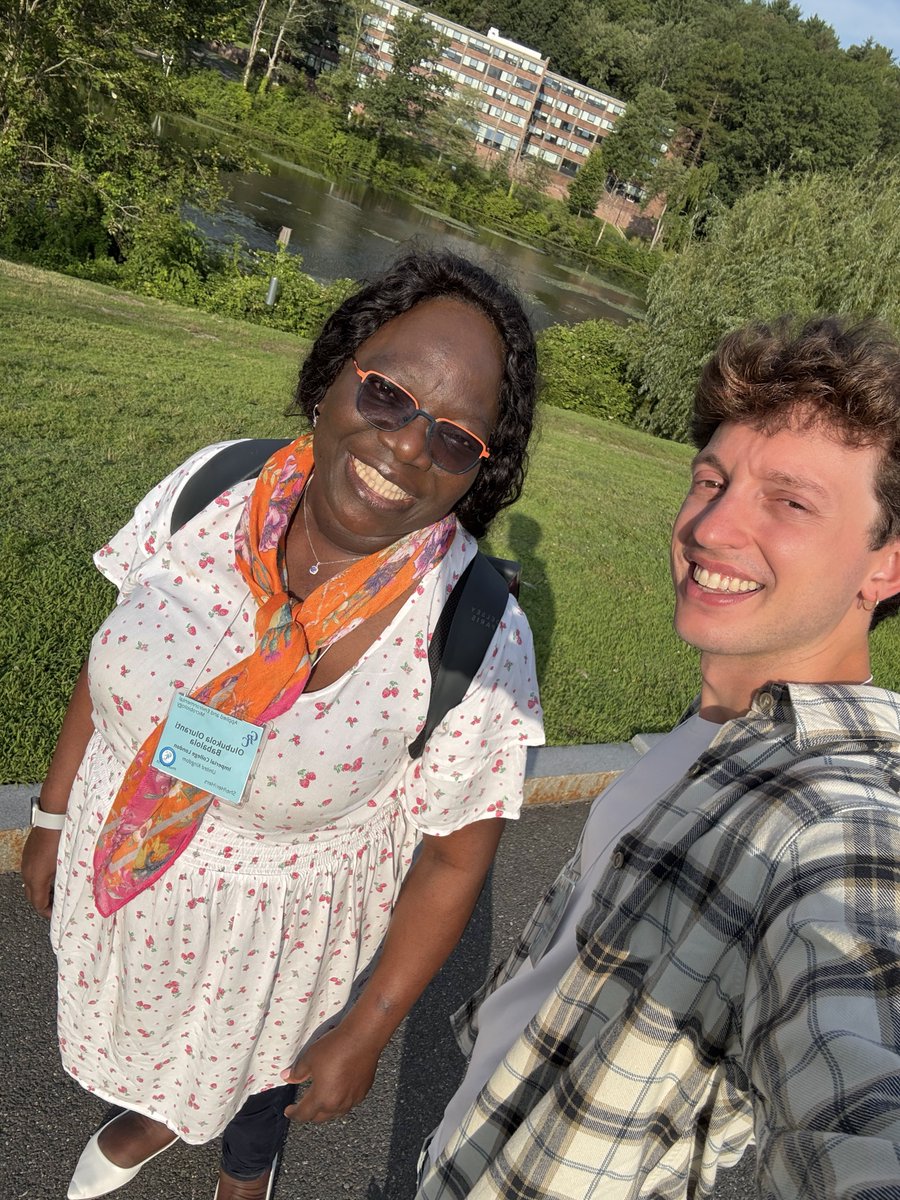
I recently participated in the GRC on Applied and Environmental Microbiology 🦠, where I had the opportunity to serve as a Discussion Leader and to present my work on modern microbialites as a Speaker.
Thanks to the chairs Denise Akob, @haines_marianne, and @joseluisrolando!
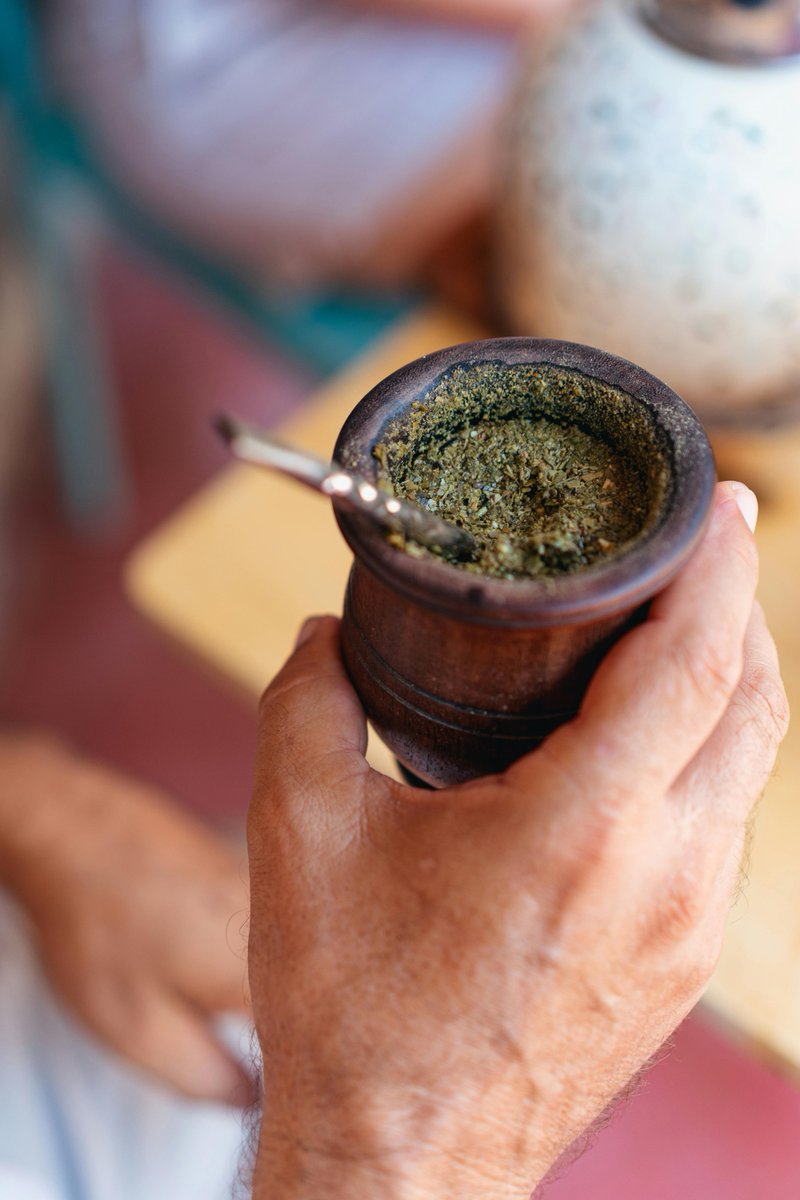
#YerbaMate makes the third most popular caffeinated drink in the world, but it’s unrelated to tea and coffee. The first reconstruction of its genome is helping us understand how multiple species have evolved to synthesise caffeine.
https://t.co/ACp25n4XeW
Scientists at @Exactas_UBA, @EMBLHamburg, @MCB_Illinois and others mapped yerba mate’s genome, providing surprising facts about its biochemistry and evolution of caffeine biosynthesis.
Find out more: https://t.co/oERflqI2vL
Farmers, plant breeders, and consumers of yerba mate may benefit from our findings, as understanding the genome and the biosynthesis of metabolic compounds can support crop improvement, conservation, and enhanced nutritional quality
Combining genomics, biochemistry, structural biology, and ancestral sequence reconstruction, we characterized how yerba mate synthesizes caffeine differently from coffee and tea plants 🌱
Our study presents the first genome sequence of this crop (Ilex paraguariensis), used for the elaboration of mate, the third-most widely consumed caffeine-containing infusion worldwide
We are looking for an enthusiastic postdoctoral candidate to work with @SPC_EMBL_HH and myself on an interdisciplinary project combining Biochemistry of #extremophile and #StructuralBiology. The position will be held at @embl Hamburg in collaboration with myself @UninaIT#postdoc
Thanks @nex_ciencia for the article about my research and @Exactas_UBA for providing me with a public university education that makes my scientific work possible
Gracias @nex_ciencia por la nota sobre mi trabajo de investigación y a @Exactas_UBA por haberme brindado una educación pública universitaria que hace posible mi trabajo científico 🧉🧬
#yerbamate#genome#caffeine
🧉Un grupo de investigación argentino del @iquibicen dio a conocer el genoma de la yerba mate. El trabajo llevó casi una década y contó con la colaboración internacional de equipos de Brasil, Europa y Estados Unidos.
🧬“Abrimos un camino. Alguien podría proponer hacer una yerba más rica en determinadas características, como una yerba descafeinada o una que se adapte mejor a otras tierras y así expandir el cultivo. Ese es el impacto”, señala Adrian Turjanski, investigador de @Exactas_UBA
📄El trabajo, que ya fue aceptado y se publicará en el próximo número de la revista eLife, no sólo da cuenta del genoma de la Ilex paraguariensis –nombre científico de la planta de yerba mate– sino que también aborda la biosíntesis de cafeína.
🌱“Mucha gente afirma que el mate tiene mateína, pero eso no existe. Es cafeína. Ambas plantas tienen una biosíntesis de cafeína parecida por eso trabajamos en la diferencia. La cafeína parece ser importante para la defensa o la vida misma de la planta”, apunta Turjanski.
🧉“El mate, para mí, representa lo más lindo de la cultura argentina: una bebida que nos une, nos acompaña. Secuenciar el genoma de la yerba mate se sentía, en cierta forma, como secuenciar el genoma de Messi”, expresa Federico Vignale, primer autor del trabajo.
📲Leé la nota completa de @nex_ciencia en: https://t.co/4x6OyJBxLs