The message is clear: Early osteoporosis diagnosis, systematic secondary fracture prevention, and long-term healthcare planning are essential to meet the needs of ageing populations.
Learn more https://t.co/VwJwSmw8sf
Vertebral Fractures in Germany: A Growing Healthcare Challenge
A nationwide study examining hospitalisation trends from 2000 to 2023 highlights the substantial impact of vertebral fractures on healthcare systems.
Key findings:
Demographic projections suggest approximately 10% more annual hospitalisations by 2050 for thoracic and lumbar vertebral fractures.
Despite improvements in hospitalisation rates, population ageing is expected to sustain a substantial healthcare burden.
Thoracic vertebral fracture hospitalisations increased from 14,057 to 27,563 annually.
Lumbar vertebral fracture hospitalisations rose from 27,683 to 45,280.
Age-standardised hospitalisation rates have recently stabilised or declined.
What’s New in Osteoporosis and Fragility Fractures?
A new review published in The Journal of Bone and Joint Surgery highlights recent advances in osteoporosis management and fragility-fracture care.
Key topics include:
• Fracture Liaison Services, sarcopenia, falls prevention and bone health optimization.
The key message: Fragility-fracture care goes beyond treating the injury. Improving outcomes requires coordinated care, rehabilitation, and sustained attention to preventing future fractures
• Multidisciplinary orthogeriatric care, timely surgery, and early mobilization.
• Emerging surgical approaches for complex fragility fractures.
• Individualized osteoporosis treatment and the importance of early secondary fracture prevention.
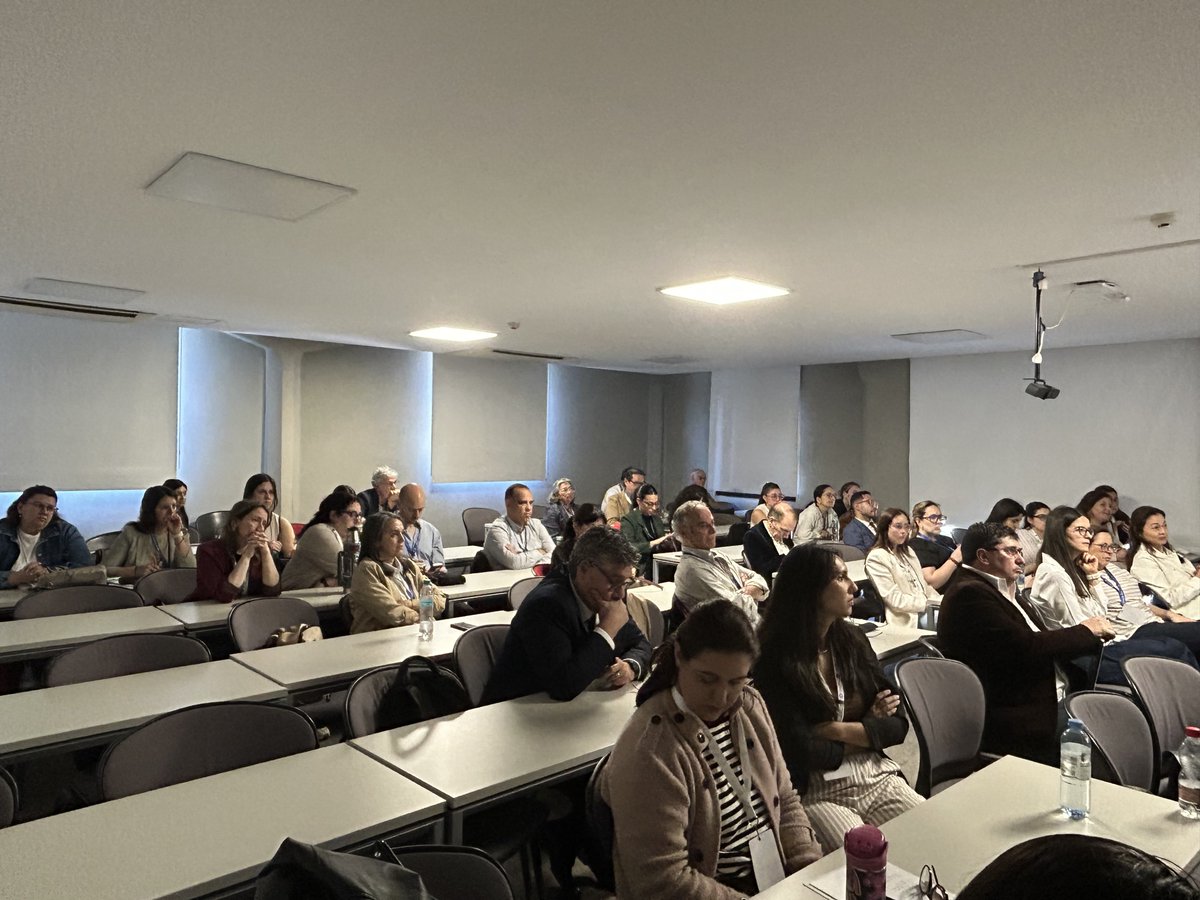
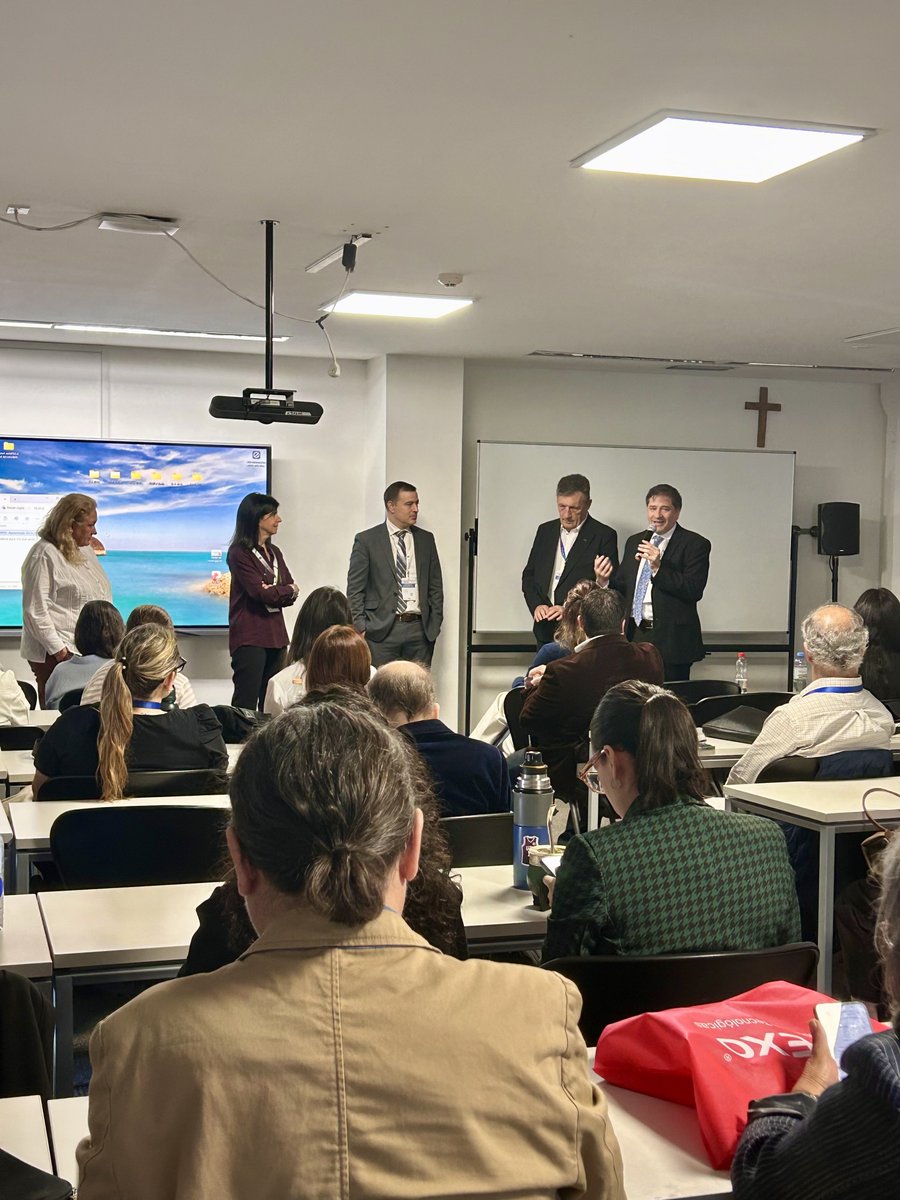
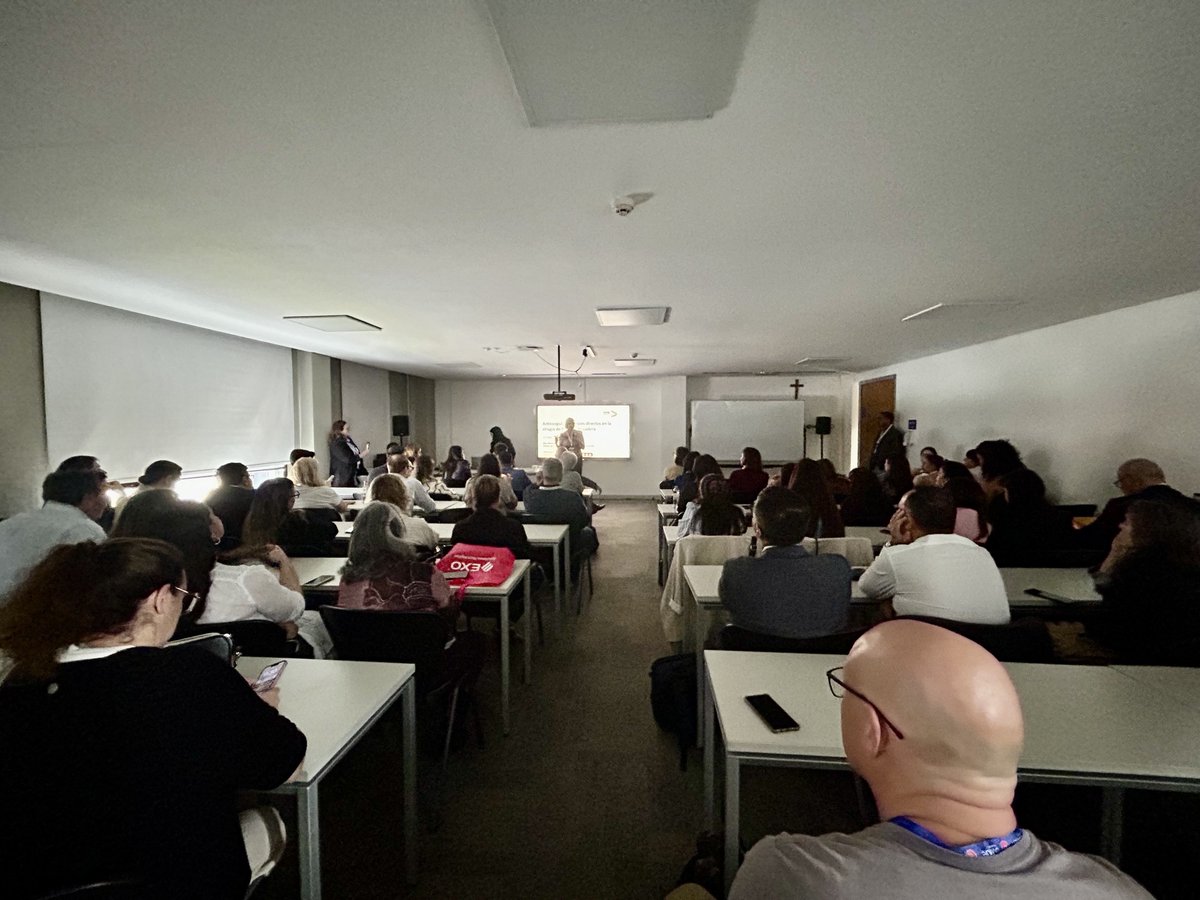
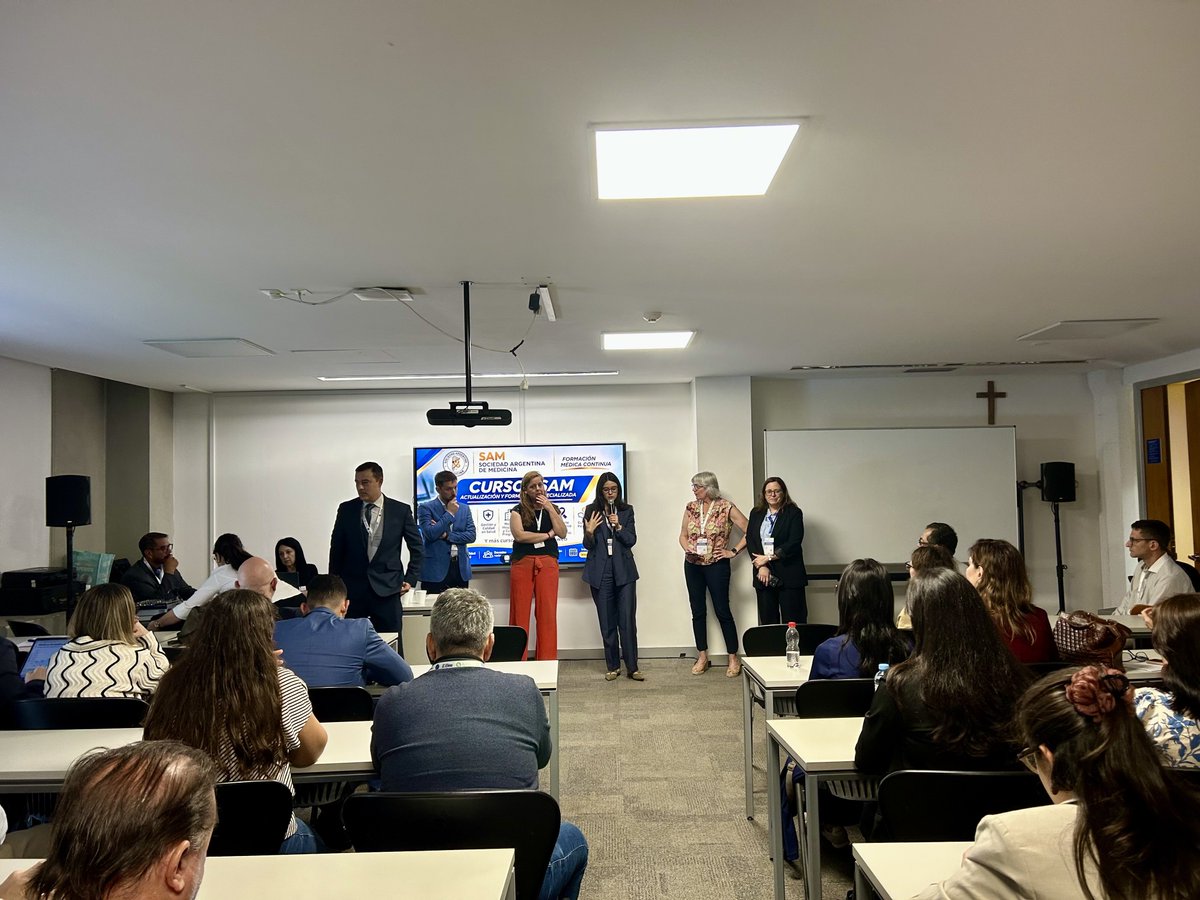
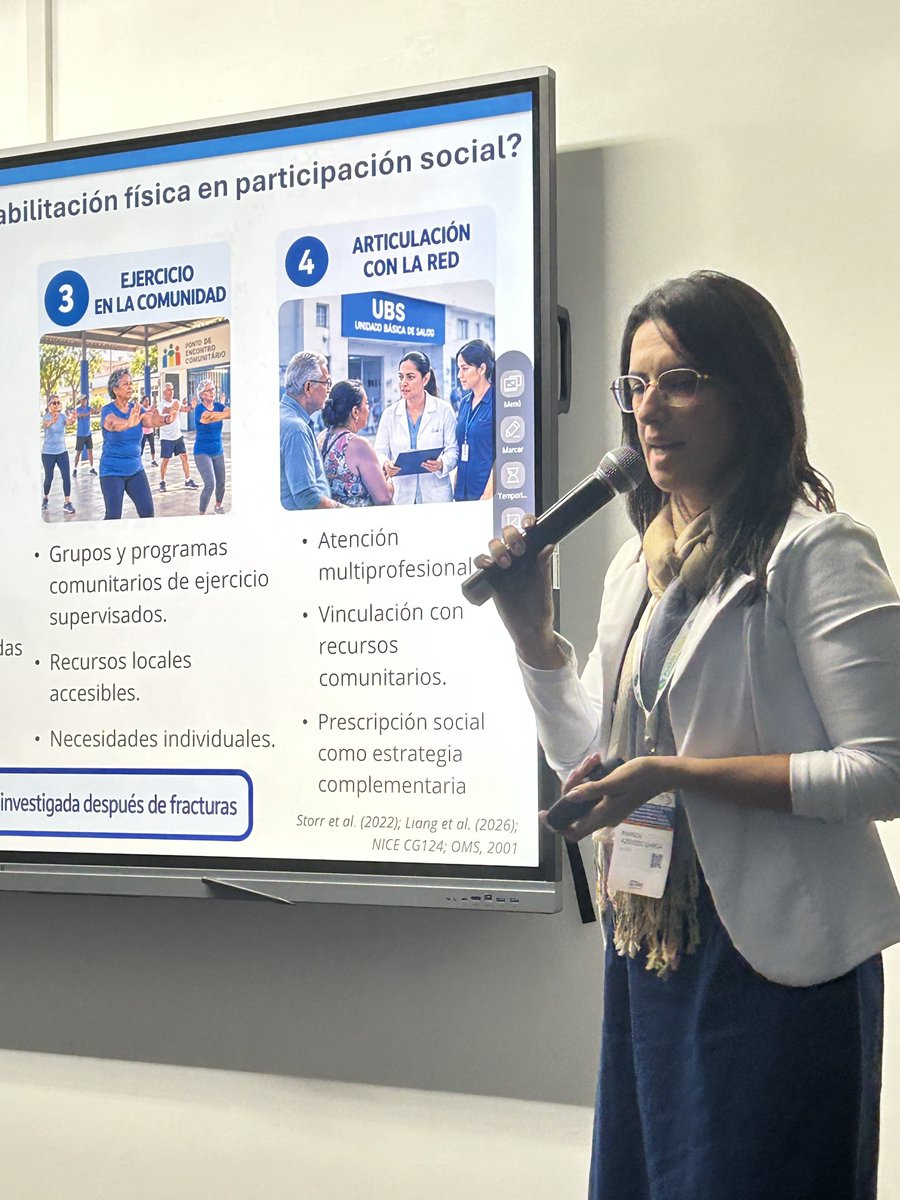
Day 2 of the FFN LATAM Congress in Buenos Aires! ��🇷
Strengthening multidisciplinary collaboration, sharing knowledge, and advancing fragility fracture care across Latin America.
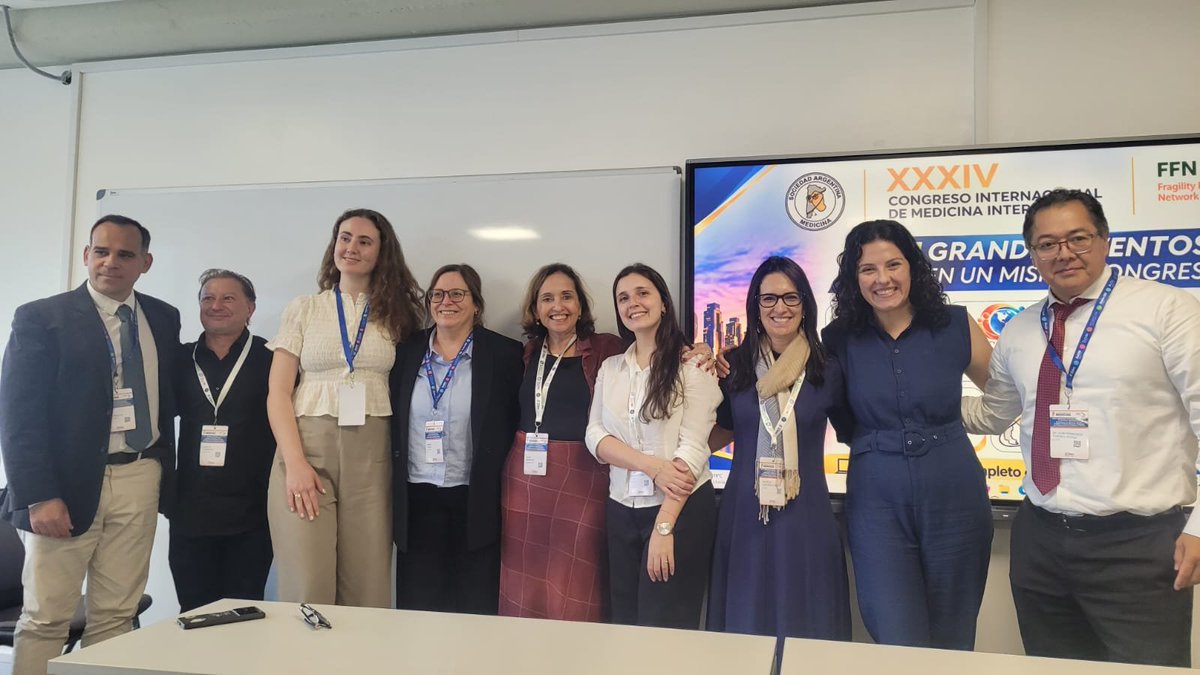
Together, we are building a stronger network for better patient outcomes.
An inspiring afternoon at the FFN LATAM Congress in Buenos Aires! Bringing together multidisciplinary teams to advance fragility fracture care across Latin America. Together, we are building a future of better outcomes, stronger collaboration, and healthier aging.
The first moments of the FFN LATAM Congress in Buenos Aires, Argentina!
A multidisciplinary team united by a shared mission: advancing fragility fracture care and improving the lives of older adults across Latin America.
At FFN, we recognise the invaluable contribution of nurses to delivering high-quality, person-centred orthogeriatric care.
To all orthopaedic nurses: thank you for making a difference, every day.
#InternationalOrthopaedicNursesDay#orthopedicnurses
Today, the Fragility Fracture Network celebrates the dedication, expertise and compassion of orthopaedic nurses around the world.
From pain management and delirium prevention to early mobilisation, rehabilitation and secondary fracture prevention,
nurses play an essential role throughout the fragility fracture care pathway.
As key members of multidisciplinary teams, they help patients regain confidence, restore mobility and return to meaningful daily activities.
Through two illustrative clinical cases, the article emphasizes that effective osteoporosis management goes beyond prescribing medication—it requires informed, individualized, patient-centered care.
Read more https://t.co/iybe3yOkUb
Exercise: Safe and effective resistance, impact, and balance-focused activities to strengthen bones and help prevent falls.
Patient preferences: Addressing concerns about medication and incorporating individual values, beliefs, and treatment goals.
A new article highlights the importance of combining pharmacological treatment with evidence-based lifestyle strategies and shared decision-making to improve osteoporosis care.
Key areas explored include:
Nutrition: Practical dietary guidance to support bone health.
The findings emphasize the need for stronger epidemiological surveillance, earlier diagnosis, and improved fracture prevention strategies across the region.
Read the article: https://t.co/V6isLjZZZS
A new systematic review and meta-analysis highlights the significant burden of osteoporotic fractures across Latin America.
Key findings:
Over 1.18 million participants analyzed across 16 studies.