Keep up with us on our other channels ➡️
💙 IG: @/fieldmuseum (https://t.co/4zCzOoePNa)
💙 FB: @/fieldmuseum (https://t.co/9yDnyqd38U)
💙 LI: @/field-museum (https://t.co/NDqyFJdLHz)
💙 Web: https://t.co/nnOe6TW0mO
Hey Field Fam! 👋
Our time on Twitter has come to a close, and this account will be archived soon. Thank you to all those who joined us for 18 years of facts and fun! 💙
Don't worry, @SUEtheTrex will still be tweeting their heart out. Make sure to give them a follow. 📱🦖
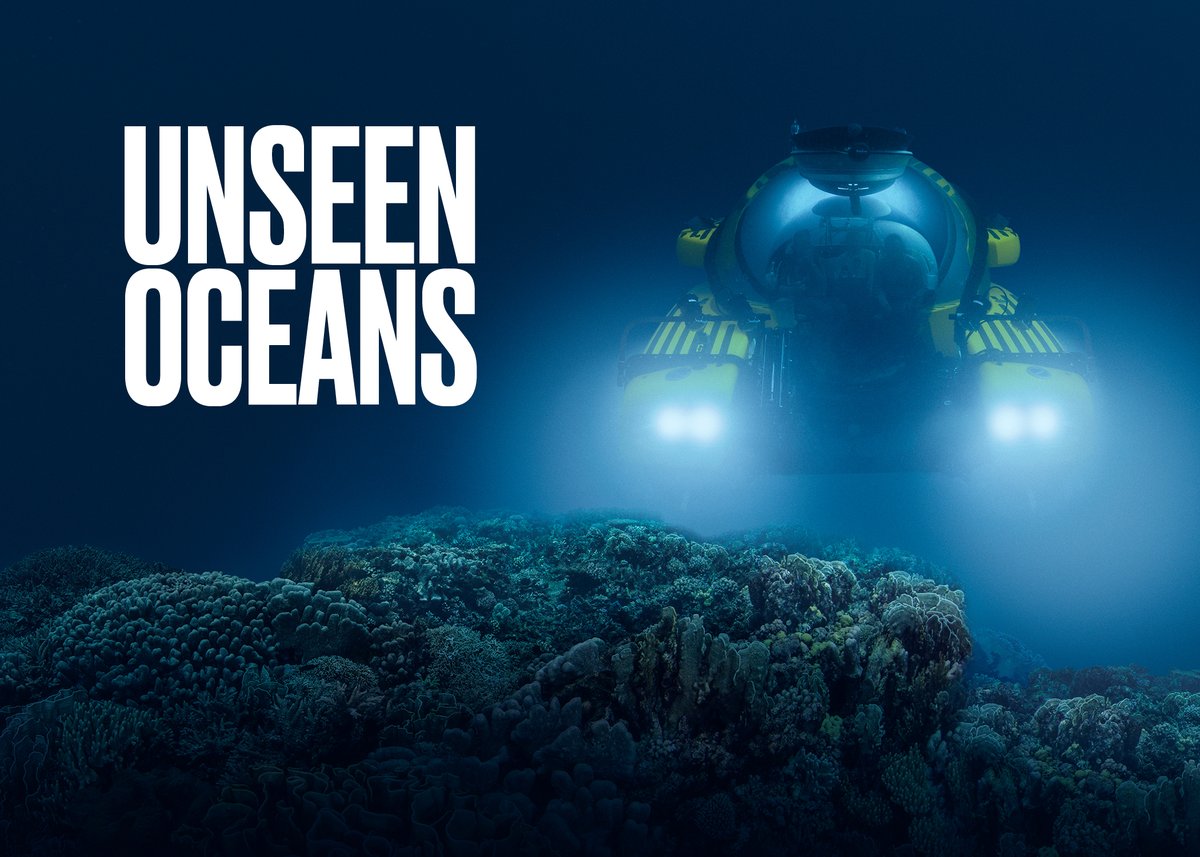
In #UnseenOceans:
🪼 Encounter glow-in-the-dark fish and plankton.
🪼 Pilot through the depths in an interactive submersible game.
🪼 Meet real-life seahorses, eels, and jellies up close.
Plan your visit. 🌊 https://t.co/WK1M8meJhi
Male roseate spoonbills are known to bob their head and shake nearby twigs to gain a female's attention. 🥰
Once they've successfully matched, males gather those shaken sticks and present them to their date to build a nest together. 🪺